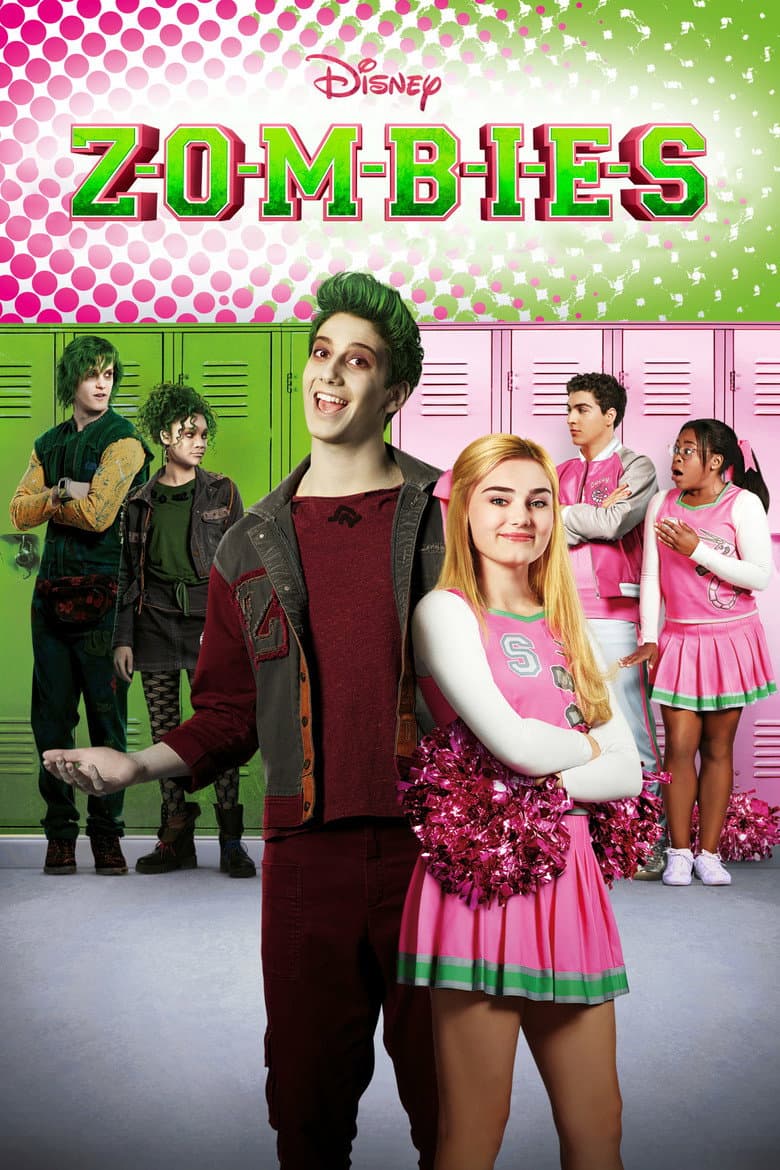
Zed is a cheerful zombie freshman who wants to play football at Seabrook High. Addison is a human cheerleader who hides her natural white hair because her town dislikes anything unusual. Seabrook has opened its school to students from Zombietown, but a wall, patrols, and old fear still keep humans and zombies apart. Zed and Addison fall in love while songs, jokes, school rivalry, and bright fantasy action carry the story.
The movie makes group identity and prejudice its main conflict. Humans treat zombies as a feared group, keep them separate, control them with Z-Bands, and blame them when trouble starts. Zed and Addison hide parts of themselves, then push both groups toward open acceptance through friendship, romance, and a shared cheer performance. Repeated songs and speeches call for equality, breaking walls, standing up, and rejecting labels, so the inclusion message is central and easy to notice.
Community feedback
Was our 72% Woke rating accurate?
Breakdown
These are the editorial factors and ratings behind our score for Z-O-M-B-I-E-S.
Woke representation / casting
The film gives black girls Eliza and Bree visible supporting roles. Eliza is a skilled computer hacker who helps Zed, and Bree becomes a close cheer friend. The school also treats a male cheer captain and male cheerleaders as normal. These choices add a small representation and gender-role signal, but the mixed cast fits a present-day American school and is not the main message.
18%
Woke political dialogue
The film uses direct words about equality and social change. Zed asks for full integration and later talks about a zombie uprising to force humans to make zombies equal. Songs and speeches tell characters to break walls, stop hiding, stand up, and reject old rules. The language stays inside the fantasy school conflict and does not name real parties or current laws.
47%
Identity-driven story themes
The film makes human and zombie prejudice the main conflict. Seabrook keeps zombies behind a wall, limits them with Z-Bands, and treats them as dangerous even when they live peacefully. Zed and Addison hide parts of themselves, then use love, friendship, and a shared school event to bring both groups together. The songs repeat acceptance, self-expression, and the idea that labels should not control a person's place.
68%
Western institutional / cultural critique
Seabrook's wall, separate zombie town, patrol, safe rooms, and Z-Bands show institutions controlling one group. The school first puts zombie students in a basement area and later sends them back to a separate school. Bucky removes cheerleaders who support zombies, and the story treats this power as unfair. The film attacks prejudice and forced sameness, but it does not target Christianity, capitalism, or family life.
48%
Woke character or canon changes
Not relevant. The film is an original story about Seabrook, Zombietown, and new characters. No established character, source figure, or real historical event is changed for an identity message.
0%
Anti-woke backlash and complaints
One review calls the film an obvious agenda piece and attacks its racism-style message. Another review says the script uses progressive social-justice language and jokes that it resembles a woke Disney musical. These complaints are fringe, and there is no sign of a broad anti-woke campaign or major news controversy.
14%
Creator track record context
The cached context gives Paul Hoen a 72 score because his youth work often uses inclusive themes. Effie Brown's cached 92 score reflects strong DEI advocacy and inclusion-focused producing. David Light and Joseph Raso have moderate cached scores of 48 and 41, while Mary Pantelidis and the casting team are lower or mixed. This context is strong because Hoen and Brown are tied to the film, and it matches the movie's acceptance message.
73%
Production

Movie · 2019
Kat is an aspiring singer-songwriter who dreams of making it big. However, her dreams are stalled by her reality: a conniving and cruel stepfamily and a demoralizing job working…
Movie · 2023
A rich man learns about a guru who can see without using his eyes. He sets out to master the skill in order to cheat at gambling.
Movie · 2026
After Matt's dreams of a picturesque Italian wedding are shattered when his fiancée leaves him at the altar, he embarks on his planned honeymoon across Italy alone, immersing…

Movie · 2020
In 1800s England, a well-meaning but selfish young woman meddles in the love lives of her friends.
Movie · 2017
A continuation of the documentary spoof of what Thor and his roommate Darryl were up to during the events of "Captain America: Civil War".
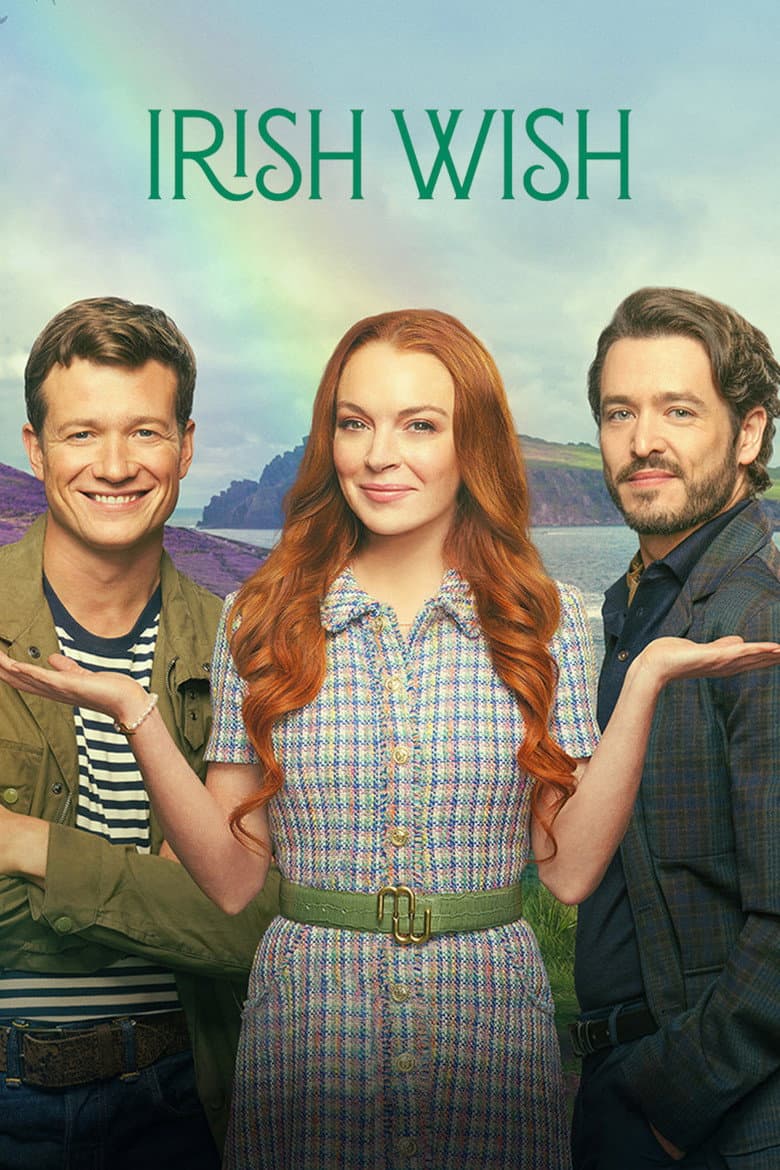
Movie · 2024
Maddie's dream guy is days away from marrying her best friend when a wish for true love made on an ancient stone in Ireland magically alters her fate.
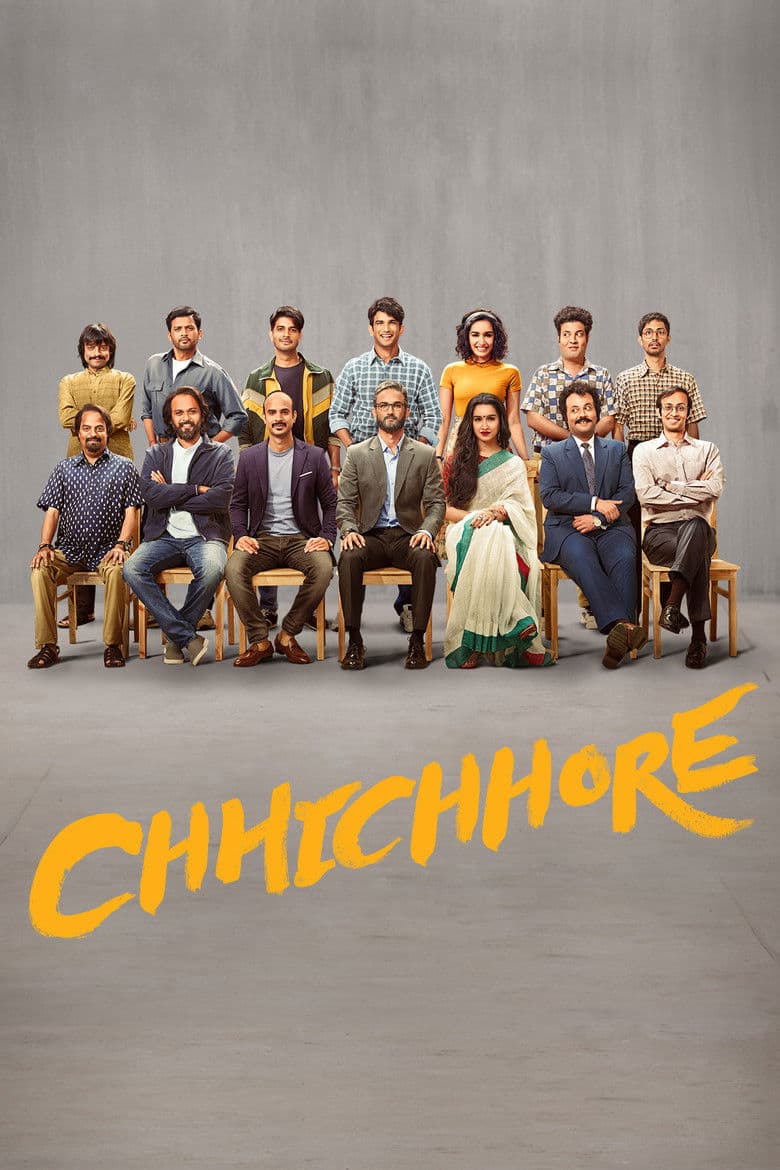
Movie · 2019
Following a group of friends from university as they progress into middle-age life and go their own separate ways.
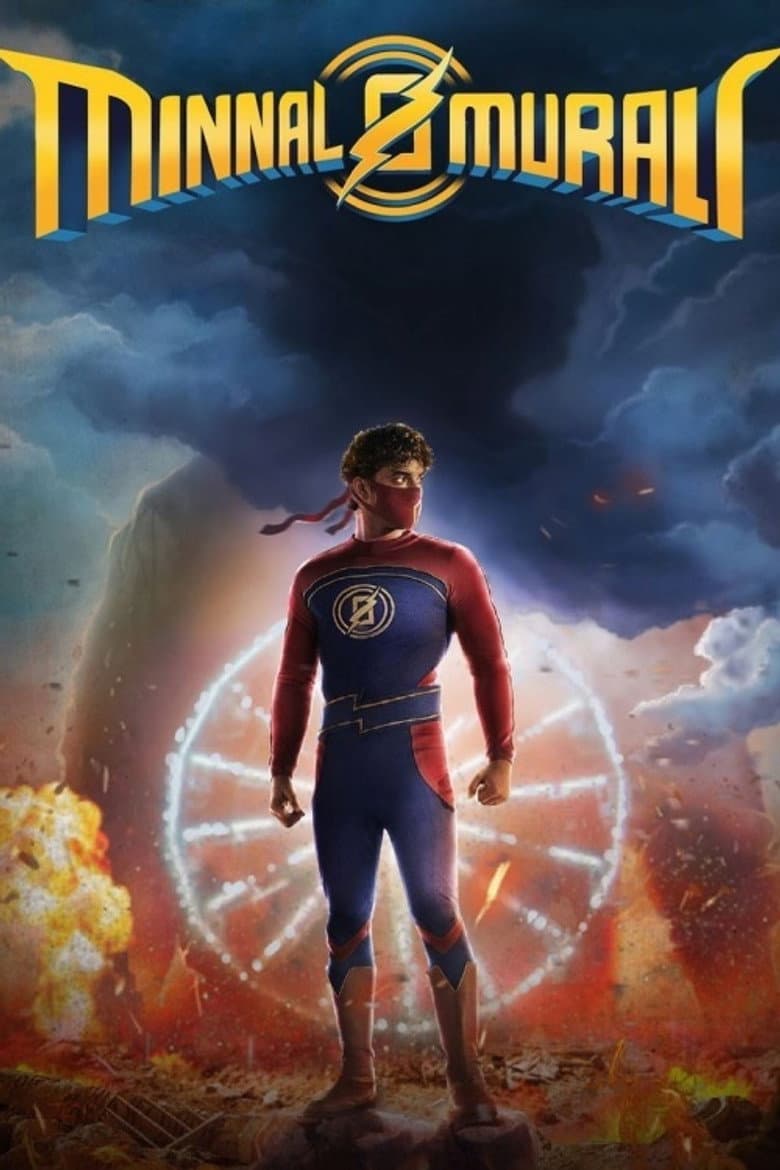
Movie · 2021
A tailor gains special powers after being struck by lightning but must take down an unexpected foe if he is to become the superhero his hometown in Kerala needs.
