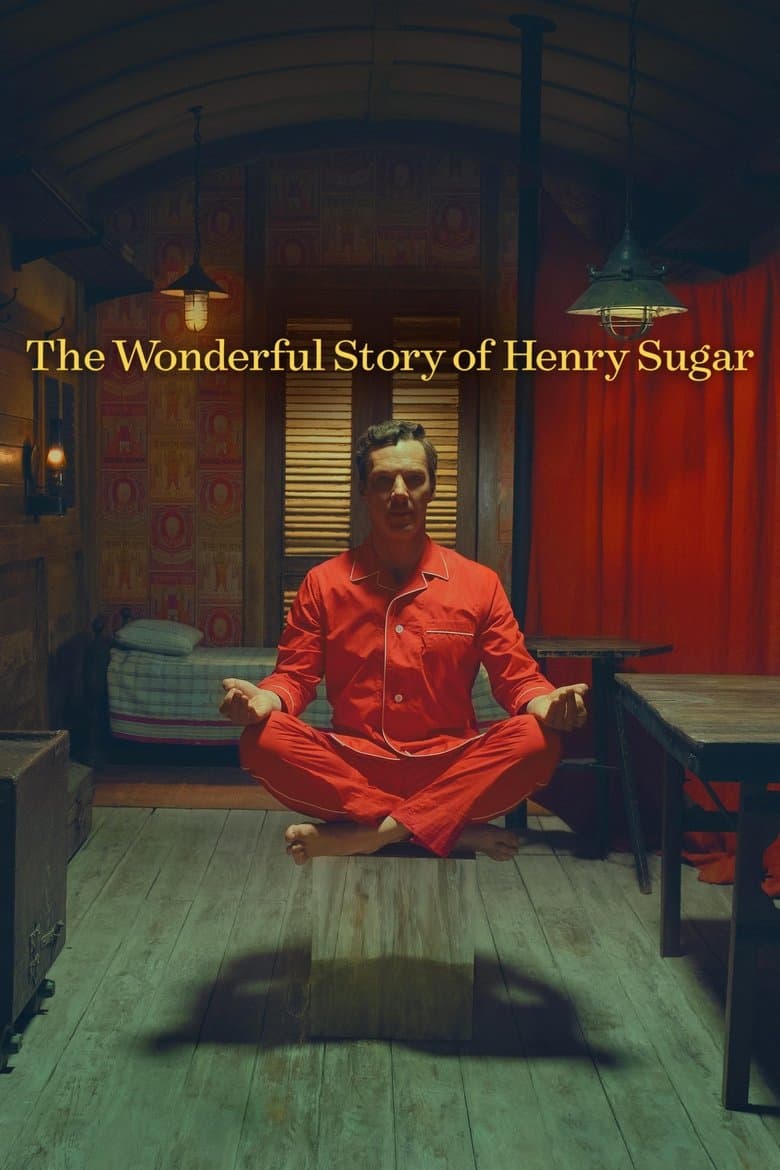
The film follows Henry Sugar, a rich British man who gambles because he enjoys it. One day he reads about an Indian man who learned to see without using his eyes. Henry then trains for years so he can cheat at cards and win more money. The movie is short and colorful, and it tells the tale in stacked stories. Actors speak straight to the camera in Wes Anderson's neat and playful style.
Henry begins as a selfish person, but he changes by the end. He gives the money he wins at casinos to hospitals and orphanages. The story teaches lessons about greed, focus, and kindness. The plot stays on that personal change from start to finish. It does not make race, gender, or modern identity politics the point of the story.
Community feedback
Was our 2% Woke rating accurate?
Breakdown
These are the editorial factors and ratings behind our score for The Wonderful Story of Henry Sugar.
Woke representation / casting
Not present. Casting uses actors of Indian descent (Dev Patel, Ben Kingsley) in story sections set in India that match the original Dahl premise; no visible quotas, mismatches, or signaling beyond natural fit.
0%
Woke political dialogue
Not present. No political, activist, or identity-related dialogue exists in the film.
0%
Identity-driven story themes
Not present. The core story centers on personal greed, meditation mastery, and generosity as a timeless moral lesson with no race, gender, sexuality, or representation focus.
0%
Western institutional / cultural critique
Not present. The narrative offers no modern critiques of patriarchy, masculinity, family structures, Christianity, or Western norms; it remains a classic individual transformation fable.
0%
Woke character or canon changes
Not relevant. Minor name and detail adjustments for adaptation and casting stay small and non-ideological.
0%
Anti-woke backlash and complaints
Not present. No anti-woke or right-leaning complaints about identity politics or DEI messaging appear in coverage or public reaction.
0%
Creator track record context
Key names on this short score low on activist and identity-driven work. Anderson and Dahl are known for style and classic moral tales, not DEI campaigns. Producers show only mild or unrelated political activity. That background does not push this film toward woke messaging.
10%
Production
Movie · 2024
Four tales unfold in Wes Anderson's anthology of short films adapted from Roald Dahl's beloved stories, "The Wonderful Story of Henry Sugar", "The Swan", "The Rat Catcher", and…
Movie · 2017
A continuation of the documentary spoof of what Thor and his roommate Darryl were up to during the events of "Captain America: Civil War".
Movie · 2021
A social butterfly who dies during her birthday week is given a second chance to right her wrongs on Earth.
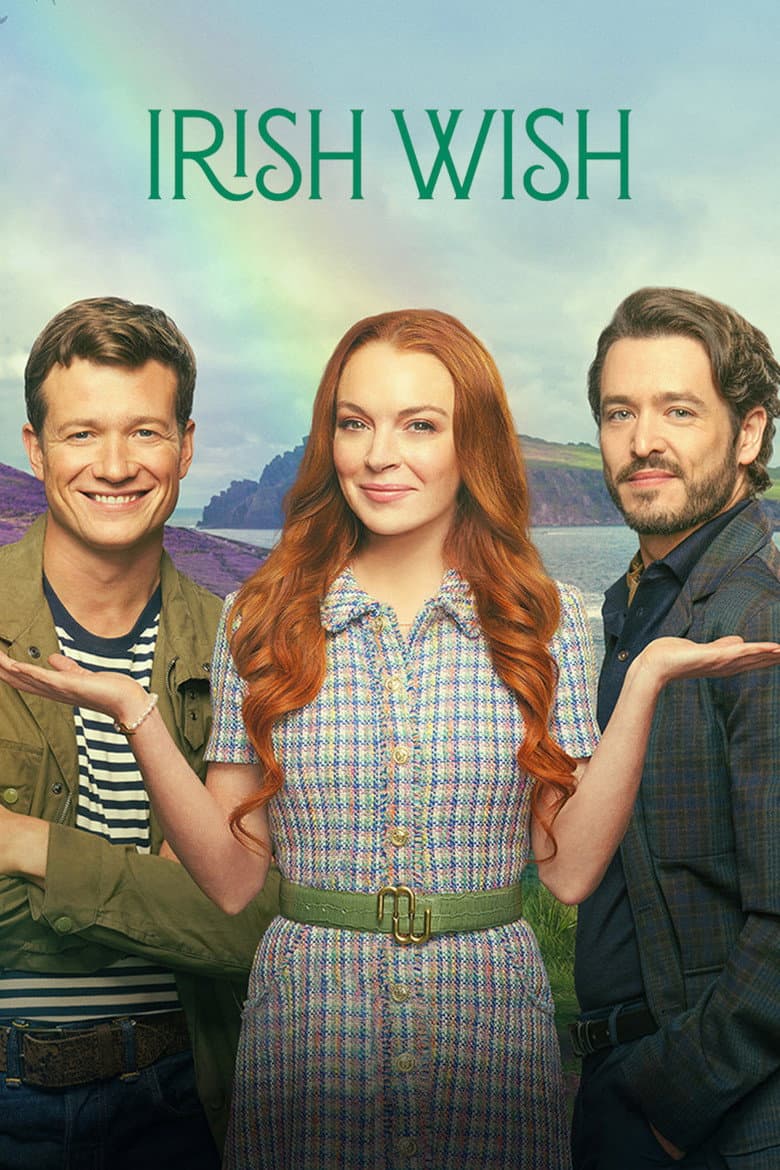
Movie · 2024
Maddie's dream guy is days away from marrying her best friend when a wish for true love made on an ancient stone in Ireland magically alters her fate.
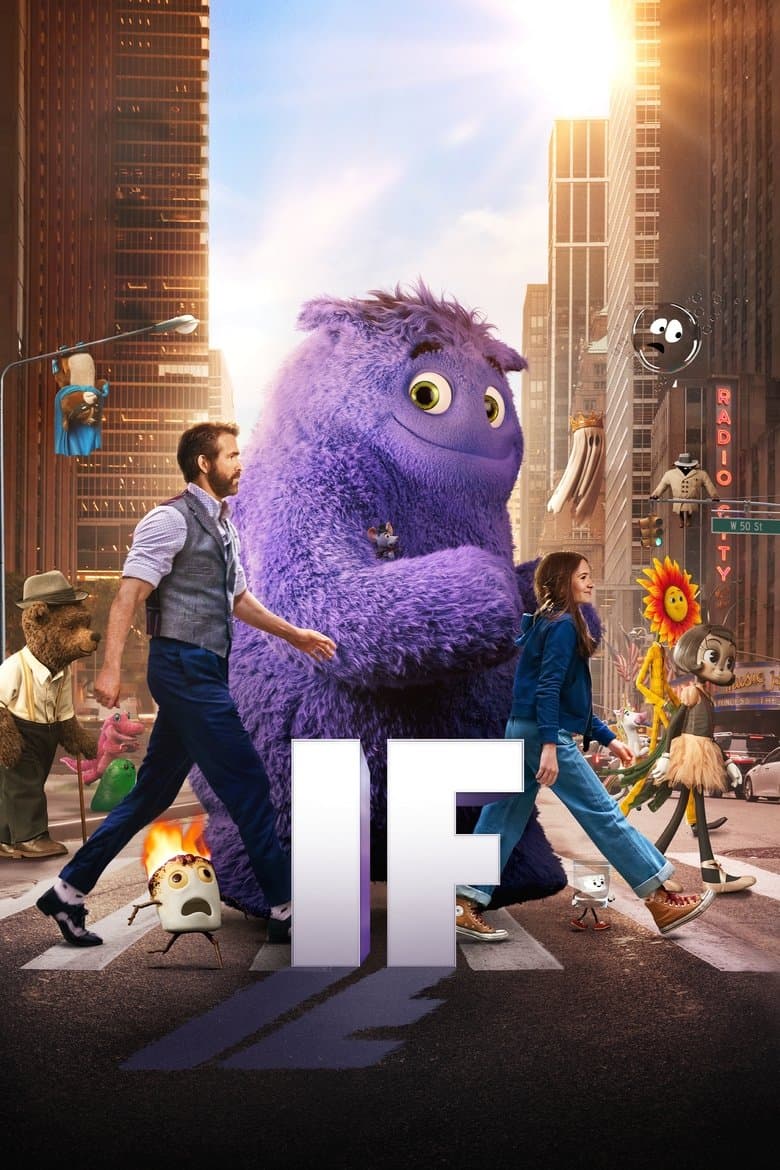
Movie · 2024
After discovering she can see everyone's imaginary friends, a girl embarks on a magical adventure to reconnect forgotten imaginary friends with their kids.
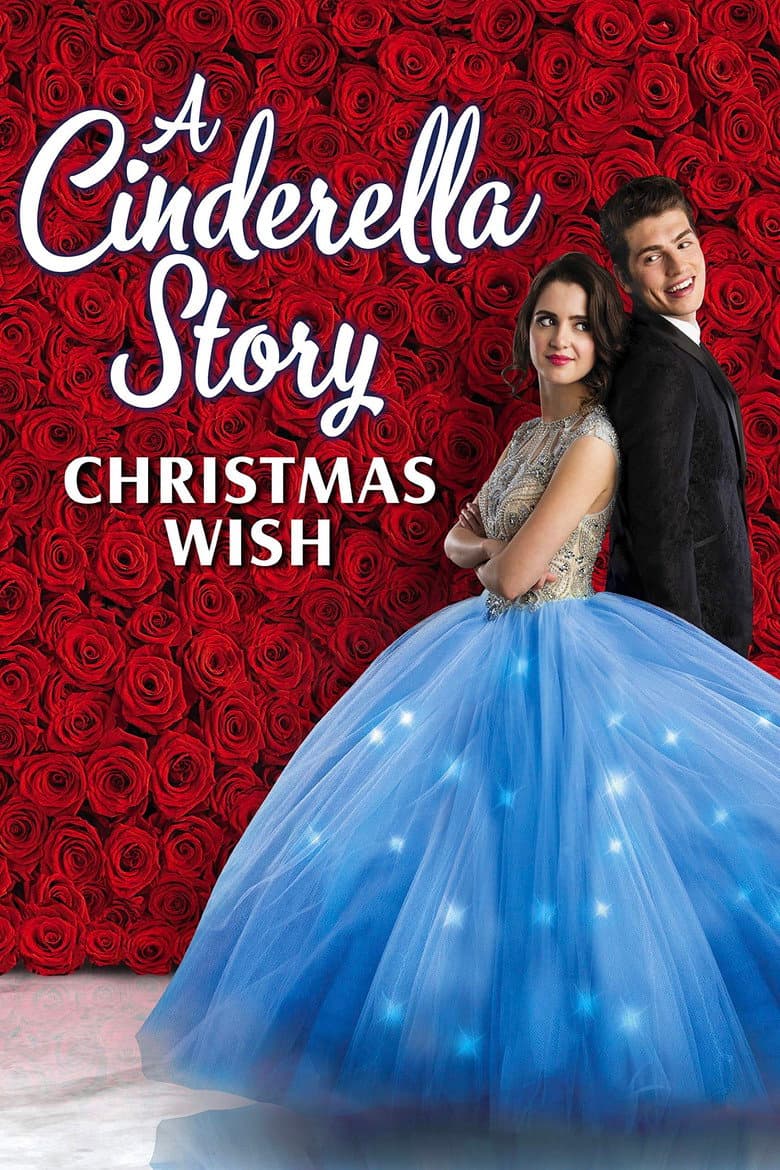
Movie · 2019
Kat is an aspiring singer-songwriter who dreams of making it big. However, her dreams are stalled by her reality: a conniving and cruel stepfamily and a demoralizing job working…
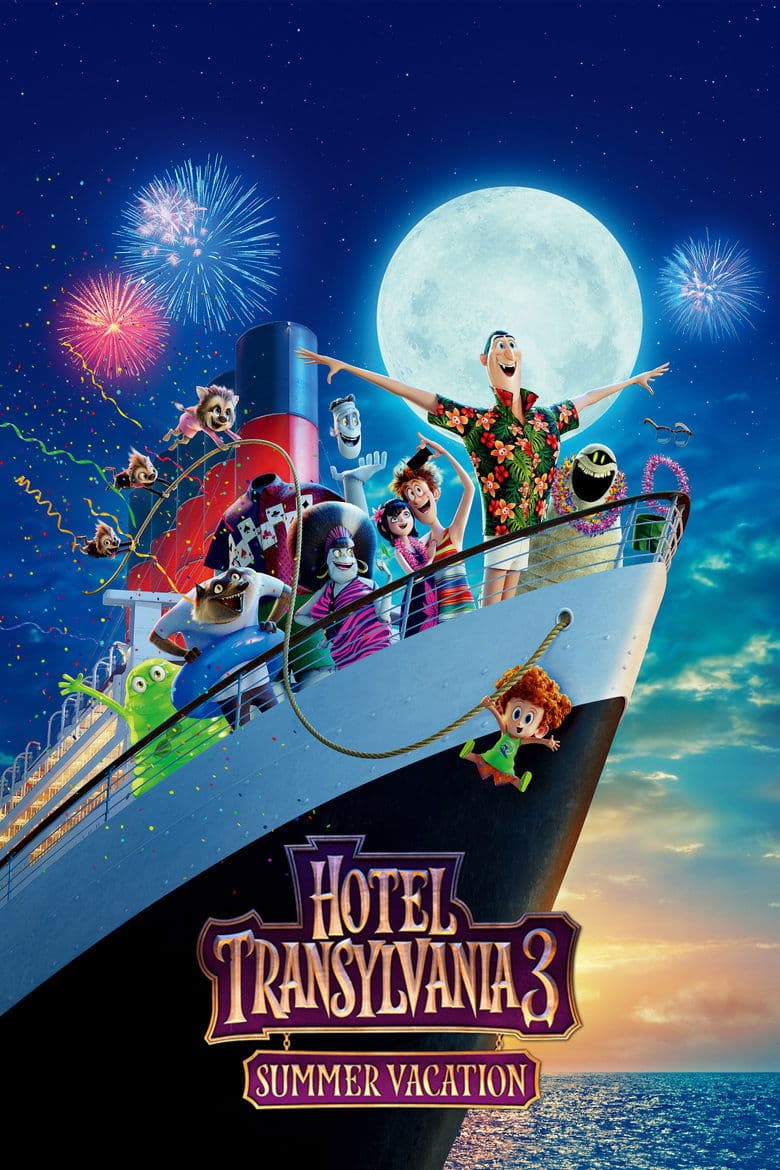
Movie · 2018
Dracula, Mavis, Johnny and the rest of the Drac Pack take a vacation on a luxury Monster Cruise Ship, where Dracula falls in love with the ship’s captain, Ericka, who’s secretly a…
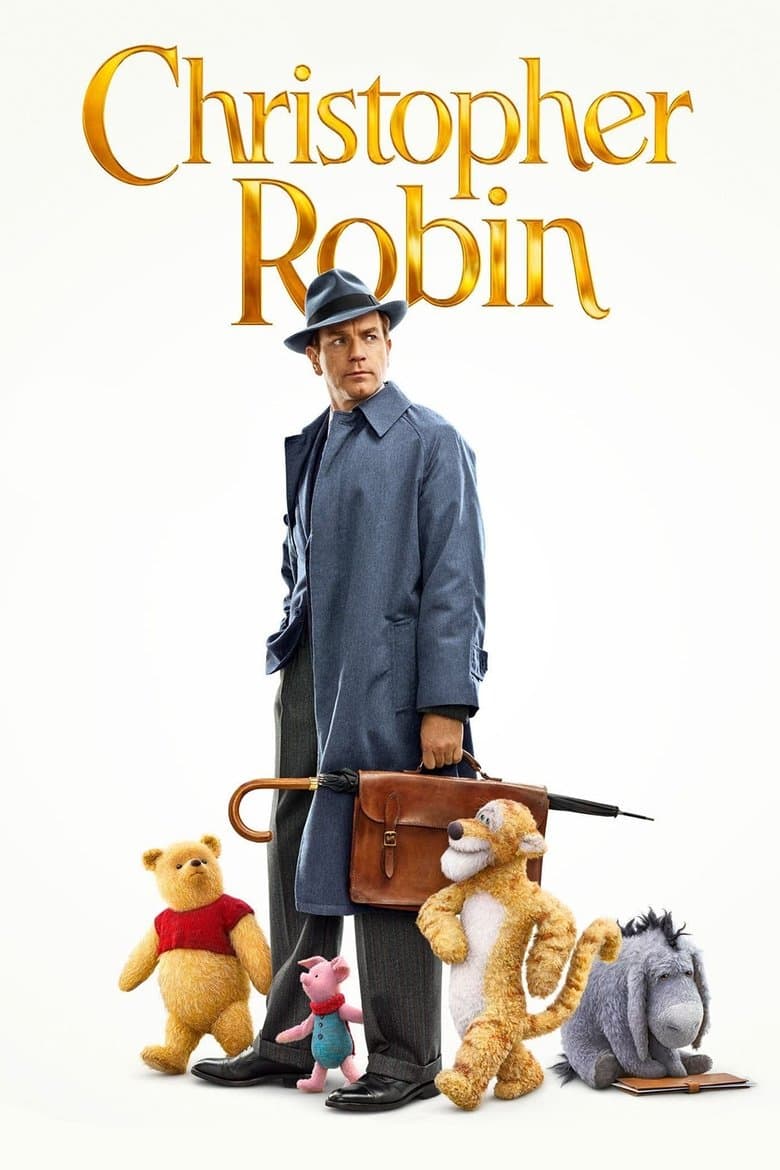
Movie · 2018
Christopher Robin, the boy who had countless adventures in the Hundred Acre Wood, has grown up and lost his way.
