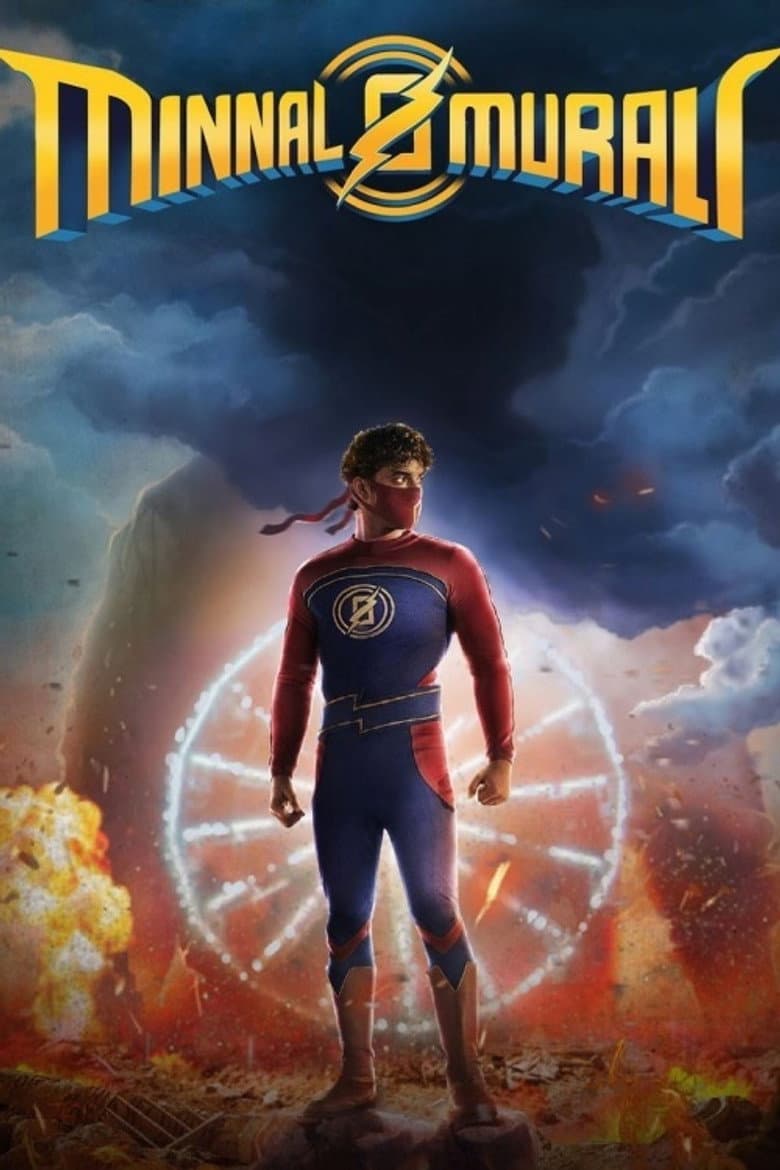
Minnal Murali follows Jaison, a young tailor in the 1990s Kerala village of Kurukkanmoola. He wants to leave for America, but a lightning strike gives him speed, strength, and other powers. The same bolt also hits Shibu, a lonely tea shop worker who turns his pain and anger into a threat against the village. Jaison must stop Shibu while he learns that being a hero means caring about other people instead of chasing his own dreams. The film mixes local jokes, romance, bright action, and sad turns.
The film gives clear space to Biji, a female karate teacher and travel agent who can fight on her own and helps save villagers during the final attack. Jaison’s sister faces an abusive husband, while Usha is pushed around by her brother and watched by men who want to control her life. The story also shows Shibu being mocked because of his mother, his Tamil background, and the village’s view of him as an outsider, then links that rejection to his violent choices. These ideas add some attention to gender, social status, and prejudice, but the main story stays a funny, emotional superhero adventure about two men who choose different paths.
Community feedback
Was our 22% Woke rating accurate?
Breakdown
These are the editorial factors and ratings behind our score for Minnal Murali.
Woke representation / casting
Biji is a visible supporting character who works as a travel agent and karate teacher. She fights Jaison and enters the burning climax to help save villagers without superpowers. The film also makes Shibu’s Tamil identity part of his outsider status. These are noticeable choices, but the movie does not build an identity-first cast or a wider diversity message.
15%
Woke political dialogue
Not present. The film has no repeated speeches or jokes that promote modern identity politics, DEI, or activist ideas. A police insult aimed at Jaison and references to Shibu as Tamil show local prejudice, but the movie does not turn them into a political campaign.
0%
Identity-driven story themes
Shibu is treated as an outsider because people mock his mother, his Tamil background, and his place in the village. The story shows a caste-linked insult, shame around mental illness, and public pressure on Usha after she leaves a marriage. Jaison’s sister also lives with an abusive husband, while Biji is shown as a woman who can fight and act without a man’s help. These ideas recur through the character stories, but they support the superhero and romance plots instead of becoming the movie’s main message.
32%
Western institutional / cultural critique
Not present. The film does not attack Western institutions, capitalism, Christianity, or family life through a modern activist message. Its abusive husband, harsh police behavior, and village prejudice are local story conflicts, not a broad Western institutional / cultural critique.
0%
Woke character or canon changes
Not relevant. This is an original Kerala superhero story, not a remake of a known comic character or a retelling of a real historical event. References to Superman and Batman do not change those characters.
0%
Anti-woke backlash and complaints
A small HinduPost article and a few X posters accused the film of Christian propaganda or subtle Hinduphobia. The claims stayed with small accounts and one narrow article, with no boycott, review-bomb, or wide news cycle. The separate X pass found several right-leaning viewers praising Minnal Murali as not woke, which is evidence against a high backlash score. The 2020 set vandalism was reported as a dispute over a church set near a temple, not as a complaint that the released film pushed woke politics.
8%
Creator track record context
Not present. The director, writers, and producers have no documented sustained record of activist, partisan, DEI, or identity-politics work in the available context. Their public comments about this film focus on local culture, craft, practical effects, and reaching audiences.
0%
Production

Movie · 2023
A rich man learns about a guru who can see without using his eyes. He sets out to master the skill in order to cheat at gambling.
Movie · 2023
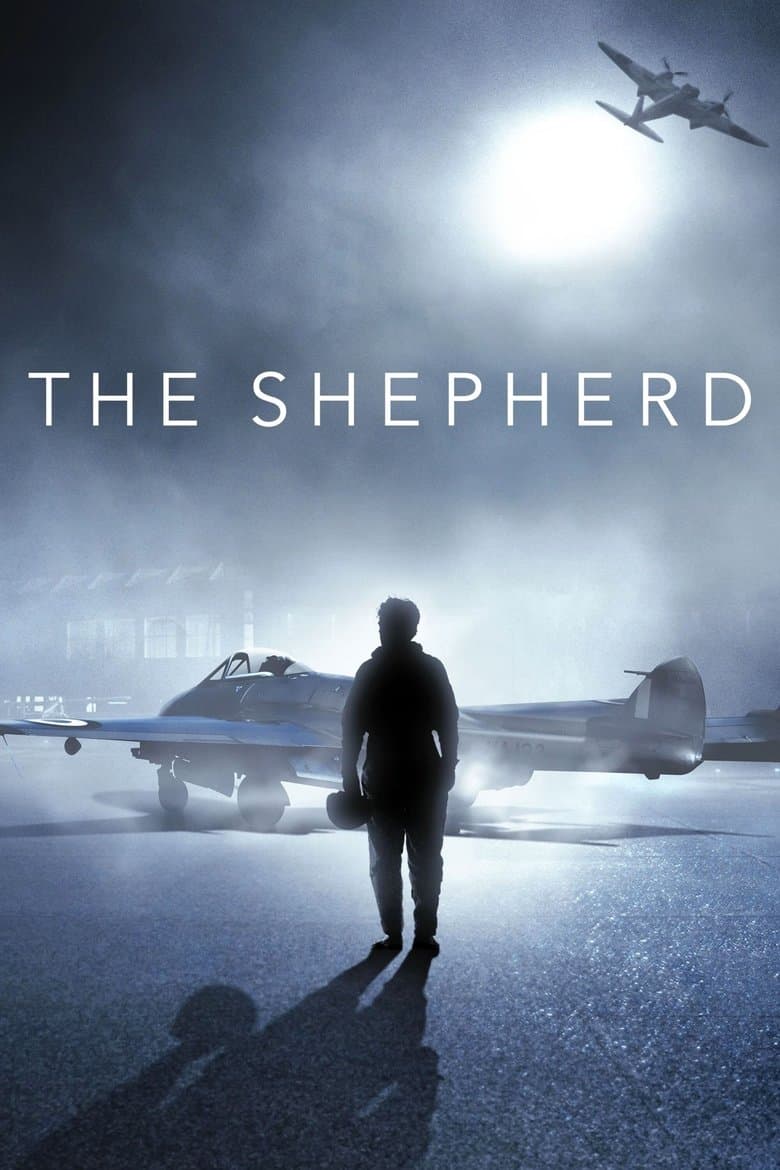
On Christmas Eve, a fighter pilot on his way home becomes lost while flying over water and needs a miracle to land safely.

Movie · 2017
A continuation of the documentary spoof of what Thor and his roommate Darryl were up to during the events of "Captain America: Civil War".

Movie · 2018
Siblings Kate and Teddy try to prove Santa Claus is real, but when they accidentally cause his sleigh to crash, they have to save Christmas.

Movie · 2016
After a mysterious chest opens a gateway through time, teen gamer Jack is transported to an ancient empire terrorized by a cruel barbarian king.

Movie · 2025
When a young girl’s sketchbook falls into a strange pond, her drawings come to life—chaotic, real, and on the loose.
Movie · 2022
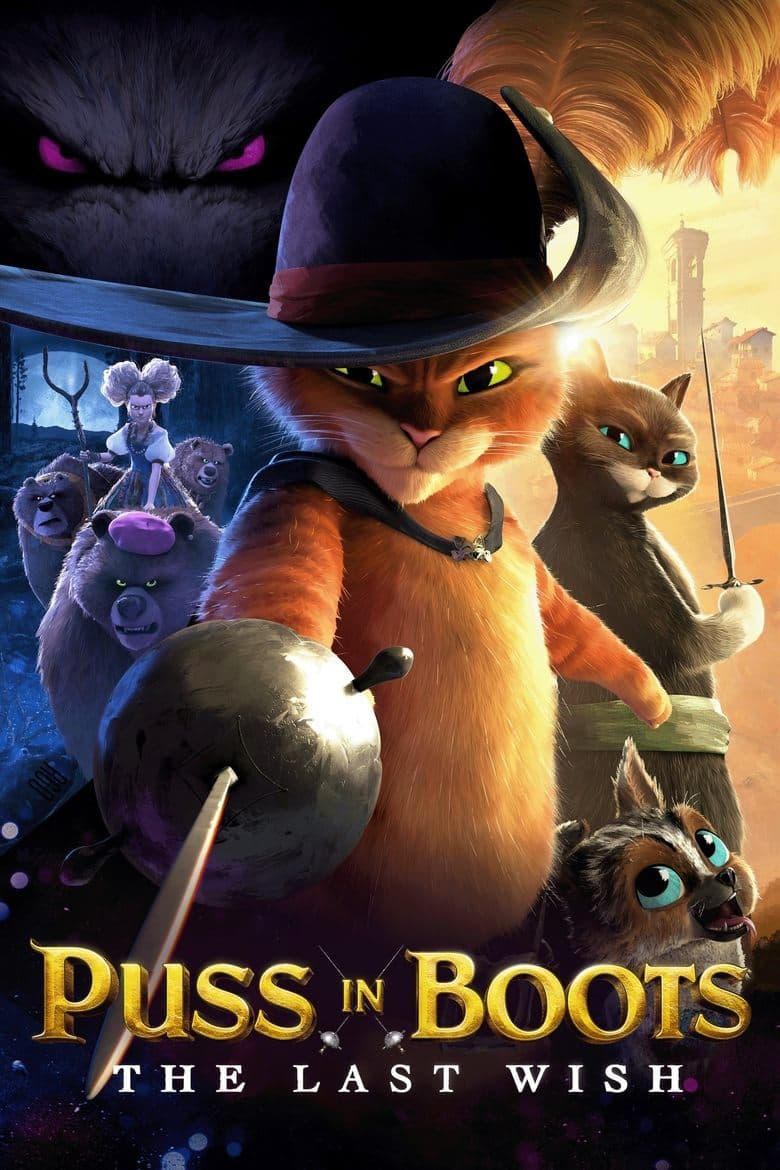
Puss in Boots discovers that his passion for adventure has taken its toll: He has burned through eight of his nine lives, leaving him with only one life left.
Movie · 2024
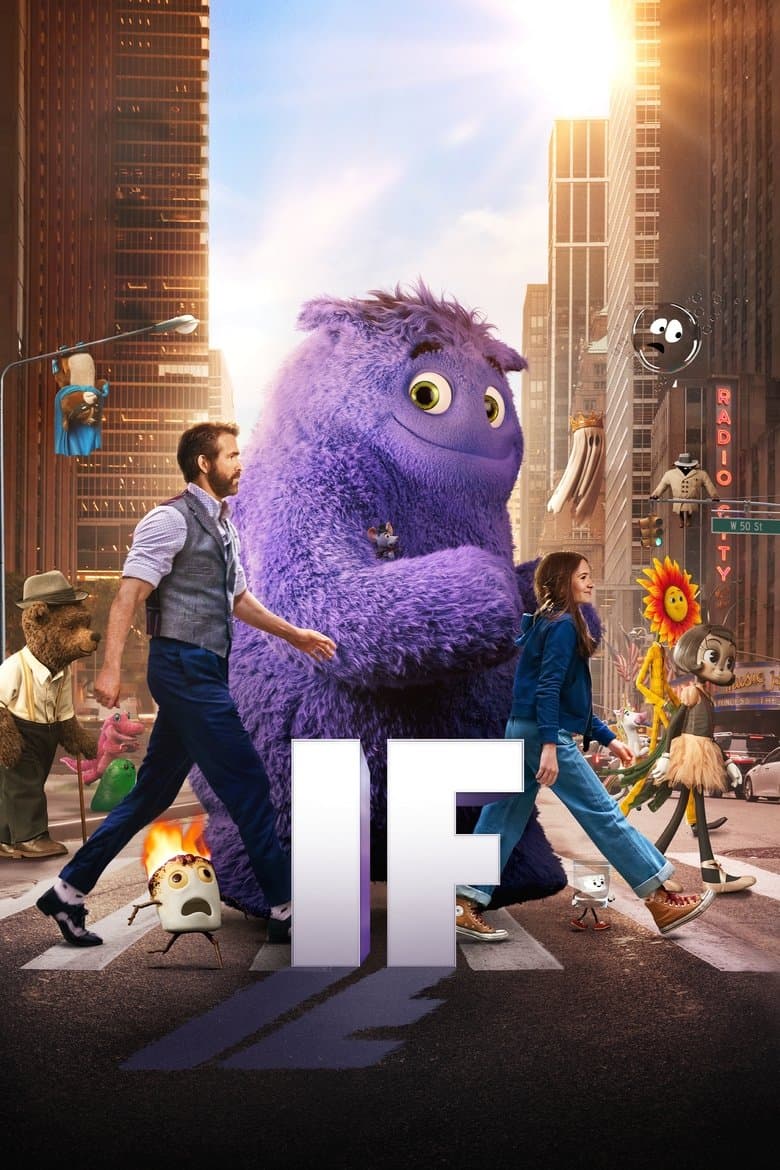
After discovering she can see everyone's imaginary friends, a girl embarks on a magical adventure to reconnect forgotten imaginary friends with their kids.
