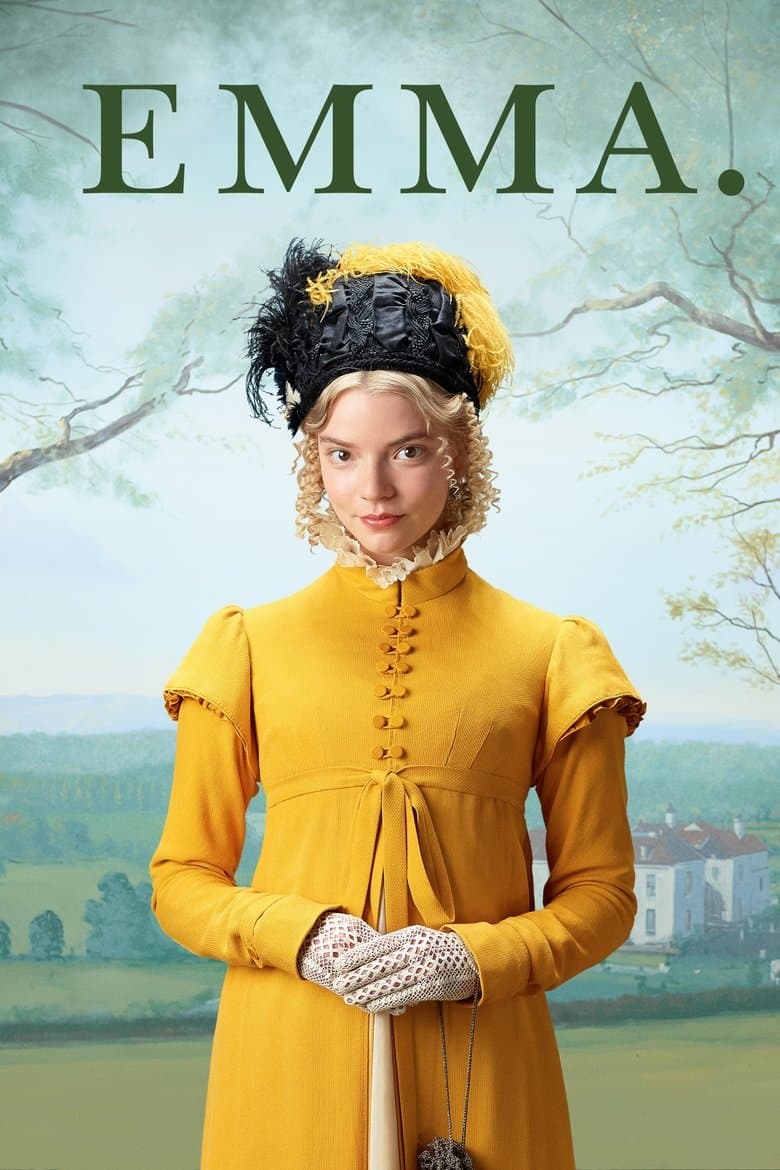
Emma Woodhouse is a rich, clever young woman in early 1800s England who loves to fix other people’s love lives. She lives with her nervous father and treats matchmaking like a game. Her plans backfire when she steers her shy friend Harriet away from a good farmer and toward the wrong men. The story is a bright, funny romance about pride, friendship, and learning to see people clearly.
The movie stays close to Jane Austen’s classic plot and tone. What stands out most for modern viewers is how strongly it treats Emma and Harriet’s friendship like a second love story next to Emma’s romance with Mr. Knightley. The creative team also let Emma stay snobby and wrong for a long time, then grow up by owning her mistakes. There is mild modern polish on class manners and on making Knightley a more equal romantic match, but the film does not push race politics, identity lectures, or activist slogans. Most viewers will mainly see a colorful costume comedy about a meddling girl who finally grows up.
Community feedback
Was our 15% Woke rating accurate?
Breakdown
These are the editorial factors and ratings behind our score for Emma..
Woke representation / casting
Not present in this title.
0%
Woke political dialogue
Not present in this title.
0%
Identity-driven story themes
The film gives Emma and Harriet’s friendship heavy emotional weight and treats it almost like a second love story beside the man-woman romance. Creators and marketing also sold Emma as an imperfect modern female lead who is allowed to be wrong and still grow. Some outlets read queer friendship subtext, but the movie itself keeps both women marrying men. A normal viewer notices a stronger girl-friend focus more than any identity lecture.
18%
Western institutional / cultural critique
The movie slightly heightens servants watching the rich and softens the old power gap between Emma and the older Knightley for a more equal romance. A long Knightley dressing scene also flips the usual period-movie body focus. These are light modern tweaks to class manners and gender power, not a hard attack on Western life or faith.
12%
Woke character or canon changes
Not present in this title.
0%
Anti-woke backlash and complaints
Not present in this title.
0%
Creator track record context
The director’s public record is craft-focused with little activist branding. The screenwriter has a clearer progressive left profile from other work and public comments. Austen is classic and non-political by modern standards. Producers mostly sit in the low-to-mild range. Together this is mild progressive industry context, not a hard identity-driven team.
15%
Production

Movie · 2020
Longtime friends and local radio hosts Maggie and Jack fake it as a couple for their families and listeners in hopes of getting their show syndicated.
Movie · 2026
After Matt's dreams of a picturesque Italian wedding are shattered when his fiancée leaves him at the altar, he embarks on his planned honeymoon across Italy alone, immersing…
Movie · 2024
When a young widow's magic scarf brings a dashing snowman to life, can he help her rediscover romance, laughter and holiday cheer before he melts away?
Movie · 2016
Pop superstar Jordan Jaye has a big dream he just wants to live like a regular teenager. When he's chased down by some excited female fans, he finds a perfect hideout and a…
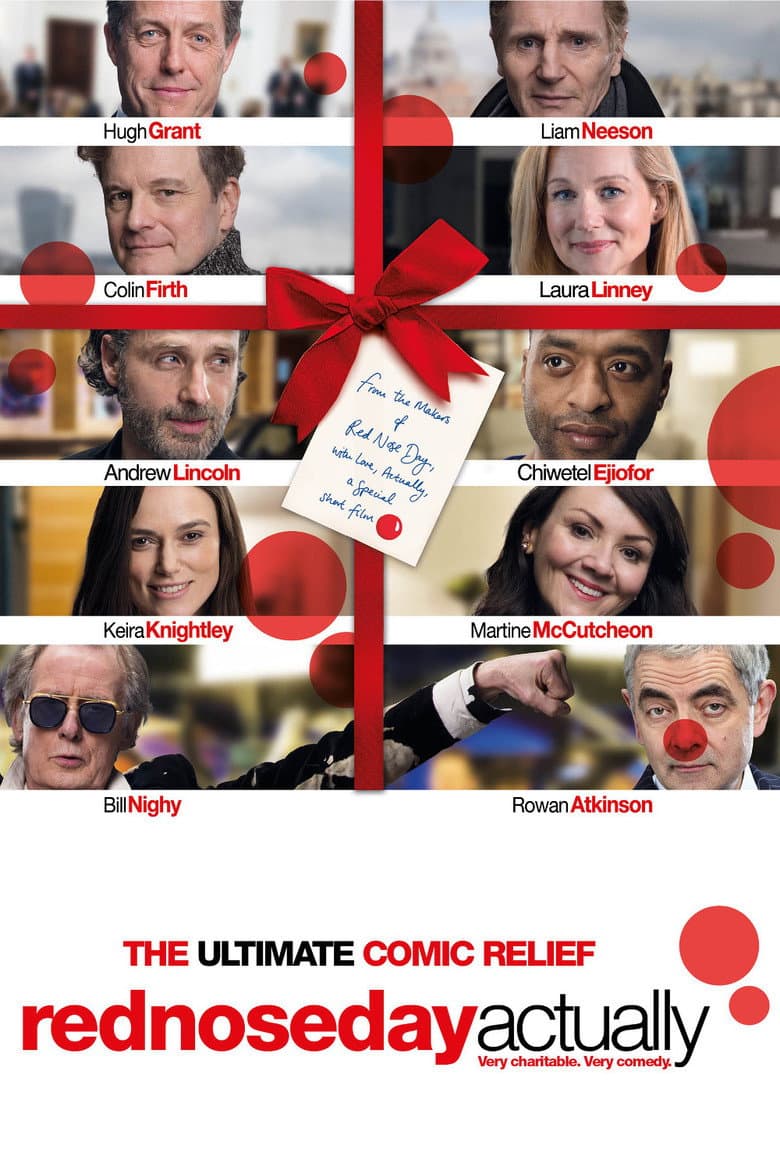
Movie · 2017
Fourteen years after the events of the original film, a series of encounters between people in Britain reminds us that in these different times Love, actually exists.
Movie · 2017
To inherit her father's company, socialite Ellen must first visit his small hometown, where she learns the value of hard work and helping others.

Movie · 2016
Set against the backdrop of a beautiful garden in the heart of London, this contemporary fairy tale revolves around the unlikely friendship between a reclusive young woman and a…
Movie · 2024
Maddie's dream guy is days away from marrying her best friend when a wish for true love made on an ancient stone in Ireland magically alters her fate.
