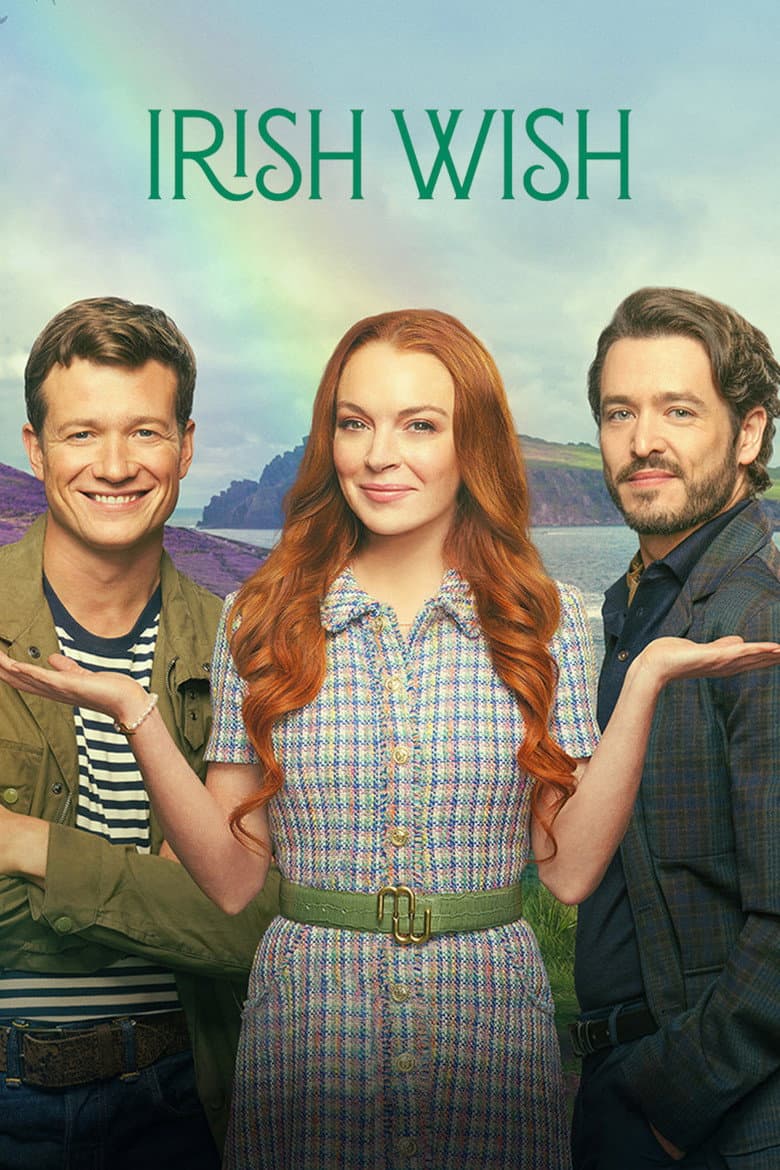
Maddie Kelly is a book editor who secretly loves her boss and author, Paul Kennedy. Paul chooses Maddie’s close friend Emma, so Maddie travels from America to Ireland for their wedding. After Maddie makes a wish at a stone chair linked to Saint Brigid, she wakes up in a new life as Paul’s bride. The magic forces her to compare the grand wedding she wanted with the quieter love she finds with James, an English photographer. The film uses green countryside, castles, pubs, storms, and mistaken meetings for a light and glossy romantic comedy.
The film’s clearest identity signal is its small circle of close women friends, which includes a black woman and an Asian woman in visible supporting roles. The story treats both women as ordinary friends while Maddie handles jealousy, work, and love. Maddie’s path has a mild self-choice message because she stops a wedding, admits the truth, and decides to write her own life. The main lesson is that a perfect-looking wish can hide the wrong future, while honest love and personal choice lead Maddie toward James.
Community feedback
Was our 10% Woke rating accurate?
Breakdown
These are the editorial factors and ratings behind our score for Irish Wish.
Woke representation / casting
The film gives Maddie a black best friend and an Asian best friend in the main friend group. These are important side roles, so the identity mix is easy to notice. The story treats both women as ordinary friends and does not turn their identities into a lesson. The modern American setting makes the casting believable, so the signal stays low.
15%
Woke political dialogue
Not present. The dialogue deals with love, work, magic, weddings, and personal choices. No character gives a political or activist speech.
0%
Identity-driven story themes
Not present. The story centers on a love triangle and a magical alternate life. Maddie learns that her first choice is not her best choice, then tells the truth and chooses her own path. Race, sexuality, and group identity do not drive the story.
0%
Western institutional / cultural critique
Not present. The film shows Paul taking credit for work that Maddie helped create, but it treats him as a selfish person in a romance plot. It does not attack men, marriage, family, religion, or a Western institution as a system. Saint Brigid and the priest serve the fantasy and wedding plot.
0%
Woke character or canon changes
Not relevant. The film is an original romantic comedy and does not adapt a known movie or series. Its use of Saint Brigid is part of the fantasy plot, not a woke change to an established story.
0%
Anti-woke backlash and complaints
Not present. Public criticism centered on weak writing, accents, and Hollywood’s picture of Ireland. No meaningful complaint said that the film pushed woke, DEI, or identity politics.
0%
Creator track record context
The cached record for the director and writer is mostly non-political. Lindsay Lohan has a public link to LGBTQ visibility, but her activism has been uneven. Donna Eperon has made socially aware films and judged diversity awards. Galen Fletcher has a gender-flip mockumentary credit, but no clear personal activism was found. This is mild background context and does not match a woke story here.
10%
Production

Movie · 2019
Kat is an aspiring singer-songwriter who dreams of making it big. However, her dreams are stalled by her reality: a conniving and cruel stepfamily and a demoralizing job working…
Movie · 2023
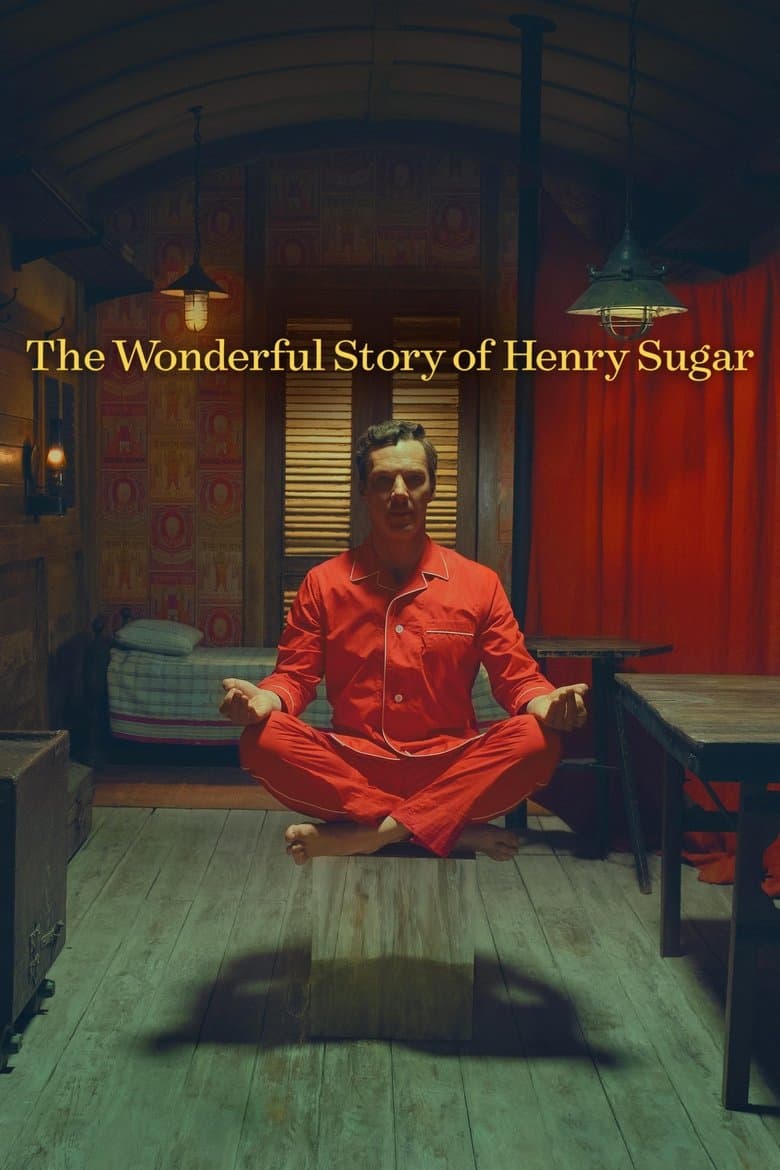
A rich man learns about a guru who can see without using his eyes. He sets out to master the skill in order to cheat at gambling.

Movie · 2024
When a young widow's magic scarf brings a dashing snowman to life, can he help her rediscover romance, laughter and holiday cheer before he melts away?
Movie · 2026
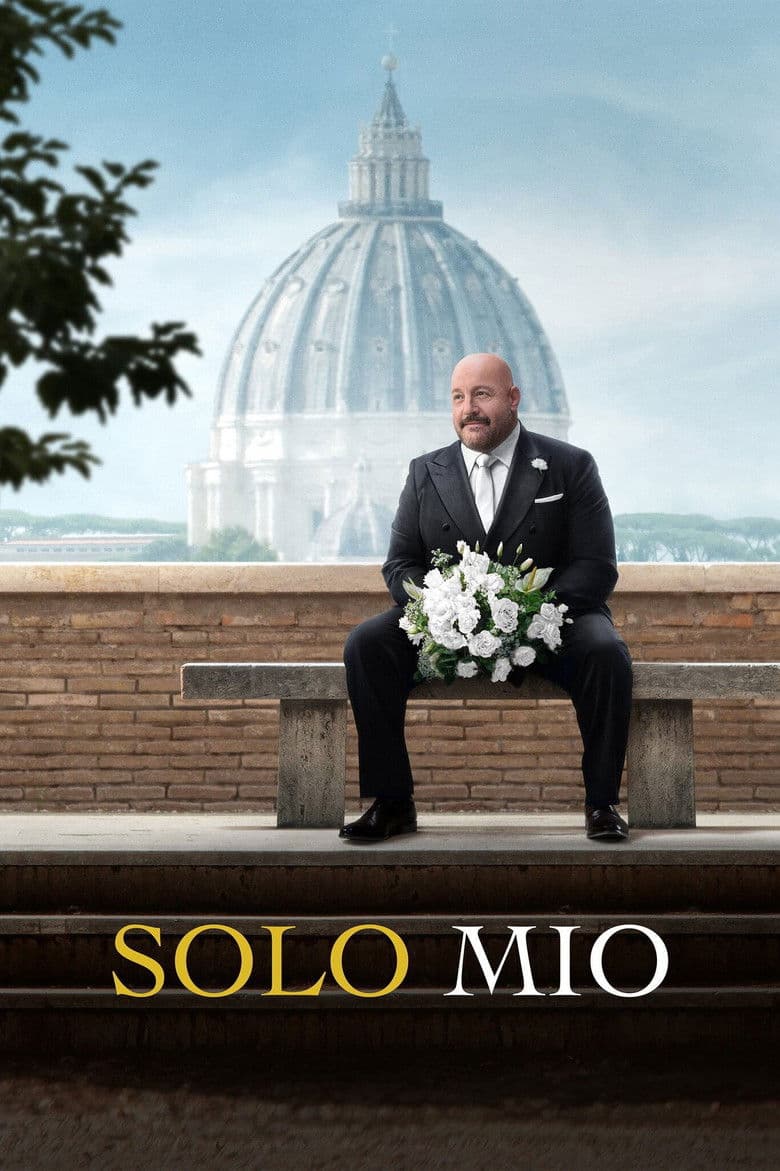
After Matt's dreams of a picturesque Italian wedding are shattered when his fiancée leaves him at the altar, he embarks on his planned honeymoon across Italy alone, immersing…
Movie · 2020
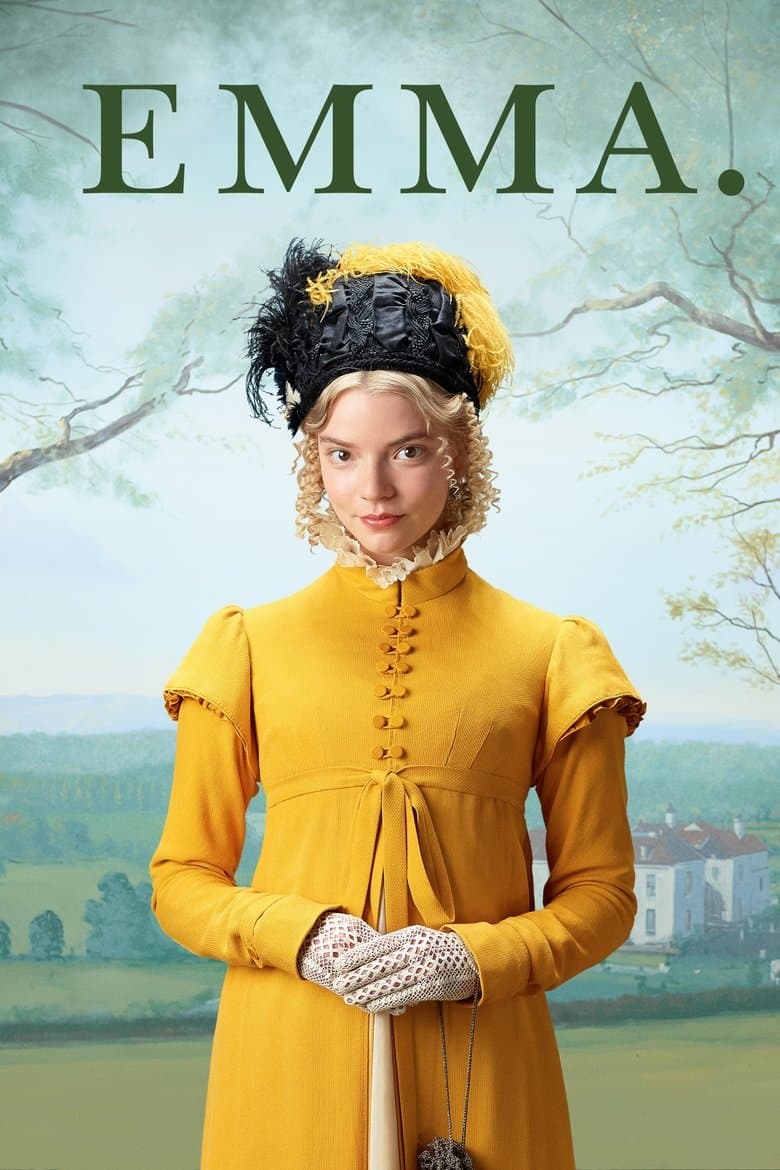
In 1800s England, a well-meaning but selfish young woman meddles in the love lives of her friends.

Movie · 2017
A continuation of the documentary spoof of what Thor and his roommate Darryl were up to during the events of "Captain America: Civil War".
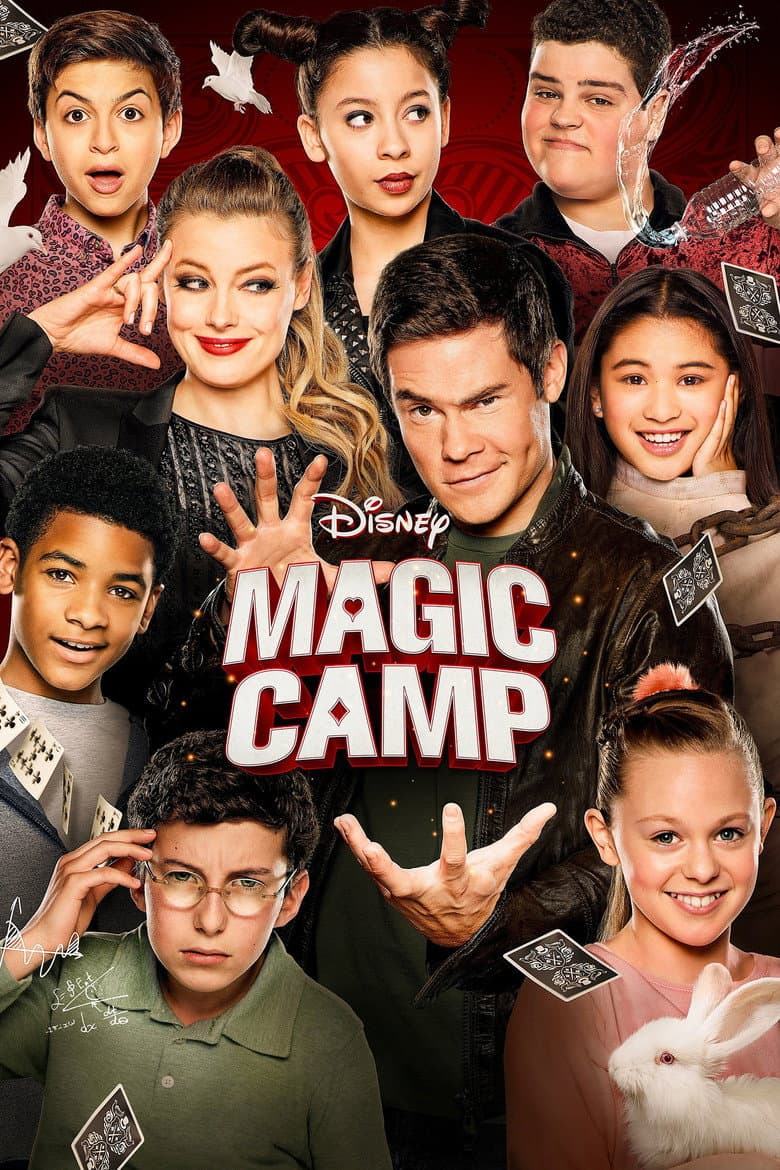
Movie · 2020
Andy, at the urging of his former mentor and Magic Camp owner Roy Preston, returns to the camp of his youth hoping to reignite his career.

Movie · 2020
Longtime friends and local radio hosts Maggie and Jack fake it as a couple for their families and listeners in hopes of getting their show syndicated.
