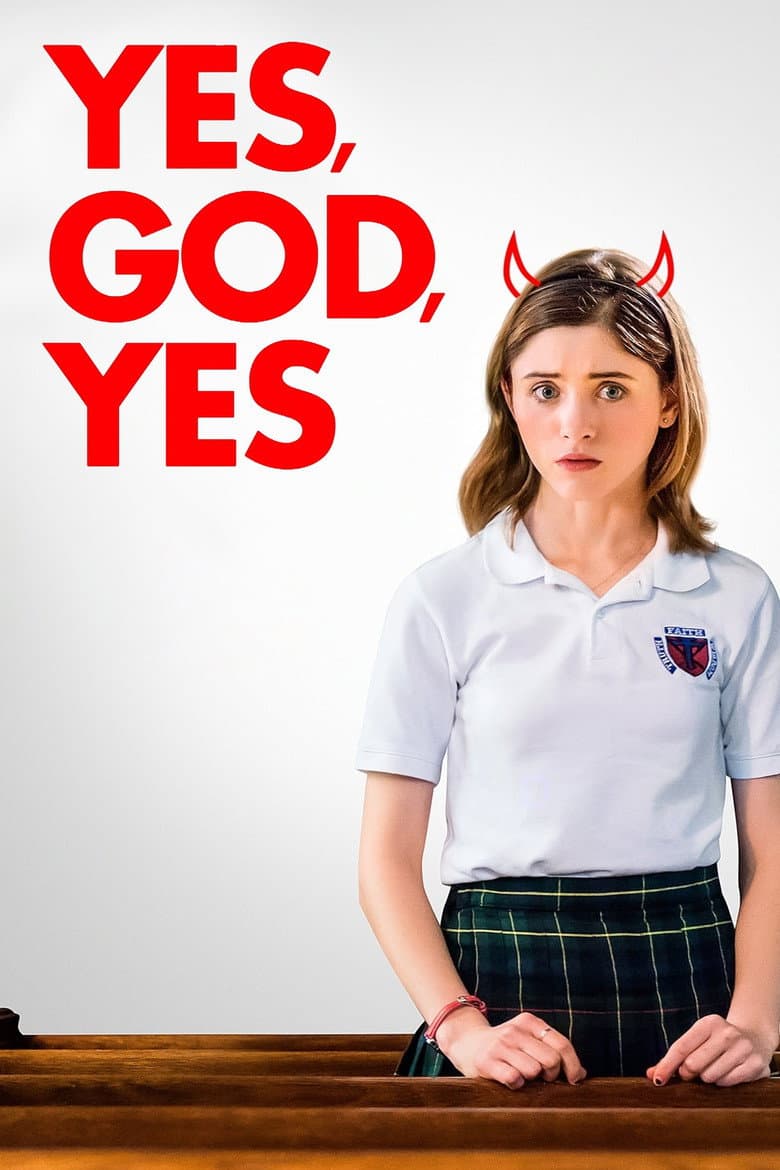
Alice is a quiet, curious Catholic high school student in the American Midwest in the fall of 2000. After a sexual AOL chat and a false rumor about a classmate, she feels afraid that normal desire has made her sinful. She joins a church retreat to repair her reputation and get closer to God, but the retreat brings more questions, a crush, and several shocks about the adults and students around her. The movie uses awkward jokes and uncomfortable moments to tell a gentle coming-of-age story.
The movie makes female sexual pleasure and self-discovery its main subject. Alice learns that masturbation and attraction are treated as shameful by her school, while several people who preach purity hide their own sexual behavior. The story treats Alice’s desires as normal and shows girls facing harsher judgment than boys. It also presents the Catholic school, its retreat, and its rules as forces that control bodies and create guilt, while a brief scene with an openly lesbian bar owner offers Alice a kinder view of sex and faith.
Community feedback
Was our 65% Woke rating accurate?
Breakdown
These are the editorial factors and ratings behind our score for Yes, God, Yes.
Woke representation / casting
Not present. The film does not make casting or diversity part of its story. No prominent role is presented as a diversity message.
0%
Woke political dialogue
Not present. The movie includes religious lessons about sex, sin, and marriage. It does not turn those talks into modern party politics or activist slogans.
0%
Identity-driven story themes
Alice’s sexual awakening and masturbation are the movie’s central subject. The film treats female sexual pleasure as natural and urges Alice to stop seeing her body as sinful. The story shows girls being shamed for sexual behavior while boys are treated more lightly. Alice’s movement toward self-acceptance gives these ideas a major role from start to finish.
75%
Western institutional / cultural critique
The Catholic school and retreat repeatedly teach that sex and masturbation bring guilt and hell. The story presents church leaders and students as hypocritical because they preach purity while hiding sexual acts. The school also polices girls’ clothing and shames their reputations more harshly than boys. The ending treats Alice’s private choice as healthier than following the retreat’s punishment.
65%
Woke character or canon changes
Not relevant. The film is an original story about Alice and her classmates. It does not change an established character, canon, or real historical figure.
0%
Anti-woke backlash and complaints
Not present. No clear anti-woke backlash appears in the reviewed coverage. The X pass found no anti-woke complaints, boycotts, or review-bombing, and web reactions mainly showed religious disagreement or ordinary film talk.
0%
Creator track record context
Karen Maine has a cached creator score of 57/100. Her earlier work includes Obvious Child, which centers abortion without regret. She wrote and directed this film around a girl's sexual autonomy and criticism of religious shame. Her past work matches the film’s main message.
57%
Production
Movie · 2024
In 2008, during the last month of summer before high school begins, an impressionable 13-year-old Taiwanese American boy learns what his family can't teach him: how to skate, how…
Movie · 2023
Allison's life falls apart following her involvement in a fatal accident. The unlikely relationship she forms with her would-be father-in-law helps her live a life worth living.
Movie · 2022
Two lifelong friends find themselves at an impasse when one abruptly ends their relationship, with alarming consequences for both of them.
Movie · 2019
The story of Mötley Crüe and their rise from the Sunset Strip club scene of the early 1980s to superstardom.
Movie · 2018
In 1990s Los Angeles, a 13-year-old spends his summer navigating between a troubled home life and a crew of new friends he meets at a skate shop.
Movie · 2018
Vignettes weaving together the stories of six individuals in the old West at the end of the Civil War. Following the tales of a sharp-shooting songster, a wannabe bank robber, two…
Movie · 2023
A curmudgeonly instructor at a New England prep school is forced to remain on campus during Christmas break to babysit the handful of students with nowhere to go.
Movie · 2018
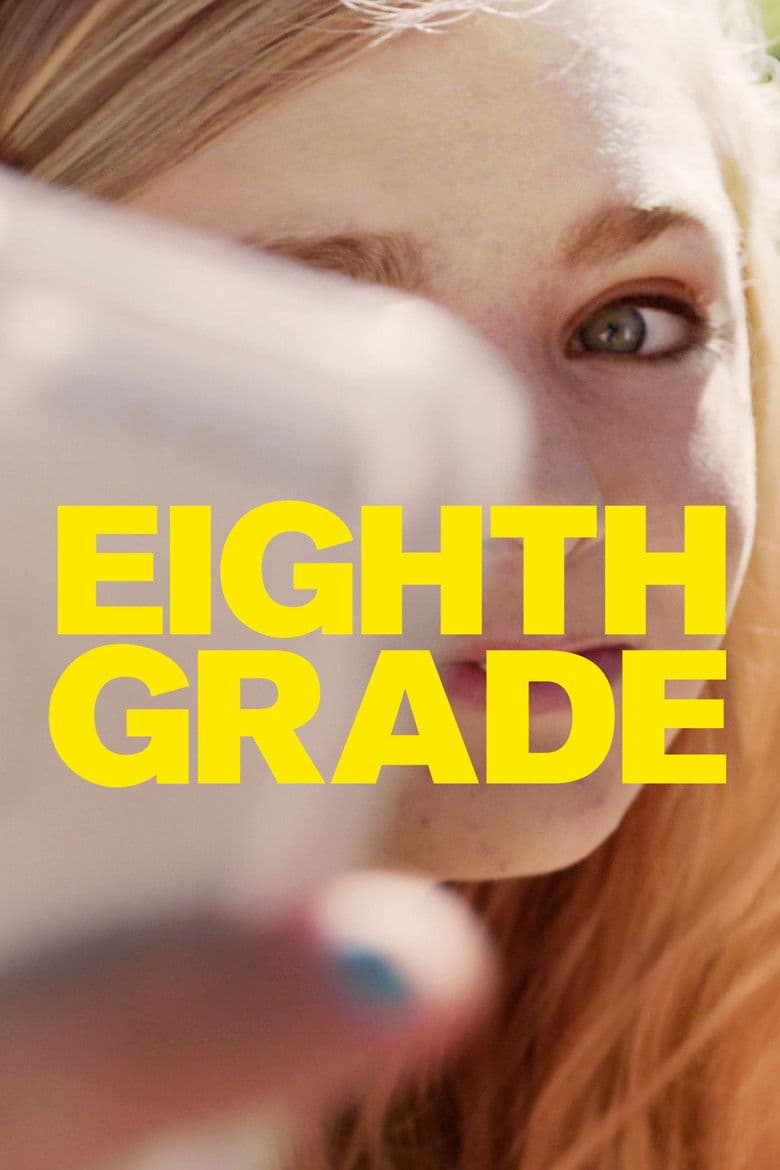
Thirteen-year-old Kayla endures the tidal wave of contemporary suburban adolescence as she makes her way through the last week of middle school — the end of her thus far…
