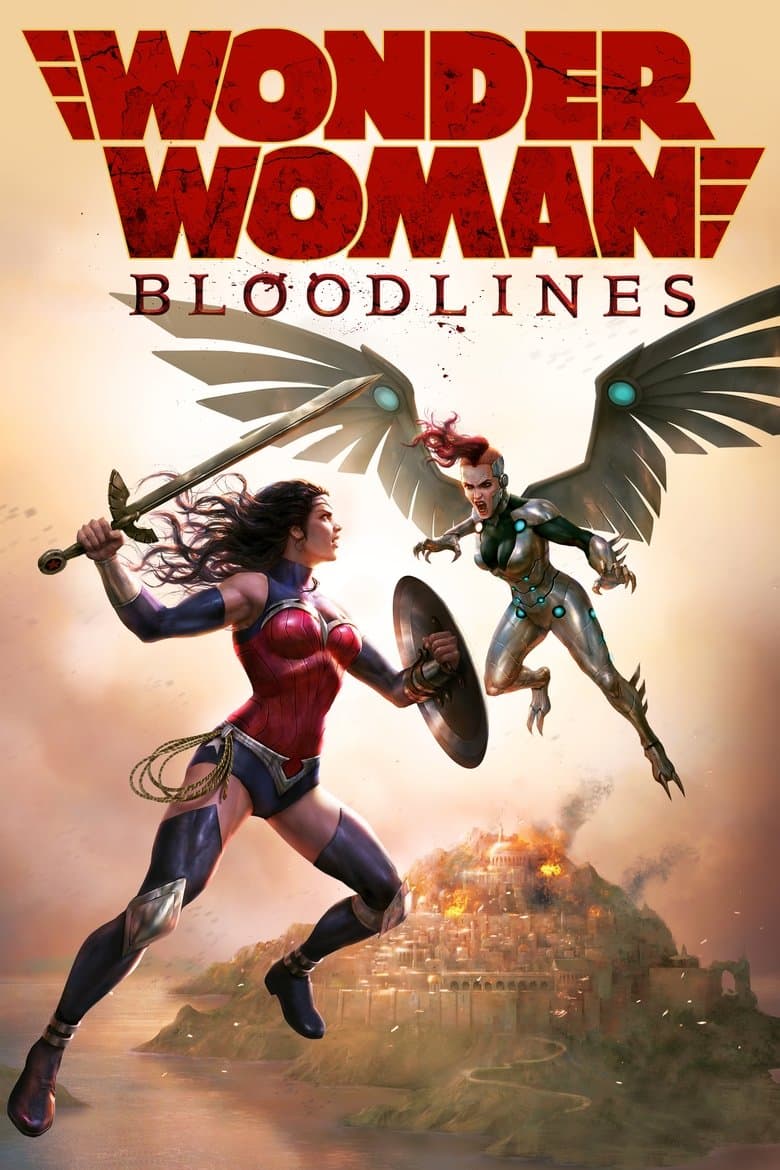
Wonder Woman: Bloodlines follows Diana, an Amazon princess who leaves the hidden island of Themyscira to protect the human world. Five years later, she returns home when Vanessa Kapatelis becomes the weapon called Silver Swan. Diana must save Vanessa while stopping Doctor Poison, Doctor Cyber, and their attack on the Amazons. The movie mixes bright comic-book action, Greek myths, family hurt, and a serious rescue story.
The movie puts women in nearly every major heroic, scientific, royal, and villain role. Diana, Hippolyta, Julia, Vanessa, Etta, Veronica Cale, and the female villains drive most of the story, while Steve Trevor mainly supports Diana. Etta is shown as attracted to women, and she jokes about finding a thick Amazon, but this stays a small side detail. The main message praises female strength, friendship, choice, and compassion, while the central conflict remains a superhero fight and a damaged mother-daughter bond.
Community feedback
Was our 63% Woke rating accurate?
Breakdown
These are the editorial factors and ratings behind our score for Wonder Woman: Bloodlines.
Woke representation / casting
The film gives Diana, Hippolyta, Julia, Vanessa, Etta, Veronica Cale, and nearly every villain major roles. The only main male ally is Steve Trevor, who supports Diana while women lead the science, politics, fights, and crime. The female-heavy cast fits Themyscira and Wonder Woman’s comic world, so it is not a setting mismatch. Rosario Dawson and release coverage also framed the film as female-centered and tied it to better representation. This makes the representation pattern clear without making it the only subject.
42%
Woke political dialogue
Etta makes a brief joke about hoping to meet an Amazon who likes women, and the ending shows her with two Amazons. Diana also challenges her mother’s ban on men and says people outside the island need help. These lines give the movie a small gender and queer identity signal, but the film does not repeat modern political speeches.
24%
Identity-driven story themes
Women drive the film’s hero, family, science, leadership, and villain roles. Diana leaves an all-female island, becomes the strongest fighter, and leads the rescue of Vanessa. Hippolyta, Julia, Etta, Cale, Poison, Cyber, and Silver Swan also shape the main events, while Steve stays a capable but supporting ally. Etta’s attraction to women adds a clear queer identity detail, although it is not the main conflict. The story strongly centers female strength and relationships, but it remains a fantasy action plot rather than a full activist lesson.
58%
Western institutional / cultural critique
Not present. The movie does not attack modern Western institutions, Christianity, family life, or ordinary male and female relationships. Veronica Cale’s greed is a normal villain motive, and the Amazons’ conflict with man’s world belongs to the fantasy setting.
0%
Woke character or canon changes
The film presents Etta Candy as a black lesbian, unlike older versions that showed her as a white friend and, in some eras, Steve Trevor’s love interest. DC’s character history confirms that Etta’s marriage to Steve was later undone and her feelings were redirected toward women. The film also moves Diana’s origin to the modern day, but that is a time-setting change rather than an identity change. Etta’s race and sexuality are clear changes in an established character, but she remains a supporting player.
45%
Anti-woke backlash and complaints
A Google Play user review called the film “Woke culture” and had 67 helpful votes. A Letterboxd review called Etta’s race and lesbian identity “woke and cringe” and objected to race changes. StudioJake Media said the writers changed Etta to look politically correct, and a Geekiary comment called the mix forced inclusion. These complaints are scattered and mostly come from user reviews or small sites, while the X pass found no anti-woke reaction.
28%
Creator track record context
The stored creator context gives Marston 30, Rucka 39, and Scott 48. Marston built Wonder Woman around early feminist ideas, while Rucka stressed strong female heroism and queer themes. Scott has a stronger record of supporting female representation and diversity. The directors, casting director, and most producers have lower stored scores and limited activist records, so the context supports the film’s choices without dominating them.
28%
Production
Movie · 2016
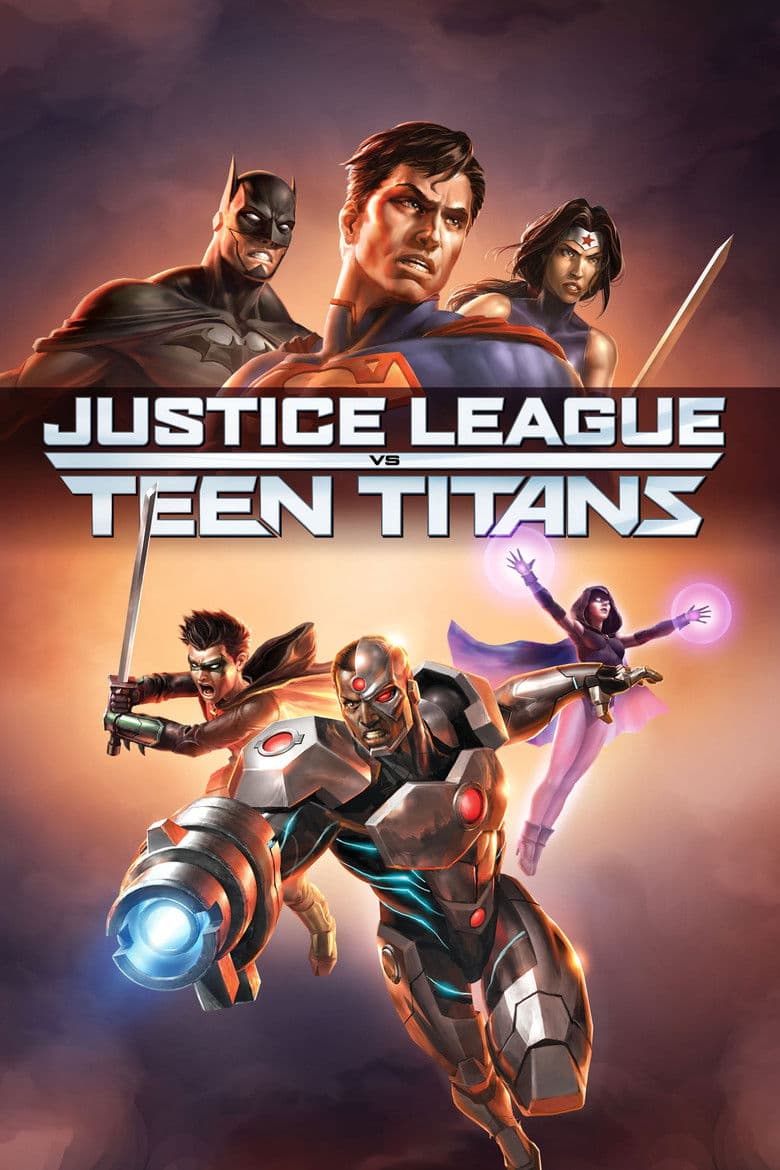
Robin is sent by Batman to work with the Teen Titans after his volatile behavior botches up a Justice League mission.
Movie · 2022
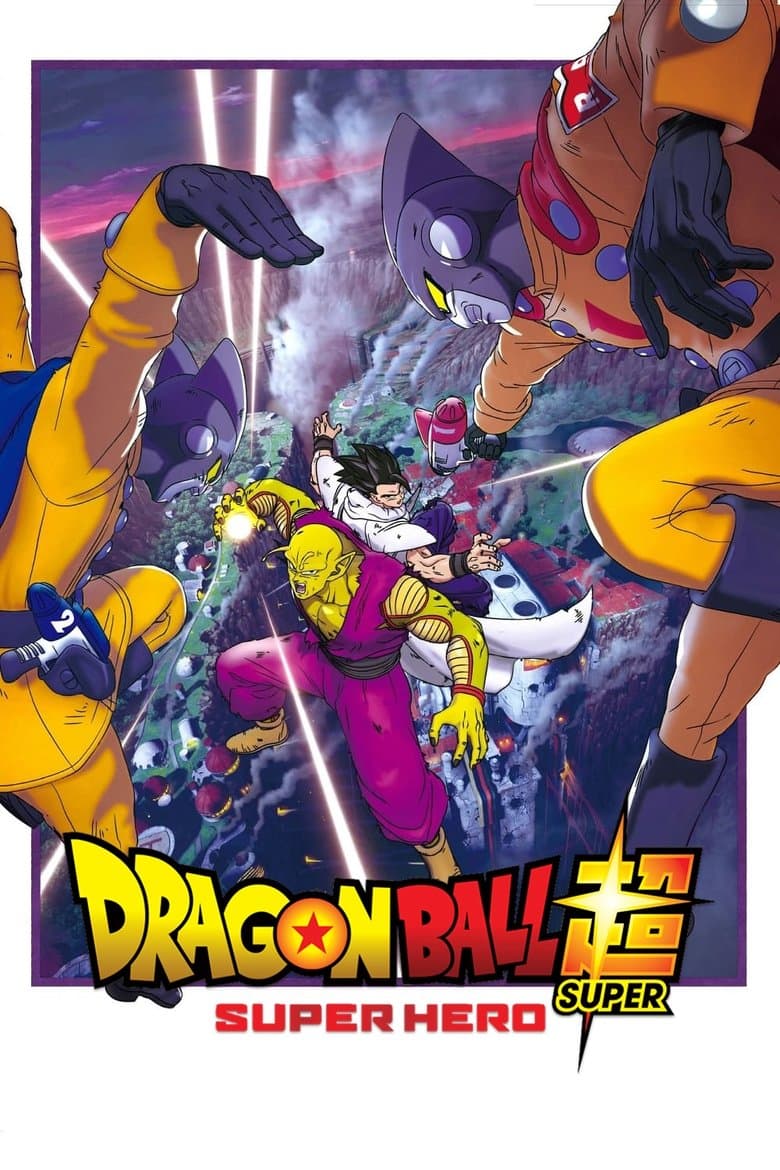
The Red Ribbon Army, an evil organization that was once destroyed by Goku in the past, has been reformed by a group of people who have created new and mightier Androids, Gamma 1…
Movie · 2018
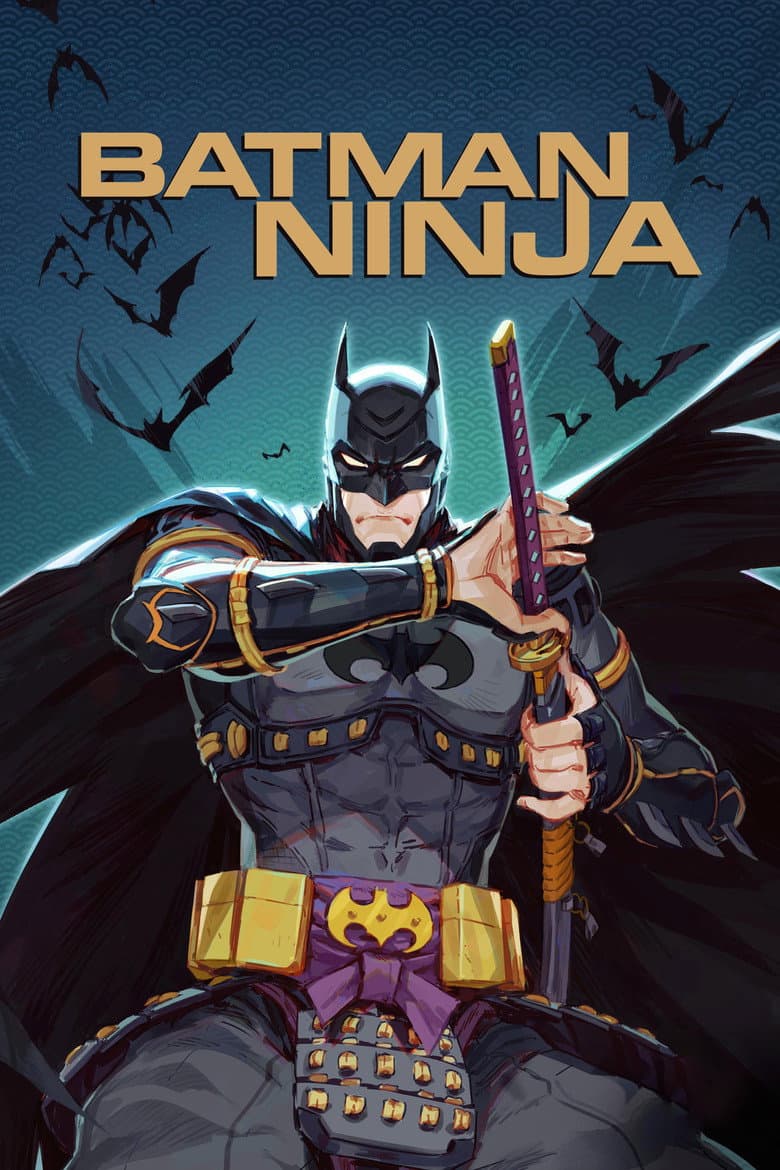
Batman, along with many of his allies and adversaries, finds himself transported to feudal Japan by Gorilla Grodd's time displacement machine.
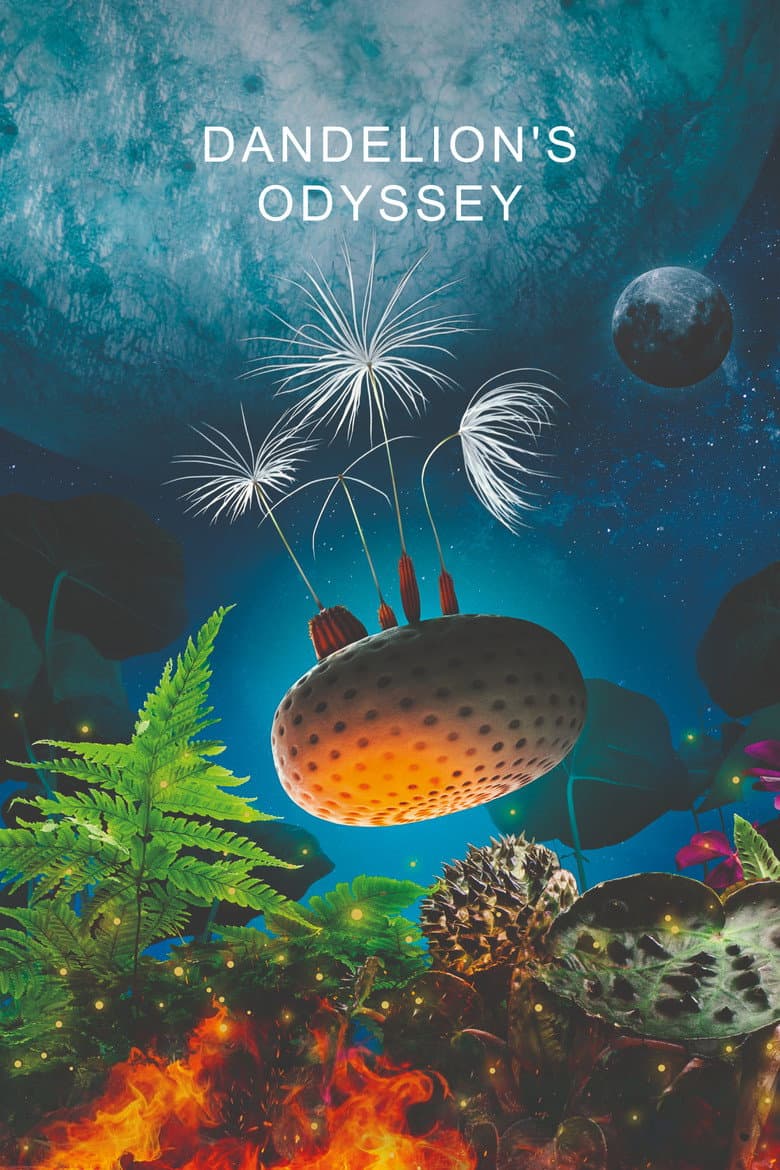
Movie · 2026
Two dandelion balls are the only survivors of a series of nuclear explosions that are destroying the Earth. At the end of their odyssey, they will find a new soil for the survival…
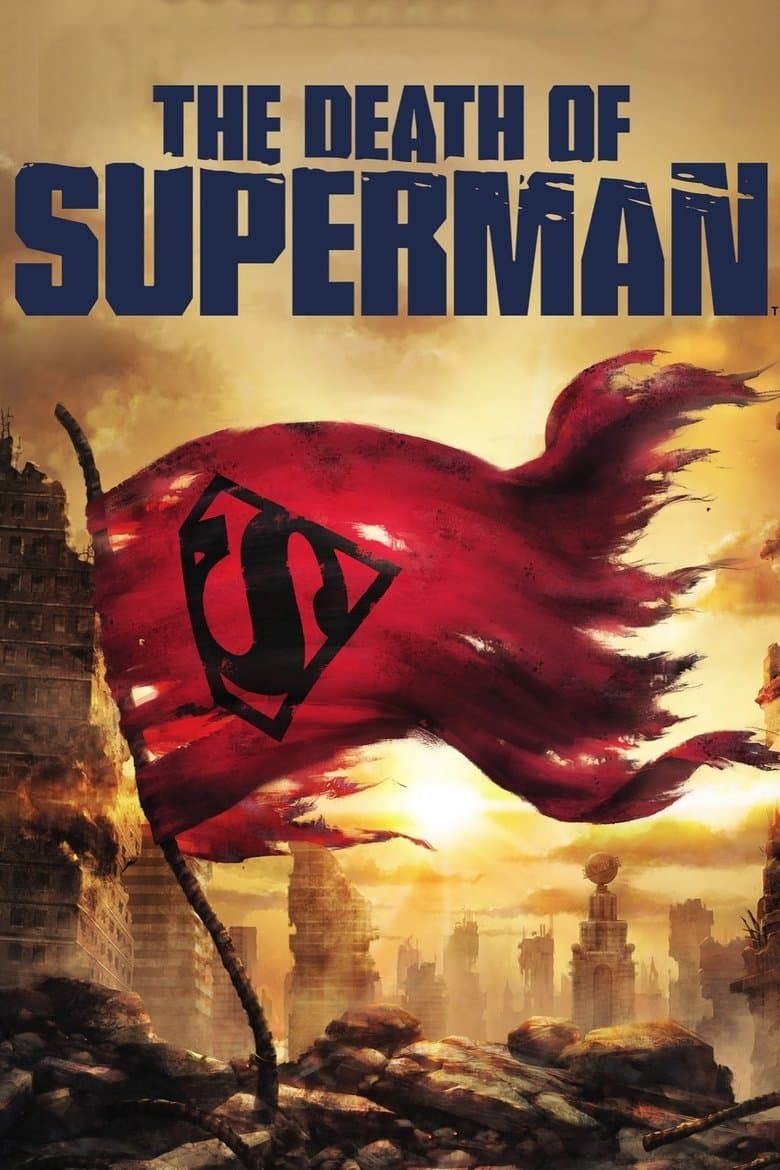
Movie · 2019
When a hulking monster arrives on Earth and begins a mindless rampage, the Justice League is quickly called in to stop it.
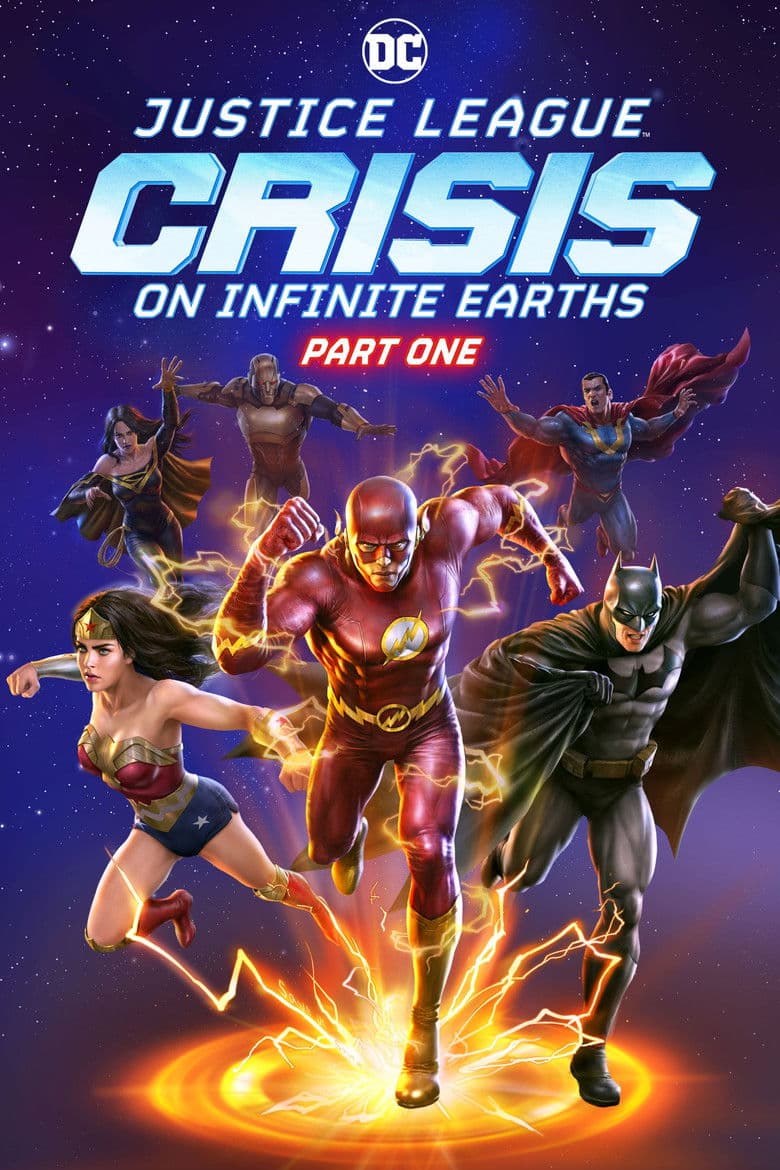
Movie · 2024
Death is coming. Worse than death: oblivion. Not just for our Earth, but for everyone, everywhere, in every universe!
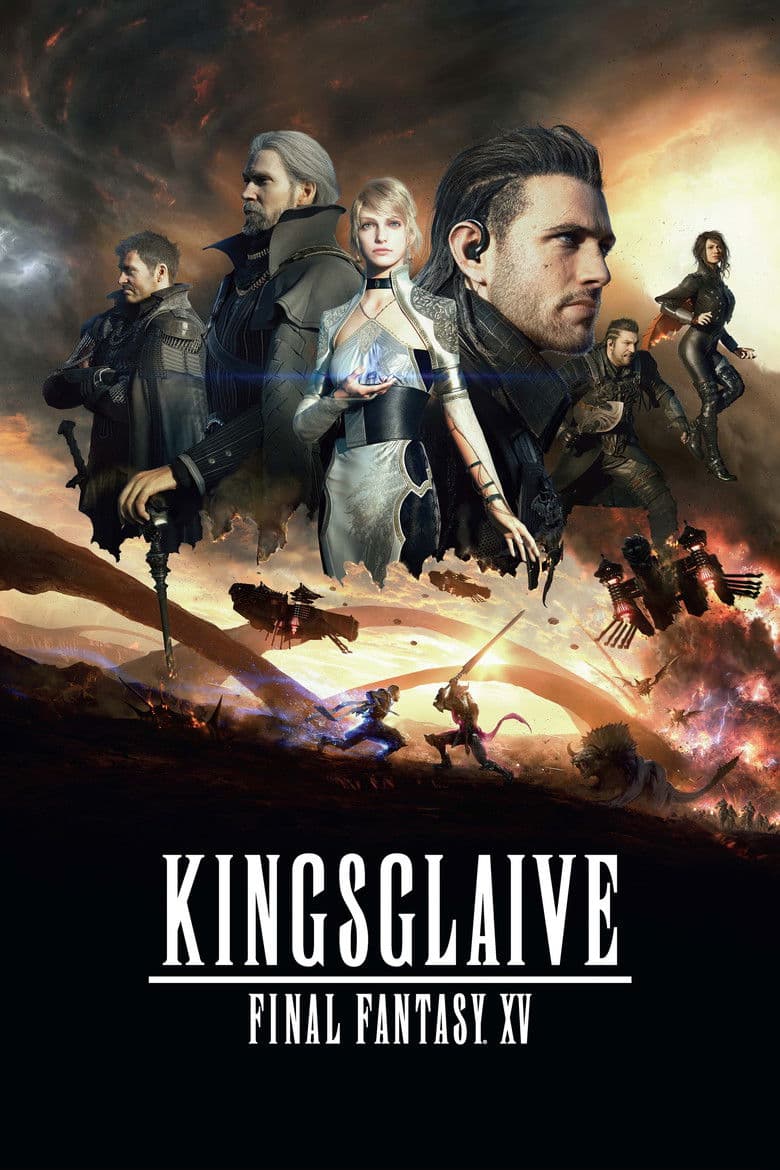
Movie · 2016
The magical kingdom of Lucis is home to the world’s last remaining Crystal, and the menacing empire of Niflheim is determined to steal it.
Movie · 2023
After it's discovered that a teacher at South Park Elementary has an OnlyFans page, Randy is compelled to take a closer look at the seedy underbelly of the world of online…
