Movie review
June 11, 2022 · 100 min · PG-13 · Japanese · Sci-Fi · Animation · Action
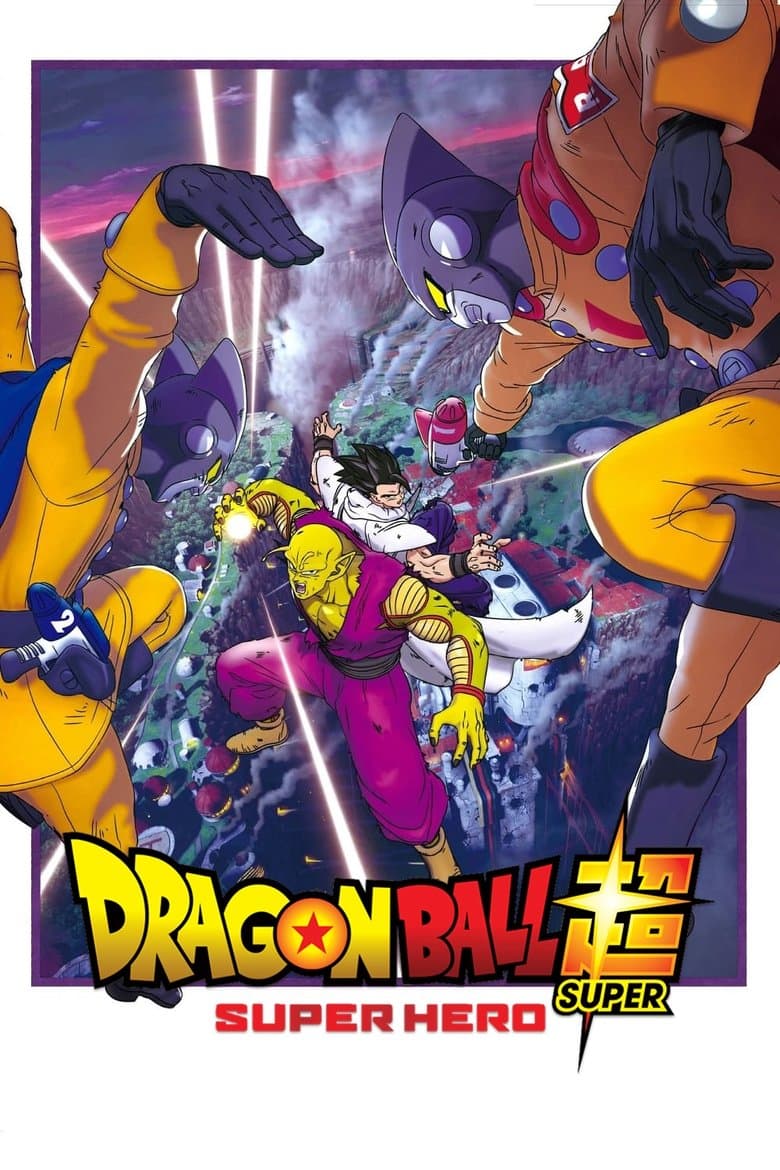
Piccolo becomes the main hero while Goku and Vegeta train away from Earth. The Red Ribbon Army returns and hires Dr. Hedo to build Gamma 1 and Gamma 2. Magenta gives Hedo false information, so the androids believe that Piccolo, Gohan, and the other fighters are dangerous criminals. Piccolo must bring Gohan back into the fight after the army kidnaps Pan and prepares Cell Max. The movie combines bright computer animation, loud battles, silly jokes, and warm family scenes.
The story gives Piccolo and Gohan the main heroic roles instead of Goku and Vegeta. Piccolo teaches Gohan and cares for Pan, while Gohan protects his family and continues his work as a scholar. Gamma 1 and Gamma 2 are not truly evil because lies lead them into battle, and they later help stop Cell Max. The film presents heroism as protecting family, facing danger, checking false claims, and working with former enemies. The visible social themes remain limited because the story focuses on family, training, science, comedy, and personal courage rather than modern identity politics.
Community feedback
Was our 5% Woke rating accurate?
Breakdown
These are the editorial factors and ratings behind our score for Dragon Ball Super: Super Hero.
Woke representation / casting
The English dub gives Gamma 2, a major superhero android, to Black voice actor Zeno Robinson. Robinson publicly connects the role to the need for more diverse anime casting. Robinson hopes that black viewers can see themselves in that opportunity. The movie gives Gamma 2 no human race or identity-based story, so the signal remains limited to casting context.
10%
Woke political dialogue
Not present. The dialogue centers on fighting, family, science, false reports, and the meaning of a hero. The dialogue contains no modern identity, DEI, or activist lines.
0%
Identity-driven story themes
Not present. Piccolo, Gohan, and Pan have family and training stories. The androids learn the truth about their mission. These themes belong to the franchise and its personal conflicts rather than modern identity politics.
0%
Western institutional / cultural critique
Not present. The Red Ribbon Army uses a private company and false claims to cause a fight. The film treats this plan as a comic villain scheme. The film does not connect the scheme to modern Western culture, capitalism, family roles, or religion.
0%
Woke character or canon changes
Not relevant. The film gives established characters new forms and places Piccolo and Gohan in the lead. The film does not change their race, gender, sexuality, or identity.
0%
Anti-woke backlash and complaints
Not present. The supplied X research found no anti-woke complaints. Web and audience discussion focuses on the 3D look, pacing, power-ups, and fan service. Some users praise the movie as not woke.
0%
Creator track record context
Akira Toriyama has a cached score of 8/100. That score reflects occasional broad social readings of his work and remains the only nonzero creator signal in the stored notes. Tetsuro Kodama, Norihiro Hayashida, and Akio Iyoku each have a cached score of 0/100. The stored profiles describe entertainment-focused work and no sustained DEI or activist record.
2%
Production
Movie · 2016
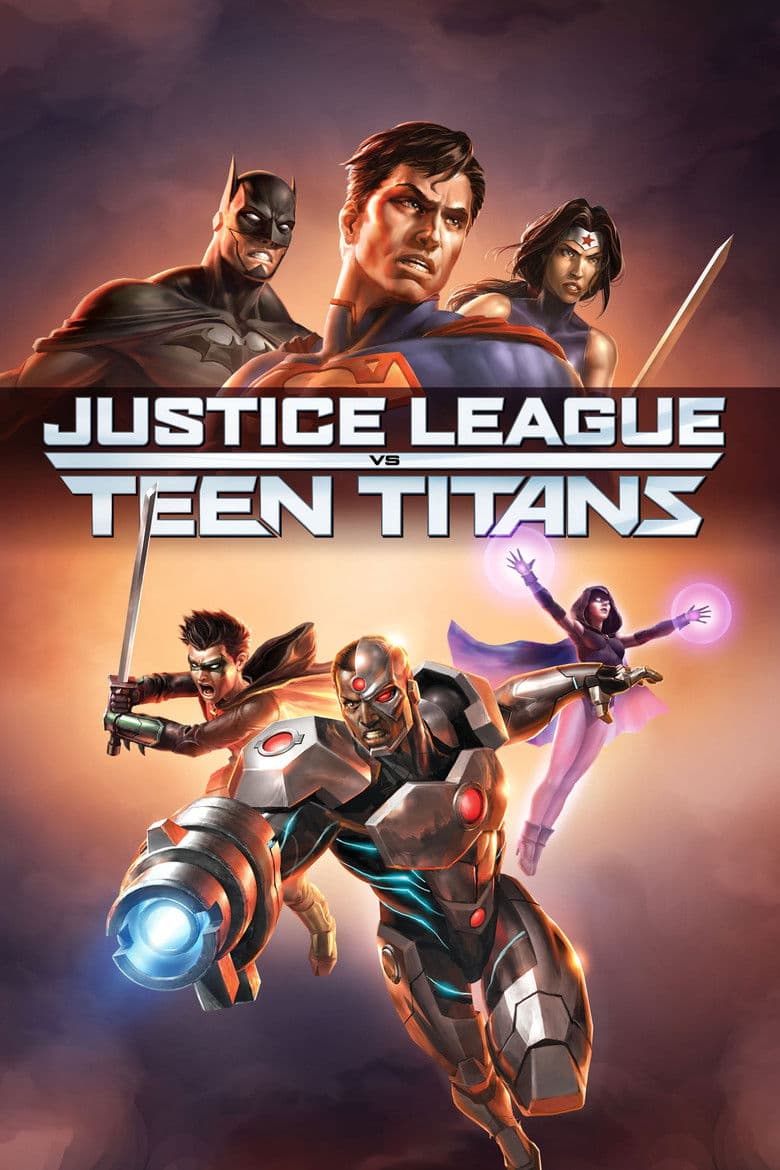
Robin is sent by Batman to work with the Teen Titans after his volatile behavior botches up a Justice League mission.
Movie · 2018
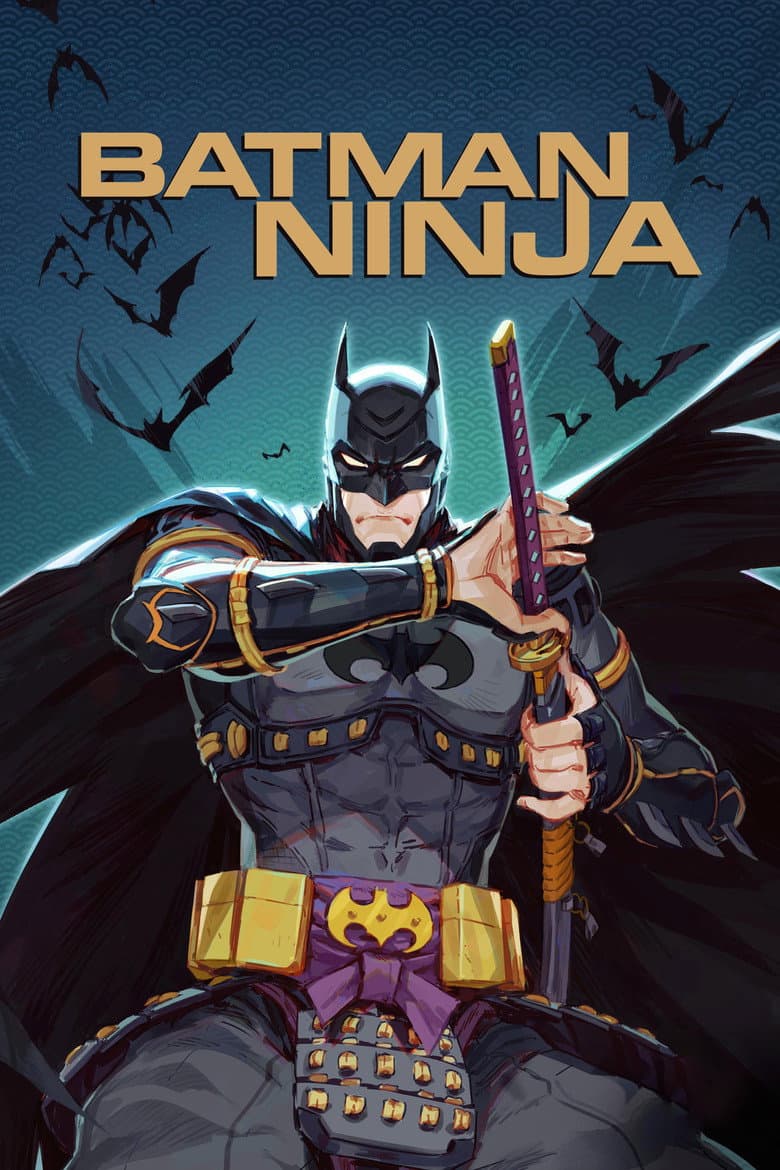
Batman, along with many of his allies and adversaries, finds himself transported to feudal Japan by Gorilla Grodd's time displacement machine.
Movie · 2016
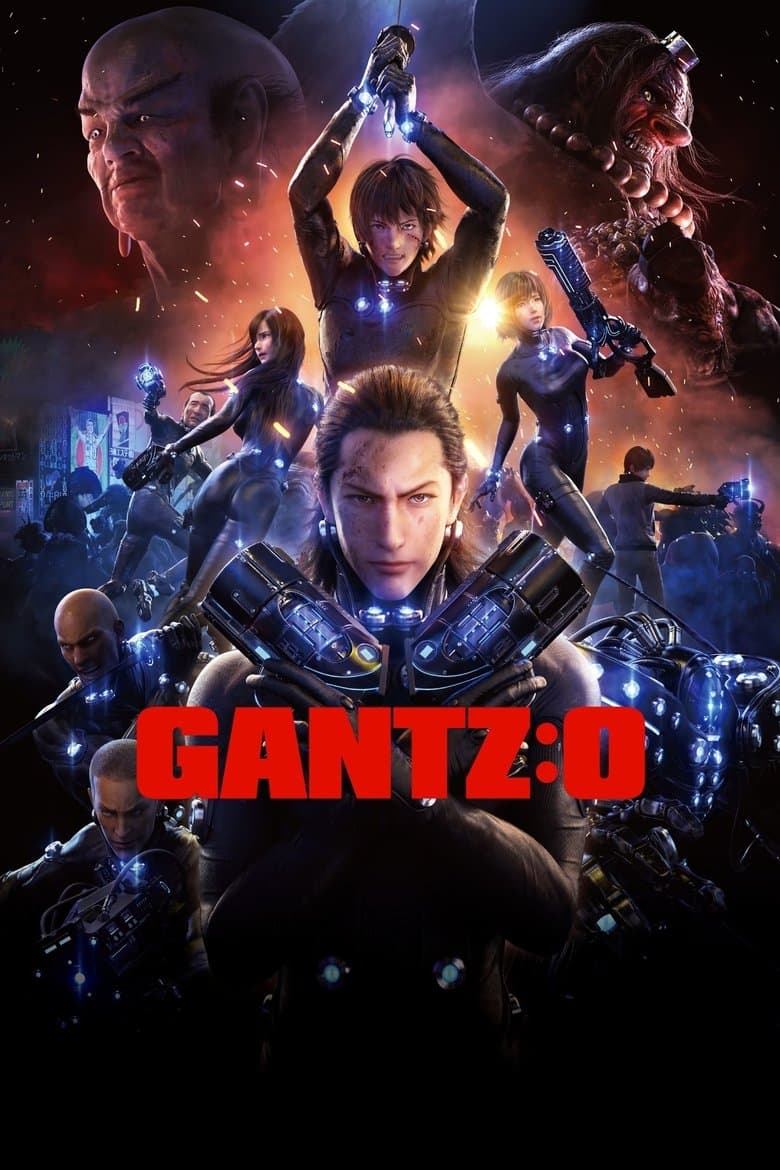
After being brutally murdered in a subway station, a teen boy awakens to find himself resurrected by a strange computer named Gantz, and forced to fight a large force of invading…
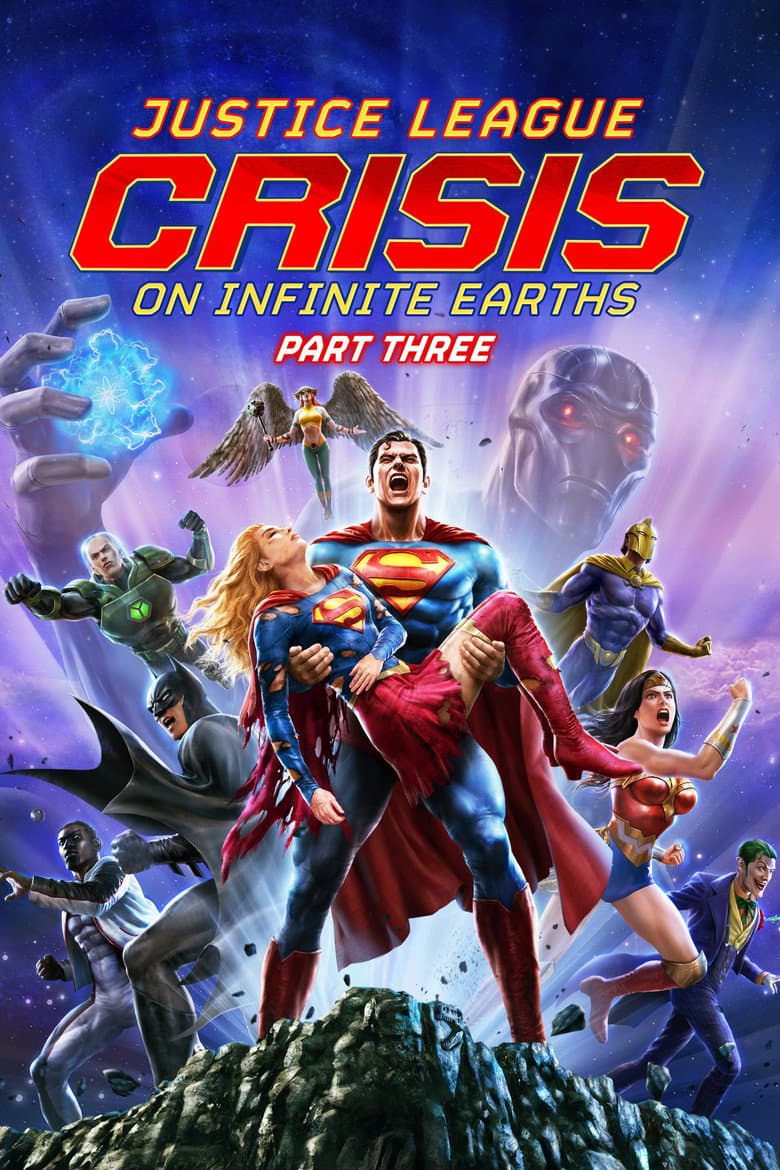
Movie · 2024
Now fully revealed as the ultimate threat to existence, the Anti-Monitor wages an unrelenting attack on the surviving Earths that struggle for survival in a pocket universe.
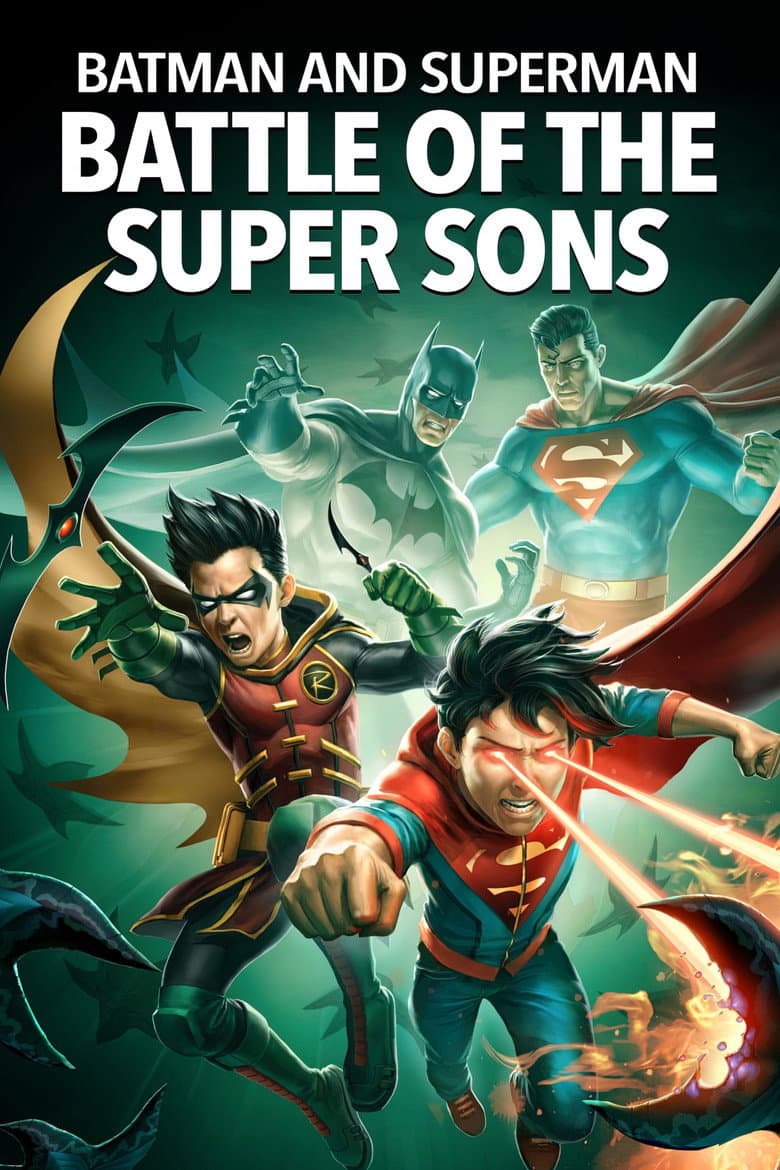
Movie · 2022
After discovering he has powers, 11-year-old Jonathan Kent and assassin-turned-Boy-Wonder Damian Wayne must join forces to rescue their fathers (Superman & Batman) and save the…
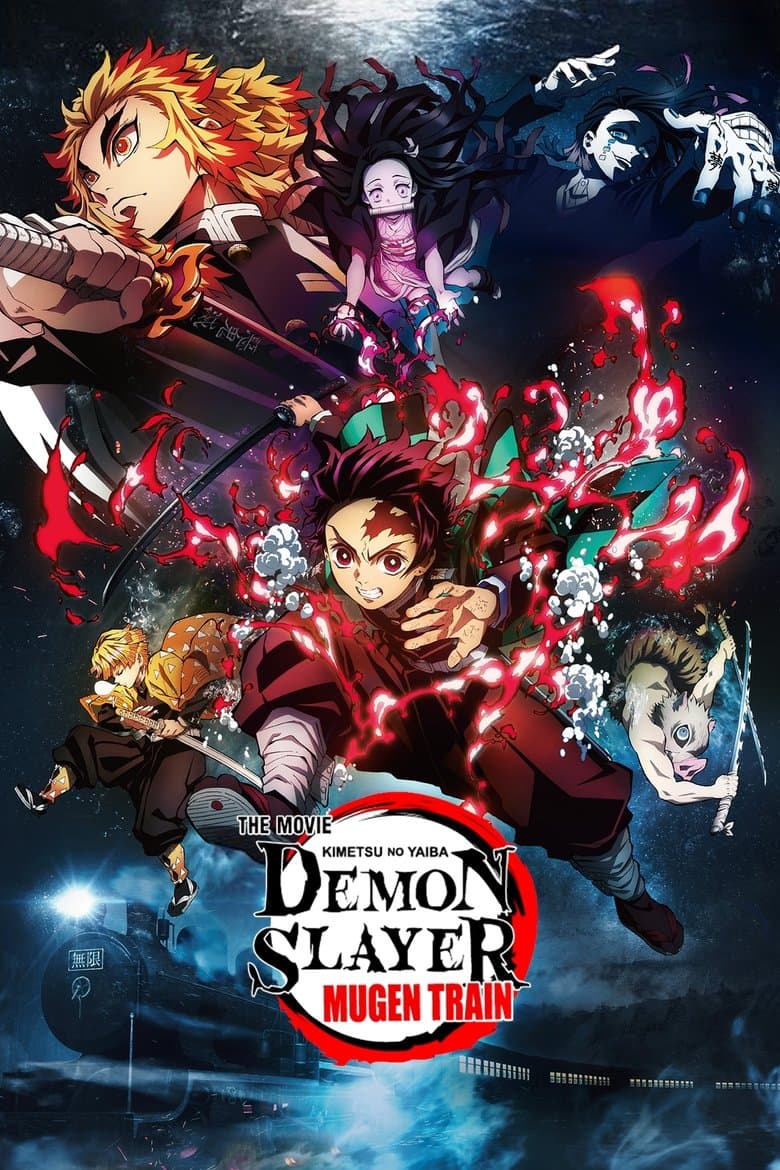
Movie · 2020
Tanjiro Kamado, joined with Inosuke Hashibira, a boy raised by boars who wears a boar's head, and Zenitsu Agatsuma, a scared boy who reveals his true power when he sleeps, boards…
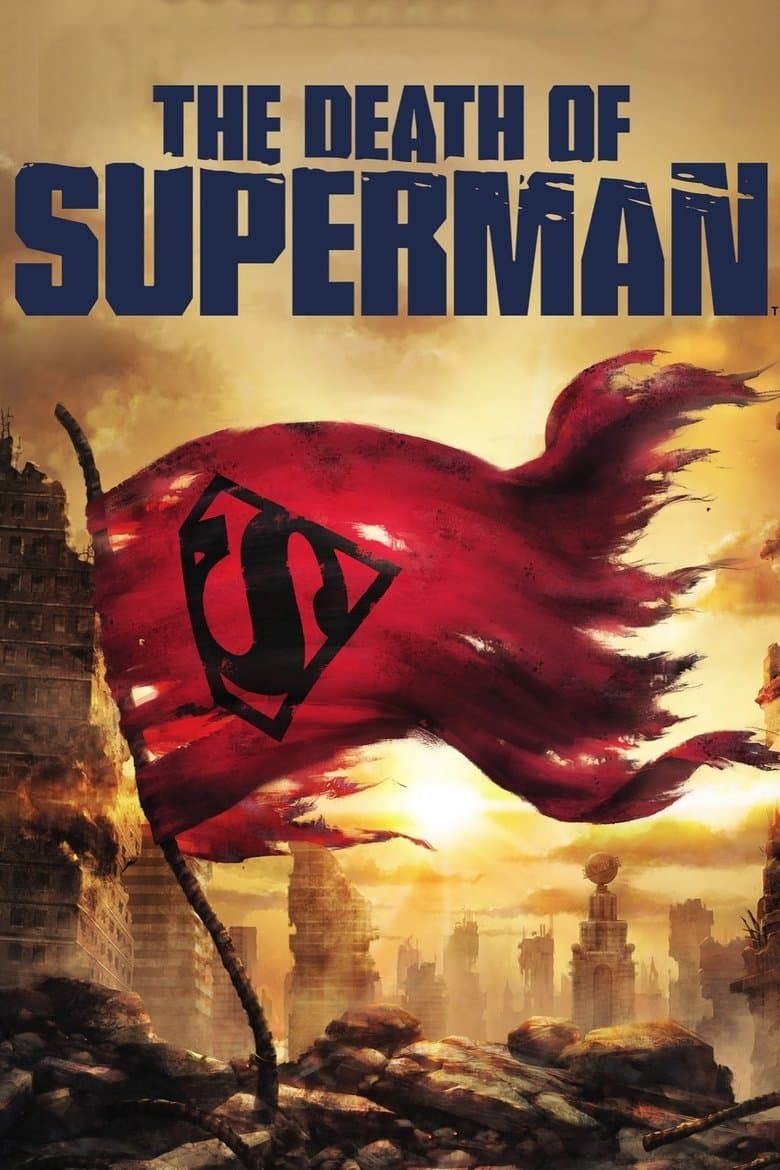
Movie · 2019
When a hulking monster arrives on Earth and begins a mindless rampage, the Justice League is quickly called in to stop it.
Movie · 2010
Cobb, a skilled thief who commits corporate espionage by infiltrating the subconscious of his targets is offered a chance to regain his old life as payment for a task considered…
