Movie review
July 9, 2016 · 115 min · PG-13 · Japanese · Sci-Fi · Animation · Action
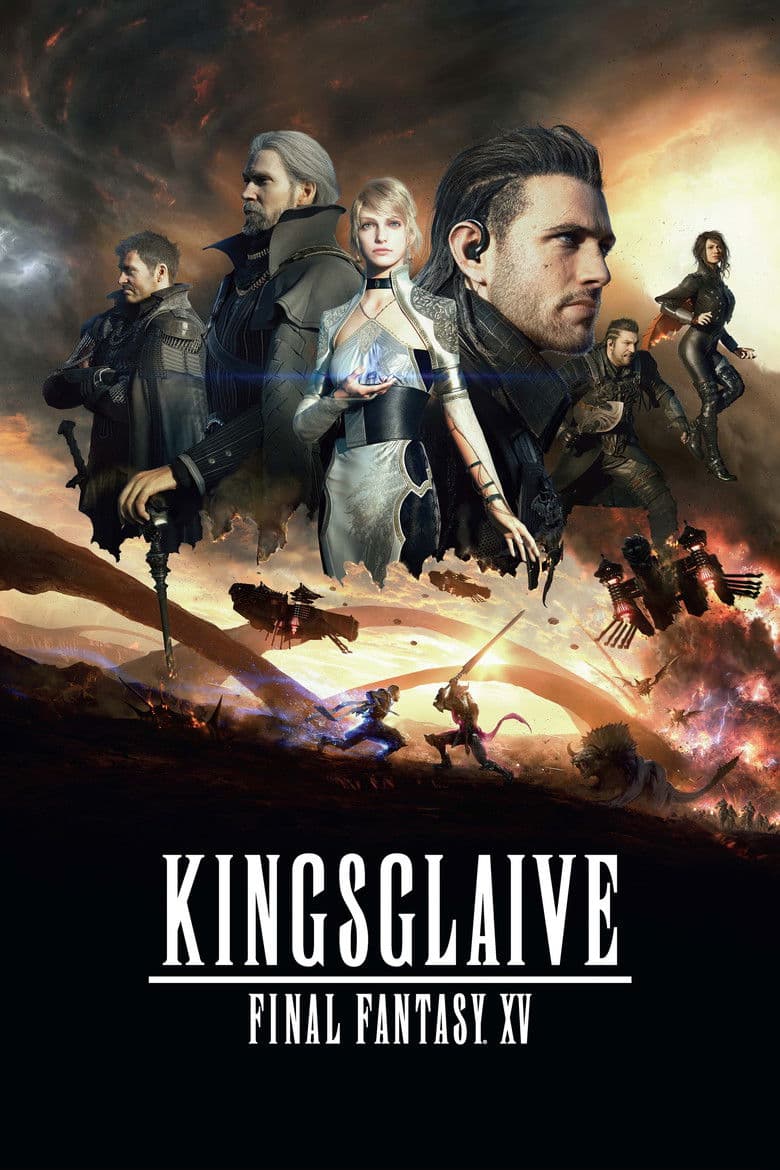
Nyx Ulric is a refugee from Galahd who serves in the Kingsglaive, an elite guard for King Regis of Lucis. The kingdom is losing a long war against the Niflheim Empire, which wants the Crystal that protects the capital city of Insomnia. Regis accepts a peace deal that gives away his lands and ties his son Noctis to Princess Lunafreya, a captive from the conquered land of Tenebrae. The deal is a trap, and Nyx must protect Lunafreya during a violent attack filled with magic, monsters, and betrayal.
The film gives clear story weight to displaced people, lost homes, and hostility toward outsiders. Nyx and his friend Libertus are Galahdian refugees, and their past shapes their anger at the king and their choices during the invasion. Lunafreya is a princess and oracle who stands firm under pressure, but Nyx and the male guard remain the main heroes. These ideas add a mild identity-driven layer, while the main story remains a fantasy war about duty, family, loyalty, sacrifice, and the fall of a kingdom.
Community feedback
Was our 23% Woke rating accurate?
Breakdown
These are the editorial factors and ratings behind our score for Kingsglaive: Final Fantasy XV.
Woke representation / casting
The film visibly includes Crowe as a skilled female Kingsglaive mage inside a mostly male elite guard. Nyx and Libertus are presented as refugees from Galahd, so the guard’s varied backgrounds have a story reason. The film does not frame these choices as a diversity campaign or identity statement. The casting signal is mild and limited to a few prominent roles.
12%
Woke political dialogue
The film includes several identity-related lines about immigrants, outsiders, refugees, and people losing their homes. One city guard insults Nyx by calling the Galahdians immigrants, while Nyx and Libertus argue that their abandoned families still need help. The final scene shows refugees leaving Insomnia for a new home. This gives brief support to displaced people, but the dialogue stays inside a fantasy war and does not become a modern activist speech.
16%
Identity-driven story themes
Nyx and Libertus are Galahdian refugees, and their lost homeland drives their loyalty, anger, and arguments with the king. The film shows city guards calling them outsiders and ends with refugees leaving Insomnia for a new home. Lunafreya also faces forced marriage and rule by an empire, but her role is tied to royal duty rather than modern gender politics. The refugee and outsider thread is recurring and noticeable, but the main story remains a fantasy war about family, loyalty, and sacrifice.
28%
Western institutional / cultural critique
Not present. The film questions King Regis’s war choices and the use of royal power, but those conflicts stay inside a fantasy monarchy and invading empire. It does not attack modern Western institutions, family norms, Christianity, or capitalism.
0%
Woke character or canon changes
Not relevant. The film adds original characters and tells a side story from the game world. No established character is changed into a different race, sex, or sexuality.
0%
Anti-woke backlash and complaints
One small X post called Lunafreya a girlboss who makes reckless choices and needs others to save her. A GameFAQs thread described the movie’s message as left-wing, but the discussion did not become a wider news or social-media story. No sustained boycott, review campaign, or large anti-woke debate was found.
8%
Creator track record context
The director and writer have no well-documented activist or identity-politics record. Producer Hajime Tabata has a mild inclusion signal from The Pegasus Dream Tour, a Paralympic game built around disabled athletes. That separate project is not part of this film’s story. The main team’s work is mostly commercial fantasy and game entertainment.
8%
Production
Movie · 2022
The Red Ribbon Army, an evil organization that was once destroyed by Goku in the past, has been reformed by a group of people who have created new and mightier Androids, Gamma 1…
Movie · 2024
Now fully revealed as the ultimate threat to existence, the Anti-Monitor wages an unrelenting attack on the surviving Earths that struggle for survival in a pocket universe.
Movie · 2022
After discovering he has powers, 11-year-old Jonathan Kent and assassin-turned-Boy-Wonder Damian Wayne must join forces to rescue their fathers (Superman & Batman) and save the…
Movie · 2016
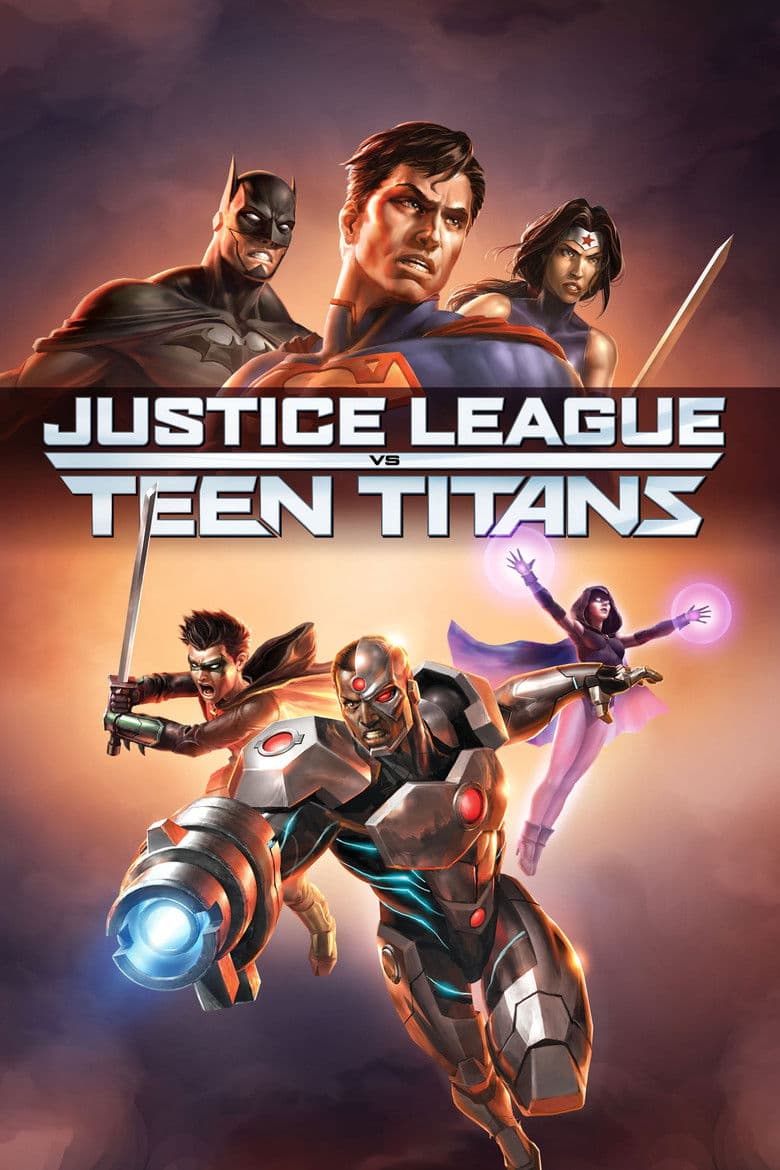
Robin is sent by Batman to work with the Teen Titans after his volatile behavior botches up a Justice League mission.
Movie · 2018
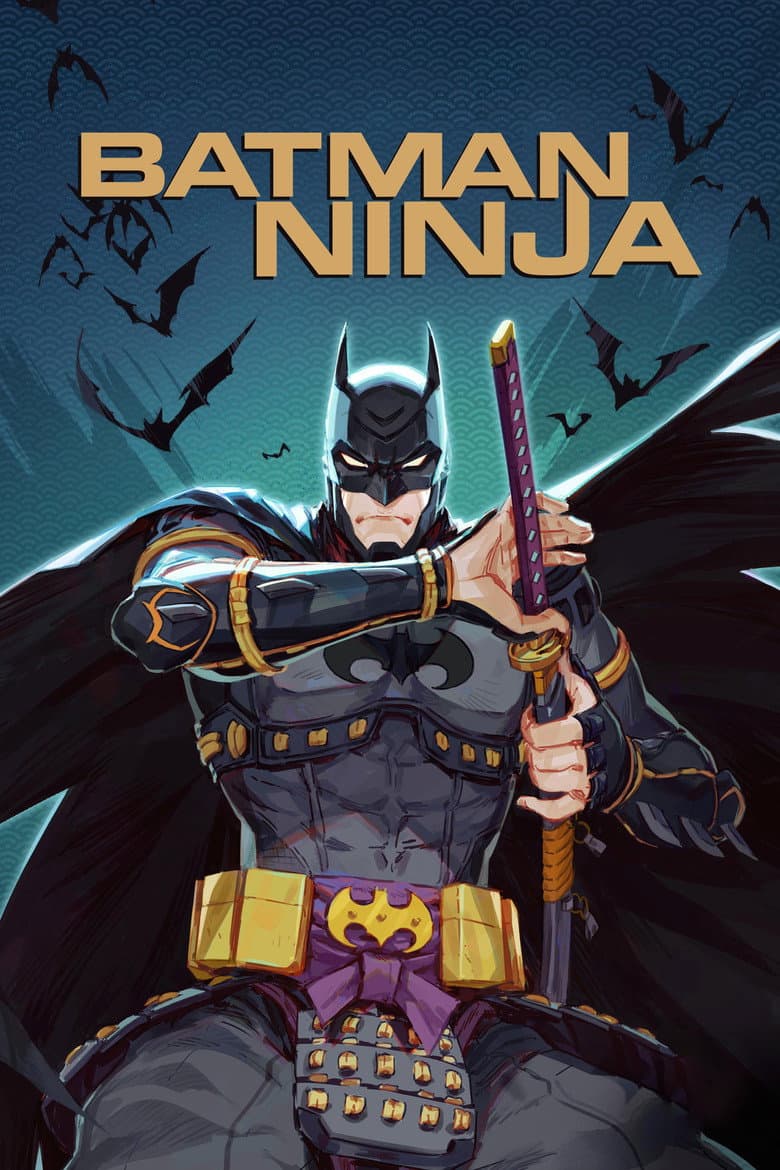
Batman, along with many of his allies and adversaries, finds himself transported to feudal Japan by Gorilla Grodd's time displacement machine.
Movie · 2016
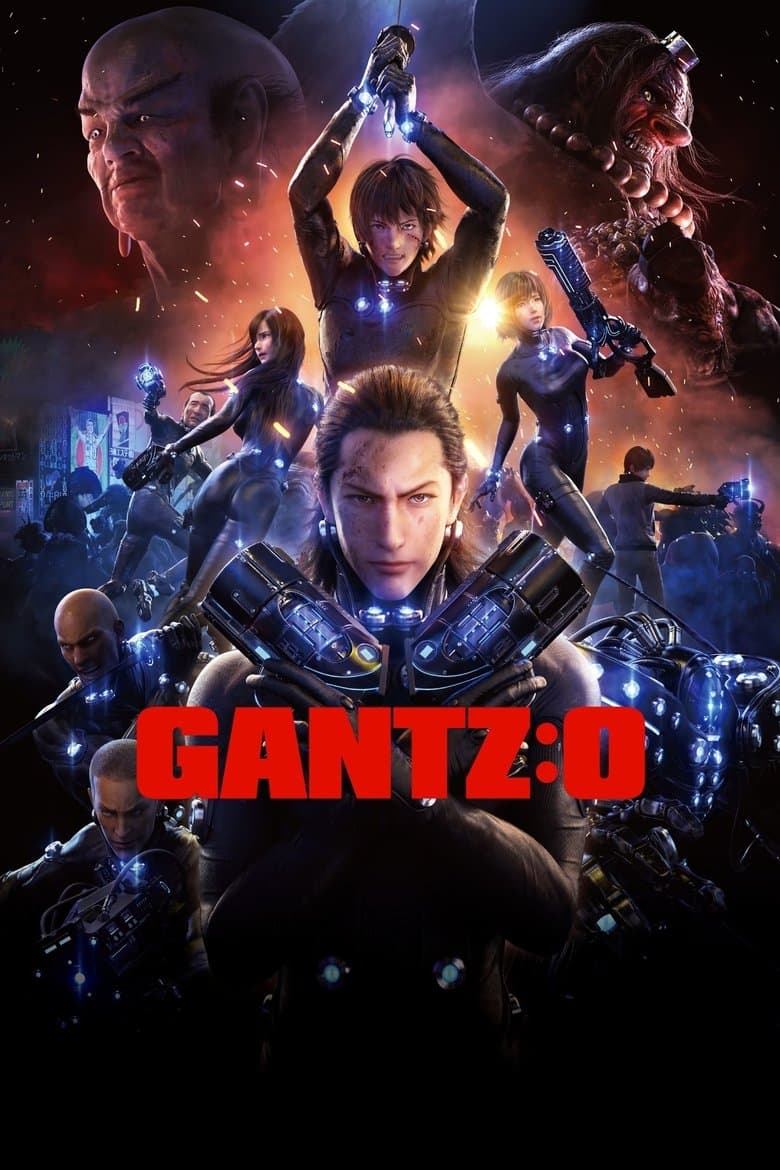
After being brutally murdered in a subway station, a teen boy awakens to find himself resurrected by a strange computer named Gantz, and forced to fight a large force of invading…
Movie · 2019
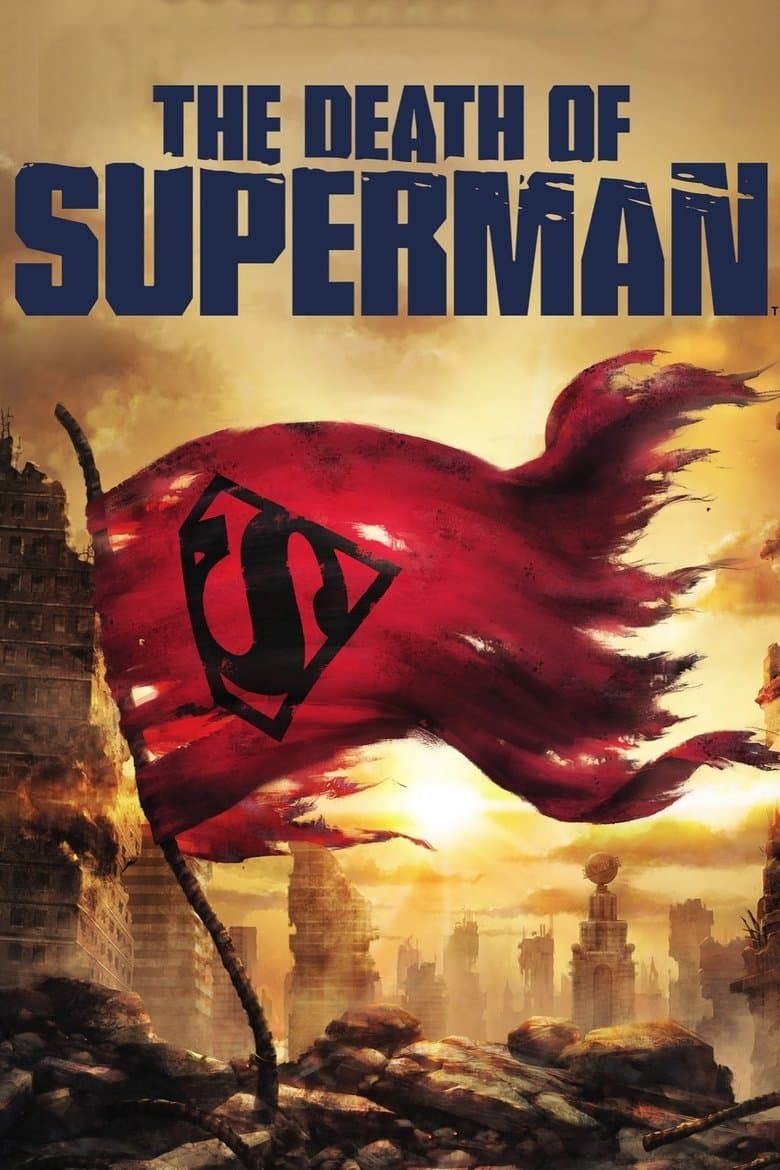
When a hulking monster arrives on Earth and begins a mindless rampage, the Justice League is quickly called in to stop it.

Movie · 2021
In the aftermath of the Fourth Impact, stranded without their Evangelions, Shinji, Asuka and Rei find refuge in one of the rare pockets of humanity that still exist on the ruined…
