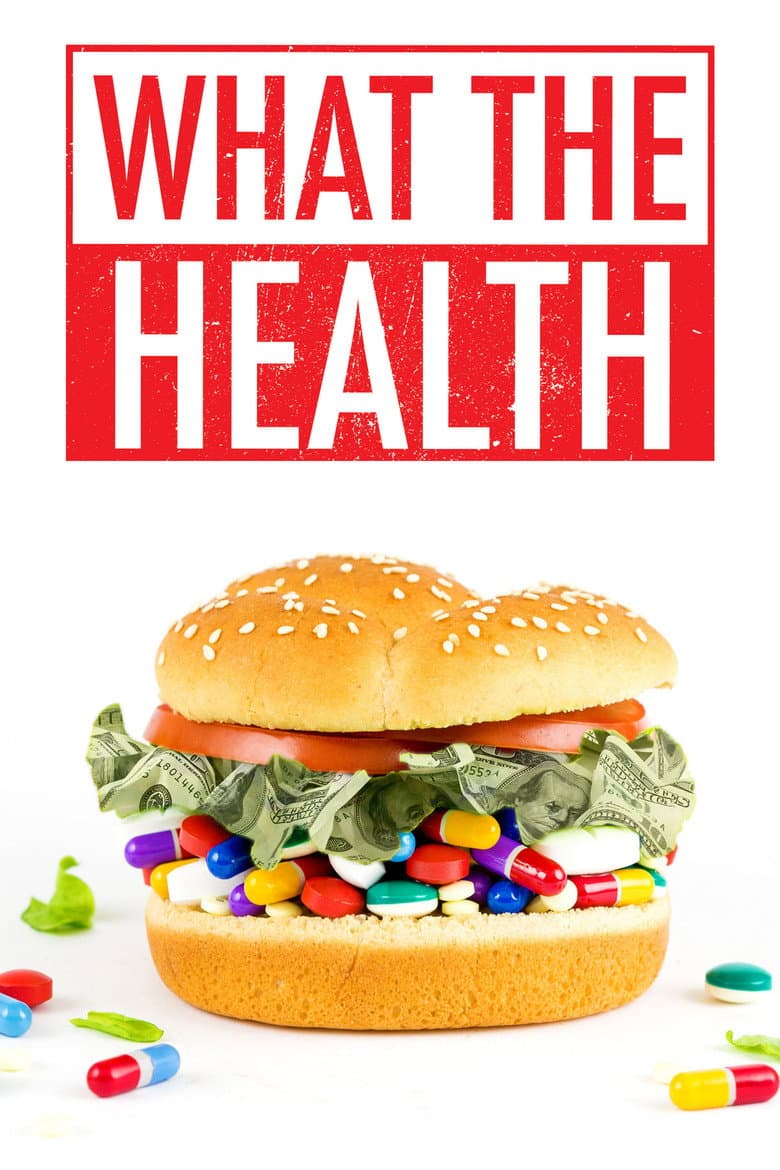
Kip Andersen leads this 2017 documentary as he investigates why major health groups do not warn people about the risks he links to meat, dairy, and eggs. He starts with fear about illnesses in his family and follows doctors, patients, athletes, farmers, activists, and public records across the United States. The film argues that a plant-based diet can prevent or even reverse diseases such as diabetes, heart disease, and cancer. Its tone is urgent, dramatic, and strongly persuasive rather than calm or balanced.
The film makes its main woke element a broad activist attack on food, drug, medical, and government institutions. It says corporate money and lobbying keep harmful products in schools and stop doctors from teaching useful nutrition. It also presents pollution near black and Hispanic communities as a human rights issue and links vegan choices to animal suffering, damage to nature, and shared public duty. These ideas appear through much of the film, but the message is mainly vegan health activism, not race, gender, or queer politics.
Community feedback
Was our 70% Woke rating accurate?
Breakdown
These are the editorial factors and ratings behind our score for What the Health.
Woke representation / casting
Not present. The film interviews people of different races and backgrounds, but it does not make race, gender, sexuality, or diversity-first casting part of its message.
0%
Woke political dialogue
The film repeatedly says that food, drug, and health groups put money before public health. The film calls the harm near poor communities of color a human rights issue. The film says activists and whistleblowers face punishment under laws that protect business. These lines make the documentary a sustained activist argument, although it is about diet and animal agriculture rather than party politics.
48%
Identity-driven story themes
The film makes vegan living the answer to illness, animal suffering, environmental damage, and harm to communities. The film asks viewers to change personal behavior for the good of other people and all life. The film gives a repeated moral frame to food choices, not just a health tip. The race and poverty section adds an environmental justice angle, but race, gender, and queer identity are not the main story.
47%
Western institutional / cultural critique
The film repeatedly accuses health groups, drug companies, food companies, and government offices of hiding facts or putting profit first. The film treats medical care, lobbying, school food, and industry funding as parts of a system that keeps people sick. The film also says activists are silenced by laws that punish people who record animal farms. This critique drives the investigation from start to finish, so the institutional message is hard to miss.
72%
Woke character or canon changes
Not relevant. This is an original documentary. It does not change a known character, story, or historical figure.
0%
Anti-woke backlash and complaints
The main news complaints attacked the film's health claims and one-sided proof. Reviewers and users also called it vegan propaganda or an agenda-driven film. Those complaints treat the title as activist persuasion, so they create limited anti-woke backlash even though they do not focus on race, gender, or queer politics. The separate X pass found no anti-woke reaction.
30%
Creator track record context
The stored scores are 35 for Kip Andersen, 74 for Keegan Kuhn, and 26, 33, and 38 for Joaquin Phoenix, Jim Greenbaum, and Sheryl Greenberg. Their records show repeated vegan, animal-rights, health, and environmental activism, with some wider social-justice work. The group has a clear activist context, but its public work is not mainly about race, gender, or queer identity.
43%
Production
Movie · 2023
As the Russian invasion begins, a team of Ukrainian journalists trapped in the besieged city of Mariupol struggle to continue their work documenting the war's atrocities.
Movie · 2017
An intimate journey through the formative years of David Lynch's life. From his idyllic upbringing in small town America to the dark streets of Philadelphia, we follow Lynch as he…

Movie · 2021
Through exclusive interviews and archival footage, this documentary traces an intimate portrait of seven-time Formula 1 champion Michael Schumacher.

Movie · 2020
Record-shattering Korean girl band BLACKPINK tell their story — and detail the hard fought journey of the dreams and trials behind their meteoric rise.
Movie · 2016
The Beatles stormed through Europe's music scene in 1963, and, in 1964, they conquered America. Their groundbreaking world tours changed global youth culture forever and…

Movie · 2023
The remarkable coming-of-age story of Stephen Curry—one of the most influential, dynamic, and unexpected players in basketball history—and his rise from an undersized college…

Movie · 2018
New York, 1980. Three complete strangers accidentally discover that they're identical triplets, separated at birth.
Movie · 2022
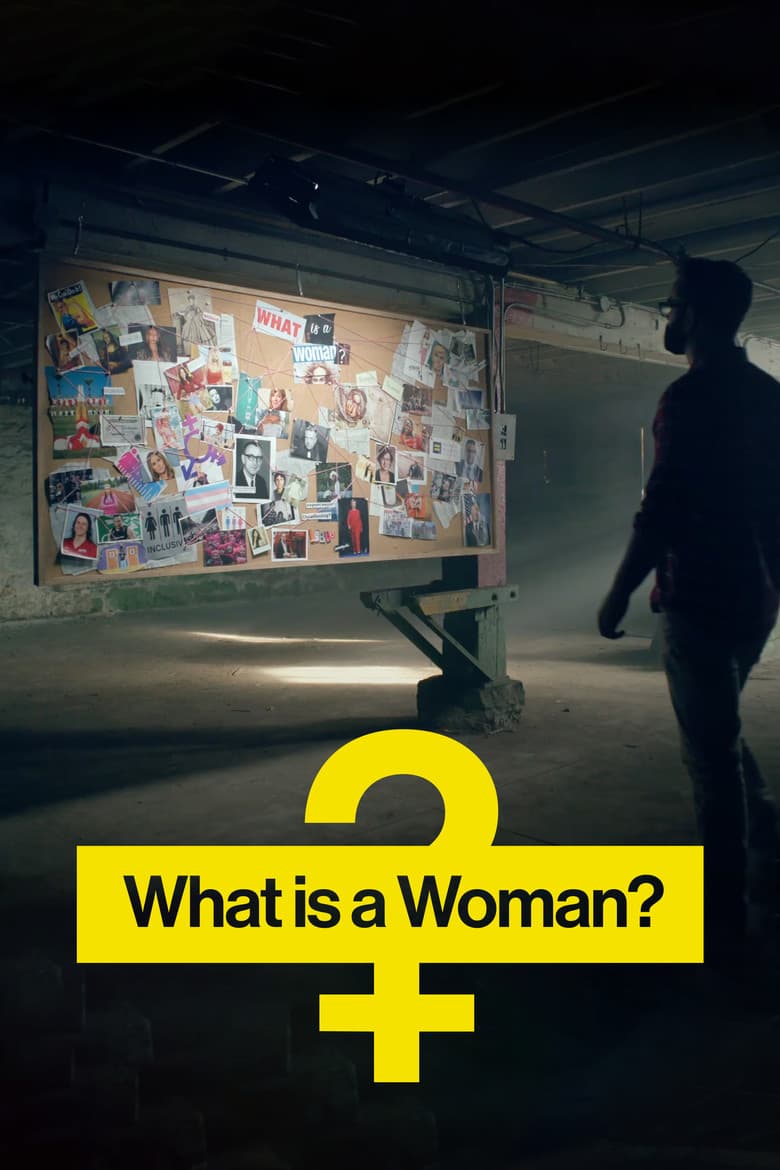
Matt Walsh's controversial doc challenges radical gender ideology through provocative interviews and humor.
