
Jonah is the youngest of three brothers growing up in a poor, mixed Puerto Rican and white family in upstate New York. He loves his brothers, but he is quieter and more imaginative than Manny and Joel. Their parents love each other, yet their fights and sudden reunions make home feel unsafe. The film feels rough, sad, and dreamlike. Jonah watches the family break apart and builds a private world through writing, drawing, and dreams.
The film makes Jonah’s growing attraction to boys a major part of his struggle. He sees a brief porn scene showing two men, studies his own feelings, and fills hidden drawings with fear, desire, and anger. His brothers copy their father’s hard, macho behavior, while Jonah searches for a different way to live. The story treats his queer identity as real and important, but it also ties that identity to family violence, poverty, loneliness, and the need to escape.
Community feedback
Was our 75% Woke rating accurate?
Breakdown
These are the editorial factors and ratings behind our score for We the Animals.
Woke representation / casting
The film centers on a mixed Puerto Rican and white family in mostly white upstate New York. The family fits the source story, so the cast does not look like a random diversity lineup. The director and marketing coverage still present the family as rare brown and queer representation. That gives the casting an identity signal, but the pattern is limited to the main family.
32%
Woke political dialogue
Not present. The film has no spoken lines that promote modern identity politics, DEI, or activist programs. Its dialogue stays focused on family, sex, money, violence, and growing up.
0%
Identity-driven story themes
The film follows Jonah as he notices attraction to boys and learns that he does not fit the macho world around him. A porn scene, private drawings, and his growing distance from his brothers make the queer awakening a continuing part of the story. The film treats Jonah’s inner life and identity as important, while it also shows abuse and poverty. Jonah’s identity is central to the ending, so this factor is very high.
85%
Western institutional / cultural critique
The film repeatedly shows Paps using macho behavior, anger, and control in ways that hurt Ma and the boys. Manny and Joel begin to copy him, so the story links old male roles with more violence. Jonah searches for a different way to live through art and his queer identity. The story makes this family pattern look damaging, but it does not turn it into a broad attack on Western institutions.
42%
Woke character or canon changes
The film adapts Justin Torres’s novel and keeps its mixed family and queer narrator. The film gives the narrator the name Jonah and moves his attraction to boys into the main childhood story. The book puts its clearest sexual encounter with a man much later, while the film expands the early porn scene and the drawings that follow it. This is a noticeable identity-related change in emphasis, but it is not a race or gender swap.
42%
Anti-woke backlash and complaints
Not present. No major anti-woke backlash was found in news coverage or audience discussion. The visible debate centered on the film’s slow style, heavy subject matter, and comparisons with Moonlight.
0%
Creator track record context
The director’s cached score is low, but his key work includes a film with queer themes. The writer’s cached score is higher because his work often addresses race, sexuality, and social power. Some producers have representation-first or social-justice careers, including Christina D. King and leaders linked to Cinereach. Other producers have little public activist profile, so the overall context is mixed.
42%
Production
Movie · 2017
Members of the Granite Mountain Hotshots battle deadly wildfires to save an Arizona town.
Movie · 2025
Diagnosed with Tourette Syndrome at 15, John Davidson navigates his way against the odds through troubled teenage years and into adulthood, finding inspiration in the kindness of…
Movie · 2022
A quiet, neglected girl is sent away from her dysfunctional family to live with relatives for the summer. She blossoms in their care, but in this house where there are meant to be…
Movie · 2023
The story of J. Robert Oppenheimer's role in the development of the atomic bomb during World War II.
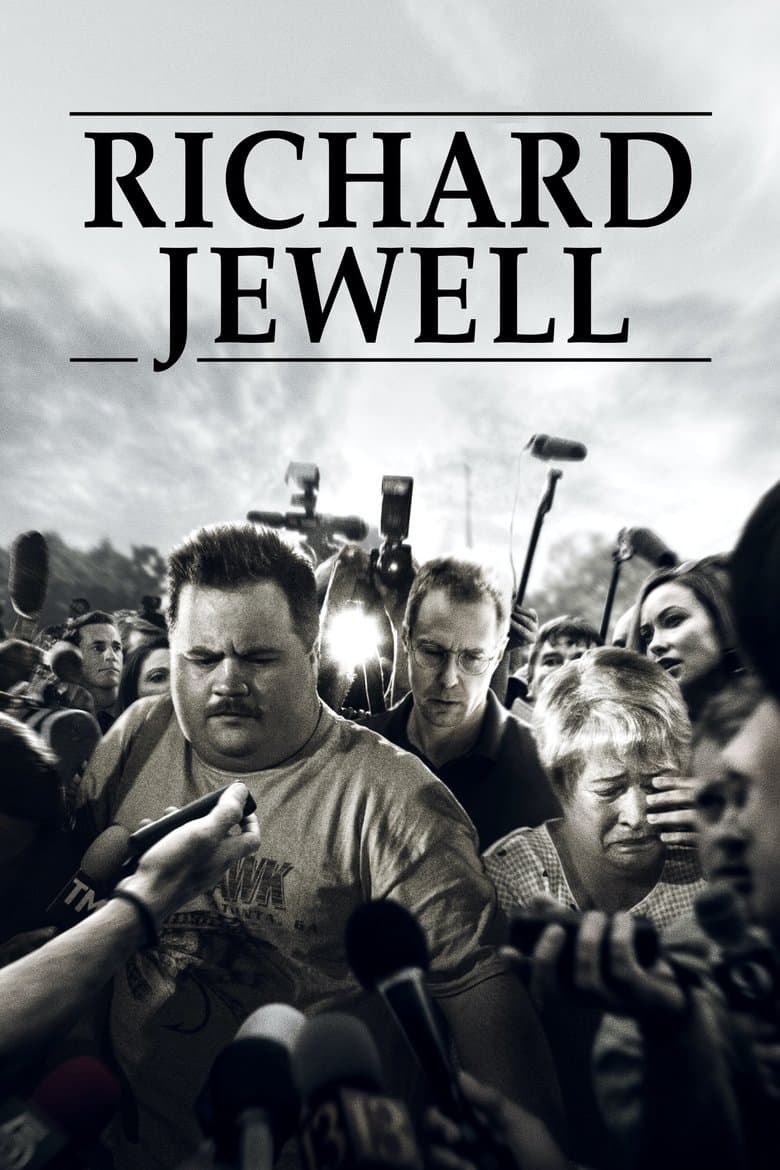
Movie · 2019
Richard Jewell thinks quick, works fast, and saves hundreds, perhaps thousands, of lives after a domestic terrorist plants several pipe bombs and they explode during a concert…
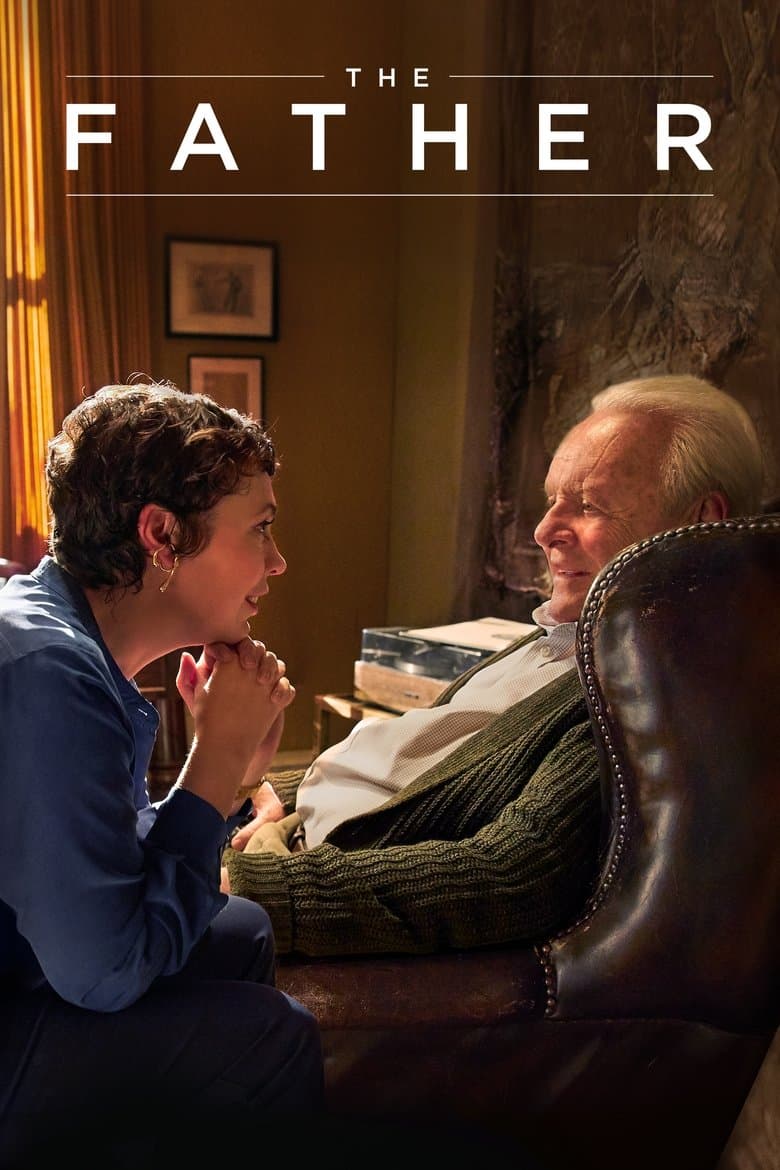
Movie · 2020
A man refuses all assistance from his daughter as he ages and, as he tries to make sense of his changing circumstances, he begins to doubt his loved ones, his own mind and even…
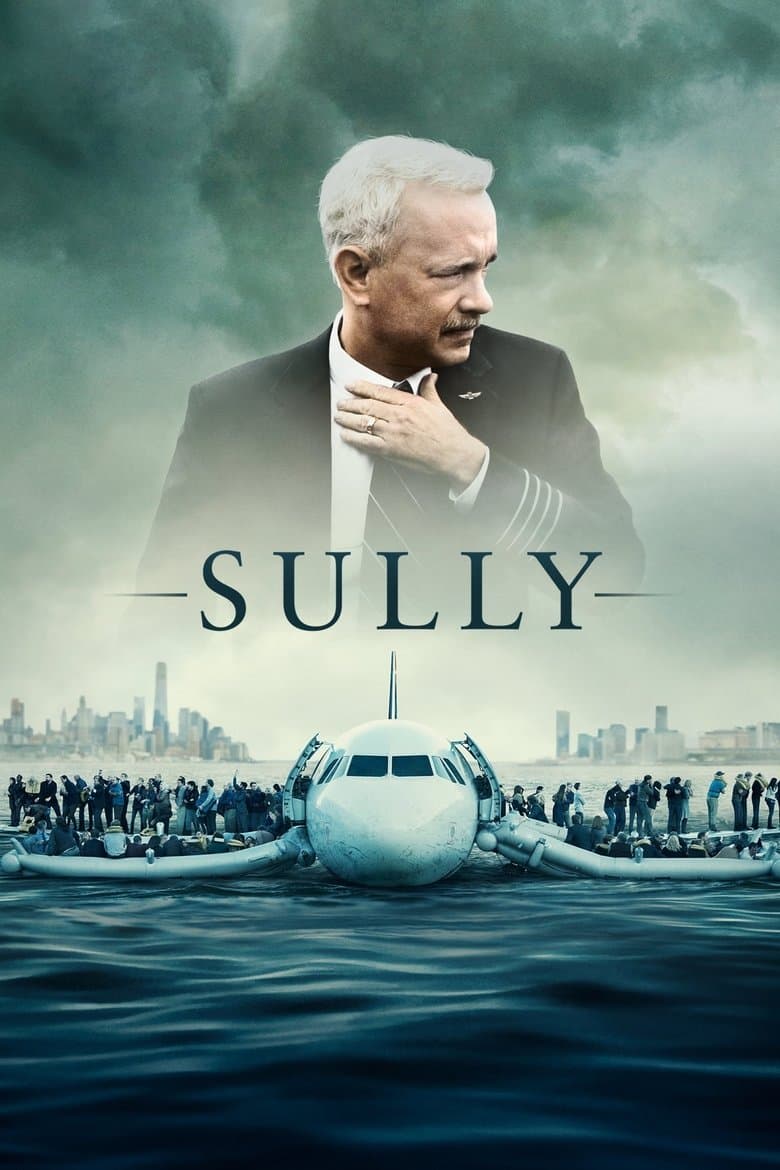
Movie · 2016
On 15 January 2009, the world witnessed the 'Miracle on the Hudson' when Captain 'Sully' Sullenberger glided his disabled plane onto the Hudson River, saving the lives of all 155…
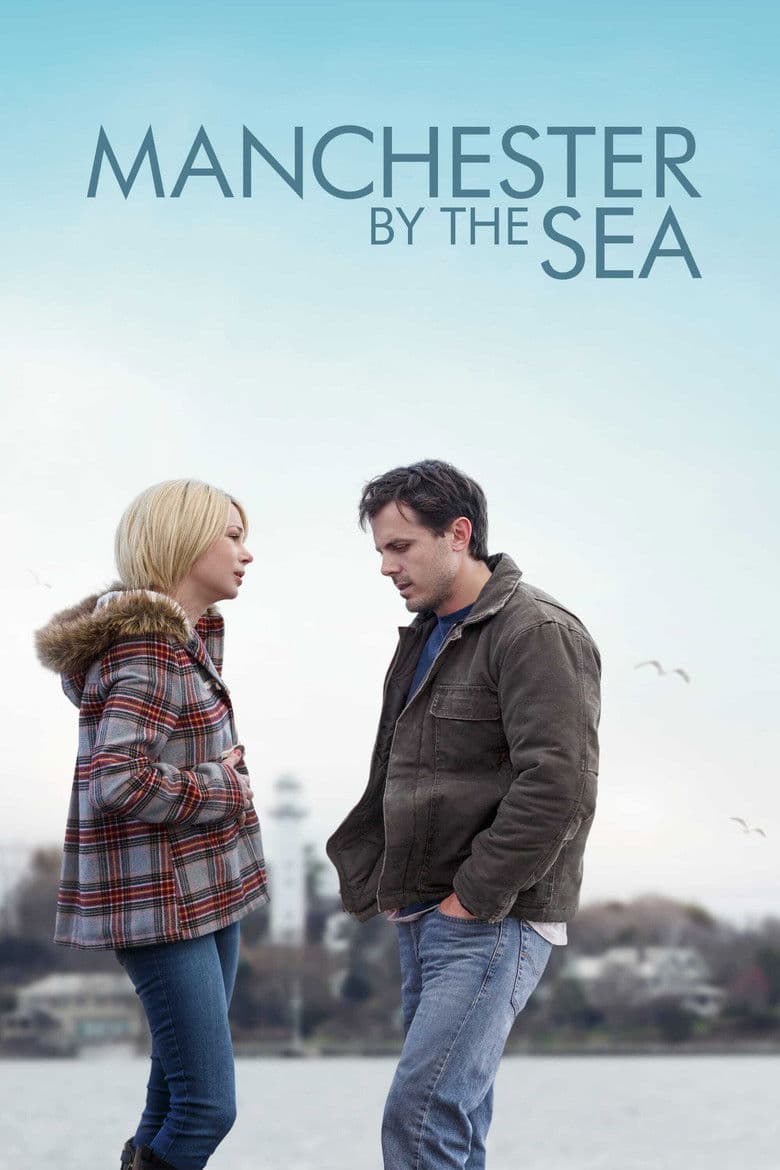
Movie · 2016
After his older brother passes away, Lee Chandler is forced to return home to care for his 16-year-old nephew.
