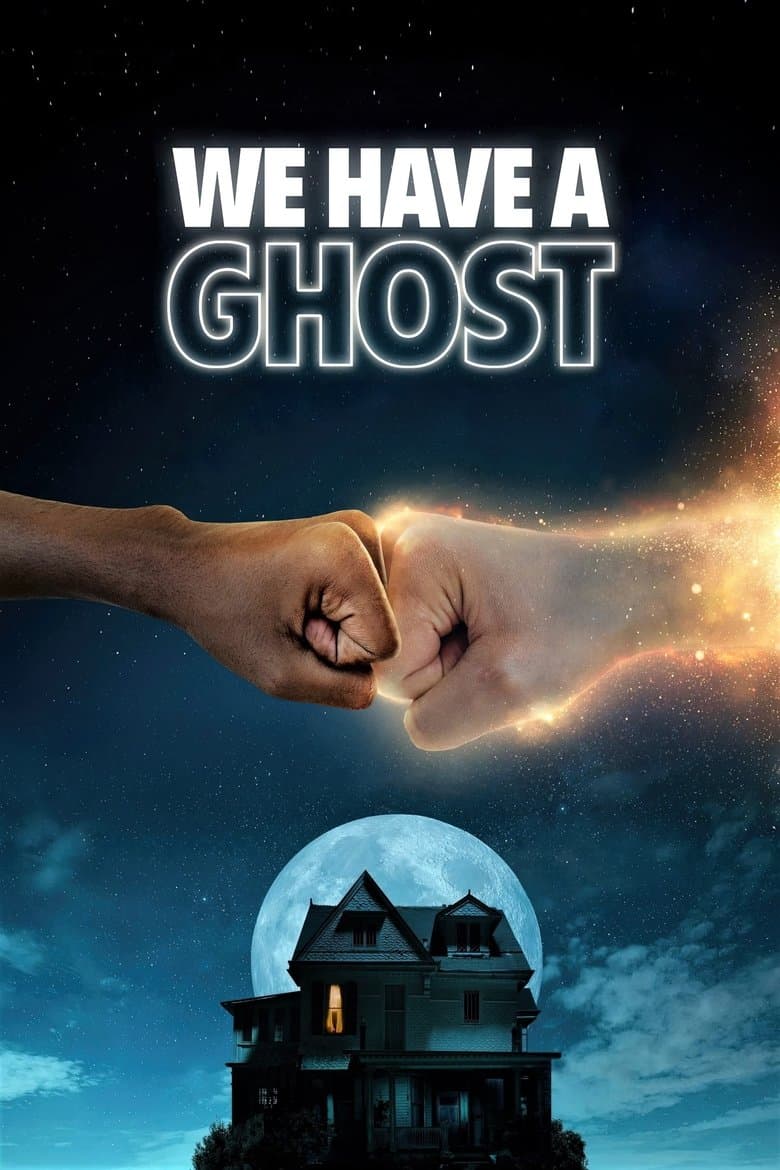
Kevin Presley and his family move into a cheap old house in Chicago and find a quiet ghost living in the attic. Kevin names him Ernest and wants to learn who he was so the ghost can rest. Kevin’s dad films Ernest and posts the videos online, and the ghost becomes famous overnight. Then the CIA and a murder secret from Ernest’s past turn the story into a chase full of scares, jokes, and family fights.
The movie is mainly a family ghost adventure about a dad and son fixing their bond, a teen helping a lost ghost, and fame gone wrong. A normal viewer will also notice some race jokes, like cracks about “white people” horror-movie families, plus side talk about race pressure, school stereotypes, and “gender norms.” There is a brief anti-politician joke and a short cameo by a famous drag performer. Those bits pop up as jokes and side lines, not as the main story. The main cast is a black family with an Asian American teen friend. The heart of the film stays on friendship, trauma, and family, not on big activist lectures.
Community feedback
Was our 47% Woke rating accurate?
Breakdown
These are the editorial factors and ratings behind our score for We Have a Ghost.
Woke representation / casting
Main family is black (Mackie, Ash, Winston, Fitch) in a modern story where race is not the plot. Asian American neighbor Joy is a major teen ally. Tig Notaro plays a CIA ghost expert; Landon noted her androgynous look. Bob the Drag Queen has a short cameo as himself. Clear diverse casting, but not a heavy “quota” rewrite of history or fantasy lore.
34%
Woke political dialogue
Several audience-heard jokes poke at White people, including not acting like “white families” in horror movies. Joy says gender norms are dumb, jokes about male body parts, and wants to haunt Ted Cruz. Dad pressure over Kevin liking a White guitarist over Jimi Hendrix, and Asian “fit in” pressure, also show up. Not constant sermons, but easy to notice.
42%
Identity-driven story themes
Core themes are father–son repair, helping a traumatized ghost, viral fame, and a murder mystery. Race and stereotype talk sit in the background. Incidental queer signals include a drag-queen cameo and a throwaway “homosexual ghost” joke; those raise the score a bit without making the film a queer story.
30%
Western institutional / cultural critique
The CIA acts as a heavy-handed villain hunting the ghost, which fits a chase movie more than a modern activist tract. Mild jabs at gender rules and a conservative politician appear. Frank is a flawed dad who grows, not a long attack on men or Western family life.
24%
Woke character or canon changes
Not relevant. It expands a modern short story into a longer Netflix film (added CIA plot, road trip, etc.). No clear identity-driven swap of a famous legacy character or real historical figure.
0%
Anti-woke backlash and complaints
Multiple user reviews call the film anti-White, “white shaming,” race-baiting, or woke. Similar notes appear in parent summaries and some social posts about the White-family horror joke. Complaints are real and repeated, but not a huge mainstream controversy.
40%
Creator track record context
Key creative leads Landon and Manaugh score very low for activism. Most producers are low; a few mid scores (Francillon, Fischer) sit in the package. Overall team history does not strongly push identity-first projects as the main brand.
14%
Production
Movie · 2017
Caught in a bizarre and terrifying time warp, college student Tree finds herself repeatedly reliving the day of her murder, ultimately realizing that she must identify the killer…
Movie · 2019
Columbus, Tallahassee, Wichita, and Little Rock move to the American heartland as they face off against evolved zombies, fellow survivors, and the growing pains of the snarky…
Movie · 2020
Two years after defeating a satanic cult led by his babysitter Bee, Cole's trying to forget his past and focus on surviving high school.
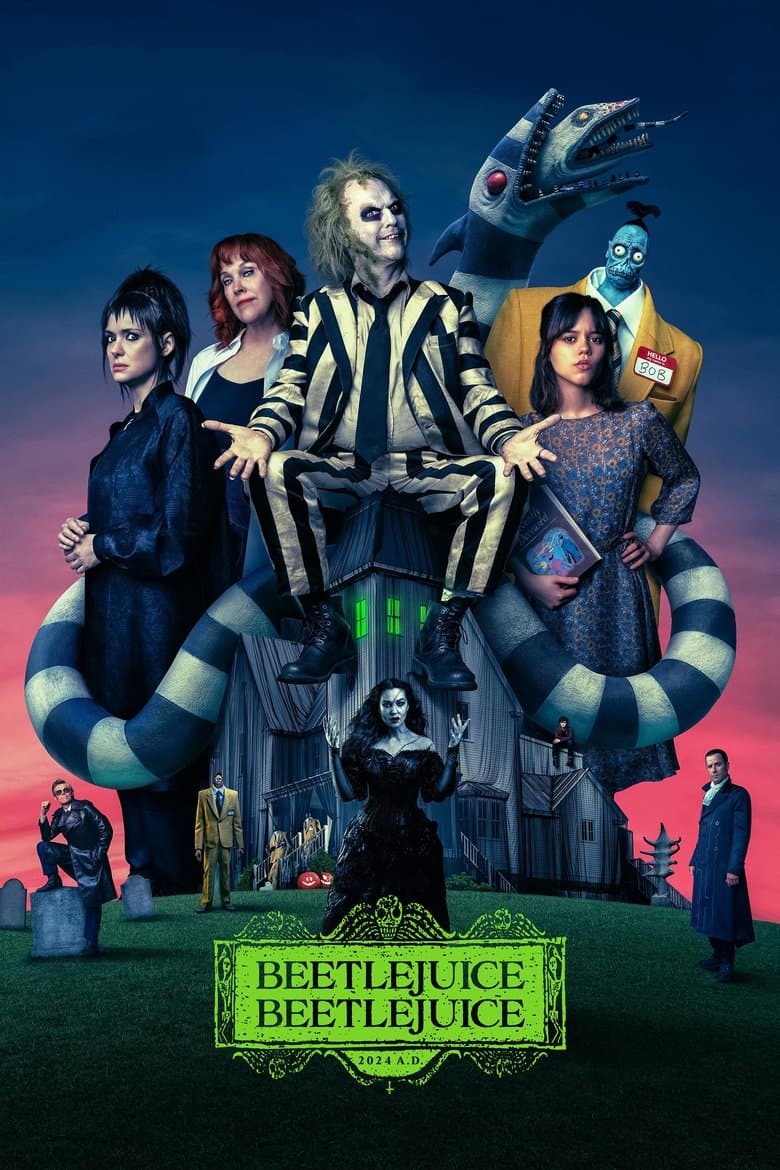
Movie · 2024
After a family tragedy, three generations of the Deetz family return home to Winter River. Still haunted by Betelgeuse, Lydia's life is turned upside down when her teenage…
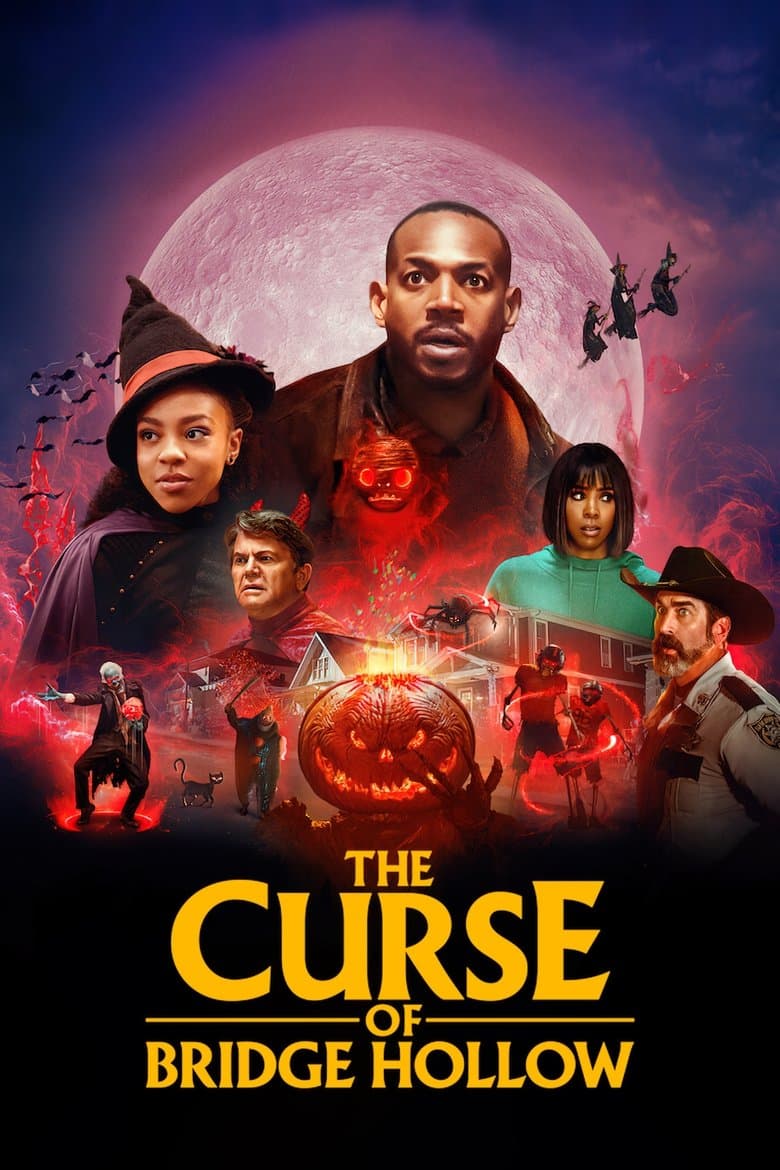
Movie · 2022
A Halloween-hating dad reluctantly teams up with his teenage daughter when an evil spirit wreaks havoc by making their town's decorations come to life.
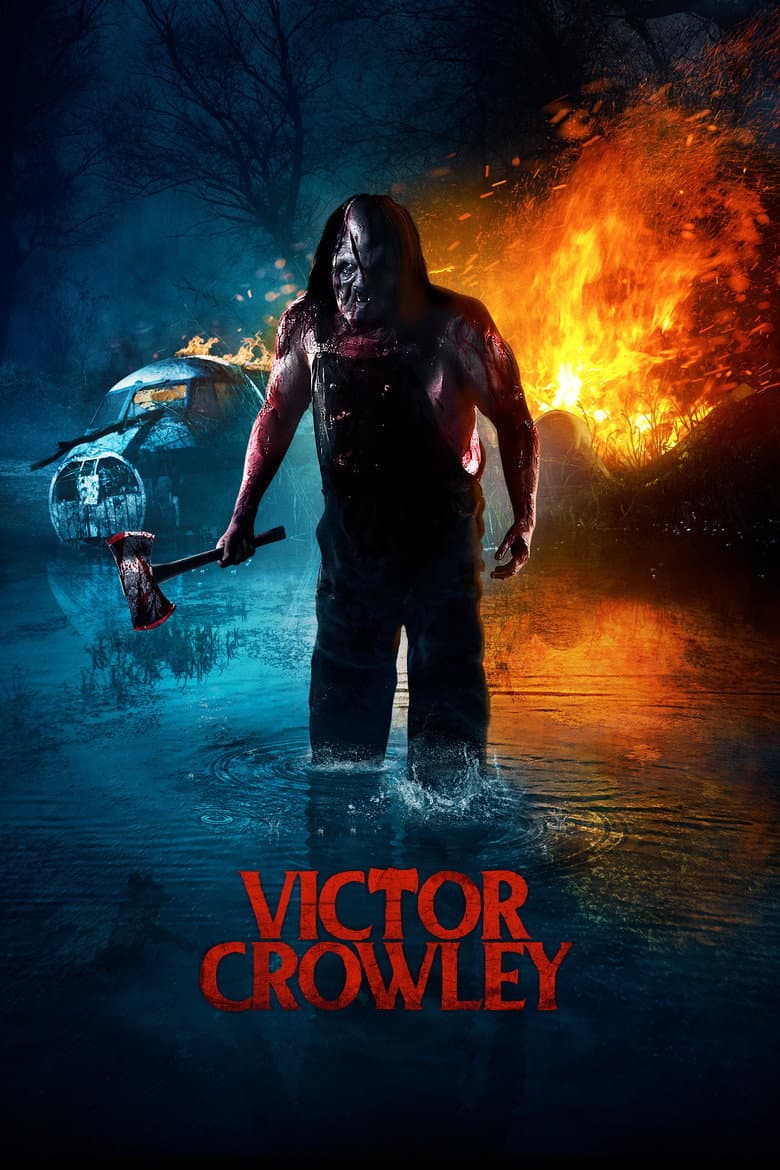
Movie · 2017
Ten years ago, over forty people were brutally torn to pieces in Louisiana’s Honey Island Swamp. Over the past decade, lone survivor Andrew’s claims that local legend Victor…
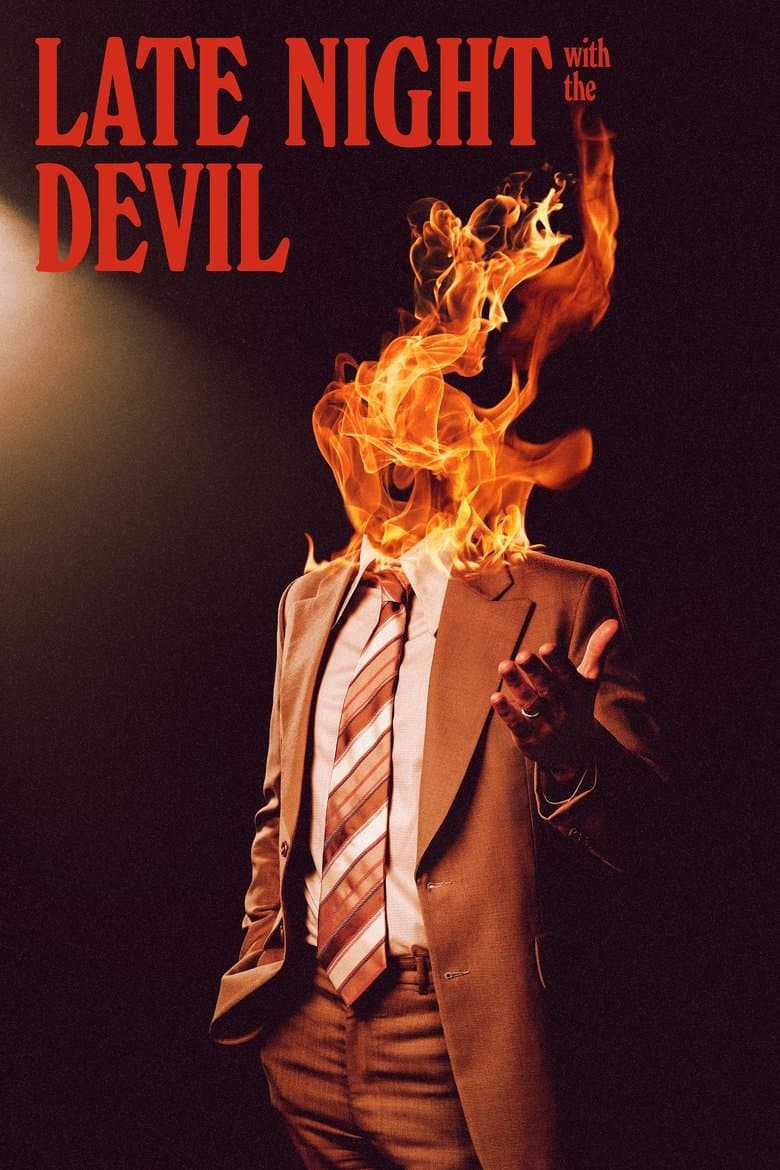
Movie · 2024
A live broadcast of a late-night talk show in 1977 goes horribly wrong, unleashing evil into the nation's living rooms.
Movie · 2022
A college reunion goes awry when Pete suspects his friends may be out to get him... As their weekend getaway grows more and more uncomfortable, should Pete be worried about his…
