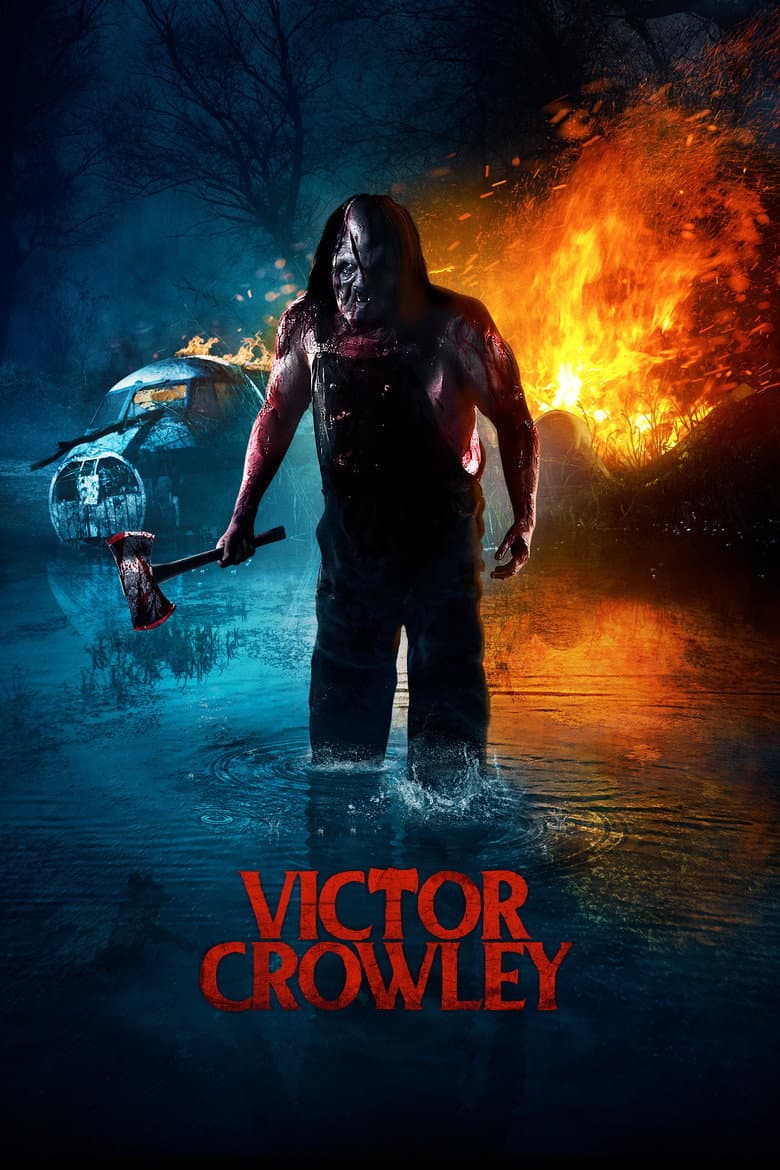
Victor Crowley follows Andrew Yong, the only known survivor of a massacre in Louisiana’s Honey Island Swamp. Ten years later, Andrew accepts a large payment to return for a true crime interview with his ex-wife Sabrina and a small television crew. A plane crash traps the group near the swamp, where a video of a voodoo curse brings the disfigured ghost Victor Crowley back to life. Andrew, Rose, and the other survivors must escape the wreck while Crowley hunts them with axes, saws, and other brutal weapons. The movie mixes supernatural slasher horror with crude jokes, fast deaths, and a dark look at people who turn real suffering into entertainment.
A brief book-signing joke uses the word homophobe when Andrew refuses to sign a man’s private parts. The movie then returns to survivor guilt, crude humor, and the race to escape the swamp. Rose, Sabrina, and the other survivors make practical choices during the attack, while Andrew struggles with shame and greed. The film’s strongest idea is that television crews and young filmmakers turn a deadly event into a way to gain money, fame, or attention. The ending keeps the focus on Victor’s curse, brutal kills, and the endless cycle of revenge.
Community feedback
Was our 11% Woke rating accurate?
Breakdown
These are the editorial factors and ratings behind our score for Victor Crowley.
Woke representation / casting
Not present. The film uses a mixed modern horror cast, but it does not frame race, gender, or diversity as a message. The main roles serve the swamp story and survival plot.
0%
Woke political dialogue
The book-signing scene includes a joke in which a man calls Andrew a homophobe because Andrew will not sign the man’s private parts. The joke uses a current identity term, but it does not become a lesson or a repeated political point. The rest of the dialogue centers on murder, money, fame, and survival.
12%
Identity-driven story themes
Not present. Andrew’s guilt, the survivors’ fear, and the crew’s greed drive the story. The movie does not turn race, gender, sexuality, or representation into a main theme.
0%
Western institutional / cultural critique
Not present. The movie mocks true-crime television and people who profit from tragedy, but it does not frame that point as a modern activist attack on Western institutions or social norms.
0%
Woke character or canon changes
Not relevant. The film continues Victor Crowley, Andrew Yong, Marybeth Dunston, and the Hatchet story without an identity-based recast or rewrite. It adds a new survival plot instead of changing a character’s race, gender, or sexuality.
0%
Anti-woke backlash and complaints
Not present. The separate X research found no anti-woke reaction. Other online comments focused on gore, jokes, pacing, and whether this sequel matched the earlier Hatchet movies.
0%
Creator track record context
Adam Green, the writer and director, has a cached score of 0/100 and is known mainly for horror and comedy. Hamza Ali, Malik B. Ali, and Badie Ali have higher cached scores because of later work tied to Palestinian and other underrepresented stories. Cory Neal has a milder cached score from some identity-centered projects. The other listed producers have 0 scores. This gives the film mild creator track record context, but no clear link to Victor Crowley’s story or marketing.
26%
Production
Movie · 2025
When twin brothers find a mysterious wind-up monkey, a series of outrageous deaths tear their family apart. Twenty-five years later, the monkey begins a new killing spree forcing…
Movie · 2026
Moments after surviving an all-out attack from the Le Domas family, Grace discovers she’s reached the next level of the nightmarish game — and this time with her estranged sister…
Movie · 2019
Columbus, Tallahassee, Wichita, and Little Rock move to the American heartland as they face off against evolved zombies, fellow survivors, and the growing pains of the snarky…
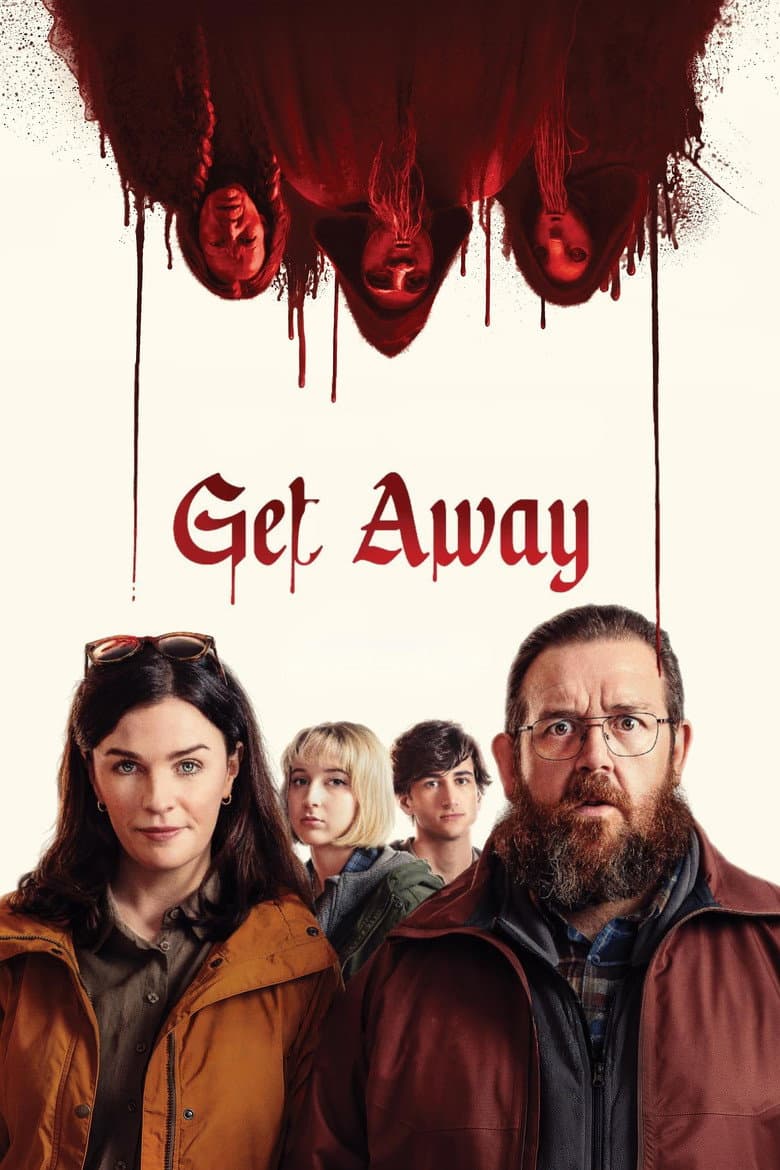
Movie · 2024
A family's vacation to a remote getaway takes an unexpected turn when they discover the present-day implications of the island's cannibalistic past.
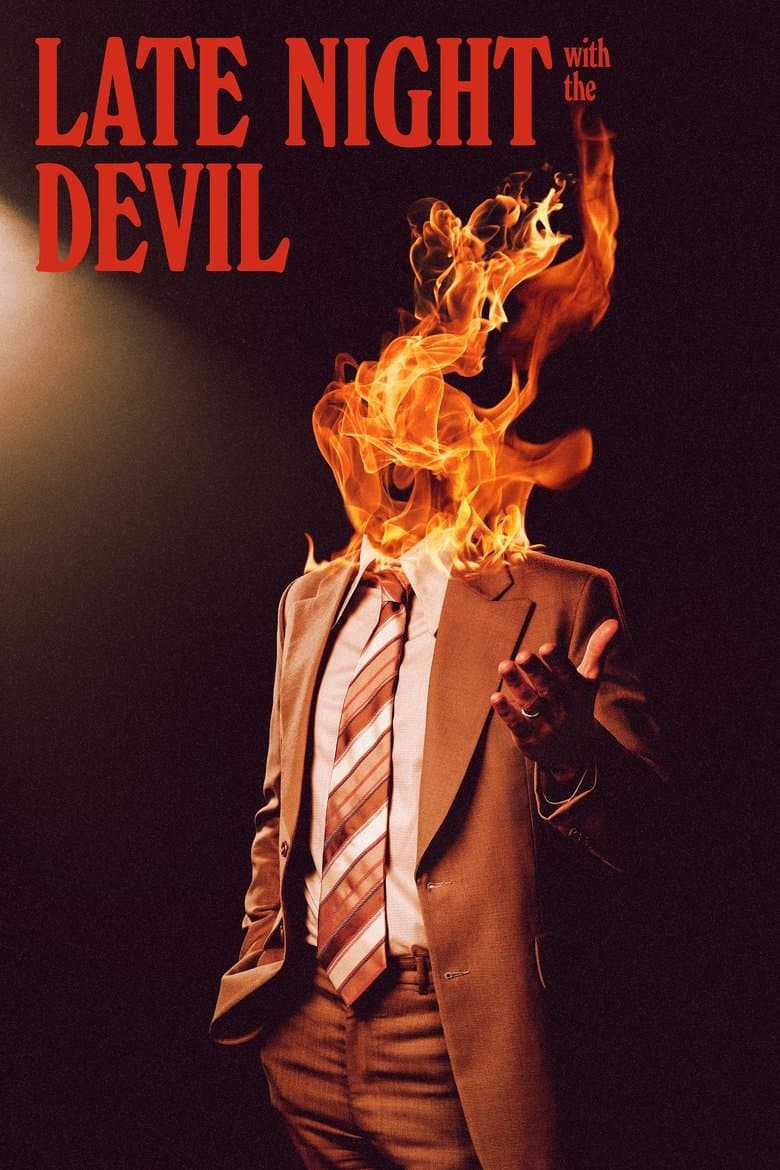
Movie · 2024
A live broadcast of a late-night talk show in 1977 goes horribly wrong, unleashing evil into the nation's living rooms.
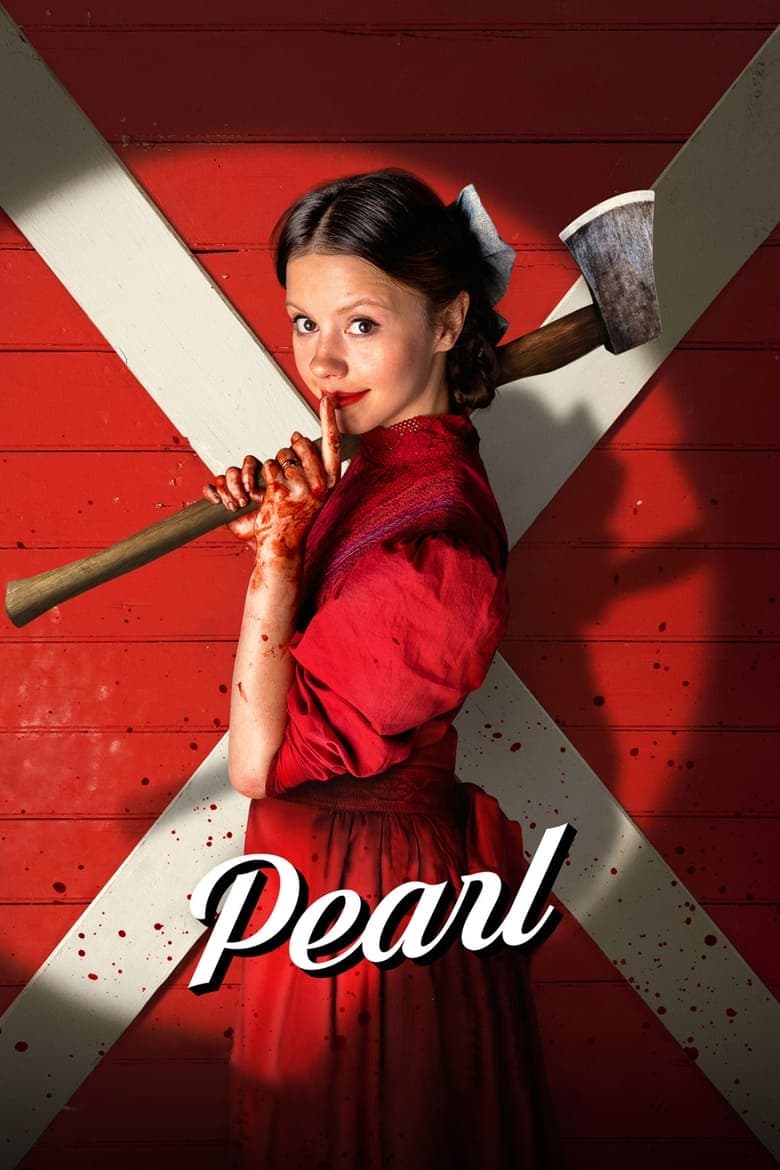
Movie · 2022
Trapped on her family’s isolated farm, Pearl must tend to her ailing father under the bitter and overbearing watch of her devout mother.
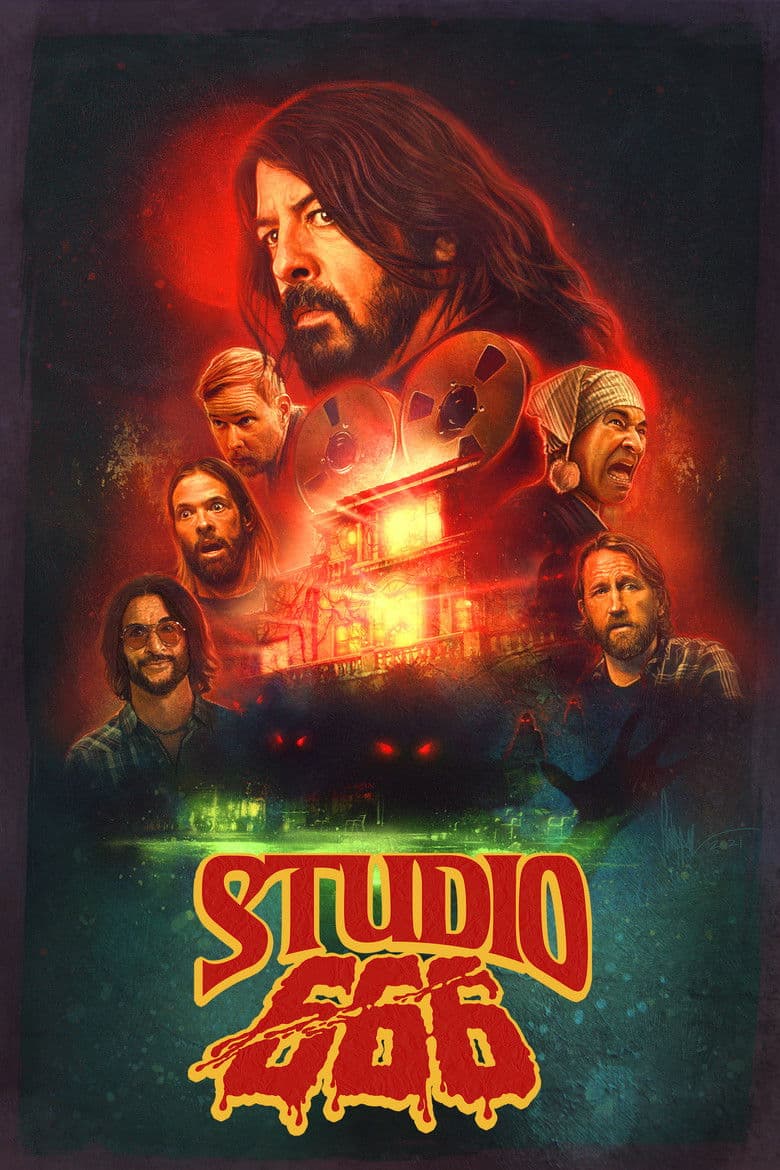
Movie · 2022
Legendary rock band Foo Fighters move into an Encino mansion steeped in grisly rock and roll history to record their much anticipated 10th album.
Movie · 2018
A family is forced to live in silence while hiding from creatures that hunt by sound.
