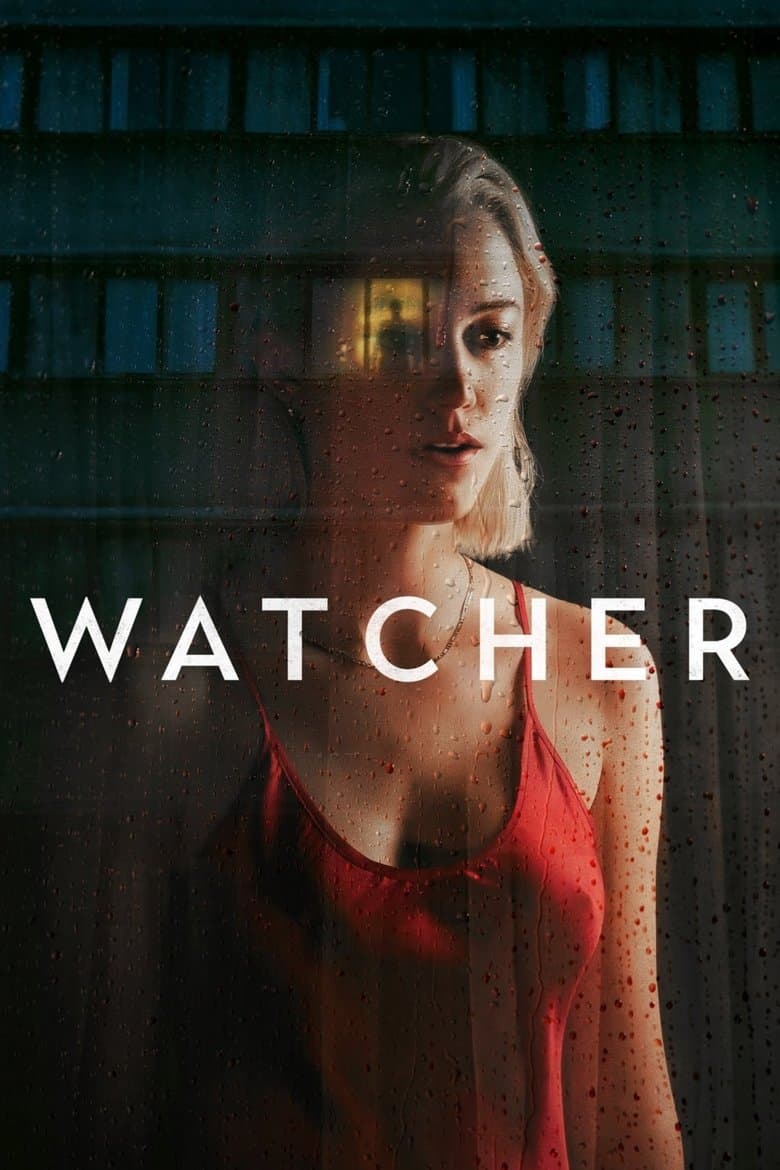
Julia moves from the United States to Bucharest with her husband, Francis, after he takes a job there. She has left her acting work behind, and she spends long days alone in a city where she does not speak the language well. She sees a man watching her from a window and starts to fear that he may be the serial killer who has been attacking women nearby. The quiet thriller follows her growing fear as Francis, the police, and other people question what she sees.
The film makes Julia’s experience as a woman the main lens for the danger. The story returns again and again to her being watched, followed, doubted, and pushed to control her own emotions. The film shows male violence and a husband’s failure to understand her fear, then gives Julia the proof and strength to act for herself. These ideas are clear and important, but they are carried through the suspense story instead of long political speeches or a broad debate about society.
Community feedback
Was our 41% Woke rating accurate?
Breakdown
These are the editorial factors and ratings behind our score for Watcher.
Woke representation / casting
Not present. Casting uses white American leads Maika Monroe and Karl Glusman with Burn Gorman and Romanian supporting actors; it follows the story of an American couple in Bucharest and shows no audience-visible identity signaling, quota-style representation, or mismatched prominent roles.
0%
Woke political dialogue
Not present in this title.
0%
Identity-driven story themes
The film centers on Julia’s fear that a man is watching and following her. The story shows her husband, the police, and other people treating her warning as an overreaction before the danger is proved real. Julia’s self-doubt and final fight give the film a clear message about trusting women who say they are in danger. The theme stays important from the first warning through the ending.
50%
Western institutional / cultural critique
The film makes Francis’s failure to understand Julia’s fear a major source of conflict. The watcher and serial killer bring male violence into her home, streets, and public places. The ending rejects the idea that Julia is simply imagining things and gives her the power to save herself. The film does not expand this conflict into a broad attack on capitalism, religion, or Western society.
42%
Woke character or canon changes
Not relevant. The film is based on an original screenplay with no established characters, source material, or historical figures altered through identity-driven or DEI changes.
0%
Anti-woke backlash and complaints
Not present. No notable anti-woke or right-leaning complaints exist that treat the film as pushing woke, DEI, identity politics, or activist messaging; public and critical discussion stayed focused on suspense, pacing, and performances.
0%
Creator track record context
Chloe Okuno’s earlier work and interviews focus on women facing danger, doubt, and the male gaze. She has said that her own fear as a woman shaped the film. Zack Ford has a mild liberal record from local work on water protection and a Pride flag. The listed producers have no known activist pattern.
24%
Production
Movie · 2019
When a 12-year-old boy goes missing at a local park, a detective investigates the case to help the boy's family find answers.

Movie · 2021
Paranormal investigators Ed and Lorraine Warren encounter what would become one of the most sensational cases from their files.

Movie · 2019
Newcomer Evan joins a group of teens on a getaway in Joshua Tree. While exchanging ghost stories around the campfire, Evan reads aloud a mysterious chant from an internet site.

Movie · 2023
Jess, a newly separated mother and nurse, moves into her old family farmhouse with Tyler, her teenage daughter, and Owen, her eight-year-old son.

Movie · 2024
After reluctantly moving to the German Alps with her father and his new family, Gretchen discovers that their new town hides sinister secrets, as she's plagued by strange noises…

Movie · 2020
When a father is forced to abruptly depart for work, he leaves his children, Aidan and Mia, at their holiday home in the care of his new girlfriend, Grace.
Movie · 2025
Two parents enter a race against time when they receive a distressing late-night phone call from their daughter after she caused a tragic car accident.

Movie · 2023
Between the events of 'Saw' and 'Saw II', a sick and desperate John Kramer travels to Mexico for a risky and experimental medical procedure in hopes of a miracle cure for his…
