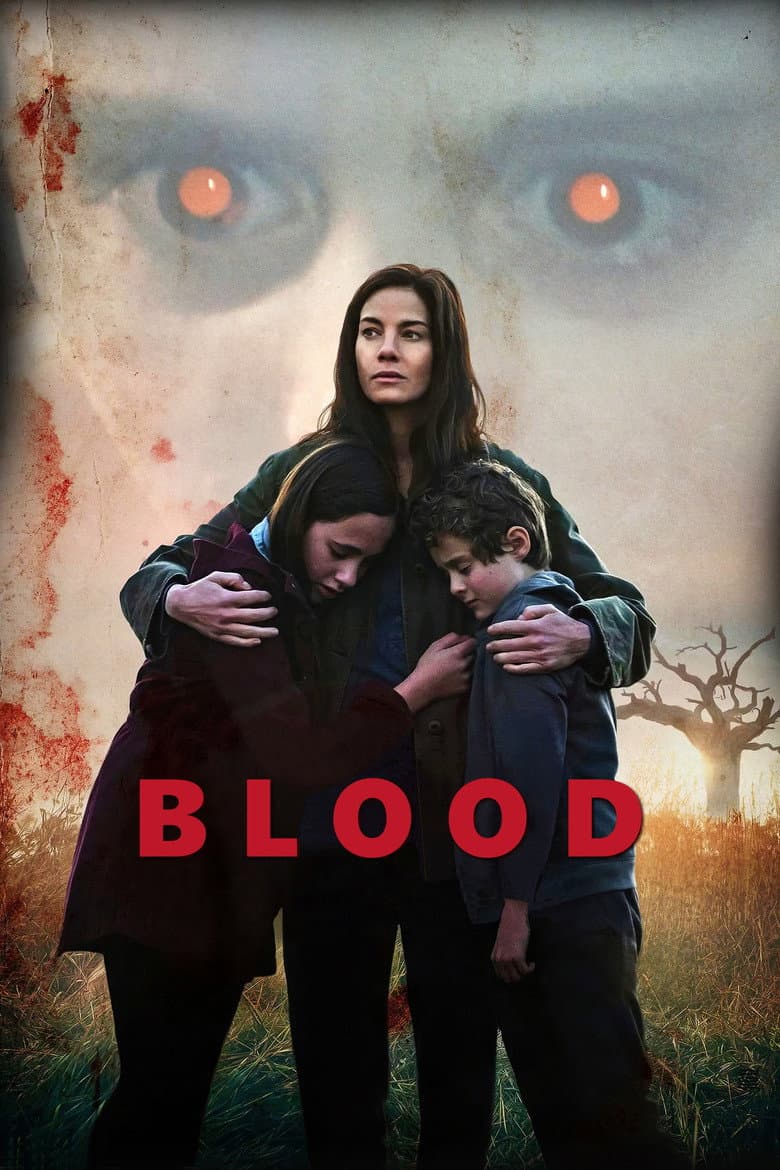
Blood follows Jess, a nurse and recovering addict who has just separated from her husband. She moves her teenage daughter Tyler and eight-year-old son Owen into the family farmhouse after regaining custody of them. The family dog runs into the woods, returns changed, and bites Owen so badly that he needs hospital care. Owen then grows sick, craves human blood, and becomes dangerous, while Jess tries to hide the truth and keep the family together. The film has a grim and tense horror tone.
The story asks how far a parent can go to save a child. Jess steals blood from the hospital, feeds Owen her own blood, and later imprisons a dying patient when the supply runs out. Her past addiction makes each choice harder because the father and child protection workers already doubt her. Tyler sees Owen’s change more clearly than her mother does and tries to stop the danger. The ending forces Jess to choose between her son and everyone he may hurt.
Community feedback
Was our 3% Woke rating accurate?
Breakdown
These are the editorial factors and ratings behind our score for Blood.
Woke representation / casting
Not present. Jess leads the film as a nurse and mother, but the story gives no representation message about her sex, race, or identity. The supporting cast has ordinary doctors, nurses, and patients, with no clear diversity-first pattern.
0%
Woke political dialogue
Not present. The characters discuss illness, addiction, divorce, custody, and survival. No one gives activist, party-political, or identity-politics speeches.
0%
Identity-driven story themes
Not present. The story centers on motherhood, addiction, illness, and family loyalty. Those themes do not become a message about identity politics.
0%
Western institutional / cultural critique
Not present. The hospital, courts, and child protection workers create pressure because Jess steals blood and hides Owen’s condition. The film does not frame them as symbols of patriarchy, capitalism, or a wider Western system.
0%
Woke character or canon changes
Not relevant. The film is an original horror story with no established character or source canon to change.
0%
Anti-woke backlash and complaints
Not present. Searches found no notable complaints that the film pushes woke, DEI, or identity-politics ideas. Audience discussion focuses on pacing, the tree, the ending, and unanswered questions.
0%
Creator track record context
Producer Daniel Bekerman has publicly supported diversity in storytelling and support for Black, Indigenous, queer, and women filmmakers. The other cached creator profiles show little or no activist or identity-driven work. This gives the title a weak creator-context signal, but the film does not connect it to identity-driven content.
15%
Production
Movie · 2019
When a 12-year-old boy goes missing at a local park, a detective investigates the case to help the boy's family find answers.
Movie · 2025
Two parents enter a race against time when they receive a distressing late-night phone call from their daughter after she caused a tragic car accident.
Movie · 2022
When twin brothers arrive home to find their mother’s demeanor altered and face covered in surgical bandages, they begin to suspect the woman beneath the gauze might not be their…
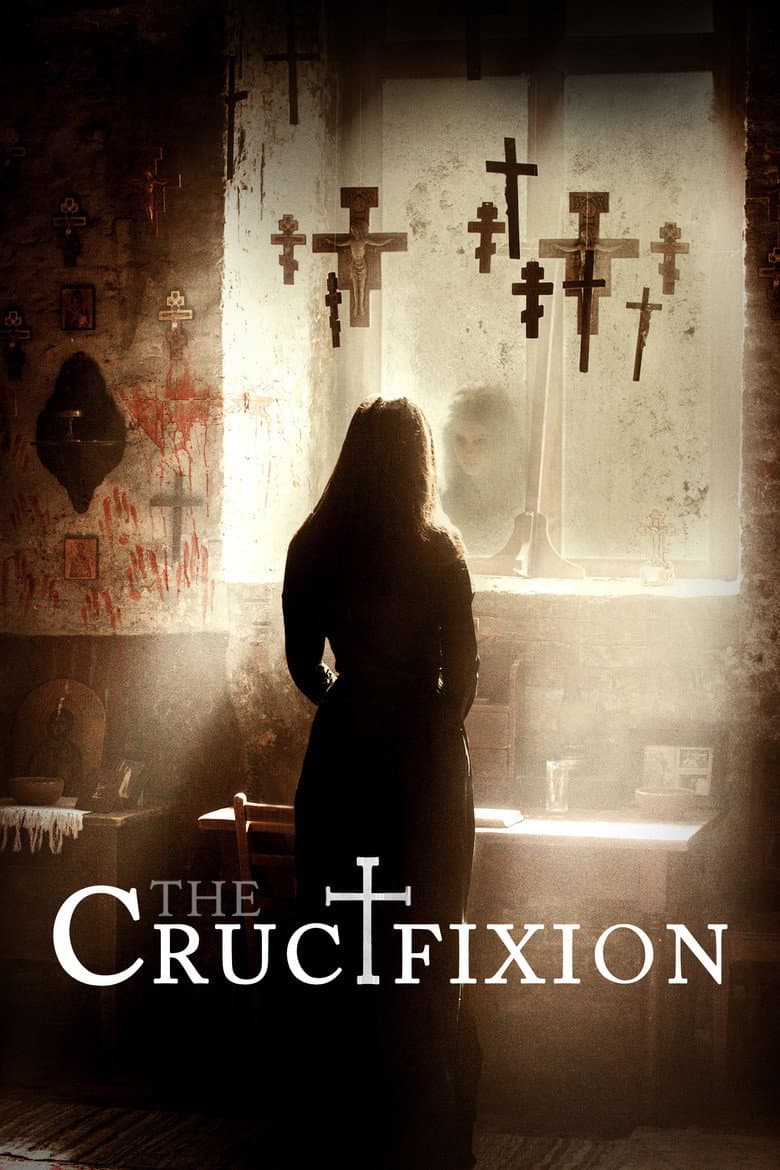
Movie · 2017
When a priest is jailed for the murder of a nun on whom he was performing an exorcism, an investigative journalist strives to determine whether he in fact murdered a mentally ill…
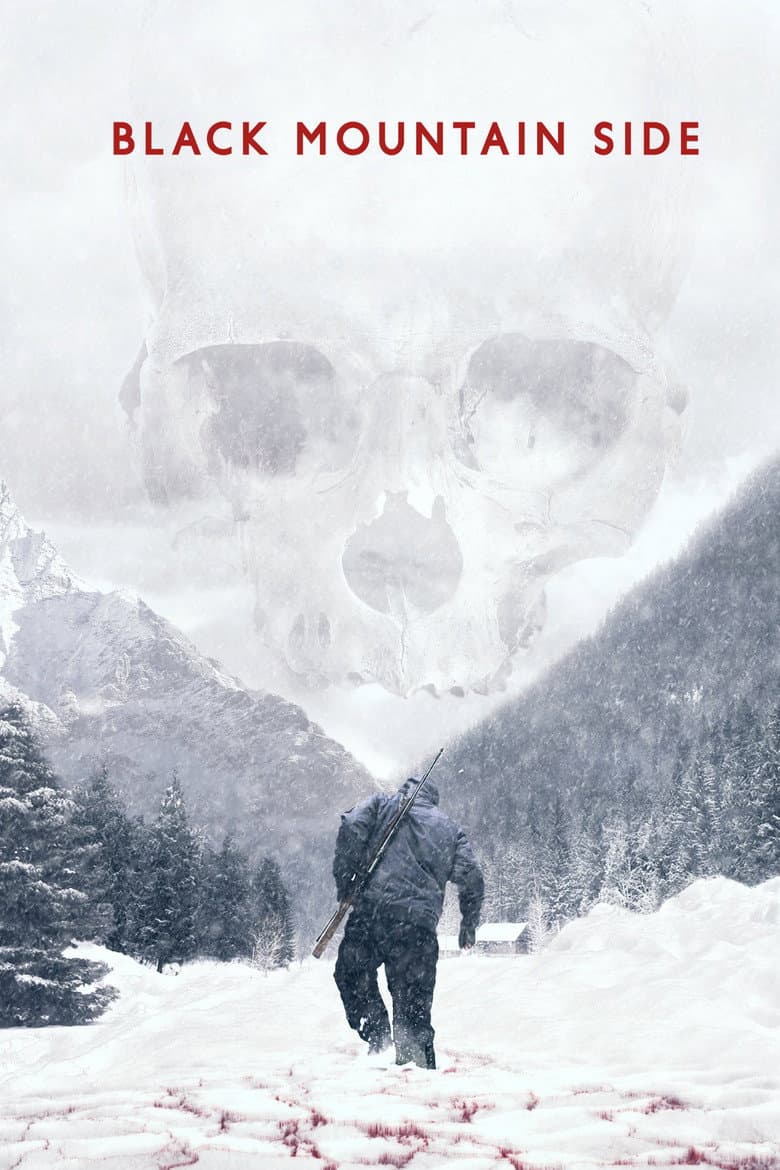
Movie · 2016
A group of archaeologists working in Northern Canada uncover a strange structure dating over ten thousand years before the present.
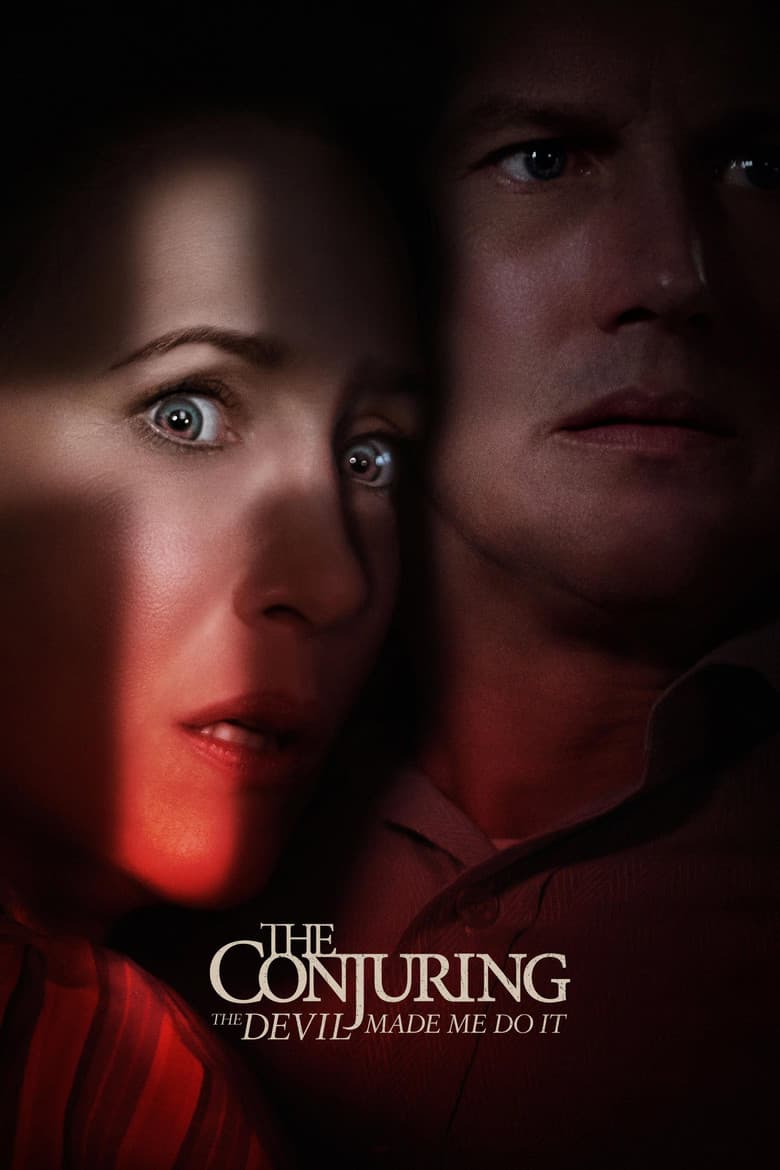
Movie · 2021
Paranormal investigators Ed and Lorraine Warren encounter what would become one of the most sensational cases from their files.
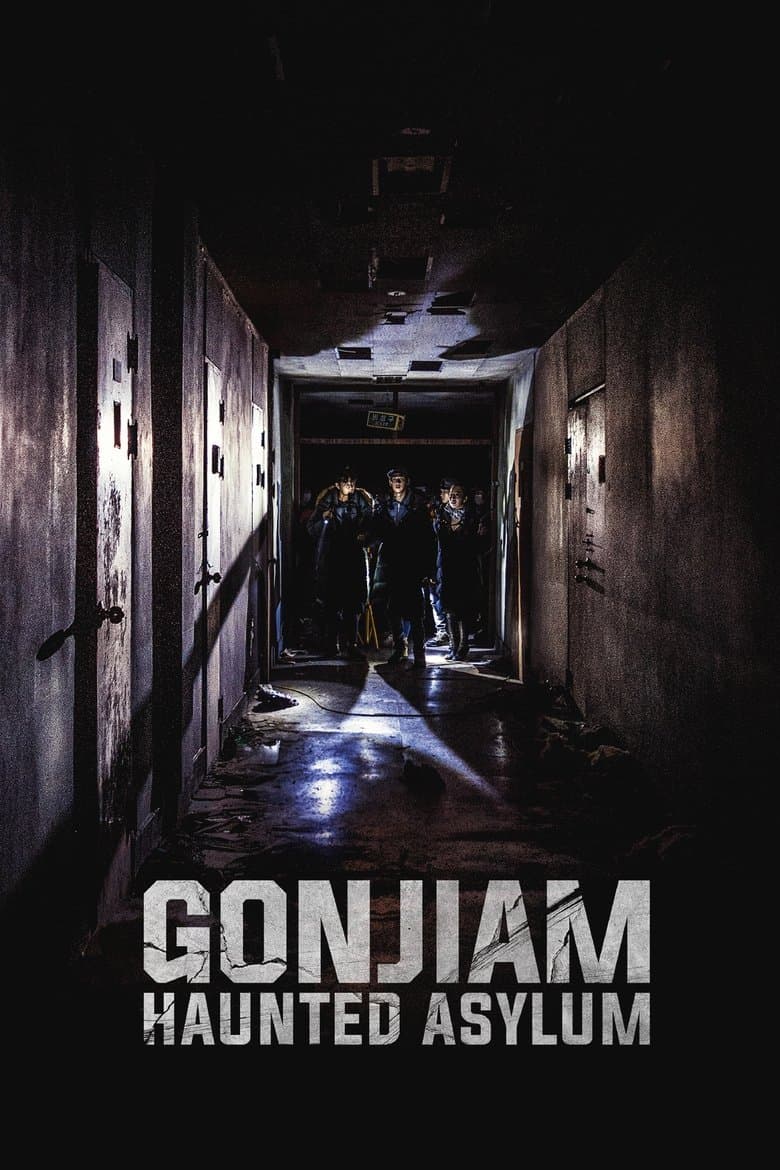
Movie · 2018
The crew of a horror web series travels to an abandoned asylum for a live broadcast, but they encounter much more than expected as they move deeper inside the nightmarish old…
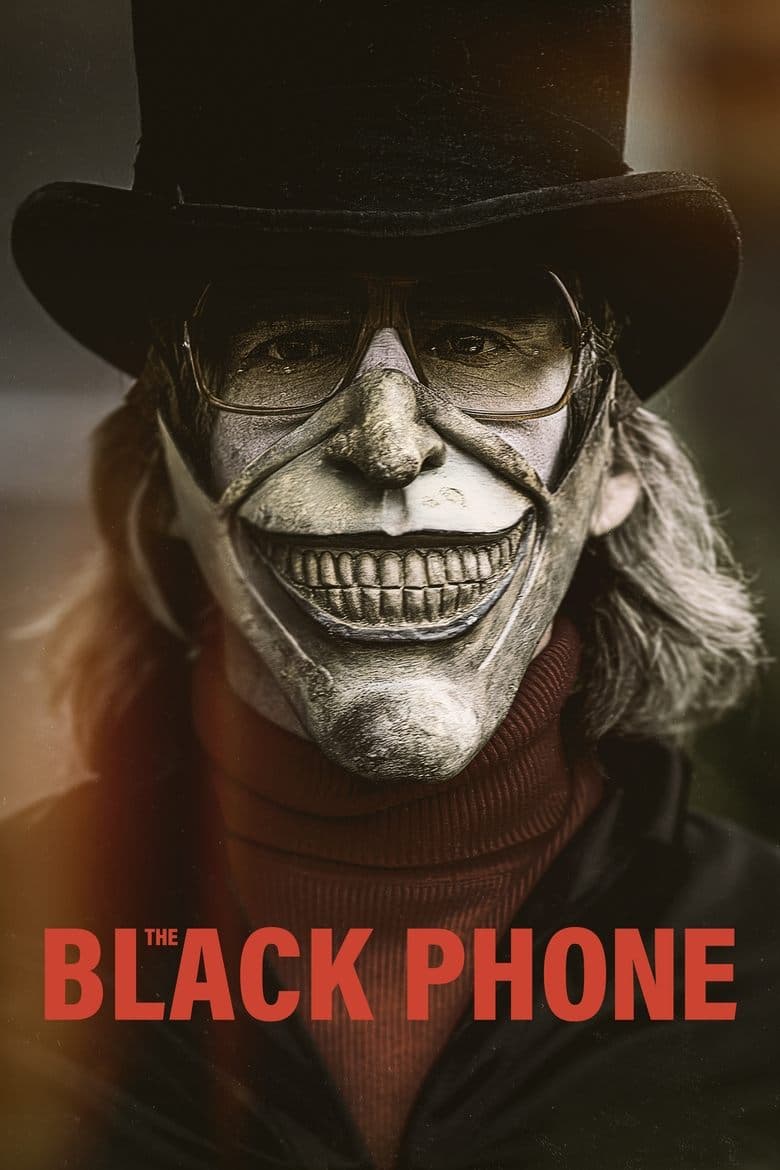
Movie · 2022
Finney Blake, a shy but clever 13-year-old boy, is abducted by a sadistic killer and trapped in a soundproof basement where screaming is of little use.
