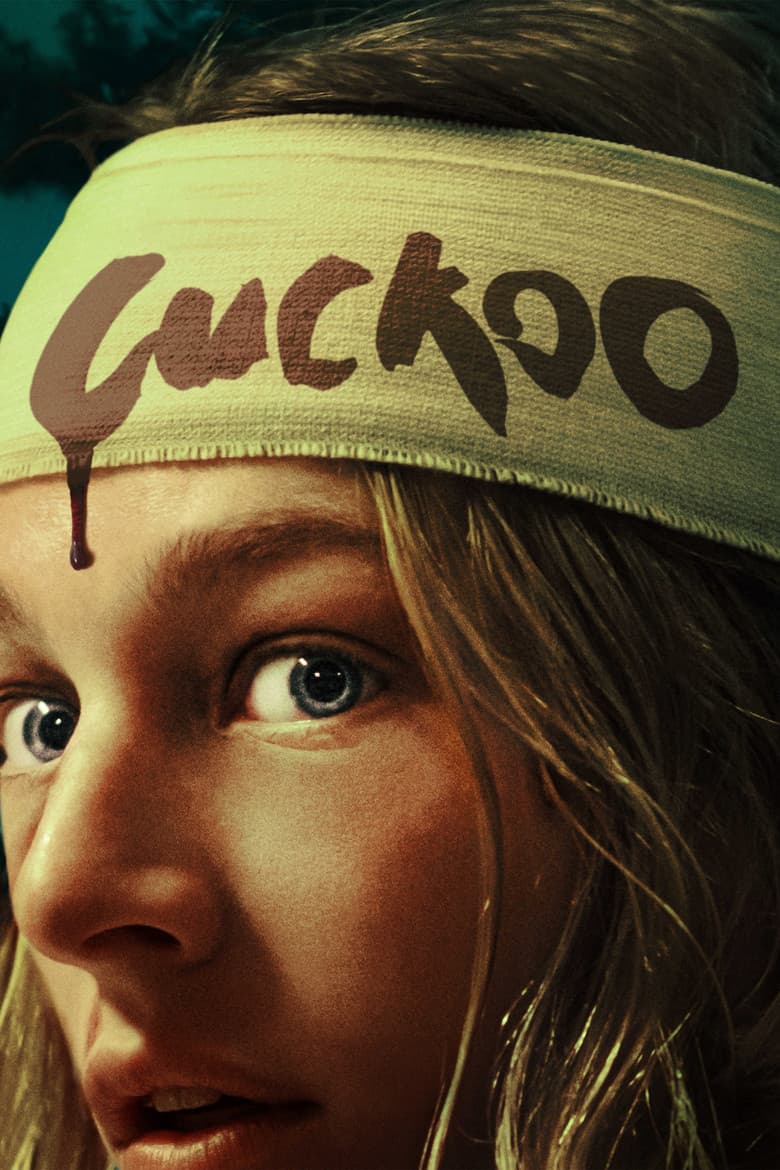
Cuckoo follows Gretchen, a grieving 17-year-old who is forced to leave the United States and live with her father, his new wife, and her young half-sister in a German Alpine resort. Gretchen feels shut out by the new family, and she plans to earn money and return home. She takes a front-desk job with the resort owner, Herr König, but strange cries, time skips, sick guests, and a woman who hunts her make the town feel wrong. The film uses body horror, sudden violence, and dreamlike mystery, so its mood stays tense and often confusing.
The movie also gives Gretchen a short romantic connection with Ed, a female guest, and their escape plan includes a kiss and a fight to survive. That lesbian element is visible, but it is not the main reason for the horror. The main story centers on König's secret breeding program, which uses women to carry bird-like children and treats families as nests. Gretchen's final choice to protect Alma turns the frightening family story into a message about sisterhood, belonging, and breaking a harmful family pattern.
Community feedback
Was our 26% Woke rating accurate?
Breakdown
These are the editorial factors and ratings behind our score for Cuckoo.
Woke representation / casting
Hunter Schafer is a publicly known transgender actress in the lead role, and Gretchen has a visible romance with Ed, a woman. The wider cast includes actors from minority backgrounds in family and medical roles, but the choices fit a modern story. The film does not make the casting a diversity campaign. This creates a small audience-visible identity signal without a clear mismatch.
18%
Woke political dialogue
Not present. The dialogue has no clear discussion of current politics, DEI, identity policy, or activist movements. The film’s talk about nature and breeding supports the horror plot instead.
0%
Identity-driven story themes
Gretchen has a brief but clear romantic story with Ed, a female guest, and that connection helps shape Gretchen’s escape plan. The main horror also centers on women being used as unwilling hosts in a secret breeding program. Director Tilman Singer said the film can be read through reproductive health and sisterhood, but he did not claim a concrete political message. Family belonging and the bond between Gretchen and Alma remain more important than the queer romance.
32%
Western institutional / cultural critique
Not present. The film shows a wealthy man and his helpers abusing women and hiding crimes, but it treats them as horror villains. It does not turn that plot into a current critique of patriarchy, Western culture, or social institutions.
0%
Woke character or canon changes
Not relevant. Cuckoo is an original story, so it does not change an established character, canon, or real historical event.
0%
Anti-woke backlash and complaints
One Spanish-language user review called the lesbian subplot a progressive agenda addition and called the ending woke justice. That is a clear anti-woke complaint, but it appears to be an isolated review rather than a broad campaign or news controversy. Most other audience and news discussion focused on the confusing plot, horror, and performances.
12%
Creator track record context
The cached scores for Tilman Singer, the casting directors, and most producers are low. Tom Quinn and Jeff Deutchman have higher cached scores because of broader liberal or diversity-related work. Singer’s title interviews discuss family, generational cycles, and horror rather than an activist goal, so the creator track record context is weak.
12%
Production
Movie · 2019
When a 12-year-old boy goes missing at a local park, a detective investigates the case to help the boy's family find answers.
Movie · 2023
Jess, a newly separated mother and nurse, moves into her old family farmhouse with Tyler, her teenage daughter, and Owen, her eight-year-old son.

Movie · 2021
Paranormal investigators Ed and Lorraine Warren encounter what would become one of the most sensational cases from their files.
Movie · 2017
When a priest is jailed for the murder of a nun on whom he was performing an exorcism, an investigative journalist strives to determine whether he in fact murdered a mentally ill…
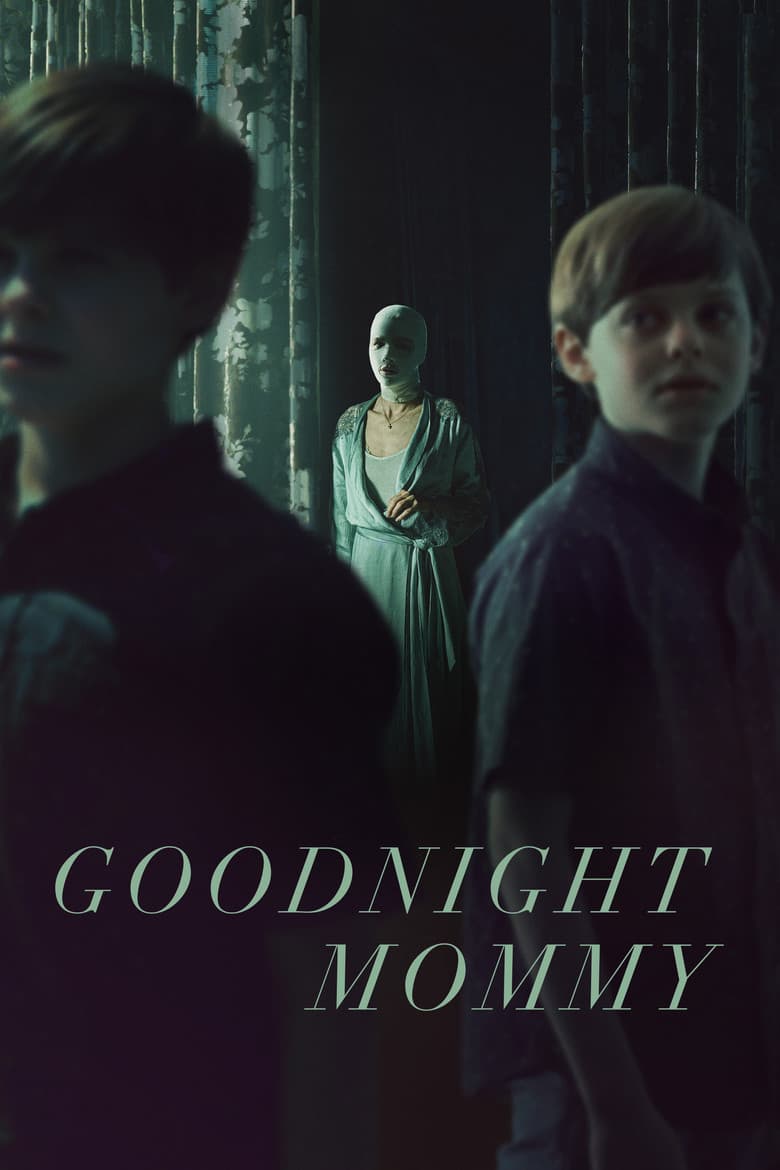
Movie · 2022
When twin brothers arrive home to find their mother’s demeanor altered and face covered in surgical bandages, they begin to suspect the woman beneath the gauze might not be their…
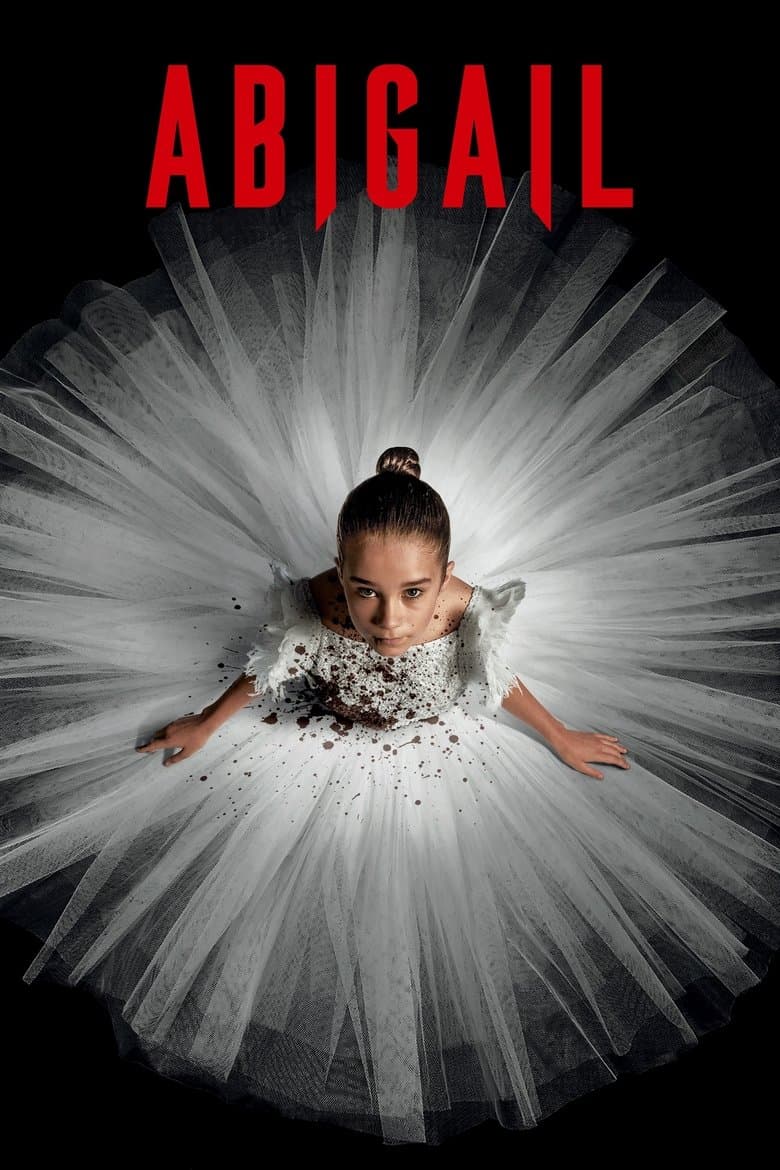
Movie · 2024
A group of criminals kidnap a teenage ballet dancer, the daughter of a notorious gang leader, in order to obtain a ransom of $50 million, but over time, they discover that she is…
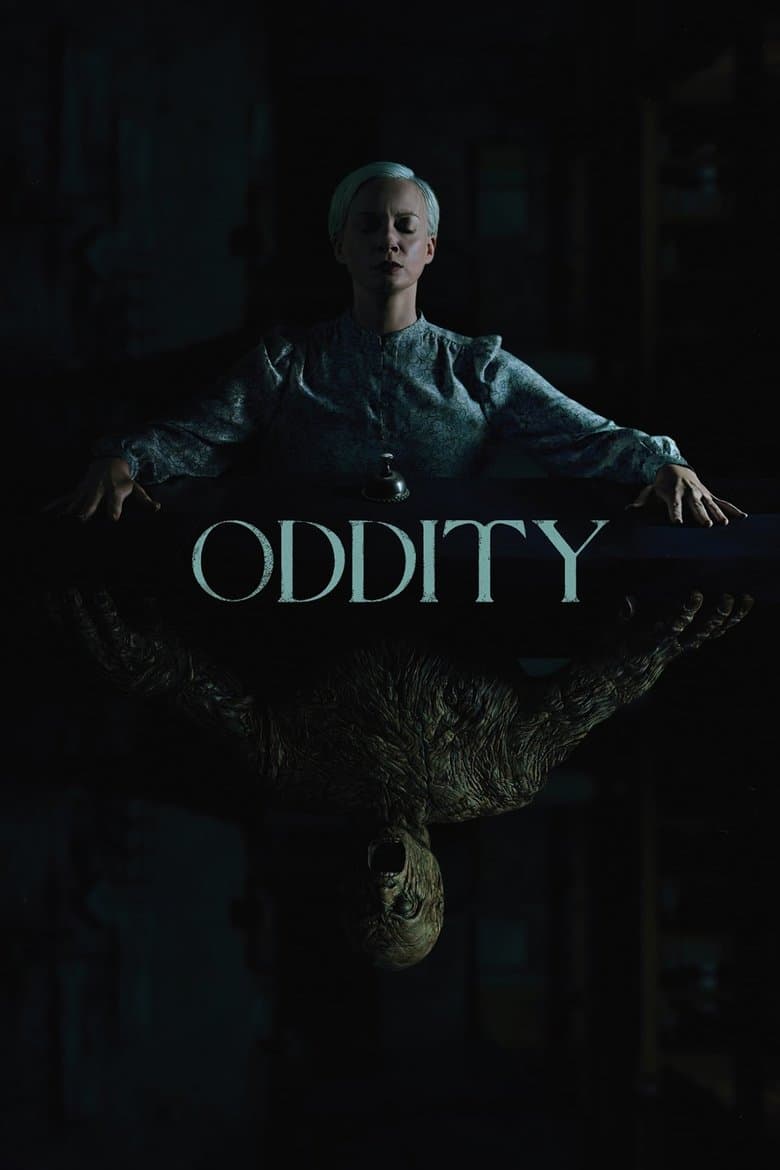
Movie · 2024
After the brutal murder of her twin sister, Darcy goes after those responsible by using haunted items as her tools for revenge.

Movie · 2024
Nothing is what it seems when a twisted one-night stand spirals into a serial killer’s vicious murder spree.
