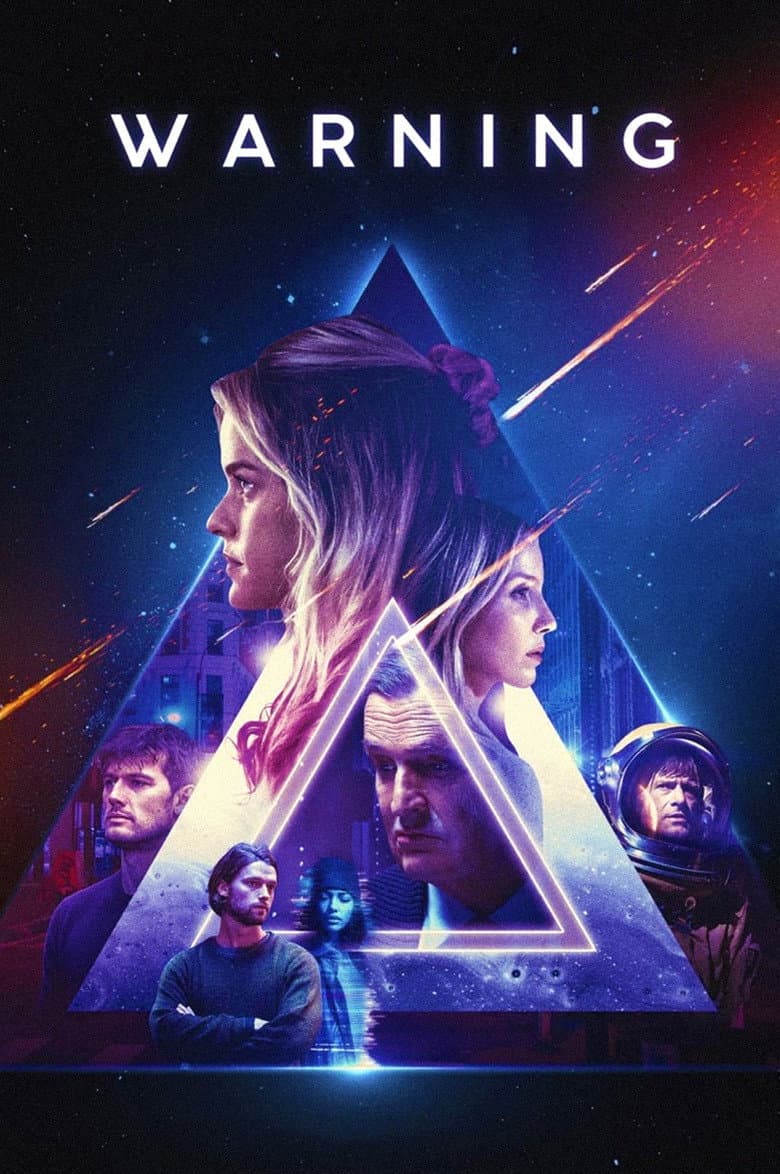
Warning is a dark science-fiction movie set on Earth in the near future. A global storm and falling space rocks break the technology that runs daily life. An astronaut drifts away from a satellite while several people face lonely and dangerous problems on the ground. The stories follow a woman who treats an AI device as God, a couple divided by a life-extension service, a man who stalks his ex in virtual reality, and people caught in a body-swapping service. The tone is bleak, strange, and sometimes dryly funny.
The movie has only a small amount of identity-focused material. A party scene briefly shows a woman with a female partner, and one woman says that she likes girls. The body-swapping story places an older man's mind in a teenage girl's body, but it treats that idea as a dark technology and permission problem rather than a message about gender identity. Most of the movie warns about replacing faith, love, memory, and human contact with paid devices, artificial bodies, virtual reality, or life extension. The story also shows wealthy immortals looking down on a mortal woman, but it does not turn that conflict into a broad political lesson.
Community feedback
Was our 15% Woke rating accurate?
Breakdown
These are the editorial factors and ratings behind our score for Warning.
Woke representation / casting
Not present. The cast is mostly white, and its one clear black supporting role does not form a repeated identity pattern. The film does not frame its casting as a diversity goal or use a repeated representation pattern in major roles.
0%
Woke political dialogue
Not present. The dialogue discusses technology, faith, death, loneliness, and relationships. It does not push modern identity, DEI, or activist ideas.
0%
Identity-driven story themes
One party scene briefly shows a woman with a female partner. A woman also says that she likes girls. The film does not make that relationship a main plot or repeat it across the story. Its main themes involve technology and human isolation.
12%
Western institutional / cultural critique
The God 2.0 story turns prayer into a paid service that tracks sins and sells an ad-free upgrade. The device mocks the business side of religion, and the ending includes a joke about thoughts and prayers. The immortality story shows a rich family treating a mortal woman as beneath them. These brief ideas support the warning about technology and do not grow into a broad attack on Western culture.
18%
Woke character or canon changes
Not relevant. The film is an original science-fiction story with no established characters or historical figures. Its body-swapping plot is a new story device, not a change to existing canon.
0%
Anti-woke backlash and complaints
Not present. No anti-woke or DEI complaints appear in the available X report or the searched news, Reddit, YouTube, and audience-review results. Public comments focus on the film's confusing structure, weak links between stories, and technology ideas.
0%
Creator track record context
Agata Alexander and writers Jason Kaye and Rob Michaelson have no strong public record of activist or DEI work. Most producers also have little such record. Stephen Mao has a stronger record of backing women and queer stories, and Cybill Lui has some support for diverse women. This gives the movie limited creator track record context.
15%
Production
Movie · 2019
Three astronomers accidentally intercept what they believe to be a signal from a distant alien civilization, but the truth is even more incredible than any of them could have…

Movie · 2017
Jimmy is a committed child psychologist who uses his own playbook, but when he is brought in to work with Ellie, he is completely unprepared for his subject—a 9-year-old…
Movie · 2017
Thirty years after the events of the first film, a new blade runner, LAPD Officer K, unearths a long-buried secret that has the potential to plunge what's left of society into…

Movie · 2026
When their plan to book a show at the Rivoli goes horribly wrong, Matt and Jay accidentally travel back to the year 2008.
Movie · 2023
A lonely woman battles extraterrestrials who threaten her future while forcing her to face her past.
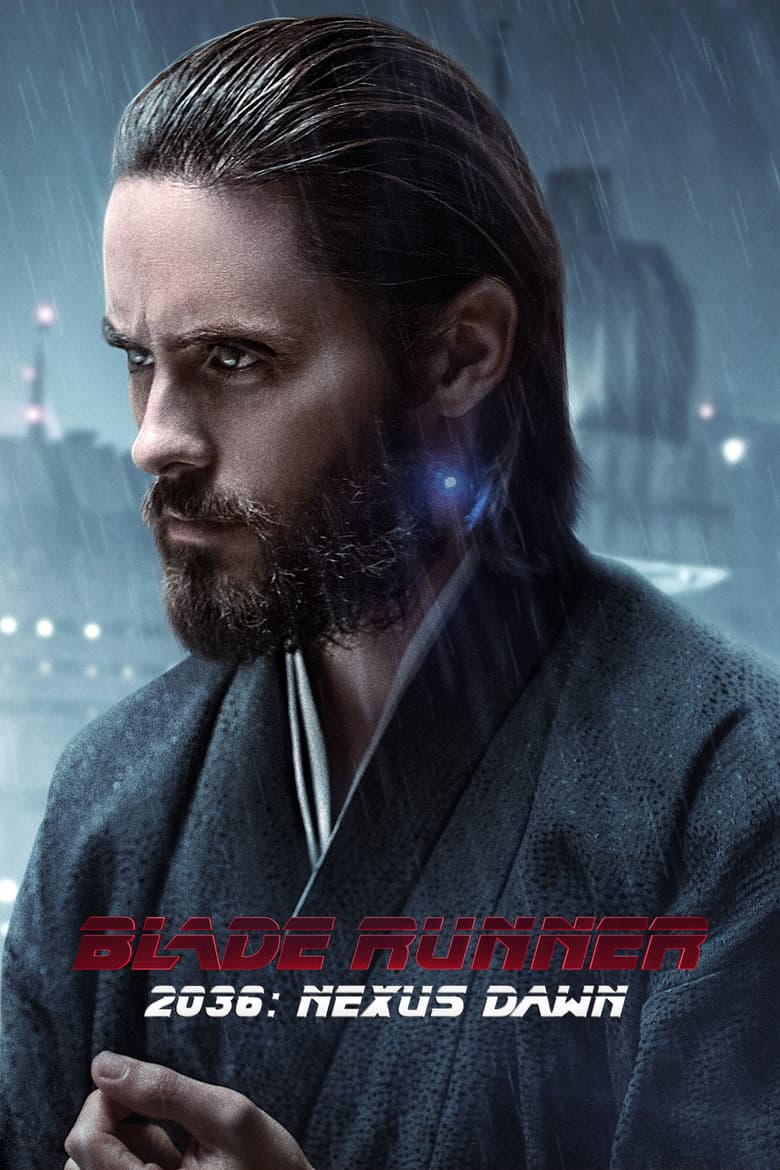
Movie · 2017
This in-world short film takes place in the year 2036 and revolves around Jared Leto’s character, Niander Wallace.

Movie · 2020
As a grisly virus rampages a city, a lone man stays locked inside his apartment, digitally cut off from seeking help and desperate to find a way out.
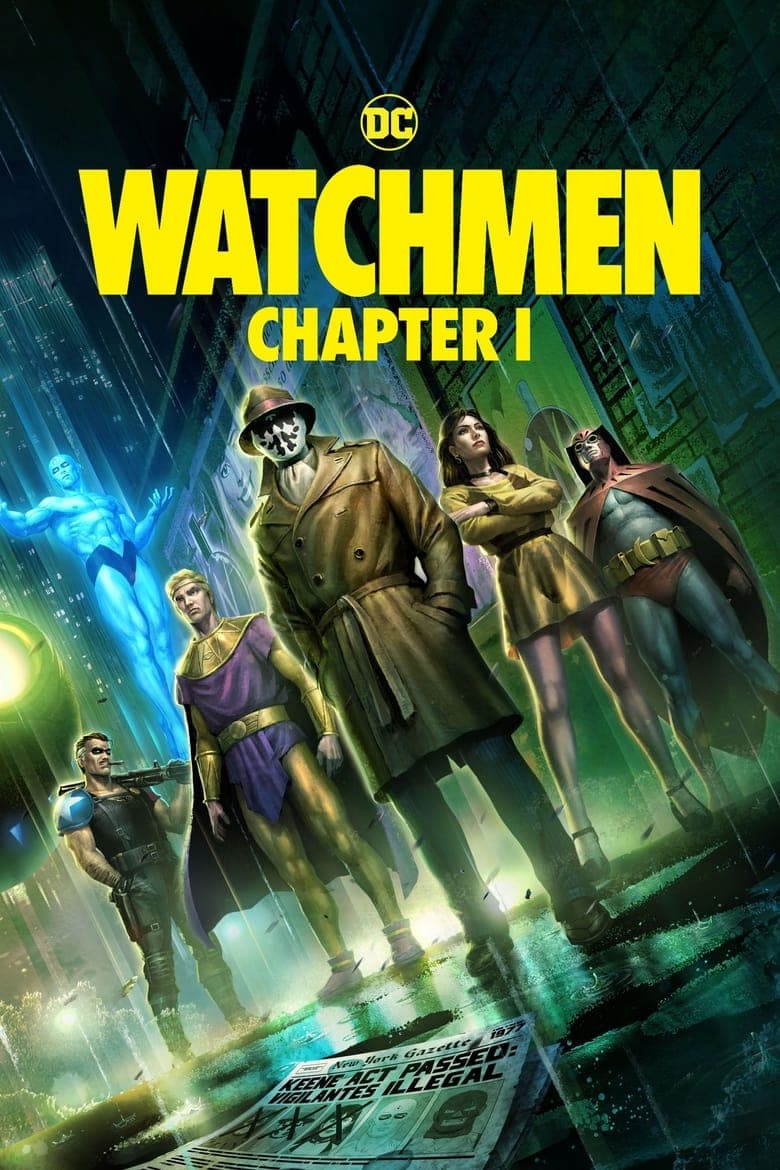
Movie · 2024
In 1985, the murder of a government-sponsored superhero draws his outlawed colleagues out of retirement and into a mystery that threatens to upend their personal lives and the…
