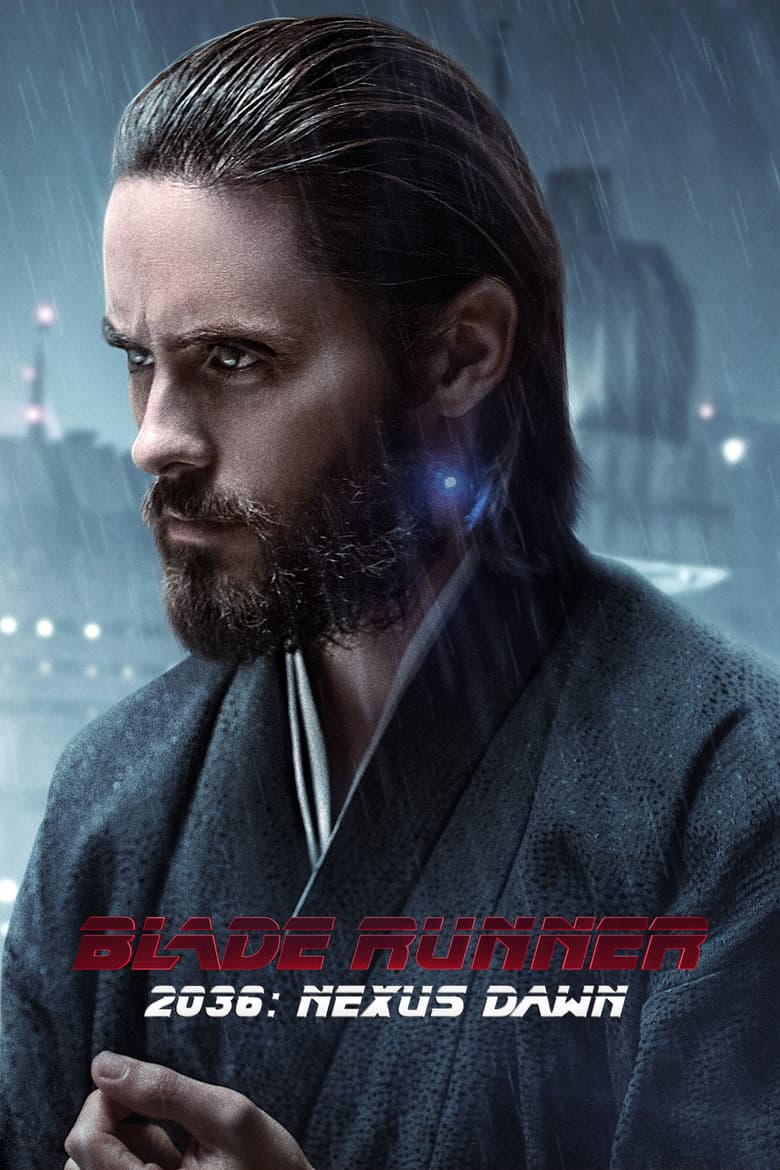
Niander Wallace visits a hearing in Los Angeles in 2036. He wants officials to lift the ban on making replicants, artificial people built to work for humans. Wallace says his food patents helped people survive, and he says new replicants can help a dying Earth. The short has a cold, tense tone and ends with a cruel test of obedience.
The story asks whether a created person can have a life of his own when his maker controls every choice. Wallace calls the Nexus 9 an angel, but he treats the male replicant as a tool and orders him to cut himself and die. The hearing joins questions about law, hunger, labor, and human survival to the fear of another replicant disaster. The short keeps these ideas inside a science fiction debate about free will, forced work, and the power of a rich company.
Community feedback
Was our 3% Woke rating accurate?
Breakdown
These are the editorial factors and ratings behind our score for 2036: Nexus Dawn.
Woke representation / casting
Not present. The hearing includes Benedict Wong, Ade Sapara, Ania Marson, and Ned Dennehy, but the short does not present their race or sex as a message. Wallace and the Nexus 9 remain the focus.
0%
Woke political dialogue
Not present. The dialogue talks about hunger, a dying Earth, cheap labor, and obedience. Those lines explain the future crisis and Wallace’s sales pitch rather than pushing modern identity, gender, DEI, or activist politics.
0%
Identity-driven story themes
Not present. The short asks whether artificial people can be controlled and used as workers. It does not link that question to current race, sex, queer, or identity politics.
0%
Western institutional / cultural critique
Not present. The magistrates enforce a ban, and Wallace pressures them with claims about food and survival. The short does not attack family, religion, men, women, or a Western institution through modern activist framing.
0%
Woke character or canon changes
Not relevant. The short uses established Wallace and replicant ideas from Blade Runner. It does not change a known character’s race, sex, sexuality, or leadership role.
0%
Anti-woke backlash and complaints
Not present. The supplied X pass found no anti-woke posts or specific complaints. Searched fan and news discussion focused on lore, acting, editing, mood, and story setup.
0%
Creator track record context
Michael Green has said that diversity matters to good storytelling and has used more inclusive casting in some scripts. Luke Scott, Hampton Fancher, Jules Daly, and Hannah Ireland show no clear pattern of identity activism in the available creator context. Ridley Scott has faced criticism about diversity in some casting choices, but he defended those choices on commercial grounds. This gives the short a small creator-context signal, while its story stays focused on replicants and corporate power.
16%
Production
Movie · 2017
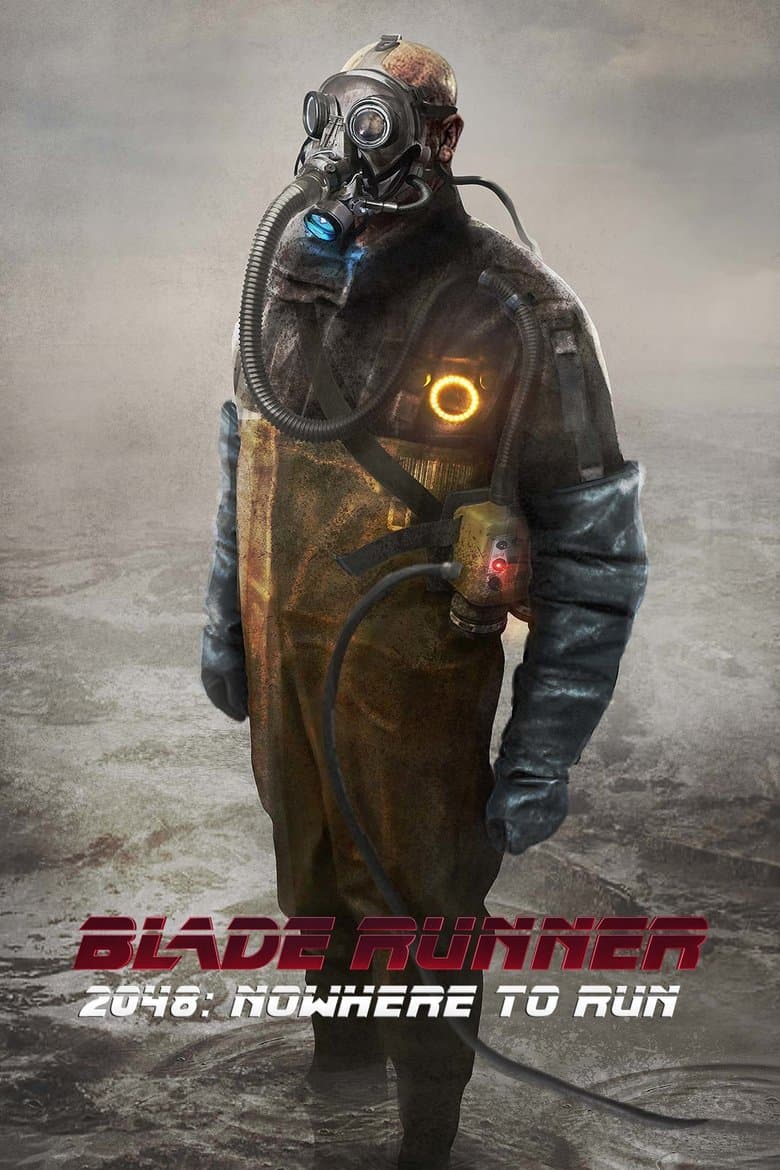
“2048: Nowhere to Run” takes place one year before the events of Blade Runner 2049. The short film focuses on Sapper, a man who is trying to make it through life day-by-day…
Movie · 2016
A corporate risk-management consultant must determine whether or not to terminate an artificial being's life that was made in a laboratory environment.
Movie · 2024
When an 8-year-old girl mysteriously vanishes on Caddo Lake, a series of past deaths and disappearances begin to link together, forever altering a broken family’s history.
Movie · 2018
A college student, who sees a UFO, uses his exceptional math skills to investigate the sighting with his friends while the FBI follows closely behind.
Movie · 2024
As New York City is invaded by alien creatures who hunt by sound, a woman named Sam fights to survive with her cat.
Movie · 2021
A woman wakes in a cryogenic chamber with no recollection of how she got there, and must find a way out before running out of air.
Movie · 2026
Science teacher Ryland Grace wakes up on a spaceship light years from home with no recollection of who he is or how he got there.
Movie · 2022
A prisoner in a state-of-the-art penitentiary begins to question the purpose of the emotion-controlling drugs he's testing for a pharmaceutical genius.
