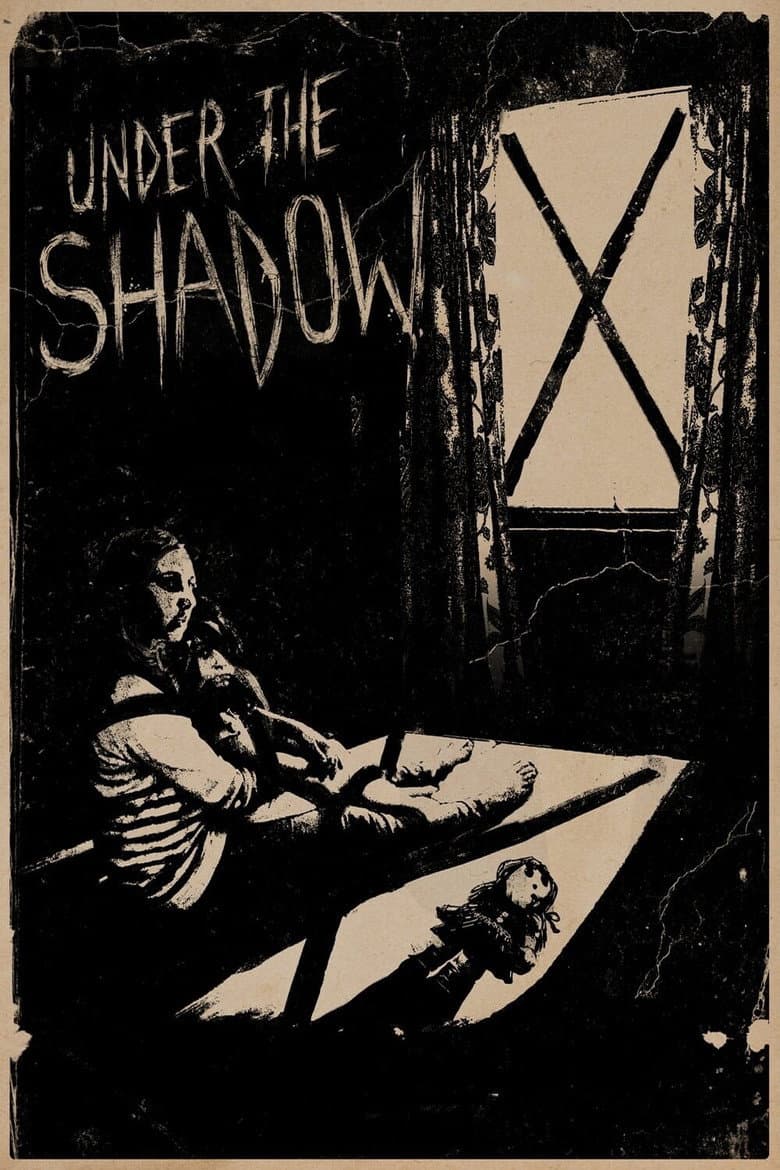
Under the Shadow follows Shideh, a mother who lives with her young daughter, Dorsa, in Tehran in 1988. The Iran-Iraq War brings air raids, fear, and a missile into their apartment building after Shideh’s husband leaves for military service. Shideh must protect Dorsa while strange events suggest that a djinn has entered their home. The film has a tense, grim tone and keeps the danger close to the family’s daily life.
The film repeatedly shows Shideh trapped by rules made and enforced by men. A university blocks her return to medical studies because of her past political activity, while police threaten her for being outside without a chador. Her husband dismisses her career wish, and the story links these pressures with the war and the djinn. These ideas are important to the horror, but the film remains a personal mother-and-child story instead of a speech about modern politics.
Community feedback
Was our 57% Woke rating accurate?
Breakdown
These are the editorial factors and ratings behind our score for Under the Shadow.
Woke representation / casting
Not present. The main cast is Iranian or Iranian-diaspora actors who speak Farsi, which fits the Tehran setting. Shideh leads because the story centers on a mother and daughter, not because the film builds a diversity lineup.
0%
Woke political dialogue
The film returns several times to Shideh’s lost medical future, her past leftist activism, and rules about how women must dress and behave. Her husband says studying should wait so she can stay home with the child, and the religious police threaten punishment for going out uncovered. These lines make gender and power a clear part of the conflict. The dialogue remains short and tied to 1980s Iran instead of becoming a modern campaign speech.
40%
Identity-driven story themes
The story repeatedly shows Shideh losing freedom because she is a woman in a strict religious society. The university rejects her return, her husband dismisses her career wish, and police threaten her for being outside without a chador. The war, the home, and the djinn all echo her fear and loss of control. Shideh is flawed and frightened, so the film is also a family horror story rather than a simple empowerment tale.
64%
Western institutional / cultural critique
The film presents male authority, forced covering, and strict gender roles as harmful to Shideh. The husband and the religious police both limit her choices, although the husband is not the main villain. The criticism is aimed at post-revolution Iran rather than Western churches or institutions. The point recurs but stays inside the war, family, and horror plot.
28%
Woke character or canon changes
Not relevant. The movie is an original story rather than an adaptation of known characters. It uses a real war as its setting but does not change a real person or historical figure.
0%
Anti-woke backlash and complaints
A small number of audience comments frame the feminist material as a political message or complain that critics praised it for that reason. Other comments attack the slow pace or the scares without making a political complaint. The anti-woke comments appear in isolated Reddit or Letterboxd posts and did not grow into a wider dispute. The supplied X pass found no anti-woke complaints, and no boycott, review-bombing, or major news cycle was found.
8%
Creator track record context
Babak Anvari has a creator score of 52/100, based on work about Iranian life, war, power, and later support for Iran’s freedom movement. His interviews connect this film to childhood memories and a woman trying to live in a man’s world. The stored scores for Lucan Toh, Emily Leo, and Oliver Roskill are 22/100, 15/100, and 12/100, with little activist evidence. The director adds moderate context, while the producers add little.
45%
Production
Movie · 2023
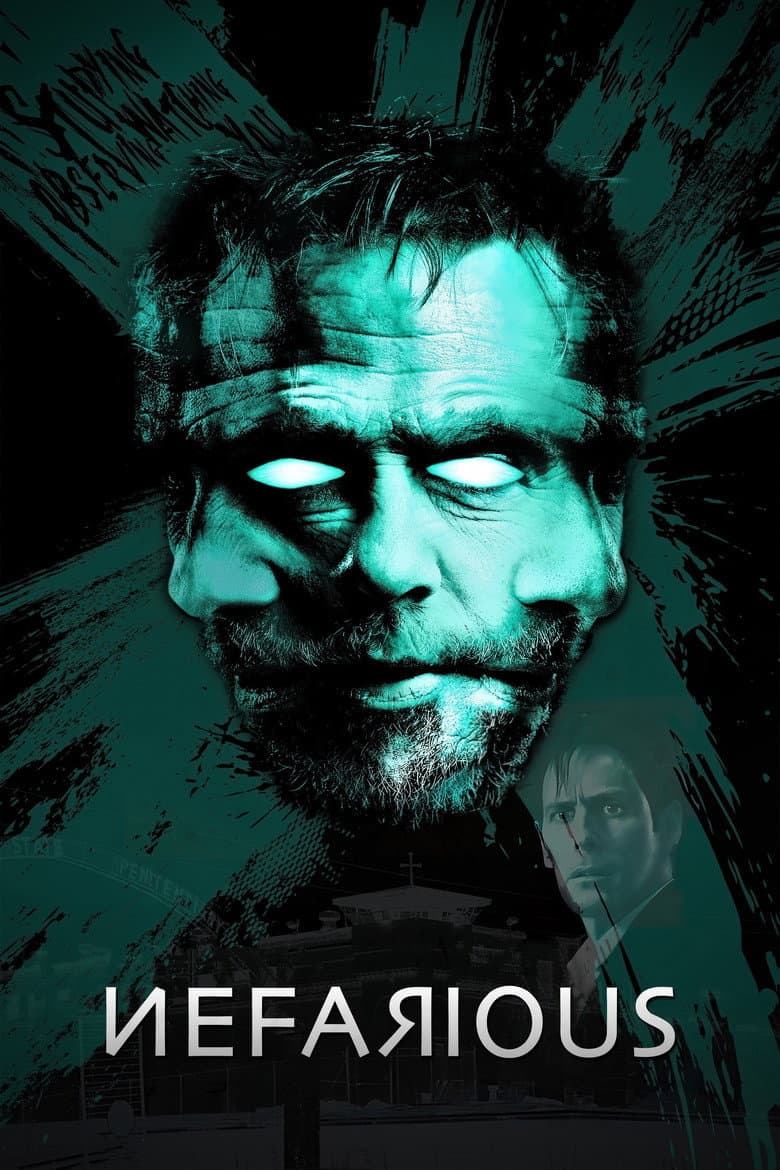
On the day of his scheduled execution, a convicted serial killer gets a psychiatric evaluation during which he claims he is a demon, and further claims that before their time is…
Movie · 2016
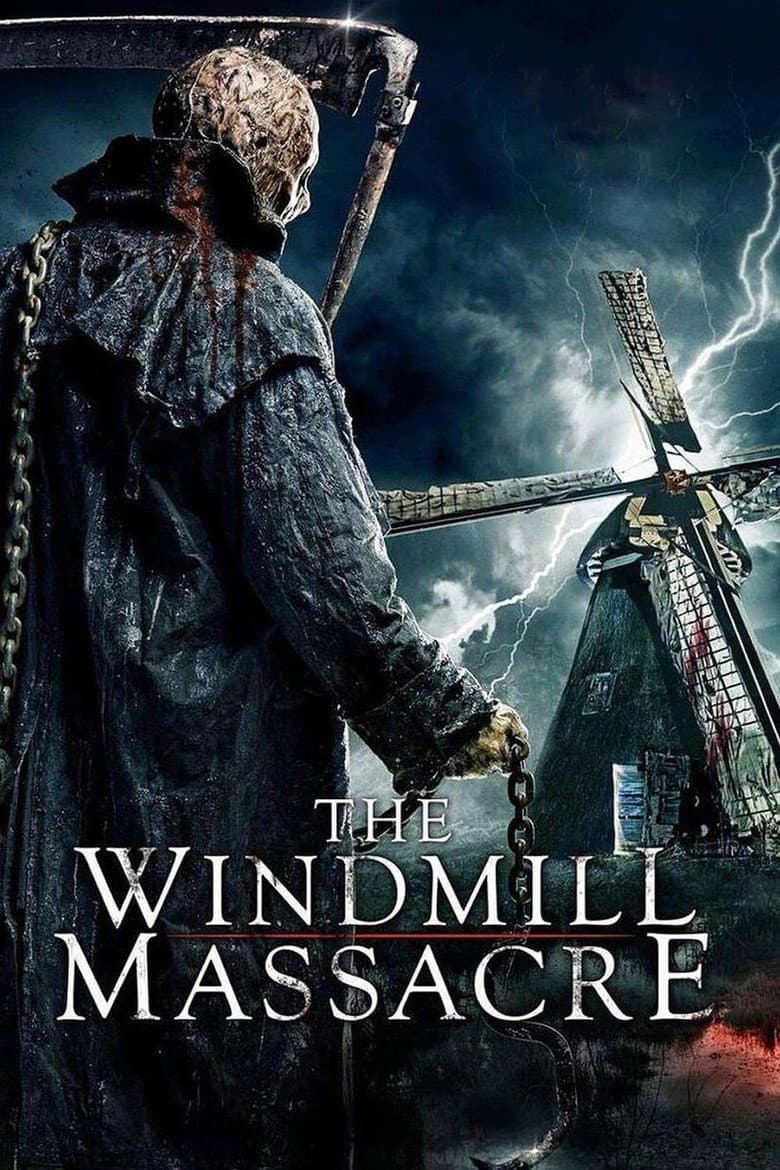
Jennifer, an Australian girl on the run from her past, turns up in Amsterdam and, in a desperate attempt to blend in, joins a coach-load of tourists on a tour of Holland's old…
Movie · 2016
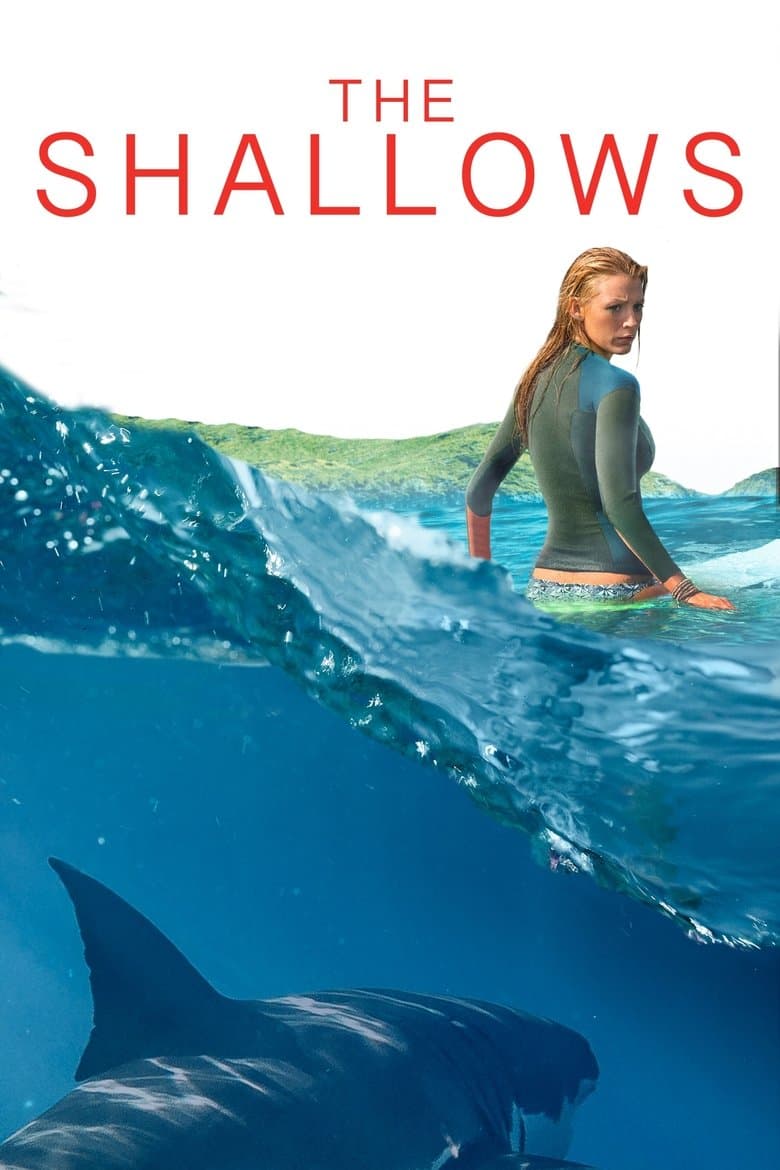
While surfing on a secluded beach, Nancy finds herself in the feeding grounds of a great white shark. Though stranded only 200 yards from shore, survival proves to be the ultimate…
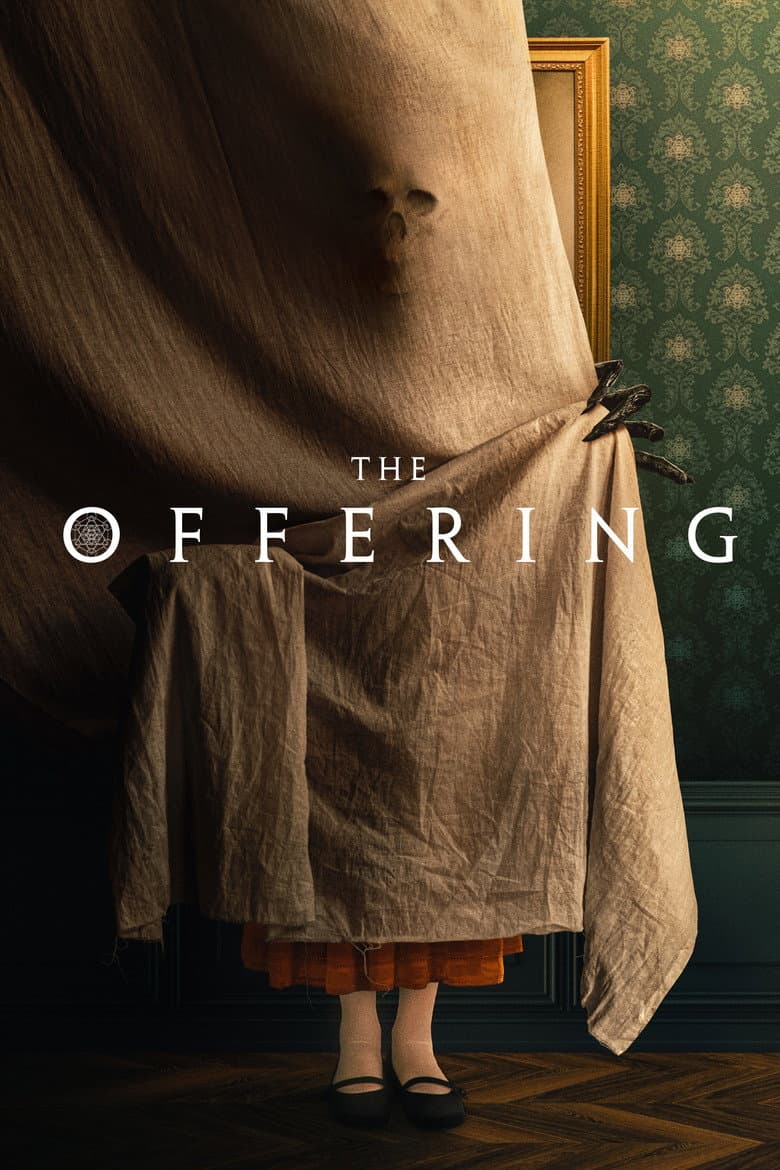
Movie · 2022
In the wake of a young Jewish girl’s disappearance, the son of a Hasidic funeral director returns home with his pregnant wife in hopes of reconciling with his father.
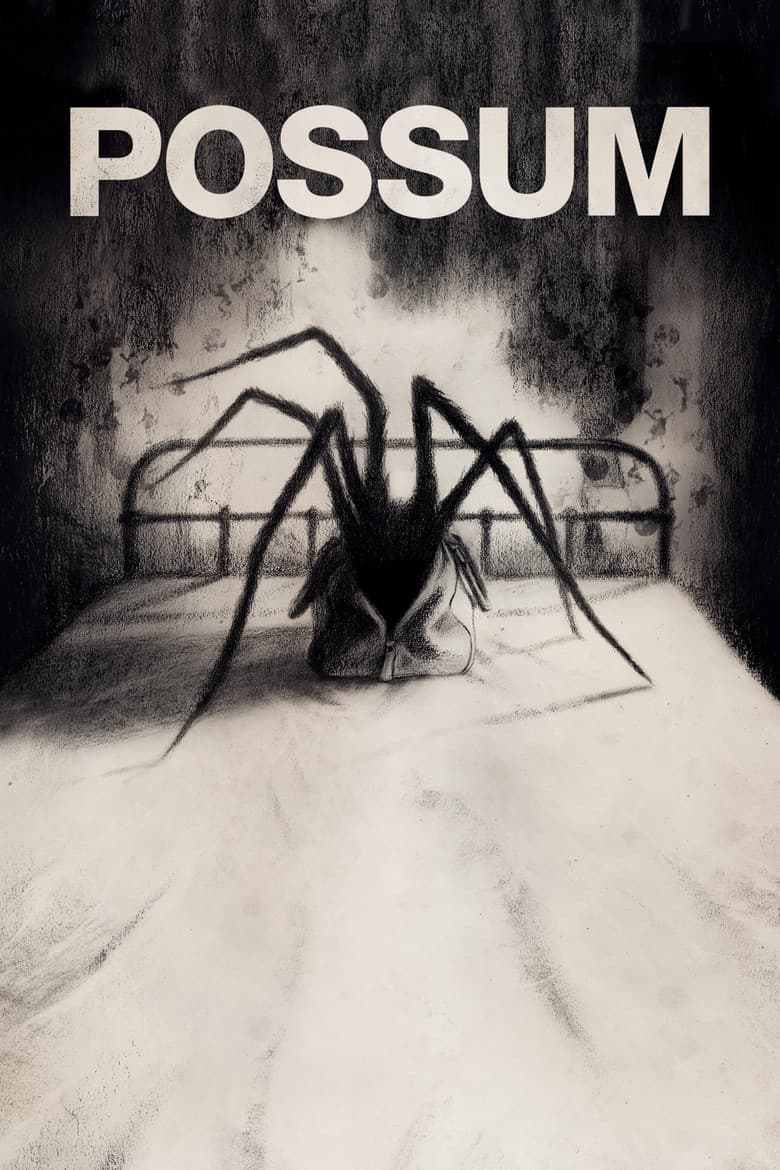
Movie · 2018
A disgraced children's puppeteer returns to his childhood home and is forced to confront his wicked stepfather and the secrets that have tortured him his entire life.
Movie · 2020
After a tragic turn of events at the new home he's fixing up, Daniel hears a ghostly plea for help, spurring him to seek out a famous paranormal expert.
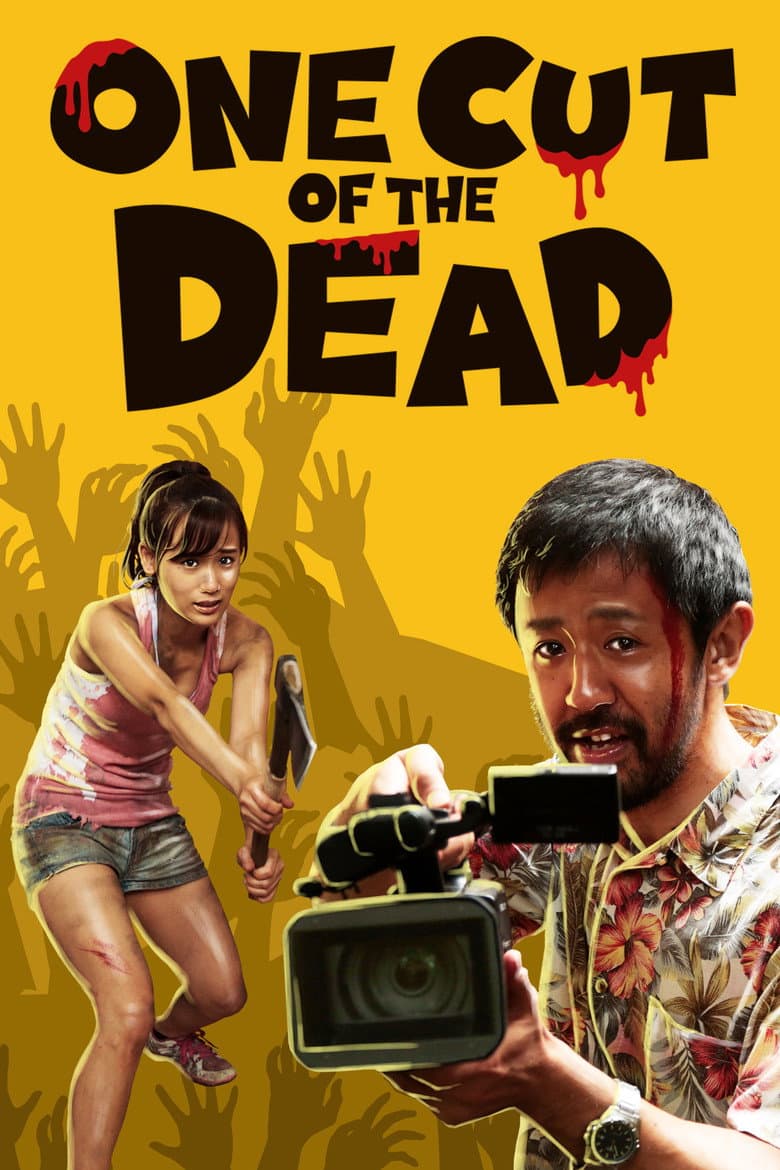
Movie · 2017
Real zombies arrive and terrorize the crew of a zombie film being shot in an abandoned warehouse, said to be the site of military experiments on humans.
Movie · 2017
Five medical students, hoping to understand the mystery of what lies beyond life, embark on a dangerous experiment.
