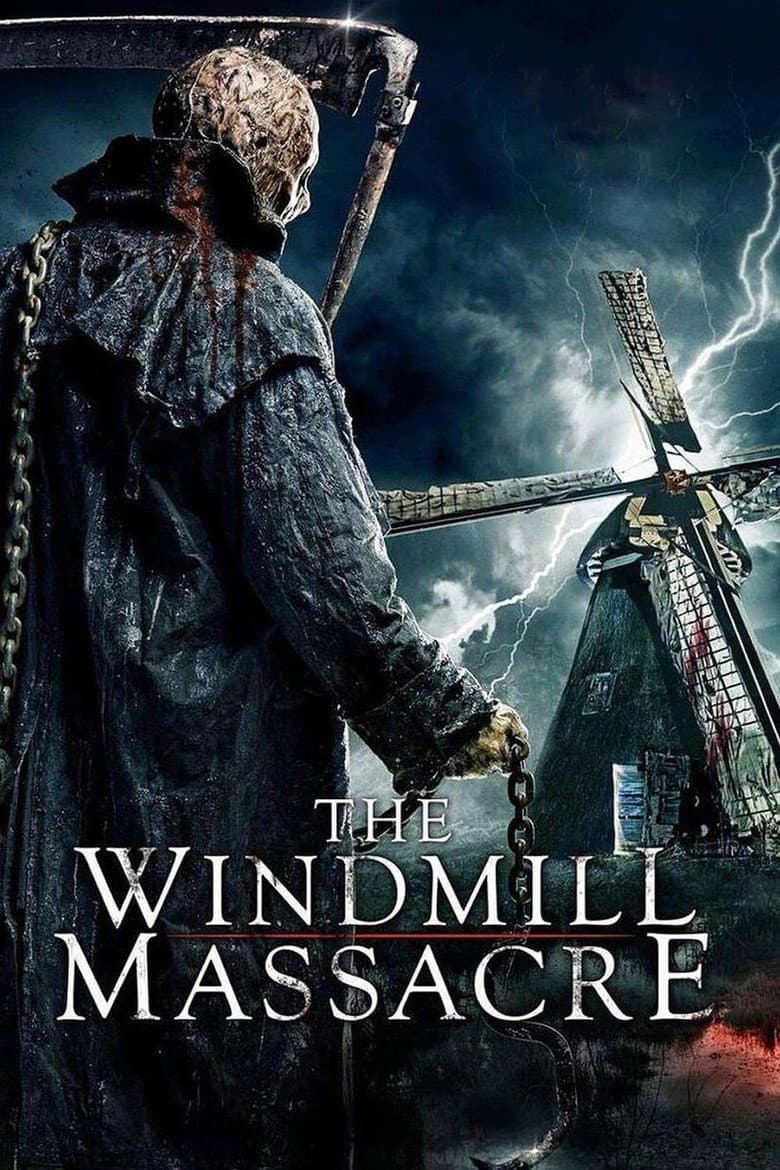
Jennifer is an Australian girl hiding in Amsterdam after a violent family tragedy. She joins a Holland windmill tour because she needs to stay ahead of the police. When the bus breaks down beside an abandoned mill, a burned killer carrying a farm blade begins hunting the passengers. The film uses old Dutch legends, sudden deaths, and a grim, bloody tone.
The tourists are linked by serious sins from their past, and the miller acts as their judge. Jennifer is a brave but damaged young woman who fights back, protects Curt, and faces the memory of her brother. Ruby also has an active and violent past, while several male passengers are foolish, cruel, or unable to help. The story centers on guilt, punishment, regret, and the chance to earn another life.
Community feedback
Was our 27% Woke rating accurate?
Breakdown
These are the editorial factors and ratings behind our score for The Windmill Massacre.
Woke representation / casting
Not present. The group contains Australian, British, French, Japanese, and Dutch characters because the story uses an international tourist trip. The film does not turn that mix into a diversity message or give a special identity reason for the casting.
0%
Woke political dialogue
Not present. The dialogue covers windmills, guilt, death, family trouble, and survival. It does not push modern identity, DEI, or activist ideas.
0%
Identity-driven story themes
The story gives Jennifer the lead role and lets her warn the group, fight the miller, rescue Curt, and face her past. Ruby also has an active, violent backstory and is not a helpless victim. Most adult men are foolish, cruel, or unable to help, while the women make the key personal choices. This repeated strong-women and weak-men pattern is clear, although the story presents it through horror and guilt rather than a modern political speech.
50%
Western institutional / cultural critique
Not present. The film shows violent fathers, husbands, and other bad men as part of its sin story. It does not turn those events into a wider attack on men, family life, religion, or Western institutions.
0%
Woke character or canon changes
Not relevant. The film uses original tourists and a made-up killer based on Dutch legends. It does not change an established character, source character, or real historical figure.
0%
Anti-woke backlash and complaints
Not present. The supplied X pass found no anti-woke posts or specific complaints. Other public reviews discuss the kills, setting, and plot quality rather than woke, DEI, or identity politics.
0%
Creator track record context
Nick Jongerius and the writers have low cached woke scores and no clear activist pattern. Casting director Marc van Bree has spoken about widening access and showing Amsterdam’s diversity. Two producers have isolated LGBTQ-related documentary credits, but their wider work is commercial. No interview found for this film presents it as a DEI or identity project.
12%
Production
Movie · 2023
On the day of his scheduled execution, a convicted serial killer gets a psychiatric evaluation during which he claims he is a demon, and further claims that before their time is…
Movie · 2018
When Simon brings his twelve year-old son, Finn, to rural Vermont to help flip an old farmhouse, they encounter the malicious spirit of Lydia, a previous owner.
Movie · 2016
A young, lonely woman is consumed by her deepest and darkest desires after tragedy strikes her quiet country life.

Movie · 2016
A struggling painter is possessed by satanic forces after he and his young family move into their dream home in rural Texas.
Movie · 2016
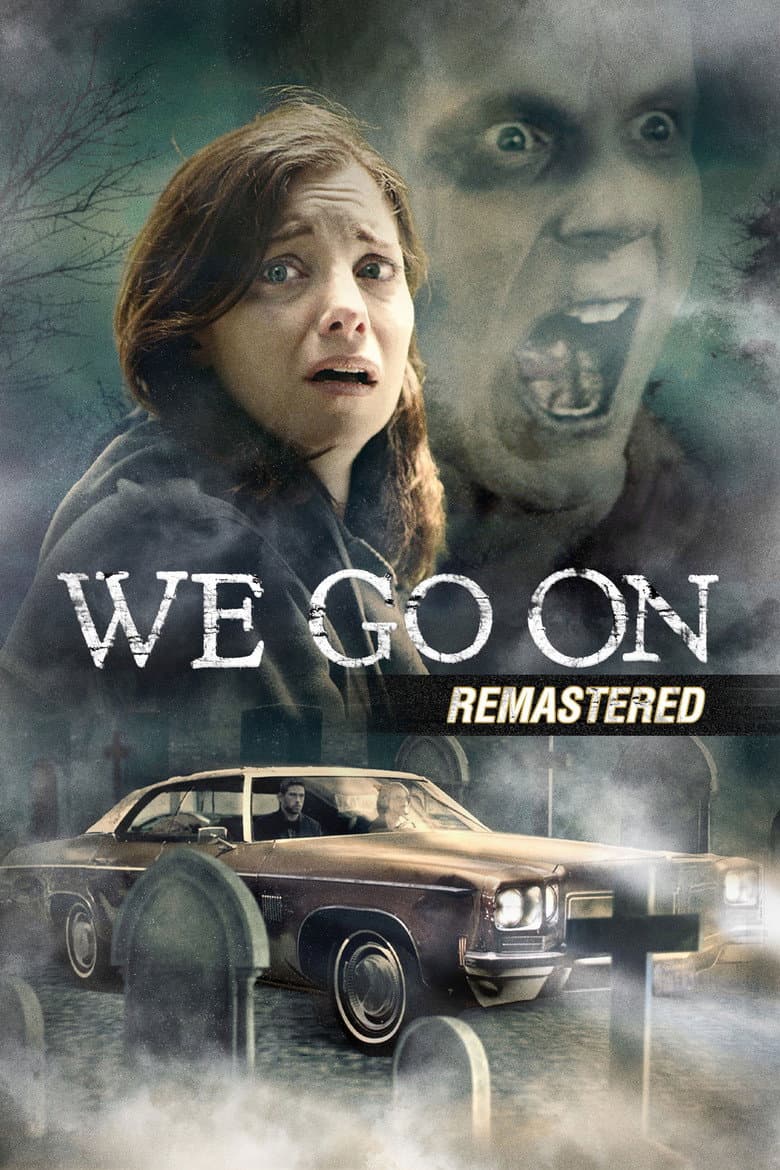
Paralyzed by his fear of dying, Miles Grissom takes out an advert offering $30,000 in reward money to the first person who can show him evidence of an angel, a demon, or prove…
Movie · 2017
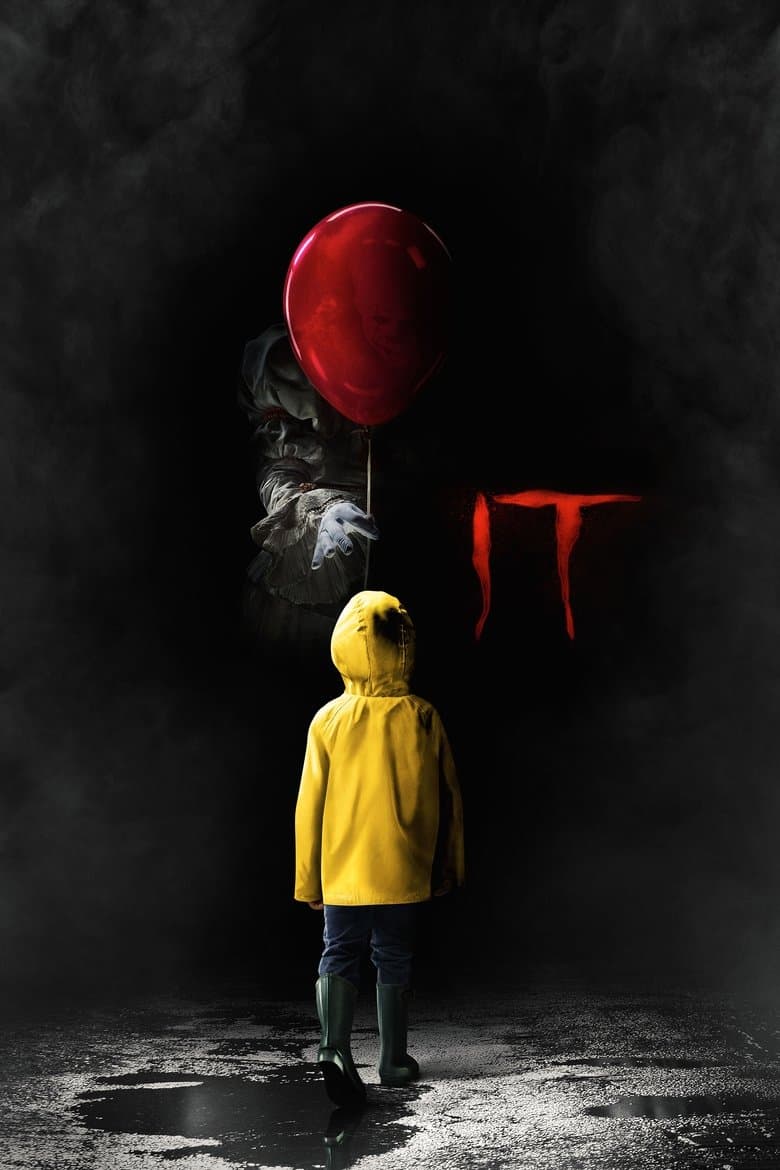
In a small town in Maine, seven children known as The Losers Club come face to face with life problems, bullies and a monster that takes the shape of a clown called Pennywise.
Movie · 2018
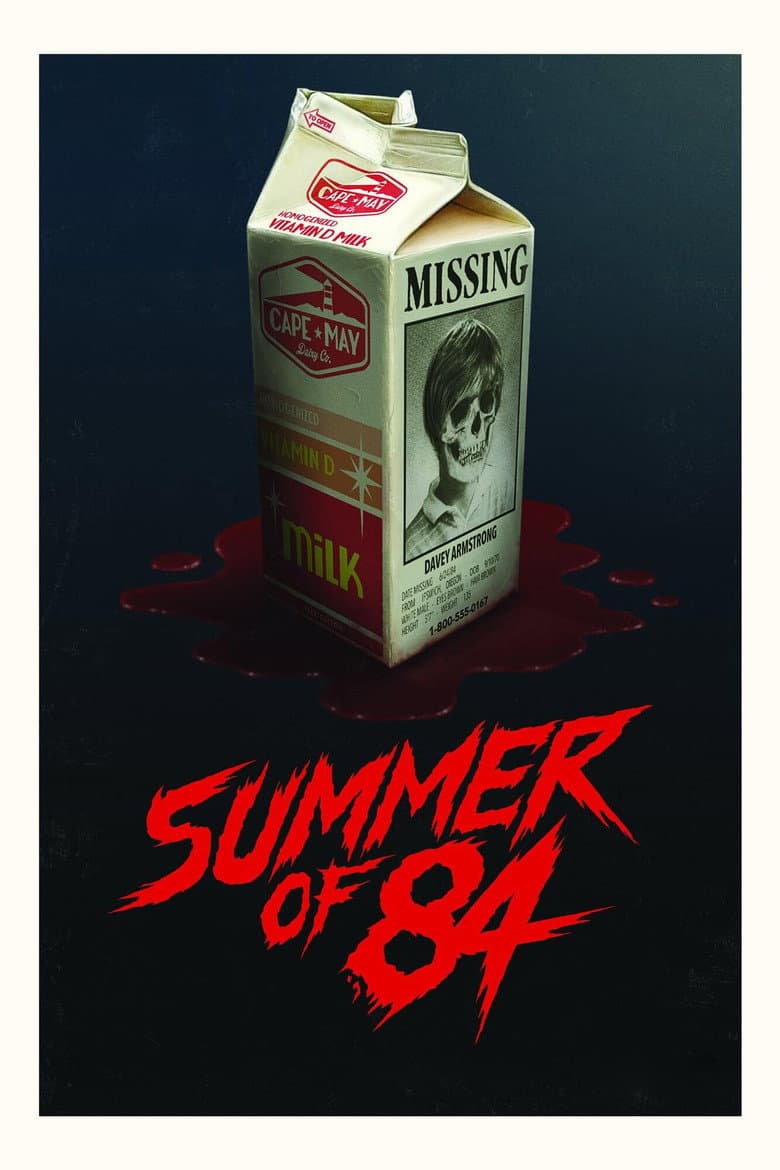
After suspecting that their police officer neighbor is a serial killer, a group of teenage friends spend their summer spying on him and gathering evidence, but as they get closer…
Movie · 2021
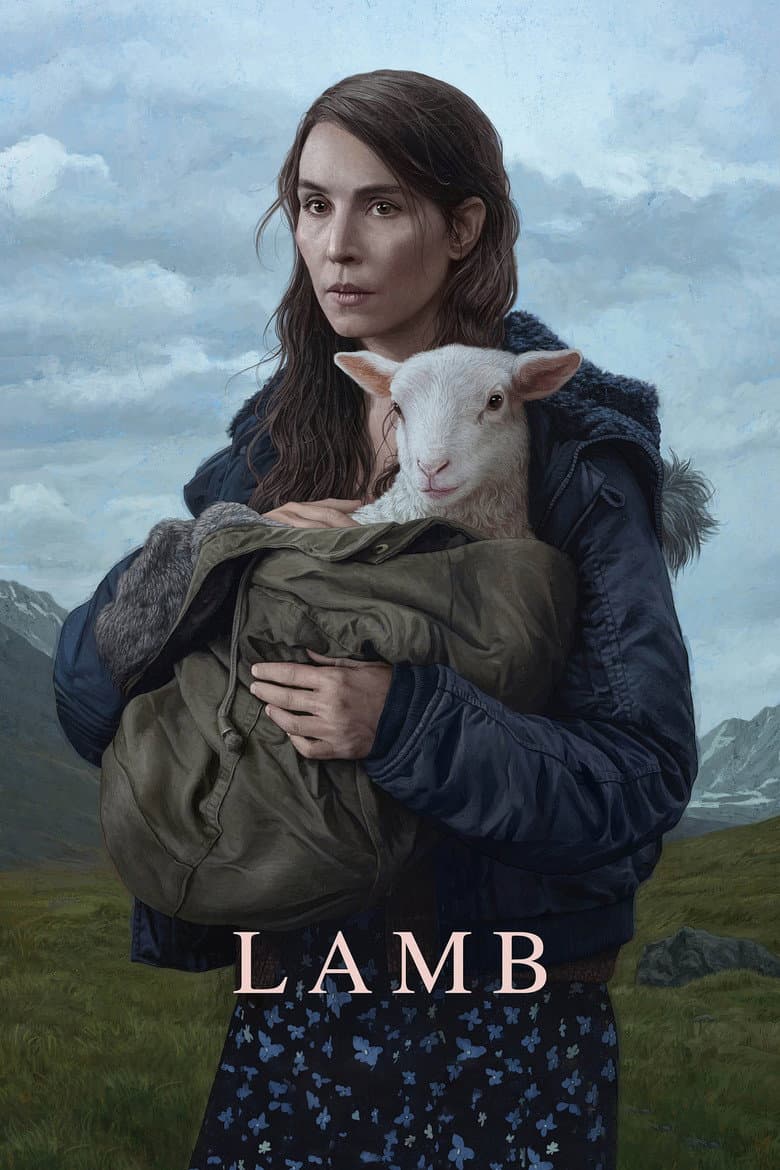
An Icelandic couple live with their herd of sheep on a beautiful but remote farm. When they discover a mysterious newborn on their land, they decide to keep it and raise it as…
