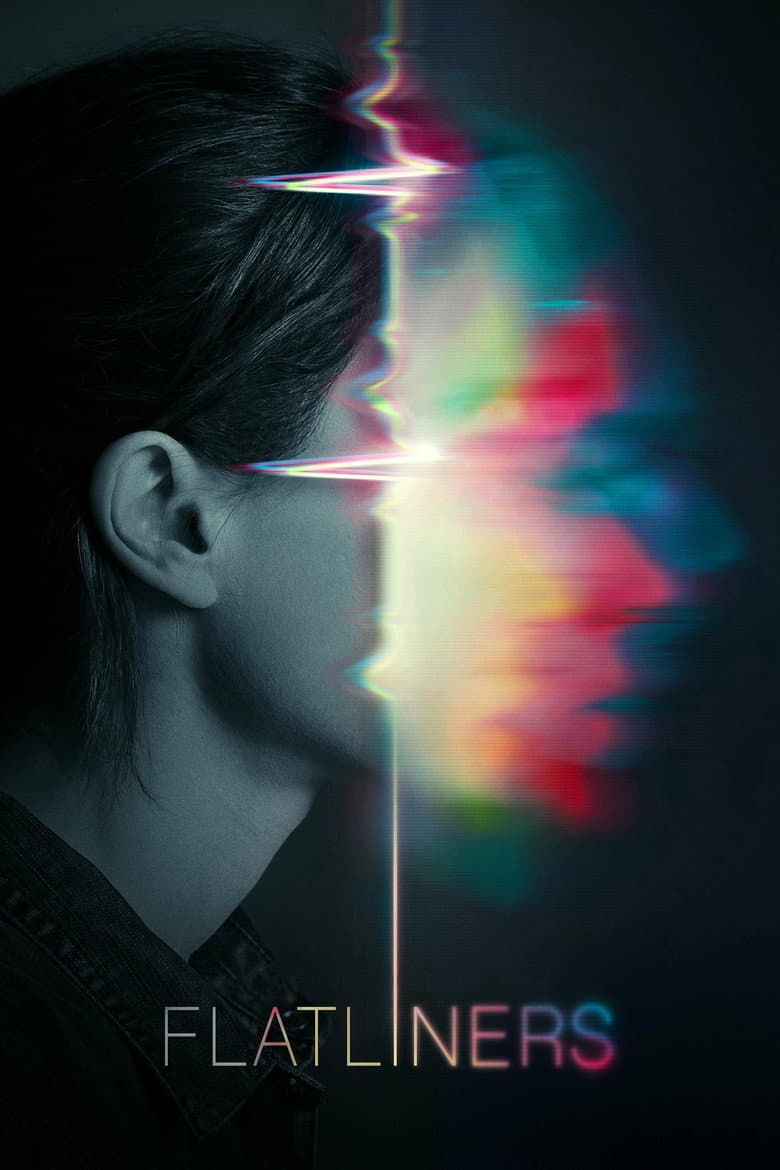
Courtney Holmes is a medical student haunted by the death of her younger sister. She leads four classmates into a hidden hospital experiment that stops their hearts so they can see what comes after death. The students return with sharper minds, strong rushes, and frightening visions tied to their past actions. The film mixes medical drama, ghost horror, and a serious story about guilt.
The five main students form a visibly mixed group, with three women, a black woman, and a Latino man. The remake gives more women the central roles than the 1990 film, but identity does not drive the conflict. The story follows guilt and personal wrongdoing instead. Courtney faces her sister's death, Jamie faces a secret about his former girlfriend's pregnancy, Marlo faces a patient she failed to save, and Sophia faces harm she caused another student. The group learns that truth, apology, and forgiveness matter more than the rush of cheating death.
Community feedback
Was our 25% Woke rating accurate?
Breakdown
These are the editorial factors and ratings behind our score for Flatliners.
Woke representation / casting
The five central students are three women and two men, including a black woman and a Mexican man. Director Niels Arden Oplev called the remake female driven and compared it with the original’s four men and one woman. The cast makes representation visible in the main group and gives women much of the story’s leadership. The movie does not make race or gender part of the conflict, so the signal stays moderate.
32%
Woke political dialogue
Not present. The students talk about death, medicine, guilt, sex, and forgiveness. They do not argue for a political movement or use activist language.
0%
Identity-driven story themes
Not present. The story centers on guilt, personal wrongdoing, apology, and forgiveness. The characters’ arcs do not revolve around race, sex, sexuality, or group identity.
0%
Western institutional / cultural critique
Not present. The film shows arrogant students breaking hospital rules, but it treats this as dangerous personal behavior. It does not attack Western institutions, family life, religion, or traditional social norms.
0%
Woke character or canon changes
The remake changes the original film’s male leader, Nelson, into Courtney, a woman. It also changes the main group from four men and one woman to three women and two men. Oplev described the update as female driven, so the gender balance was a deliberate part of the new version. The story still follows a near-death experiment and personal guilt, so the change remains limited.
20%
Anti-woke backlash and complaints
Not present. The main public complaints called the film dull, unnecessary, or poorly made. A few comments used vague “tick-boxing” language, but no clear anti-woke backlash tied the film to identity politics.
0%
Creator track record context
The cached context shows no strong activist pattern for Oplev or Ripley. Filardi has a female-centered supernatural film in his past, while Douglas and Mark have progressive or LGBTQ-related work outside this title. The mixed record gives some context, but it does not show that this film was built around activist ideas.
25%
Production
Movie · 2017
In a small town in Maine, seven children known as The Losers Club come face to face with life problems, bullies and a monster that takes the shape of a clown called Pennywise.
Movie · 2016
While surfing on a secluded beach, Nancy finds herself in the feeding grounds of a great white shark. Though stranded only 200 yards from shore, survival proves to be the ultimate…
Movie · 2020
Chloe, a teenager who is confined to a wheelchair, is homeschooled by her mother, Diane. Chloe soon becomes suspicious of her mother and begins to suspect that she may be…
Movie · 2016
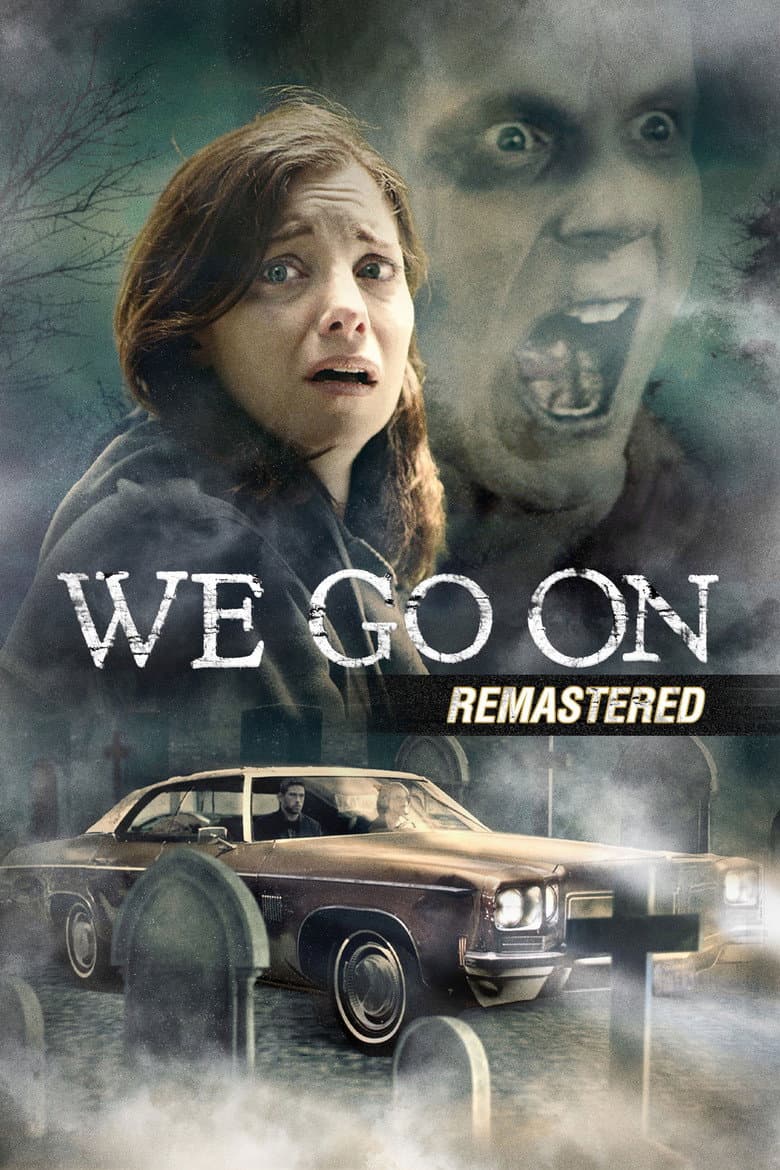
Paralyzed by his fear of dying, Miles Grissom takes out an advert offering $30,000 in reward money to the first person who can show him evidence of an angel, a demon, or prove…
Movie · 2017
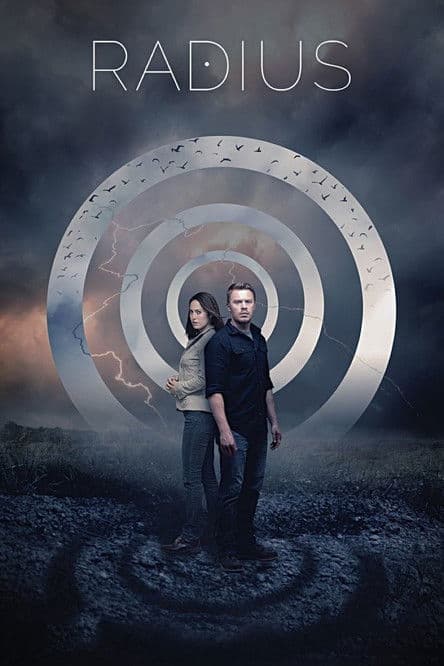
Liam wakes from a car crash with no memory of who he is. As he makes his way into town to look for help, he finds only dead bodies, all with strange pale eyes.
Movie · 2016
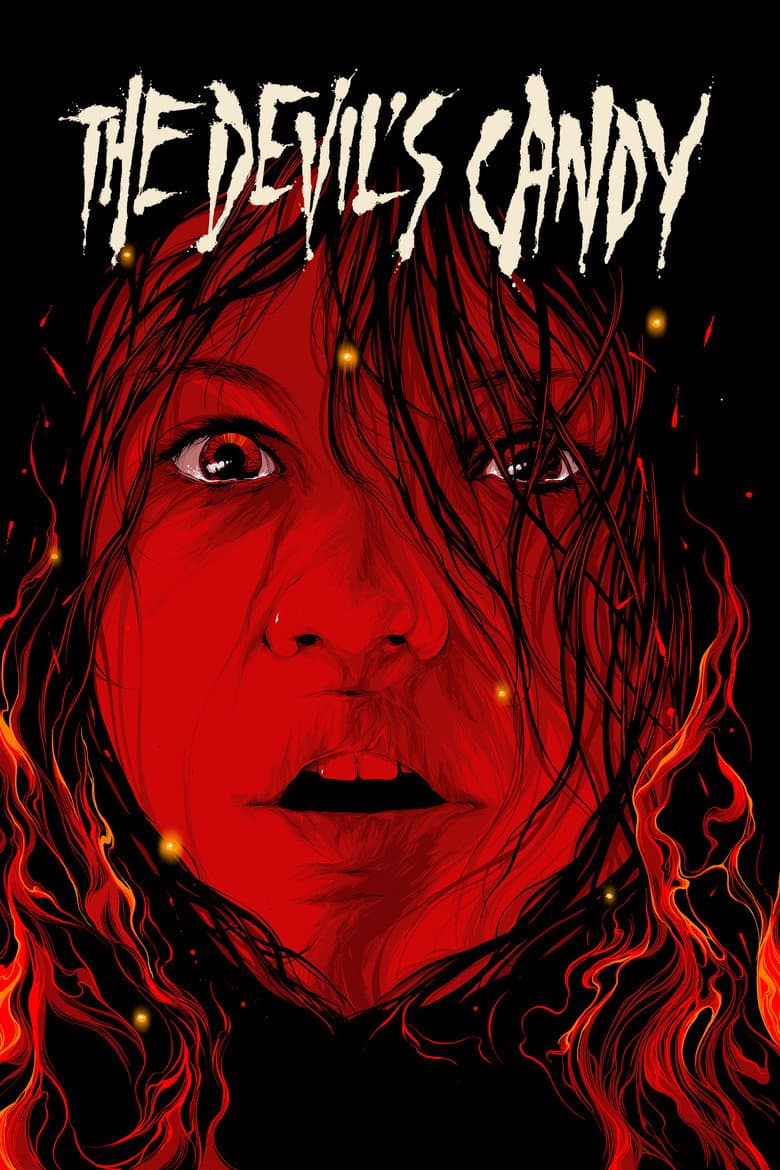
A struggling painter is possessed by satanic forces after he and his young family move into their dream home in rural Texas.
Movie · 2019
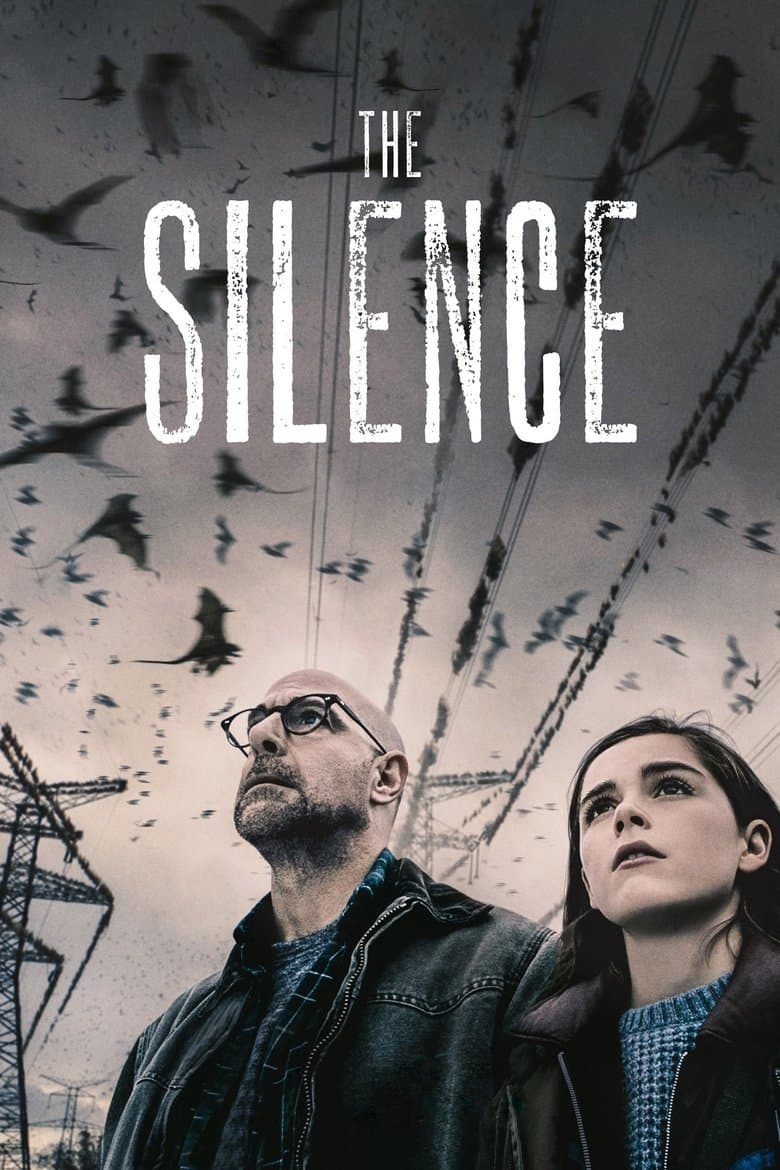
With the world under attack by deadly creatures who hunt by sound, a teen and her family seek refuge outside the city and encounter a mysterious cult.
Movie · 2016
In a post-apocalyptic future where population control is dictated by a high-school aptitude test, two students discover the test is smoke and mirrors hiding a larger conspiracy.
