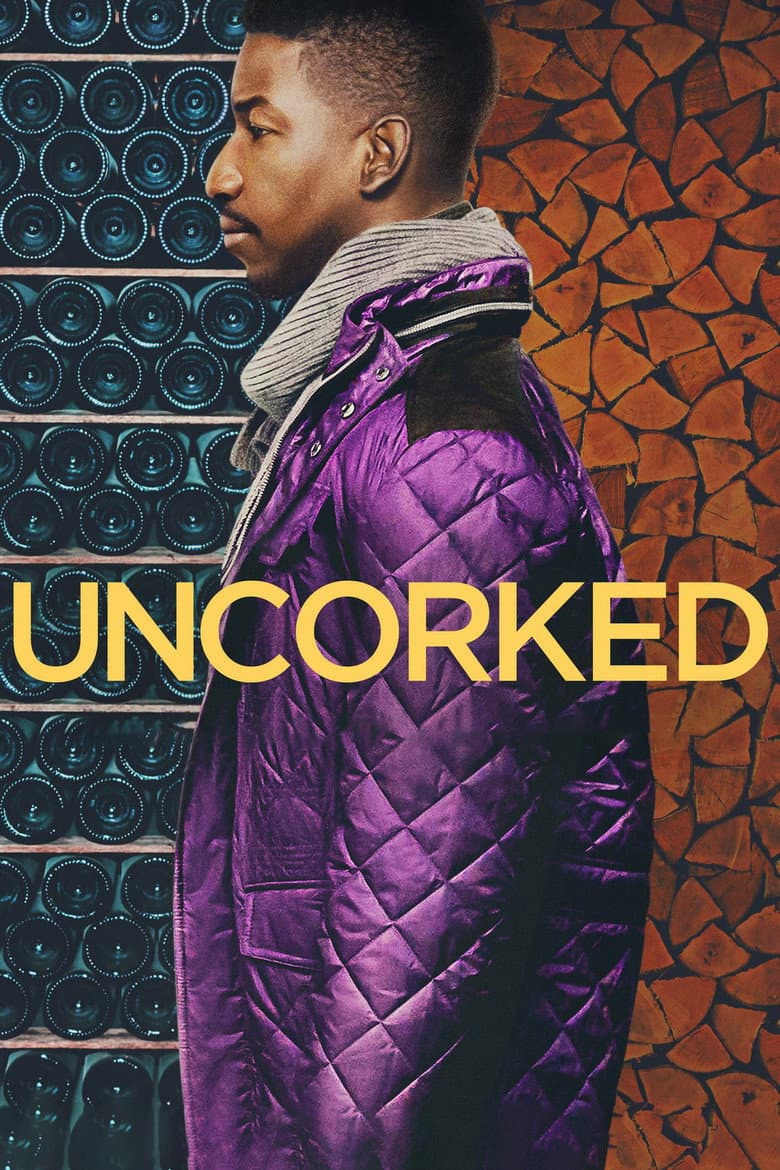
Uncorked follows Elijah, a young man in Memphis who works at his family’s barbecue restaurant and dreams of becoming a master sommelier. His father, Louis, expects him to carry on the restaurant that Elijah’s grandfather built. Elijah studies wine, travels to France, and tries to pass a hard exam while hiding how much he wants a different life. The warm drama mixes family arguments, jokes, romance, food, and a sad illness that brings the family back together.
The movie gives its black family a leading place in a world of fine wine that is usually shown as rich and mostly white. Elijah briefly notes that few black people are in his class, and the film shows his path into that field without making race the main problem. The main message says that a son can honor his family while choosing his own work. The story softens the fight between old family duty and personal choice by showing love, hard work, and respect on both sides.
Community feedback
Was our 41% Woke rating accurate?
Breakdown
These are the editorial factors and ratings behind our score for Uncorked.
Woke representation / casting
The movie centers a black Memphis family and fills most important roles with black actors. Memphis makes that casting believable, so the setting does not create a strong mismatch. The film still treats the casting as a representation point because Elijah enters a wine field shown as mostly white. The identity signal is clear, but it does not control the plot.
40%
Woke political dialogue
Elijah says that few black people are in his sommelier class. The line points to a racial gap in the wine world. The family also misunderstands the word “sommelier” as “Somalia,” but that joke is not a political message. The movie does not turn the racial point into a speech about DEI, race politics, or gender.
22%
Identity-driven story themes
Elijah’s main struggle includes entering a wine world where he sees few black people like himself. The movie uses that setting to widen the image of who can be a wine expert. The story stresses that black characters can have ordinary dreams and a present father. The movie avoids making racism or activism the central action.
34%
Western institutional / cultural critique
The film lightly presents fine wine as an elite field with few black students. Elijah’s class experience suggests a closed professional culture, but the movie does not build a repeated attack on Western institutions. The father and son argue about old family roles, yet the film treats Louis as loving and responsible rather than as a symbol of toxic masculinity. The story does not ridicule Christianity, capitalism, or family life.
20%
Woke character or canon changes
Not relevant. The movie is an original father-son story rather than a remake or canon-based work. Its loose link to real sommelier DLynn Proctor does not involve a reported race, gender, or sexuality change.
0%
Anti-woke backlash and complaints
Not present. No anti-woke backlash was found. The separate X pass found no complaints, boycotts, or review-bombing, and Reddit discussion was mostly positive or neutral. News and review coverage focused on family drama, wine, and black representation rather than woke or DEI controversy.
0%
Creator track record context
Prentice Penny’s past work includes Insecure and a focus on everyday black stories and representation. Datari Turner, Veronica Nickel, and Chris Pollack also have repeated links to Black talent or socially aware projects. The other producers have mixed, commercial, or broad careers with little public activist profile. The group creates a moderate context signal, but it does not show a single strong activist campaign around this film.
35%
Production

Movie · 2021
Veteran comedy writer Charlie Berns, who is slowly but surely losing his grip on reality, befriends a talented young New York street singer Emma Payge.
Movie · 2023
A resourceful 12-year-old, who secretly lives alone in her flat in a working-class suburb of London, makes money stealing bikes with her best friend Ali and keeps the social…
Movie · 2017
When dictator Joseph Stalin dies, his parasitic cronies square off in a frantic power struggle to become the next Soviet leader.
Movie · 2017
Brigsby Bear Adventures is a children's TV show produced for an audience of one: James. When the show abruptly ends, James's life changes forever, and he sets out to finish the…
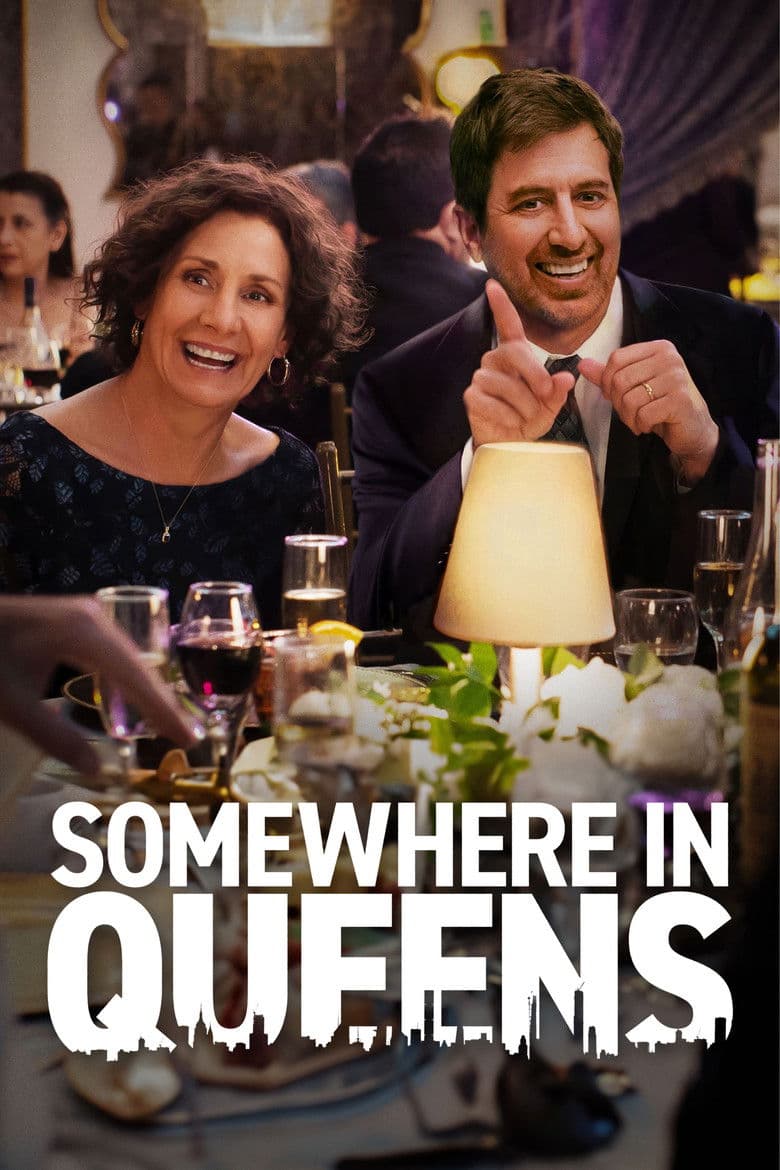
Movie · 2023
Leo and Angela Russo live a simple life in Queens, surrounded by their overbearing Italian-American family. When their son finds success on his high school basketball team, Leo…
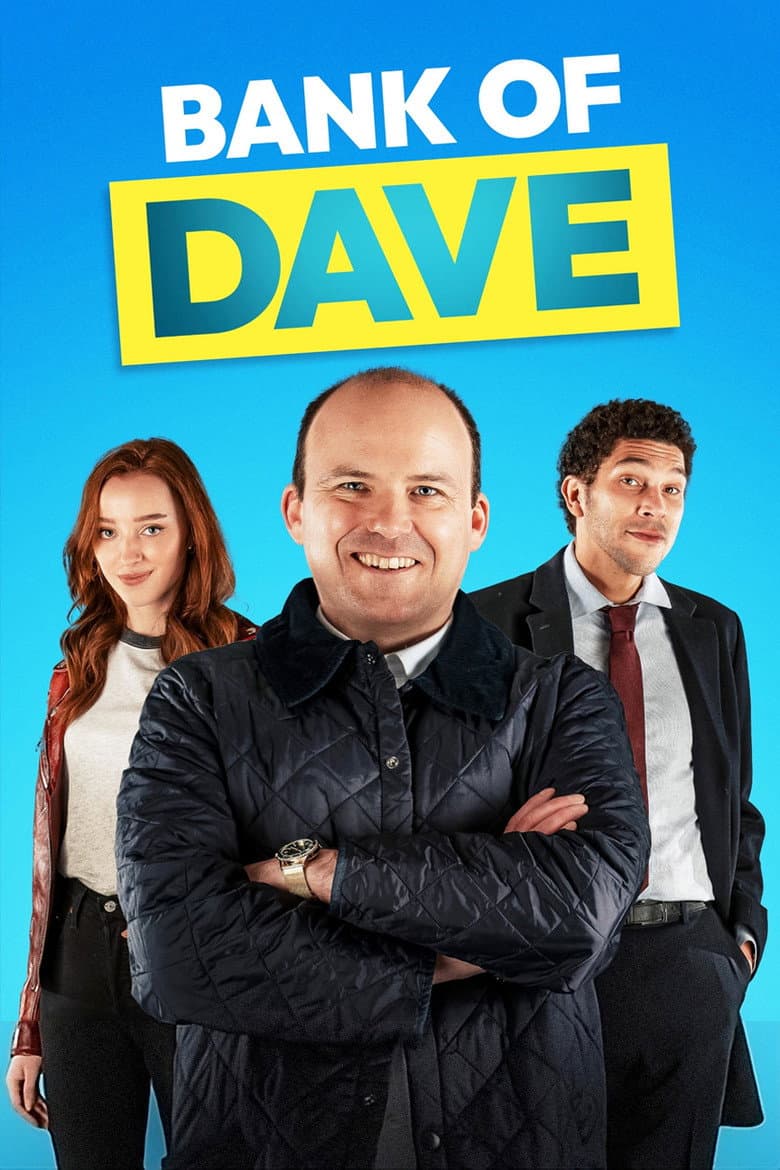
Movie · 2023
The true story of how Dave Fishwick, a working class man and self-made millionaire, fought to set up a community bank so that he could help the local businesses of Burnley not…
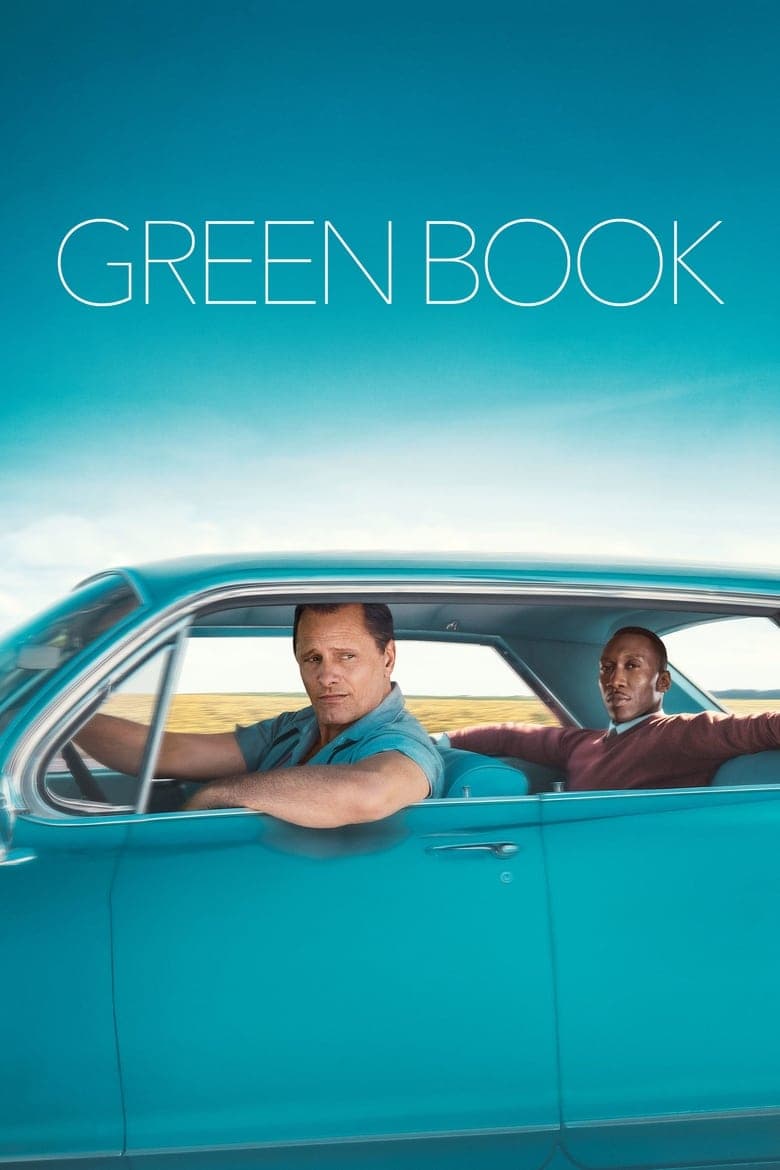
Movie · 2018
Tony Lip, a bouncer in 1962, is hired to drive pianist Don Shirley on a tour through the Deep South in the days when African Americans, forced to find alternate accommodations and…
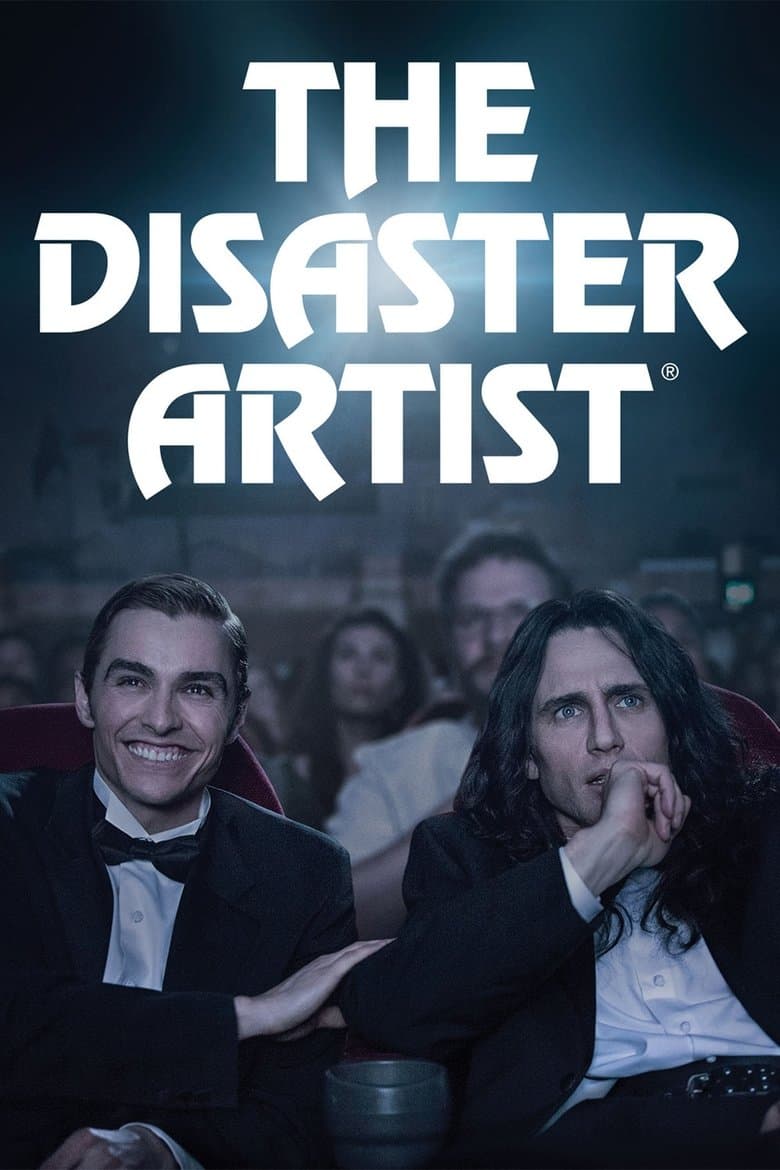
Movie · 2017
An aspiring actor in Hollywood meets an enigmatic stranger by the name of Tommy Wiseau, the meeting leads the actor down a path nobody could have predicted; creating the worst…
