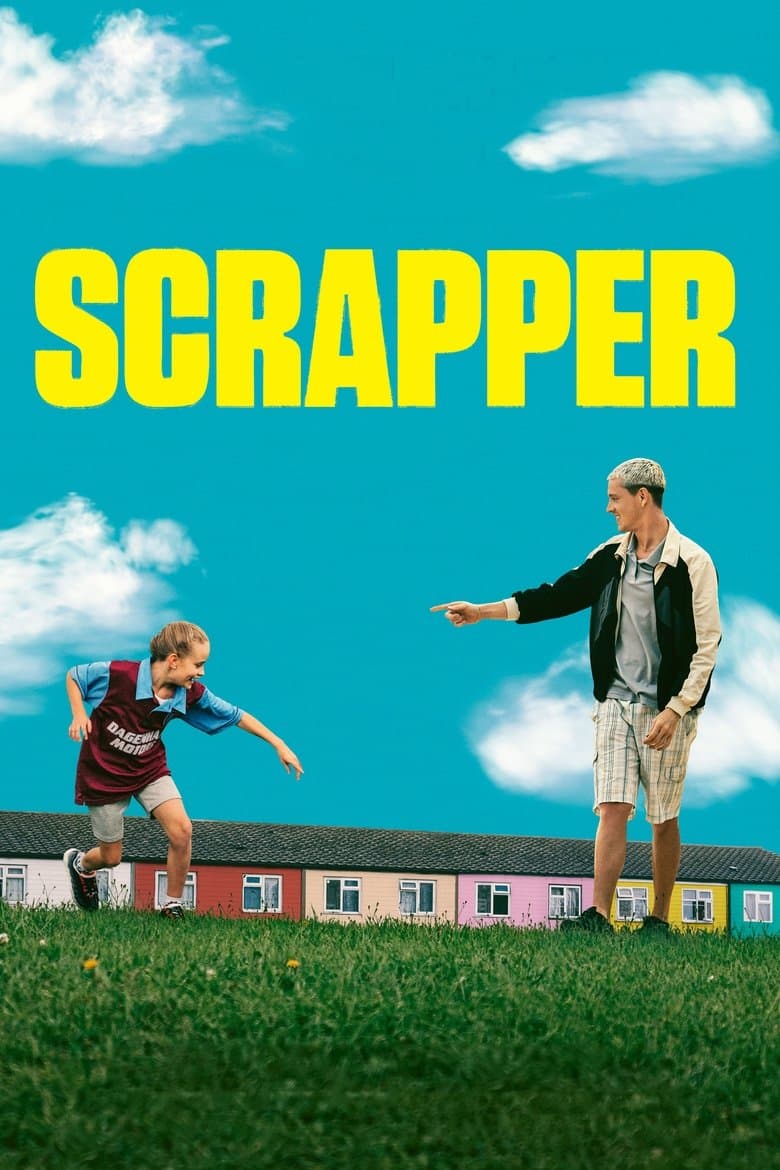
Georgie is a tough, funny 12-year-old in a working-class part of London. After her mum dies, she lives alone in their flat and pretends an uncle looks after her so social workers stay away. She steals bikes with her best friend Ali to make money. Then her dad Jason, who she has never really known, shows up from abroad and wants to stay. The film mixes real feelings about grief with bright colors, jokes, and kid imagination.
The story is mostly about loss, trust, and a father and daughter learning to live together. Working-class life is shown as full of fun and community, on purpose, instead of only misery. A capable girl lead and some jokes about clueless adults sit in the background, but the film does not push race lectures, queer storylines, girl-power slogans, or modern activist identity politics as its main point. Normal viewers would mainly notice a sweet, quirky family comedy-drama, not a message movie.
Community feedback
Was our 22% Woke rating accurate?
Breakdown
These are the editorial factors and ratings behind our score for Scrapper.
Woke representation / casting
Modern London estate has multiethnic supporting roles and a non-white best friend, Ali. Leads are a white girl and her white dad, which fits the father-daughter story. Diversity reads like the neighborhood, not a spotlight lecture. Inclusive casting credit exists, but identity is not sold as the main draw.
20%
Woke political dialogue
Lines focus on grief, trust, bikes, and family. Social workers are easy to fool for comedy. No clear activist speeches about race, gender, queer identity, or modern social-justice causes.
0%
Identity-driven story themes
Core themes are grief, living alone, and accepting a messy dad. Working-class joy is a big creative goal. That is class and family storytelling, not race, gender-identity, or queer-centered politics. A scrappy girl lead is central but not framed as an activist girl-power message.
12%
Western institutional / cultural critique
Adults and social services can look slow or useless from a kid’s point of view. Light dig at systems missing a child in need. Not a modern attack on men, traditional family, Christianity, or Western culture. The ending supports father and daughter choosing each other.
12%
Woke character or canon changes
Not present in this title.
0%
Anti-woke backlash and complaints
No notable anti-woke or right-leaning complaints that the film pushes DEI or identity politics. Coverage stayed on craft, awards, and heart.
0%
Creator track record context
Writer-director Regan is moderate and class-focused (36). BBC Film’s Eva Yates (61) and casting director Baig (52) pull institutional inclusion higher. Most other producers are near zero. Fits mild progressive industry context more than hard activist branding of this title.
33%
Production

Movie · 2020
Four stagnant high school teachers decide to test out a theory that maintaining a constant level of intoxication will improve their overall lives.

Movie · 2023
Two mismatched entrepreneurs – egghead innovator Mike Lazaridis and cut-throat businessman Jim Balsillie – joined forces in an endeavour that was to become a worldwide hit in…

Movie · 2025
An eccentric lottery winner who lives alone on a remote island tries to make his fantasies come true by getting his favourite musicians to perform at his home.

Movie · 2024
Mismatched cousins David and Benji reunite for a tour through Poland to honor their beloved grandmother. The adventure takes a turn when the pair's old tensions resurface against…
Movie · 2023
Leo and Angela Russo live a simple life in Queens, surrounded by their overbearing Italian-American family. When their son finds success on his high school basketball team, Leo…

Movie · 2019
The story of Mötley Crüe and their rise from the Sunset Strip club scene of the early 1980s to superstardom.

Movie · 2017
An aspiring actor in Hollywood meets an enigmatic stranger by the name of Tommy Wiseau, the meeting leads the actor down a path nobody could have predicted; creating the worst…

Movie · 2016
An improv group deals with several crises, including the loss of their lease and one member hitting the big time.
