
Una is a 27-year-old woman who still lives with her mother in a small English town. She finds a picture of Ray, the older neighbor who abused her when she was 13, and travels to his workplace under his new name. Ray has served prison time and now has a job, a partner, and a home that he tries to protect. The tense drama follows their long meeting as old memories and new lies come to the surface.
The film centers on abuse, grooming, memory, consent, and the damage left by a relationship between a child and an adult. Una still feels love, anger, shame, and a need for answers, so the story does not present her as a simple revenge hero. Ray tries to make the past sound like a shared romance, while flashbacks show how he shaped the relationship and controlled its meaning. The film gives a woman’s trauma the main place in the story, while its hard questions stay tied to this private case rather than a wider political campaign.
Community feedback
Was our 29% Woke rating accurate?
Breakdown
These are the editorial factors and ratings behind our score for Una.
Woke representation / casting
Not present. The film shows a white woman and white man at its center, with a South Asian co-worker in a small supporting role. No character treats identity as a reason for a role.
0%
Woke political dialogue
Not present. The dialogue focuses on abuse, memory, guilt, and fear. It contains no modern DEI, gender-politics, or activist speech.
0%
Identity-driven story themes
The story centers on a girl being groomed and an adult woman dealing with the harm. Una’s struggle with consent, shame, and memory drives the meeting. Ray’s claims about love and shared choice expose male power over a child. The film treats this as a painful personal case, not as a broad claim about all men or a current identity campaign.
34%
Western institutional / cultural critique
The film shows Ray using his age and authority to shape a child’s choices and later her memory. His new job and family life also hide his past from the people around him. The story stays focused on one man’s abuse and does not attack Western institutions, religion, capitalism, or family life as a whole.
18%
Woke character or canon changes
Not relevant. The film adapts David Harrower’s play with flashbacks and added side characters. It does not change a character’s race, sex, sexuality, or role for identity reasons.
0%
Anti-woke backlash and complaints
Not present. Searches found no anti-woke posts or specific complaints about this title. Reviews mostly argued about the film’s handling of abuse, not about DEI, identity politics, or an activist agenda.
0%
Creator track record context
Benedict Andrews has made work about power, sexuality, abuse, and people under pressure. His comments on Una focus on grooming, abuse, memory, and the mixed feelings of survivors. David Harrower mainly writes dark dramas about abuse and family damage, without a strong DEI or activist record. Several producers have backed women-focused or community-focused films, but the team has no clear campaign around this title.
37%
Production

Movie · 2025
A broker of lucrative payoffs between corrupt corporations and the individuals who threaten them breaks his own rules when a new client seeks his protection to stay alive.

Movie · 2023
In 1988, American video game salesman Henk Rogers discovers the video game Tetris. When he sets out to bring the game to the world, he enters a dangerous web of lies and…

Movie · 2017
A newly-released prison gangster is forced by the leaders of his gang to orchestrate a major crime with a brutal rival gang on the streets of Southern California.
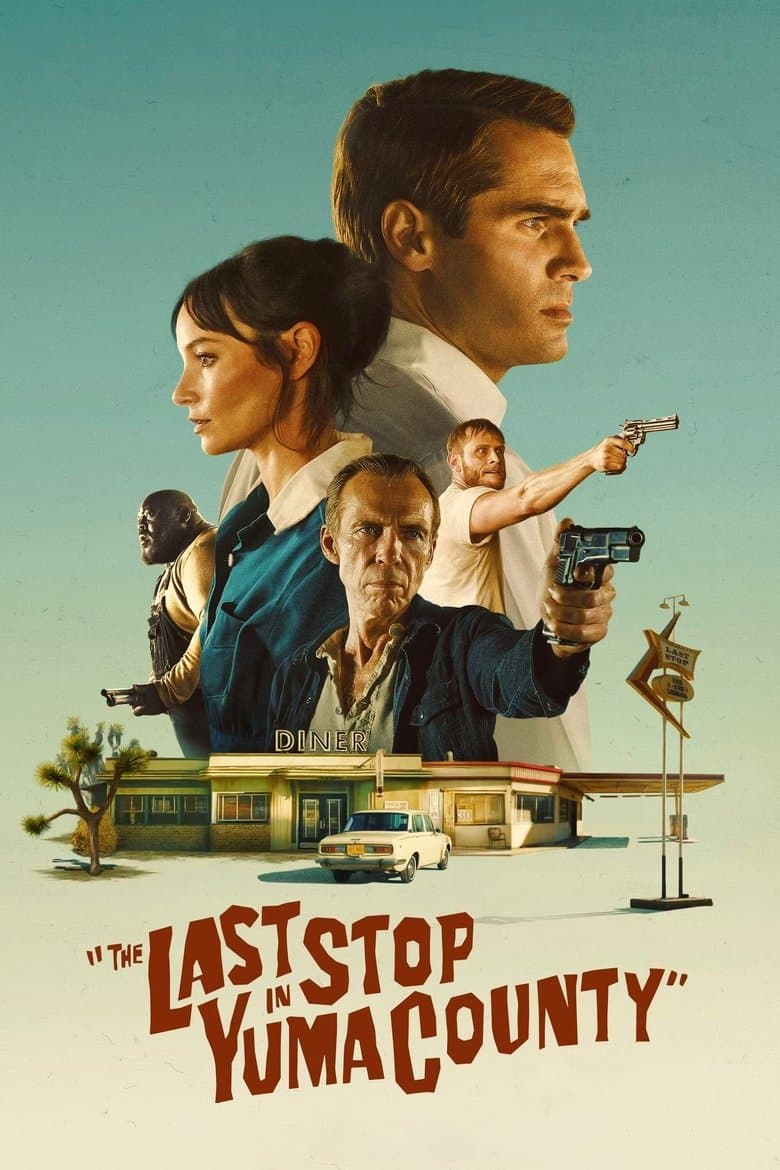
Movie · 2024
While awaiting the next fuel truck at a middle-of-nowhere Arizona rest stop, a traveling young knife salesman is thrust into a high-stakes hostage situation by the arrival of two…
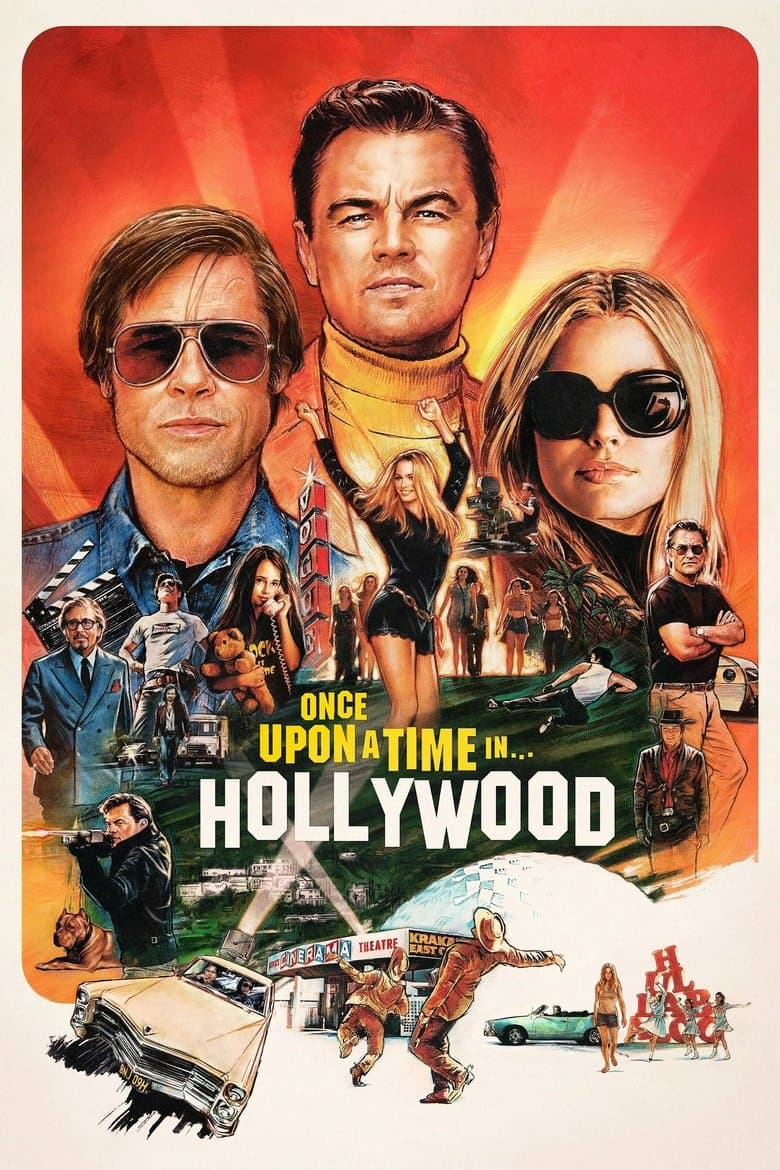
Movie · 2019
Los Angeles, 1969. TV star Rick Dalton, a struggling actor specializing in westerns, and stuntman Cliff Booth, his best friend, try to survive in a constantly changing movie…

Movie · 2025
Marty Mauser, a young man with a dream no one respects, goes to hell and back in pursuit of greatness.

Movie · 2022
After escaping a Michigan prison, a charming career criminal assumes a new identity in Canada and goes on to rob a record 59 banks and jewellery stores while being hunted by a…

Movie · 2017
In 1981, an enthusiastic young adventurer follows his dreams into the Bolivian Amazon jungle with two friends and a guide with a mysterious past.
