
Jungle follows Yossi Ghinsberg, a young Israeli traveler who wants to see the Amazon. In 1981, he joins Kevin, an American photographer, Marcus, a Swiss teacher, and Karl, an Austrian guide who promises a path to a hidden tribe. The trip into Bolivia soon breaks apart when rough water, sickness, fear, and the jungle push the men past their limits. Yossi becomes lost and must survive alone for weeks with little food, a serious injury, and no clear way out. The film feels harsh, tense, and frightening, with long scenes of pain, hunger, and panic.
The story is built around survival, trust, and the danger of following a stranger. Yossi starts as an eager traveler who wants a great adventure, but hunger and pain strip away his confidence and force him to keep moving. Kevin’s decision to search for him gives the film a strong thread about friendship and loyalty. The film shows how fear can turn friends against one another and how nature does not care about human plans. Its final message is about endurance, self-discovery, and the will to live after every easy choice has failed.
Community feedback
Was our 1% Woke rating accurate?
Breakdown
These are the editorial factors and ratings behind our score for Jungle.
Woke representation / casting
Not present in this title.
0%
Woke political dialogue
Not present. Dialogue and voiceover focus exclusively on survival decisions, trust, fear, and human darkness; zero activist, identity, or institutional language.
0%
Identity-driven story themes
Not present. Core themes are universal resilience, betrayal, isolation, and nature’s indifference with no race, gender, sexuality, or social-justice framing.
0%
Western institutional / cultural critique
Not present. Story presents individual human flaws and wilderness threats without reframing into modern critiques of patriarchy, colonialism, capitalism, or Western institutions.
0%
Woke character or canon changes
Not relevant. the film adheres closely to Ghinsberg’s documented memoir and real events with only standard dramatic compression.
0%
Anti-woke backlash and complaints
Not present. No anti-woke or right-leaning complaints exist; the film generated no political debate or “too woke” discussion in reviews or social media.
0%
Creator track record context
Greg McLean, Justin Monjo, and the producers have commercial genre and adventure records with little activist material. Yossi Ghinsberg has worked in environmental conservation and Israeli-Palestinian reconciliation. Those causes are mild humanitarian and environmental signals. The film’s interviews and marketing do not connect the story to identity politics.
6%
Production
Movie · 2022
One woman's journey for self-discovery and turns into a harrowing tale of survival.
Movie · 2016
Kenny Wells, a modern-day prospector, hustler, and dreamer, is desperate for a lucky break. Left with few options, Wells teams up with an equally luckless geologist to execute a…

Movie · 2018
When a stadium is seized by a group of heavily armed criminals during a major sporting event, an ex-soldier must use all his military skills to save both the daughter of a fallen…
Movie · 2017
A doctor desperately tries to save his wife and their 5 year old son after their vacation in the Bahamas takes an unexpected turn.
Movie · 2022
A recently widowed man and his two teenage daughters travel to a game reserve in South Africa. However, their journey of healing soon turns into a fight for survival when a…

Movie · 2019
Henry Brogan is an elite 51-year-old assassin who's ready to call it quits after completing his 72nd job. His plans get turned upside down when he becomes the target of a…
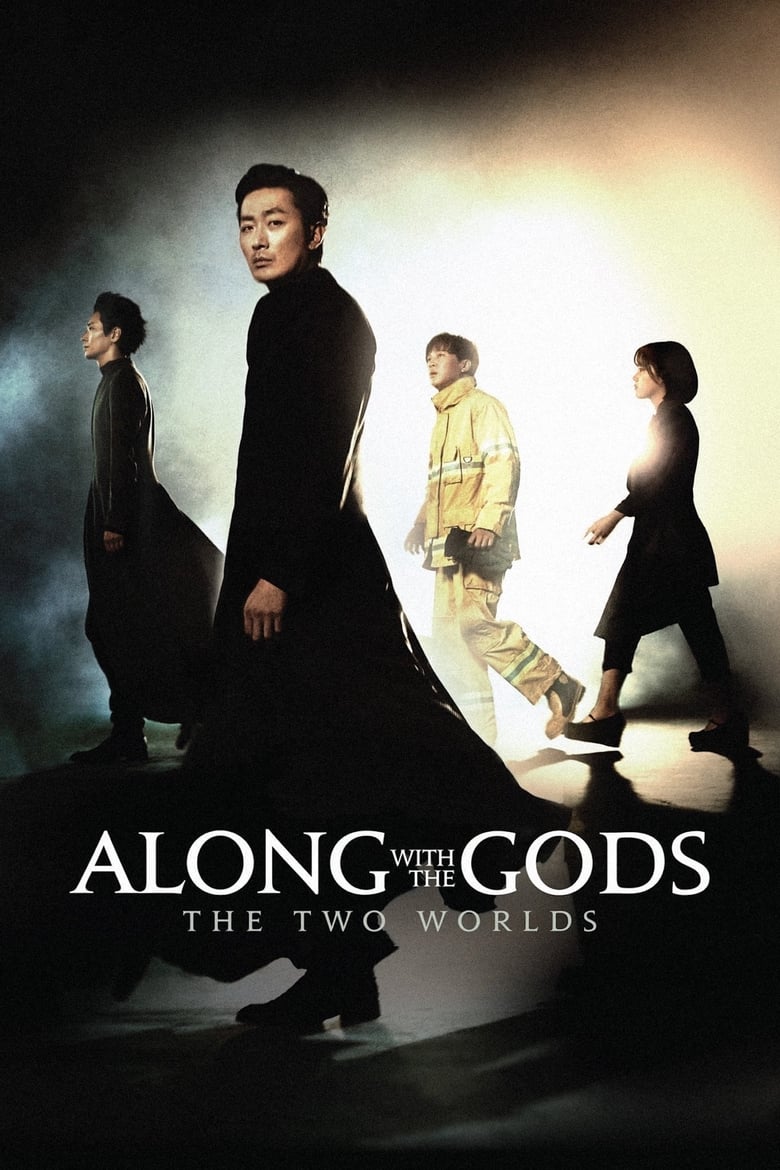
Movie · 2017
Having died unexpectedly, firefighter Ja-hong is taken to the afterlife by 3 afterlife guardians. Only when he passes 7 trials over 49 days and proves he was innocent in human…
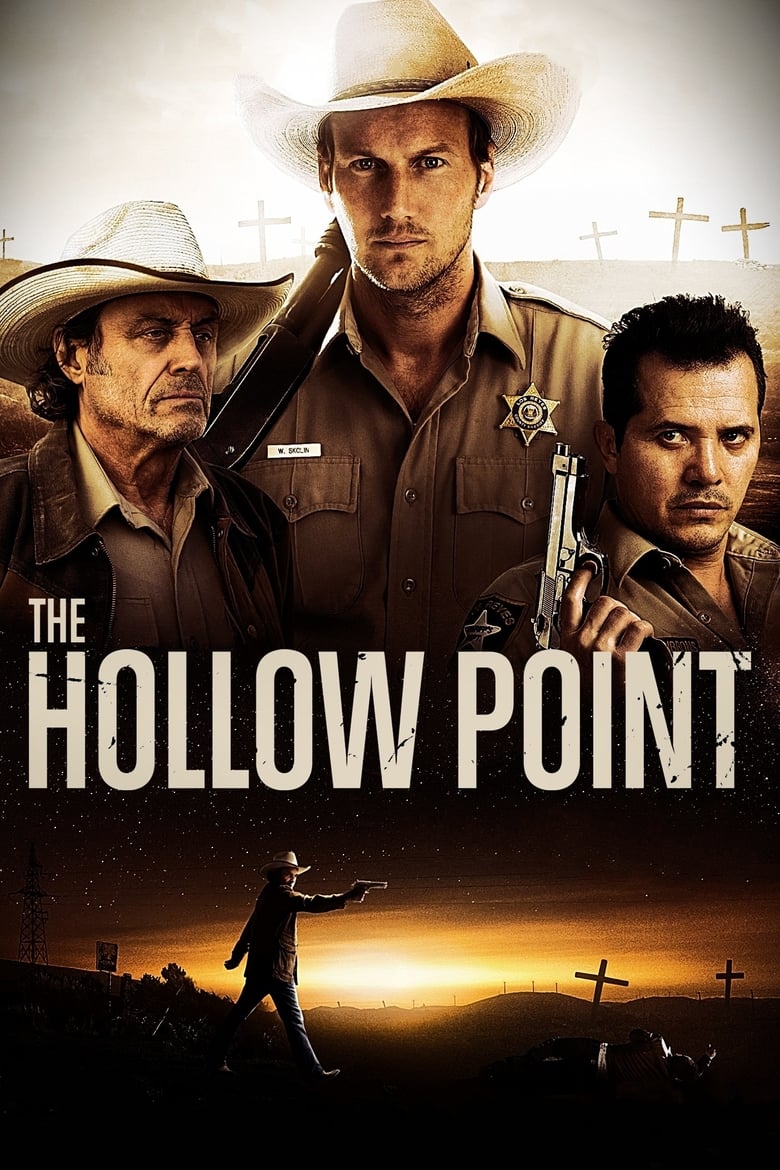
Movie · 2016
Los Reyes County, Arizona. Leland, a retired lawman, works with Wallace, the new sheriff who replaces him, when a vicious hit man, sent by a Mexican drug cartel, threatens their…
