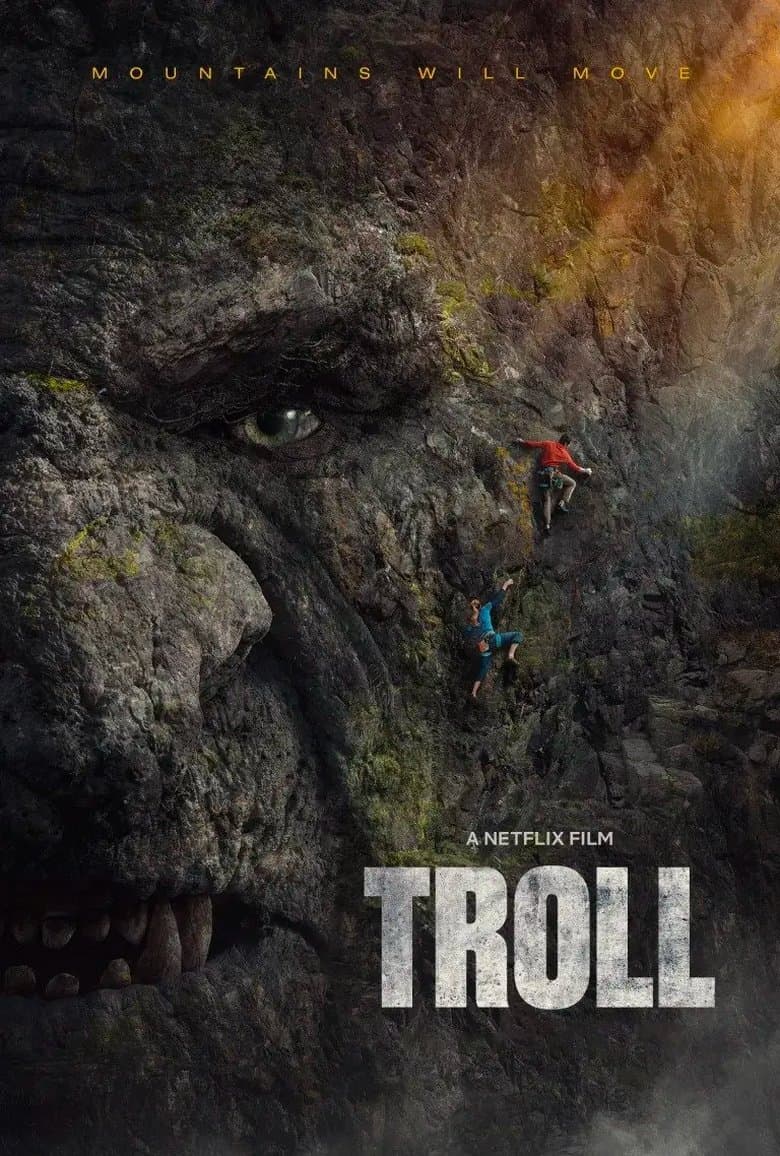
Troll follows Nora Tidemann, a paleontologist who is called to a mountain disaster in modern Norway. A railway blast in the Dovre Mountains wakes a giant stone troll, and the creature starts walking toward Oslo. Nora works with her estranged father Tobias, government adviser Andreas, and soldier Kris while the army tries to stop the threat. The film mixes large monster attacks, dry jokes, family grief, Norwegian folklore, and a sad story about a creature that wants to go home.
The movie gives several important jobs to women. Nora finds the truth about the troll, the female prime minister leads the country, and Sigrid stops a bombing by hacking a military system. Amir uses an Islamic greeting and joins the final rescue effort, while the story presents Christian settlers as the people who destroyed the trolls and hid their history. The film also says that modern construction harms nature and that people should listen before they use force. These ideas are clear, but they stay inside a fast monster adventure instead of becoming a long modern political debate.
Community feedback
Was our 59% Woke rating accurate?
Breakdown
These are the editorial factors and ratings behind our score for Troll.
Woke representation / casting
Nora is the main scientist and action leader, while a woman serves as Norway's prime minister. Sigrid is a female defense tech worker who hacks the system that can stop the bombing. Amir uses an Islamic greeting and joins the final rescue team, and the expert group also includes visibly mixed casting. The film does not present this as a full diversity campaign, so the pattern is noticeable but not overwhelming.
42%
Woke political dialogue
Protesters chant for the mountain to live when the railway work begins. Nora calls the construction a mockery of nature, and Tobias says nature will push back. A scientific briefing links methane to global warming, and a minister jokes about calling Greta. These lines give the film a clear but brief environmental activist message, with no repeated identity-politics speech.
28%
Identity-driven story themes
Nora drives the key discoveries, Sigrid stops the missile system, and the female prime minister directs the national response. The male characters mainly provide military force, comic relief, or family history, although Kris remains a capable soldier. Nora also changes from trying to stop the troll to defending it as a wronged survivor. The film asks viewers to value nature and lost Norwegian culture over quick force, but it does not turn that message into a current gender campaign.
52%
Western institutional / cultural critique
The story says Christian settlers wiped out the trolls and hid the truth under royal power. The Royal Palace covers the troll king's old home, and church bells become a weapon against him. Officials dismiss Tobias and plan a nuclear strike, while Nora and Andreas resist the decision. The film links Christian conquest and modern building to lost culture and damaged nature, but it does not make a current party argument.
44%
Woke character or canon changes
The movie uses old Norwegian troll folklore but adds a backstory in which Christian settlers wipe out the troll people. The troll king changes from a simple monster into a grieving survivor who wants to return home. This is an important reinterpretation, but Troll is an original film rather than a remake with a fixed screen canon.
32%
Anti-woke backlash and complaints
A few viewers and reviewers called the film anti-Christian, climate-woke, or slightly woke because its backstory blames Christian settlers and its opening blames mountain construction. A Bounding Into Comics review made the anti-Christian complaint in a named outlet, and a small SensCritique review used the word woke. The separate X check found only a handful of small or anonymous accounts, with no large pickup, boycott, or review-bombing. Most visible coverage focused on the monster action or on viewers feeling sorry for the troll, so the backlash stayed fringe.
24%
Creator track record context
Most of the main creative team is linked to commercial genre films and has no clear activist profile. Roar Uthaug and Espen Aukan have little public record of identity-politics work or statements. Producer Veslemøy Ruud Zwart has spoken about gender equality and praised the 2017 Women's March, which adds a small supporting signal. The film itself was discussed mainly as Norwegian folklore and monster entertainment.
10%
Production
Movie · 2018
Lara Croft, the fiercely independent daughter of a missing adventurer, must push herself beyond her limits when she finds herself on the island where her father disappeared.
Movie · 2016
Fearing the actions of a god-like Super Hero left unchecked, Gotham City’s own formidable, forceful vigilante takes on Metropolis’s most revered, modern-day savior, while the…
Movie · 2021
Washed-up MMA fighter Cole Young, unaware of his heritage, and hunted by Emperor Shang Tsung's best warrior, Sub-Zero, seeks out and trains with Earth's greatest champions as he…
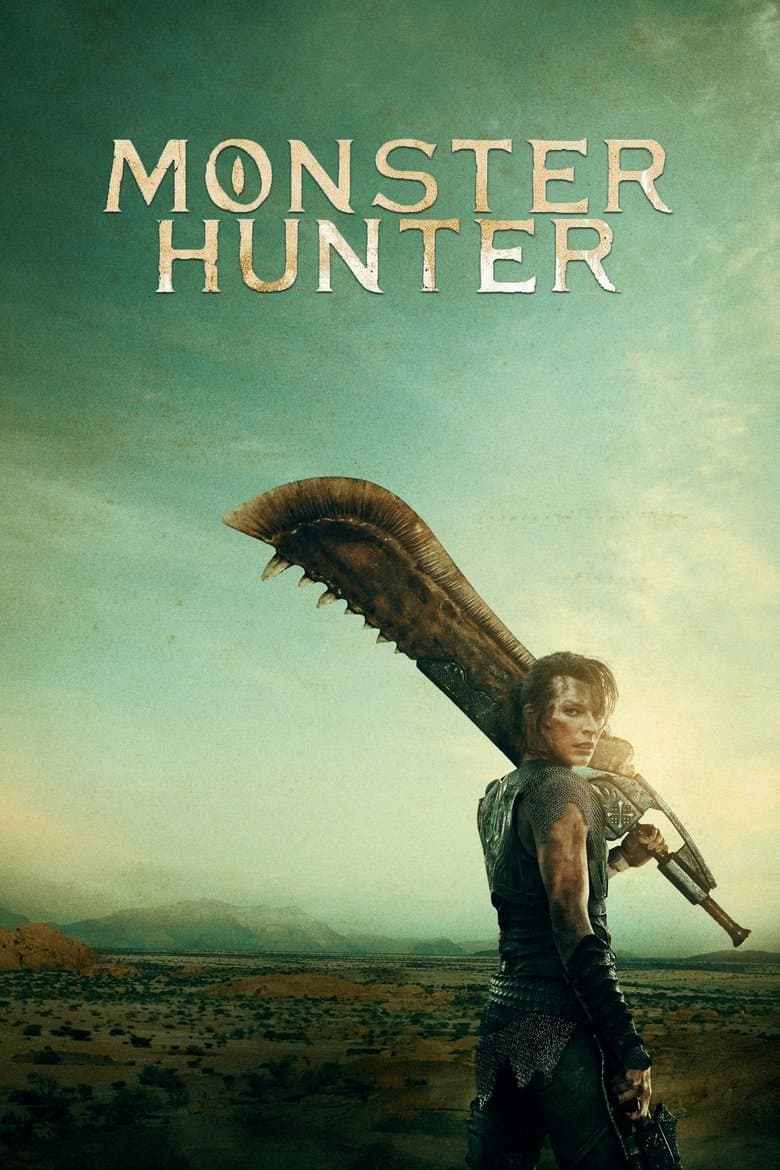
Movie · 2020
A portal transports Cpt. Artemis and an elite unit of soldiers to a strange world where powerful monsters rule with deadly ferocity.
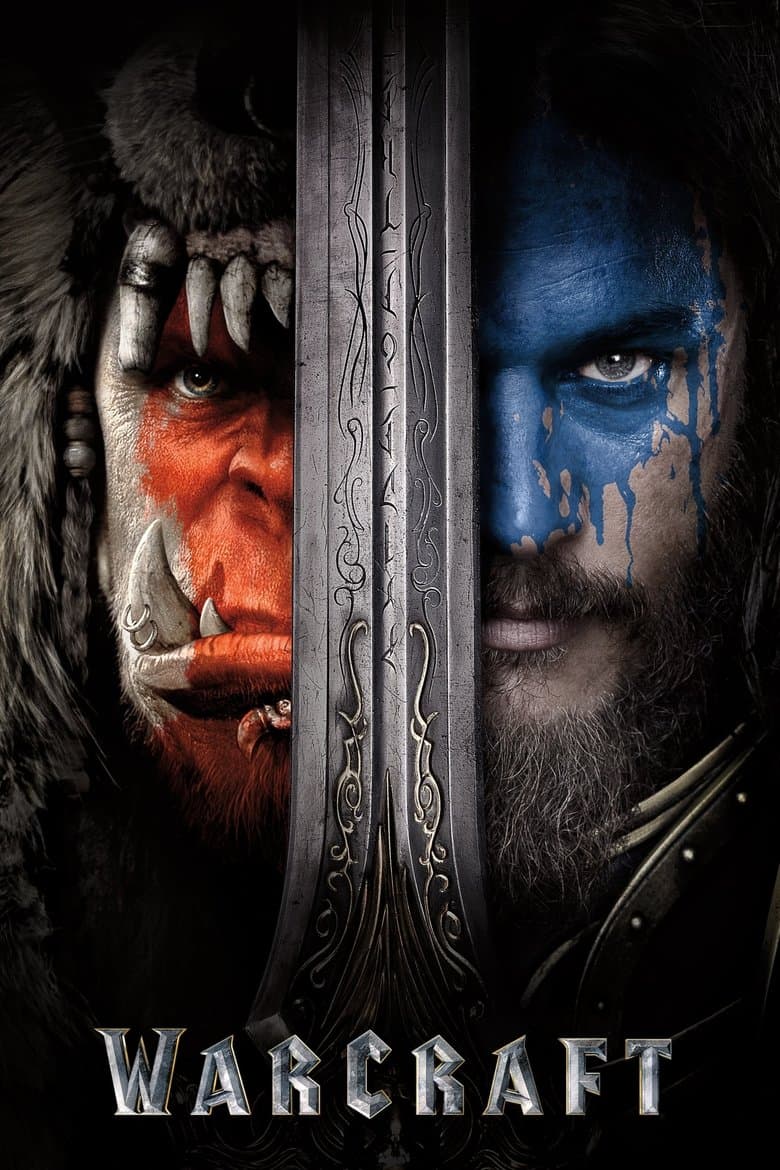
Movie · 2016
The peaceful realm of Azeroth stands on the brink of war as its civilization faces a fearsome race of invaders: orc warriors fleeing their dying home to colonize another.
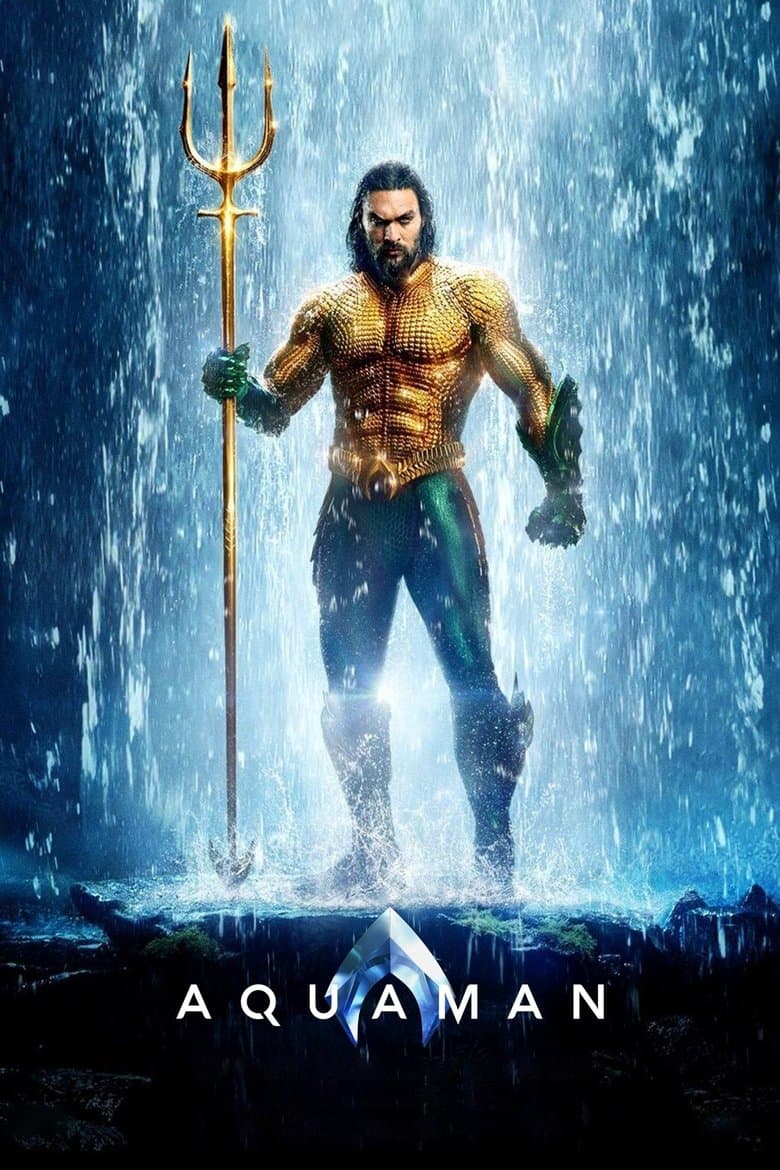
Movie · 2018
Half-human, half-Atlantean Arthur Curry is taken on the journey of his lifetime to discover if he is worth of being a king.
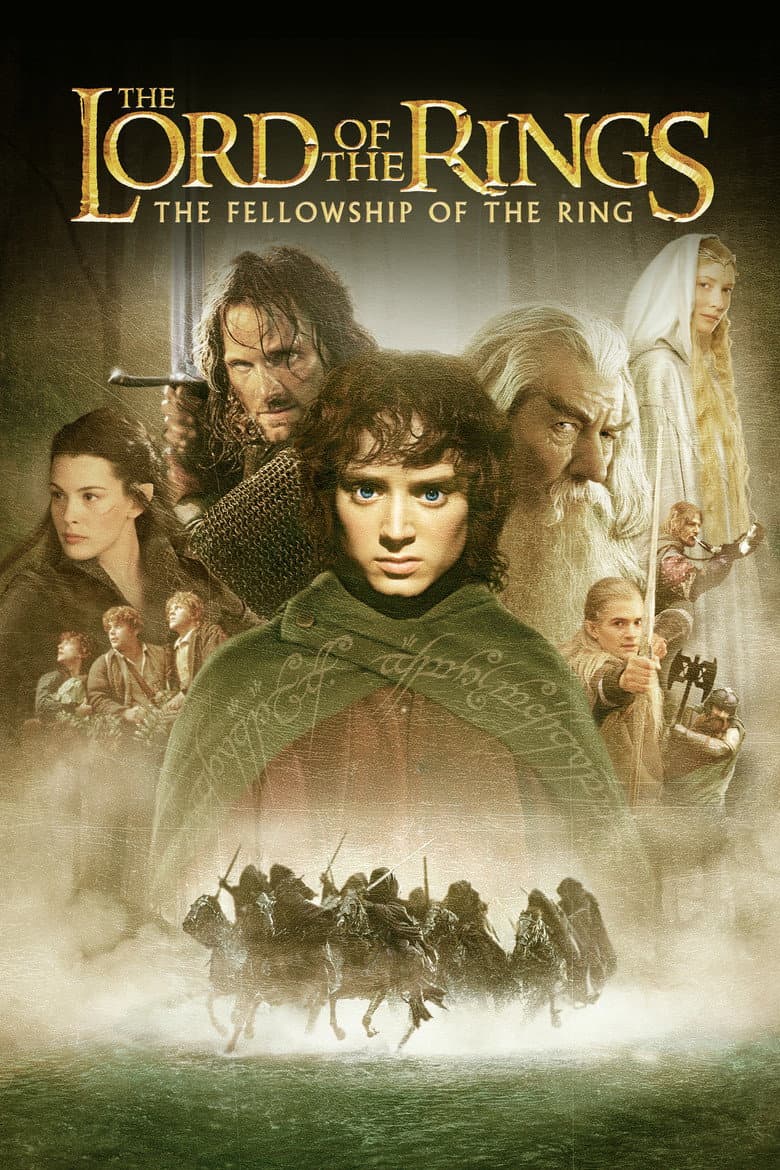
Movie · 2001
Young hobbit Frodo Baggins, after inheriting a mysterious ring from his uncle Bilbo, must leave his home in order to keep it from falling into the hands of its evil creator.
Movie · 2017
When Mahendra, the son of Bāhubali, learns about his heritage, he begins to look for answers. His story is juxtaposed with past events that unfolded in the Mahishmati Kingdom.
