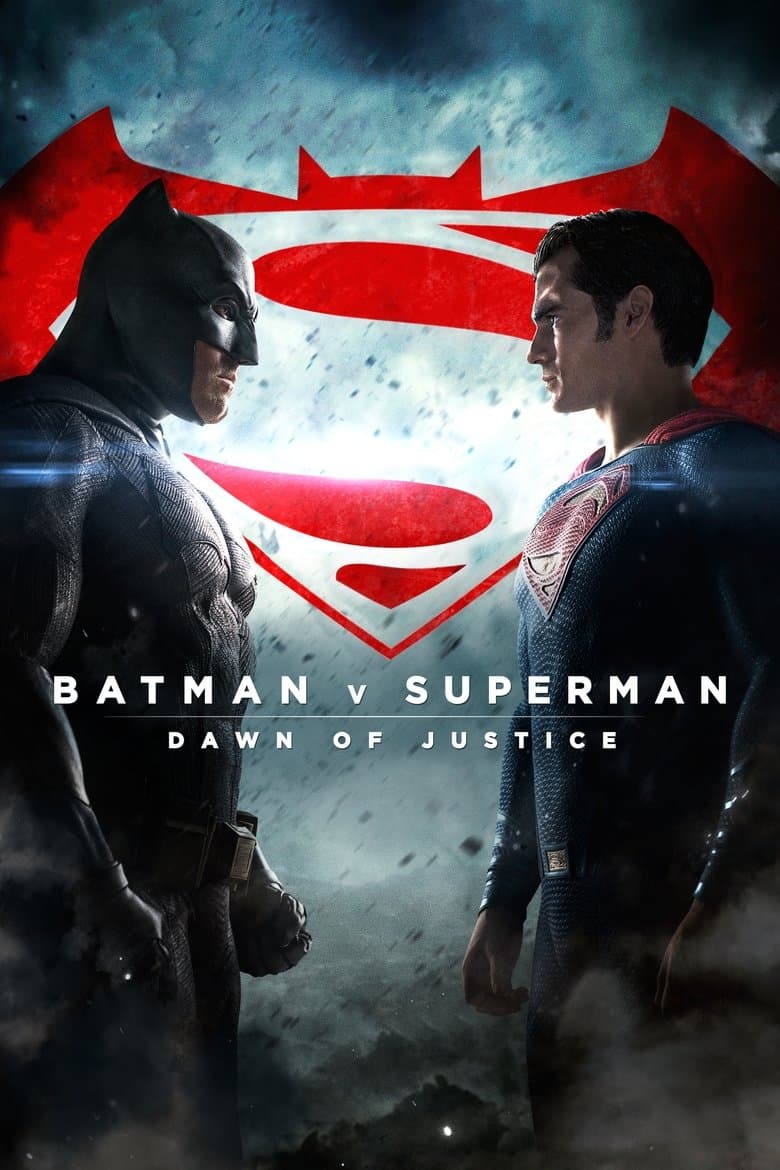
Movie review
March 23, 2016 · 152 min · PG-13 · Fantasy · Action · Adventure
Batman v Superman: Dawn of Justice follows Bruce Wayne, an older Batman who fears that Superman has too much power. Bruce sees the destruction of Metropolis as proof that Superman could become a danger to everyone. Clark Kent sees Batman as a violent vigilante and investigates his actions while Lex Luthor secretly pushes both men toward war. The dark story moves between Gotham, Metropolis, government rooms, news reports, and large battles before the heroes face Doomsday.
The film gives Wonder Woman a major action entrance, and she fights beside Batman and Superman in the final battle. She is shown as a powerful female hero who can match the two male leads in the fight against Doomsday. Her role adds a clear representation signal, but it stays tied to one established comic character and a short part of the plot. The main story stays focused on fear, power, guilt, mercy, sacrifice, and the danger of judging people from a distance.
Community feedback
Was our 14% Woke rating accurate?
Breakdown
These are the editorial factors and ratings behind our score for Batman v Superman: Dawn of Justice.
Woke representation / casting
Wonder Woman is one of the film’s three headline heroes, and Holly Hunter plays the senator who leads the public hearing. Snyder said female empowerment and strong female representation were goals, while Gadot called Wonder Woman an important strong female role model. Diana is a long-established comic warrior, so this signal is brief and tied to one established character rather than a broad diversity-first casting pattern.
18%
Woke political dialogue
Not present. The Senate hearing, news reports, and public protests discuss Superman’s power and responsibility. The dialogue uses superhero and government language rather than modern activist or identity politics language.
0%
Identity-driven story themes
Not present. Batman’s fear, Superman’s guilt, Lex Luthor’s plot, and Superman’s sacrifice drive the story. Wonder Woman enters as an established comic hero, but the movie does not make race, gender, sexuality, or identity politics the subject of its main conflict.
0%
Western institutional / cultural critique
Not present. A Senate hearing and news coverage question the damage caused by Superman. The film treats this as a debate over power and public safety, not as an activist attack on Western institutions, family life, religion, or culture.
0%
Woke character or canon changes
Not relevant. The film adapts ideas from The Dark Knight Returns and The Death of Superman, brings Batman and Wonder Woman into the Superman story, and changes some plot details. Those changes serve the team-up and action story rather than an identity message.
0%
Anti-woke backlash and complaints
Not present. Reported complaints focused on the dark tone, long running time, confusing plot, and the “Martha” scene. No clear anti-woke complaint, boycott, or review-bomb campaign targeting the film was found.
0%
Creator track record context
Zack Snyder has a moderate liberal and inclusion-focused public record. He said female empowerment and strong female representation were goals in his films, and he described this title through disillusionment, media, world policing, and the costs of power. William Moulton Marston’s older feminist ideas are part of Wonder Woman’s source history, while most other listed creators have little public activist history. This gives mild creator-context support without making the plot activist-driven.
25%
Production
Movie · 2020
Earth is decimated after intergalactic tyrant Darkseid has devastated the Justice League in a poorly executed war by the DC Super Heroes.
Movie · 2001
Young hobbit Frodo Baggins, after inheriting a mysterious ring from his uncle Bilbo, must leave his home in order to keep it from falling into the hands of its evil creator.
Movie · 2016
A common thief joins a mythical god on a quest through Egypt.
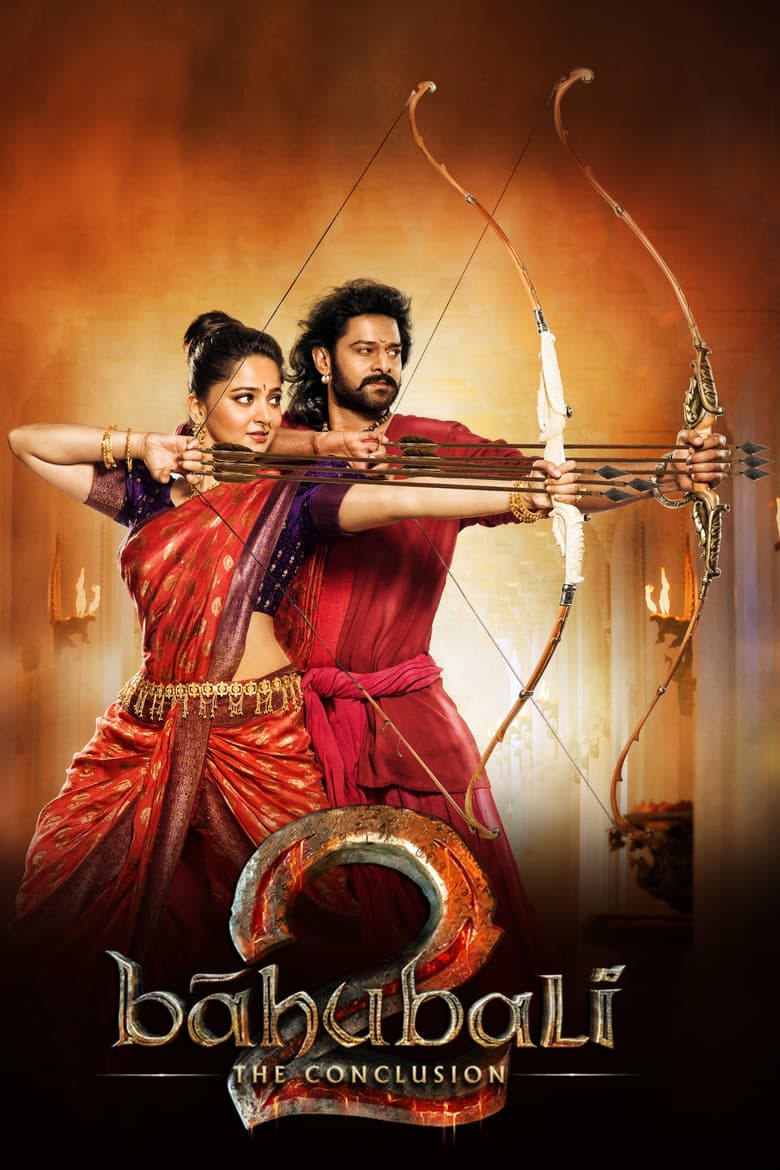
Movie · 2017
When Mahendra, the son of Bāhubali, learns about his heritage, he begins to look for answers. His story is juxtaposed with past events that unfolded in the Mahishmati Kingdom.
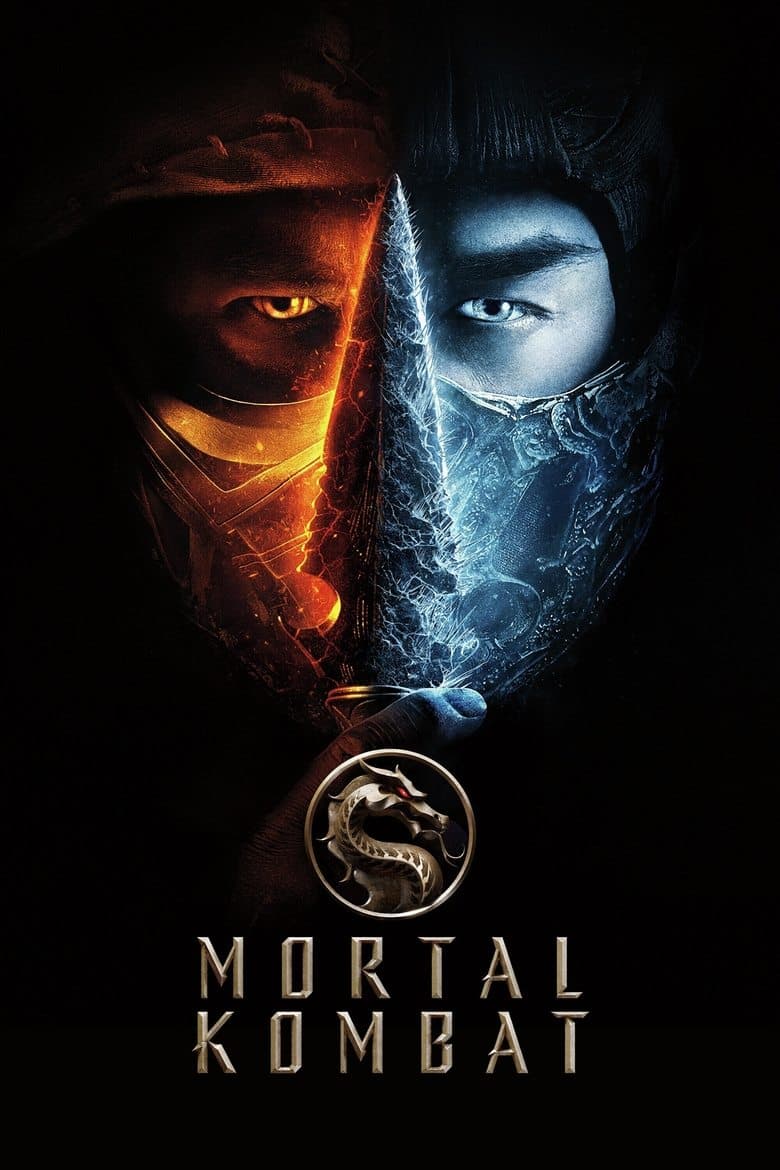
Movie · 2021
Washed-up MMA fighter Cole Young, unaware of his heritage, and hunted by Emperor Shang Tsung's best warrior, Sub-Zero, seeks out and trains with Earth's greatest champions as he…
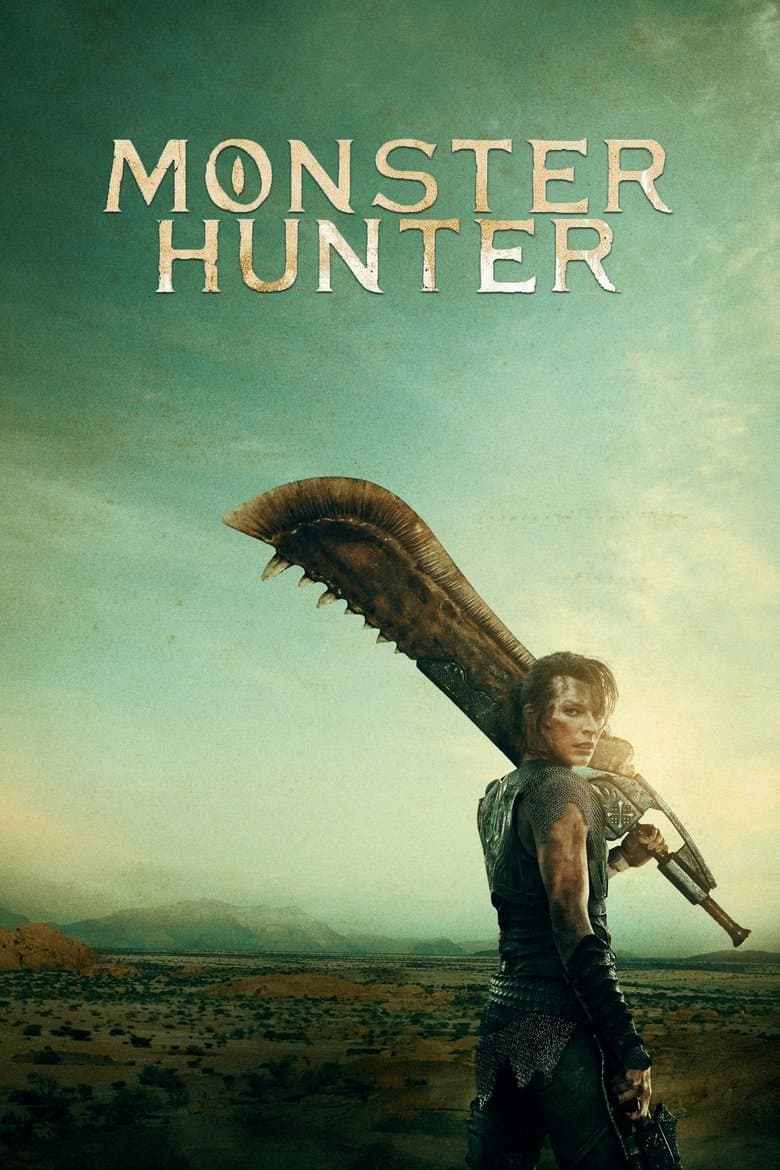
Movie · 2020
A portal transports Cpt. Artemis and an elite unit of soldiers to a strange world where powerful monsters rule with deadly ferocity.
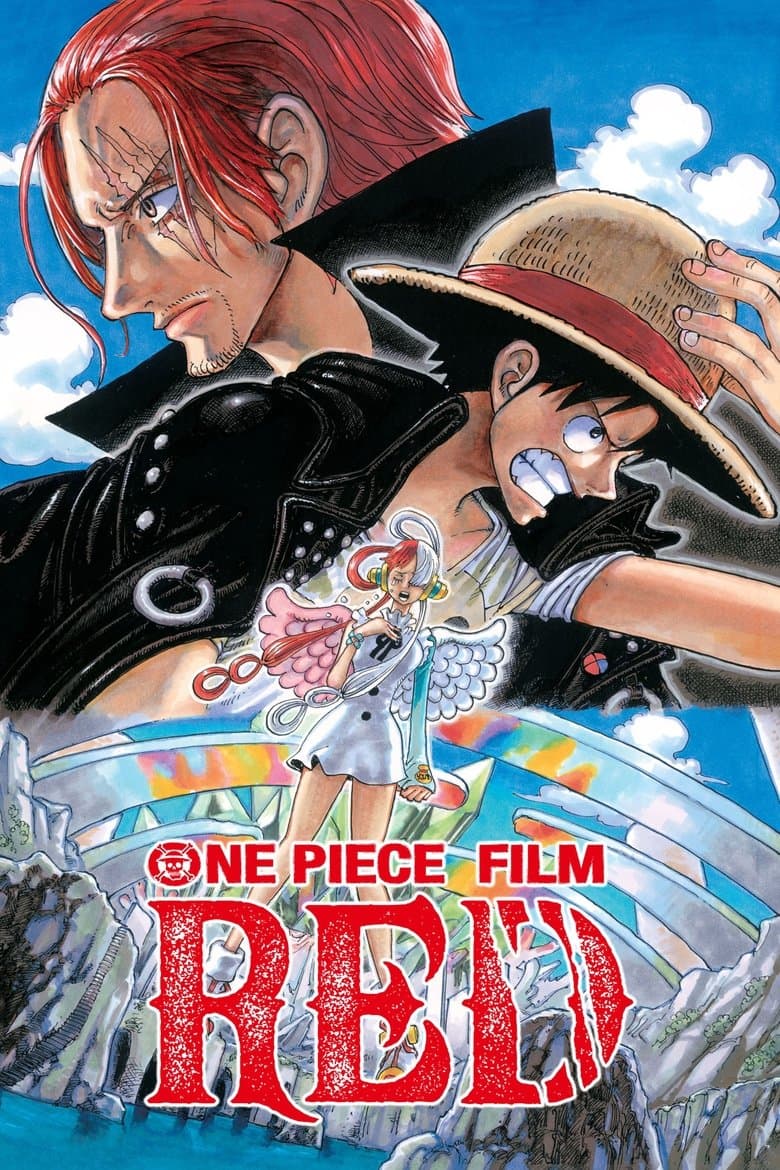
Movie · 2022
A new adventure begins for Luffy and his crew when mysterious pop superstar Uta unveils her identity — and launches a misguided plan for world peace.
Movie · 2018
Lara Croft, the fiercely independent daughter of a missing adventurer, must push herself beyond her limits when she finds herself on the island where her father disappeared.
