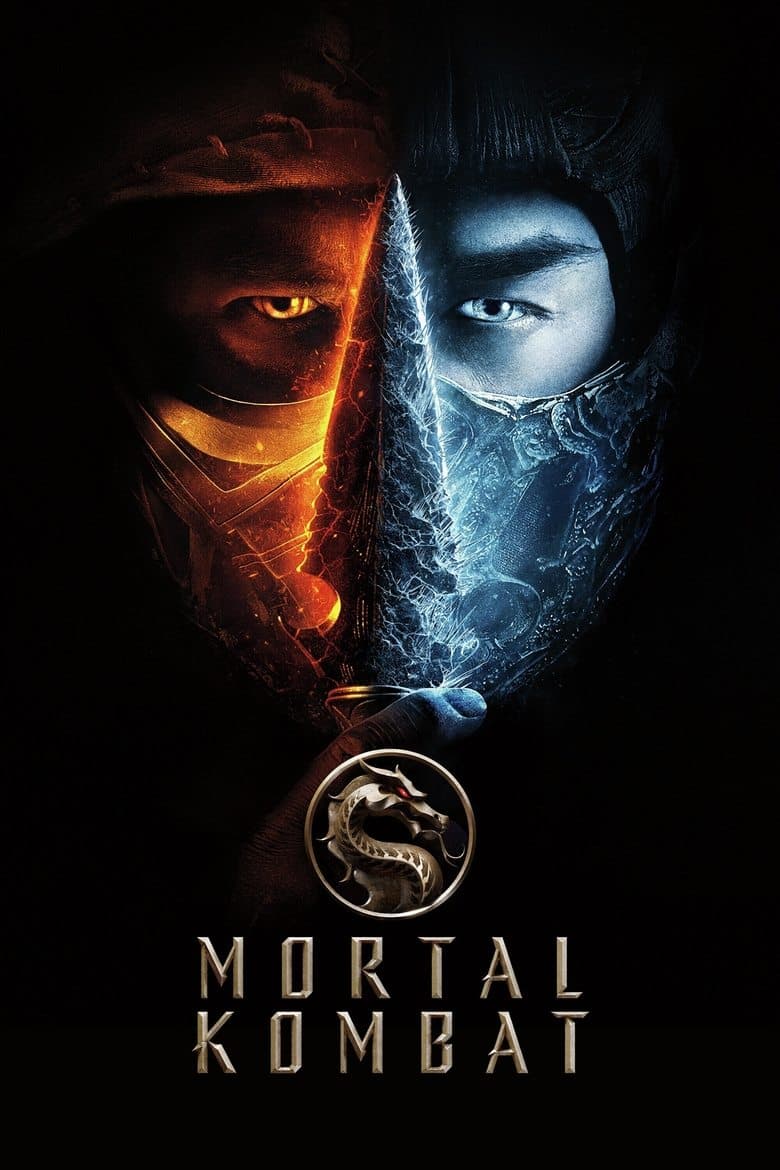
The 2021 Mortal Kombat movie follows MMA fighter Cole Young, who learns he carries the bloodline of legendary warrior Scorpion and joins Earth's champions to fight Outworld forces in a deadly tournament that decides the fate of the realms. The story delivers violent action, revenge, training montages, and fantasy battles drawn straight from the video games. No modern identity politics, social lectures, activist dialogue, or representation-first messaging appear in the plot, characters, or visible storytelling.
Community feedback
Was our 15% Woke rating accurate?
Breakdown
These are the editorial factors and ratings behind our score for Mortal Kombat.
Woke representation / casting
Casting draws from diverse international talent that matches the multicultural fantasy setting and game lore; some interviews highlighted representation but it fits naturally without forced signaling or story mismatches.
15%
Woke political dialogue
The film contains no political speeches, modern social issues, or activist language in its script or delivery.
0%
Identity-driven story themes
Themes focus on personal heritage, revenge, training, and realm defense through combat; no race, gender, sexuality, or identity-based plotlines or messaging.
0%
Western institutional / cultural critique
No portrayals of toxic masculinity, patriarchy, Western institutions, or current social norms as flawed; pure fantasy good-versus-evil conflict.
0%
Woke character or canon changes
Introduction of original protagonist Cole Young and minor adjustments to Scorpion's family backstory for the film; these serve story needs rather than ideological reinterpretation of established characters.
10%
Anti-woke backlash and complaints
Very few complaints framed the film as pushing woke or DEI messaging; most criticism targeted new character addition or fight choreography, with no major public campaign or media coverage of identity politics concerns.
5%
Creator track record context
David Callaham shows a mild pattern from prior work centered on Asian representation without stereotypes; remaining key creatives including director, other writers, producers, and casting directors have no documented activist, DEI, or identity-politics history in their careers or statements.
18%
Production
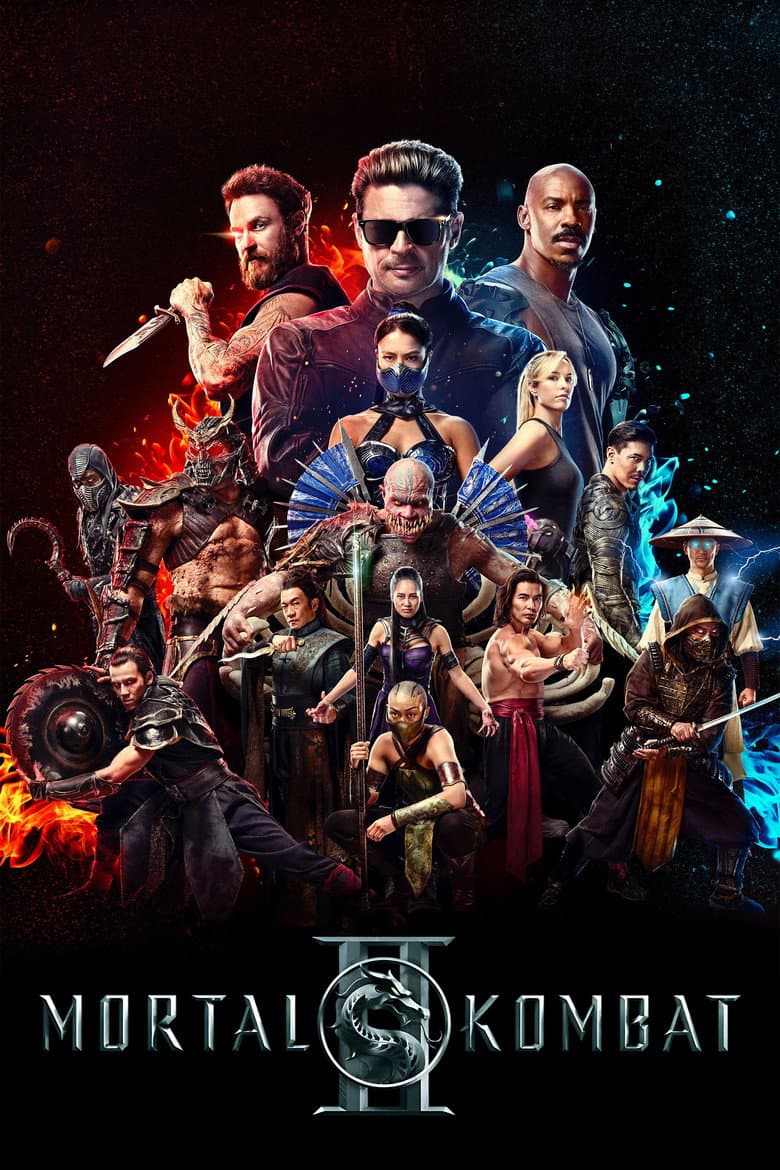
Movie · 2026
The fan favorite champions—now joined by Johnny Cage himself—are pitted against one another in the ultimate, no-holds barred, gory battle to defeat the dark rule of Shao Kahn that…
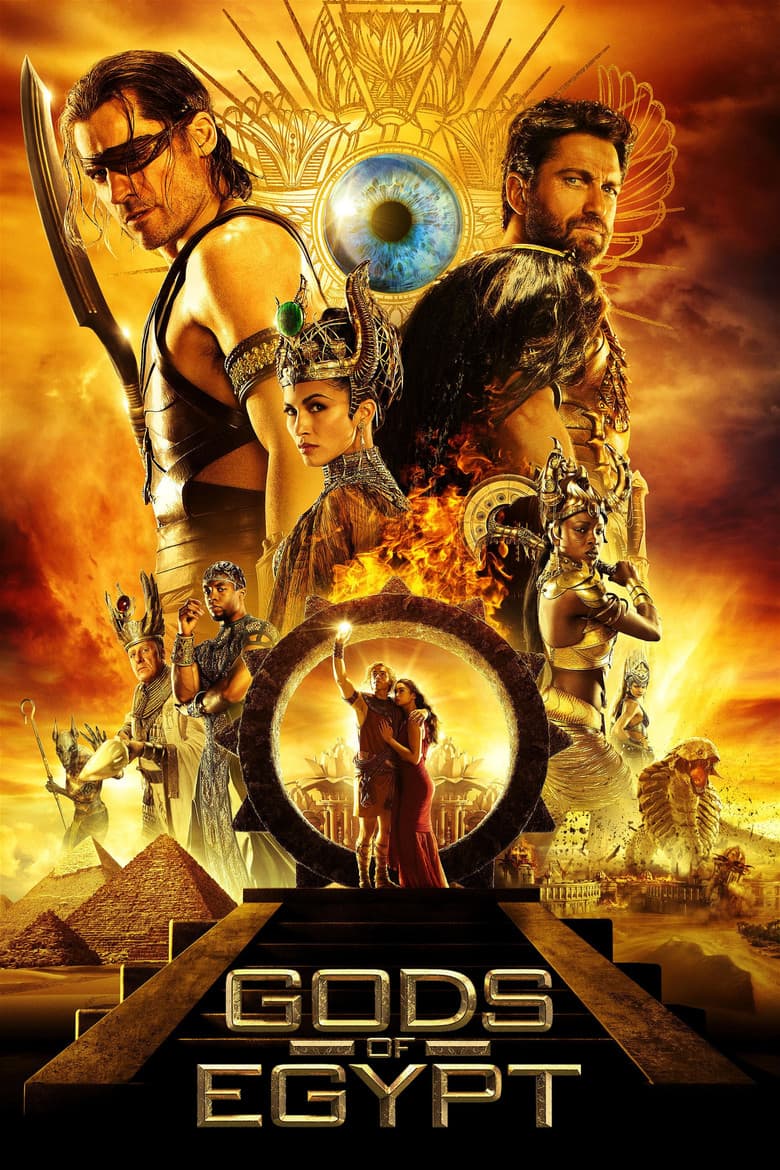
Movie · 2016
A common thief joins a mythical god on a quest through Egypt.

Movie · 2022
A new adventure begins for Luffy and his crew when mysterious pop superstar Uta unveils her identity — and launches a misguided plan for world peace.
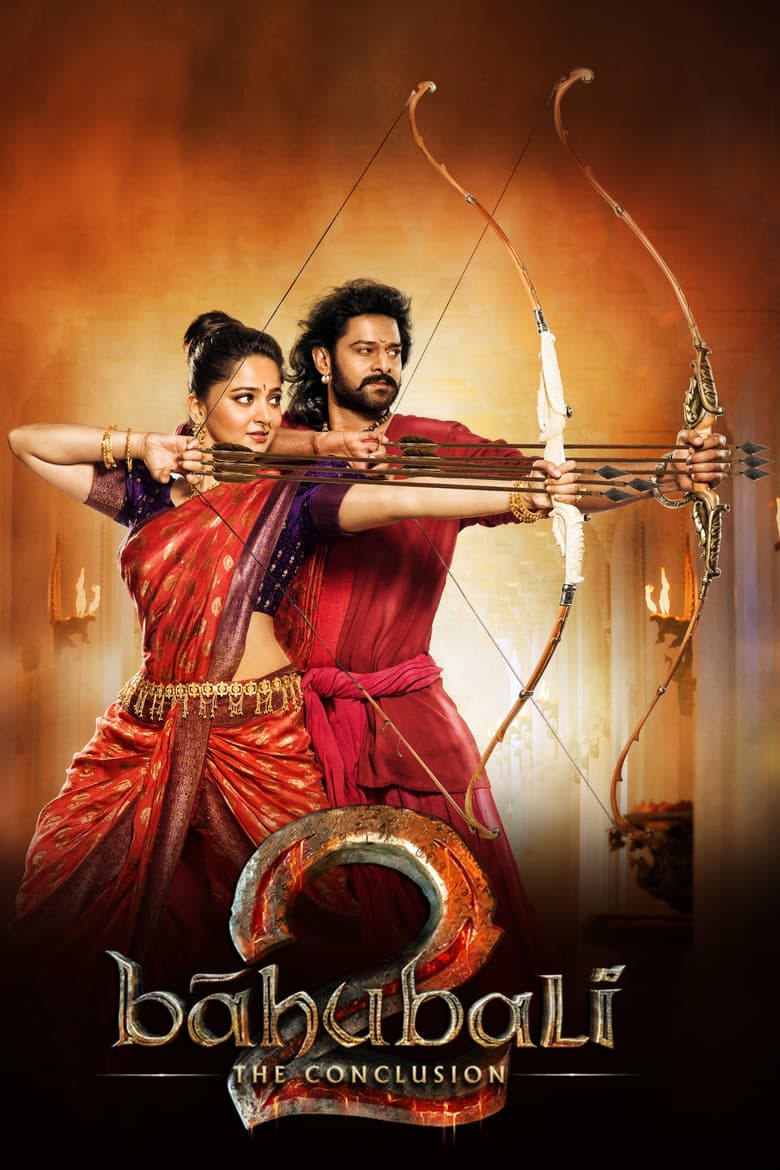
Movie · 2017
When Mahendra, the son of Bāhubali, learns about his heritage, he begins to look for answers. His story is juxtaposed with past events that unfolded in the Mahishmati Kingdom.
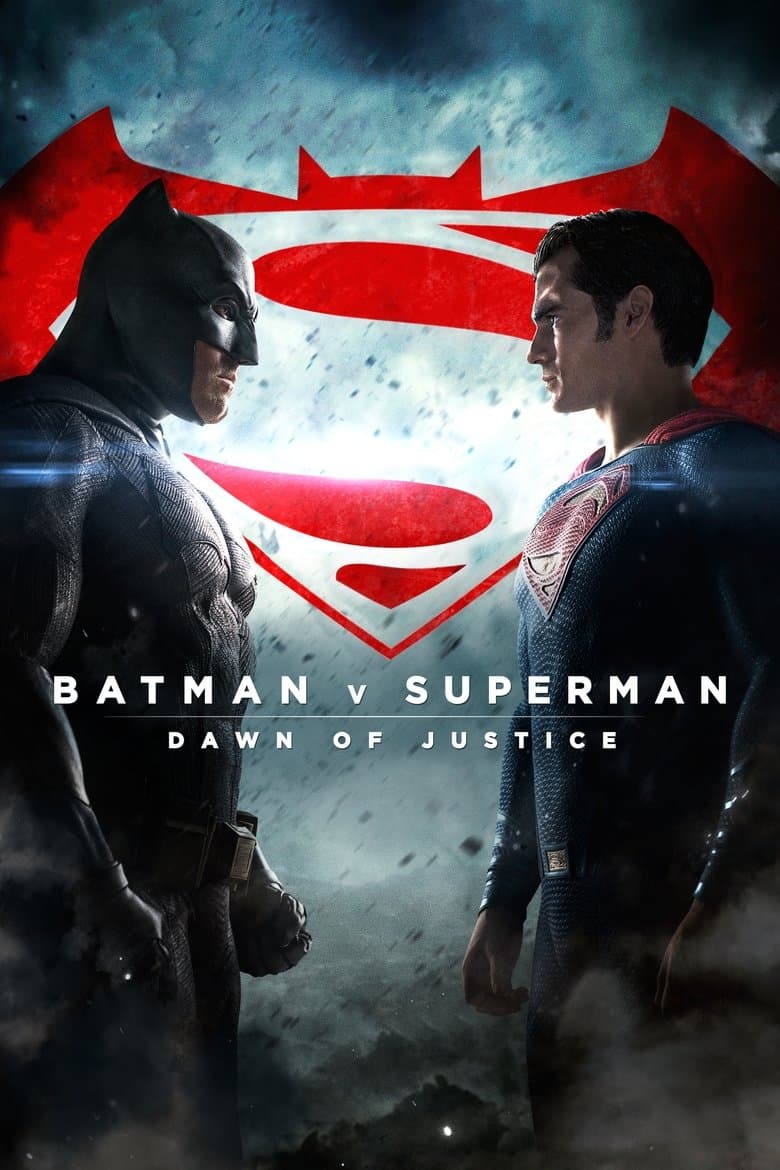
Movie · 2016
Fearing the actions of a god-like Super Hero left unchecked, Gotham City’s own formidable, forceful vigilante takes on Metropolis’s most revered, modern-day savior, while the…
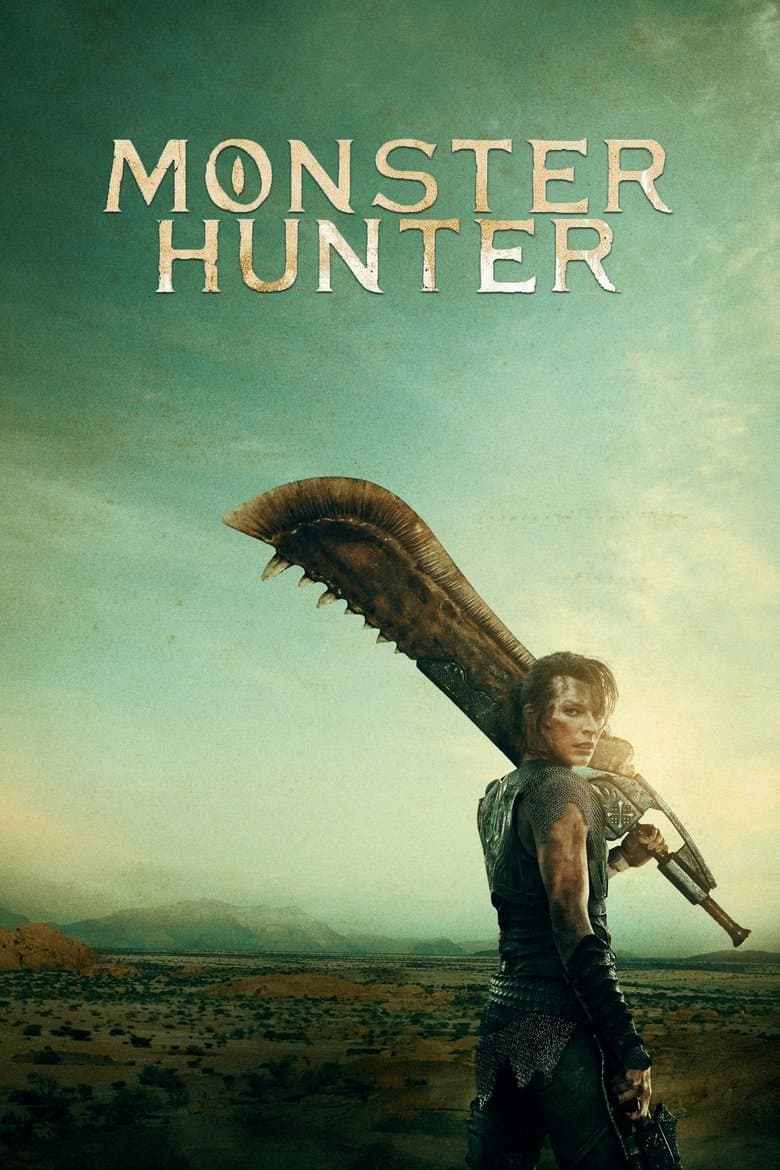
Movie · 2020
A portal transports Cpt. Artemis and an elite unit of soldiers to a strange world where powerful monsters rule with deadly ferocity.
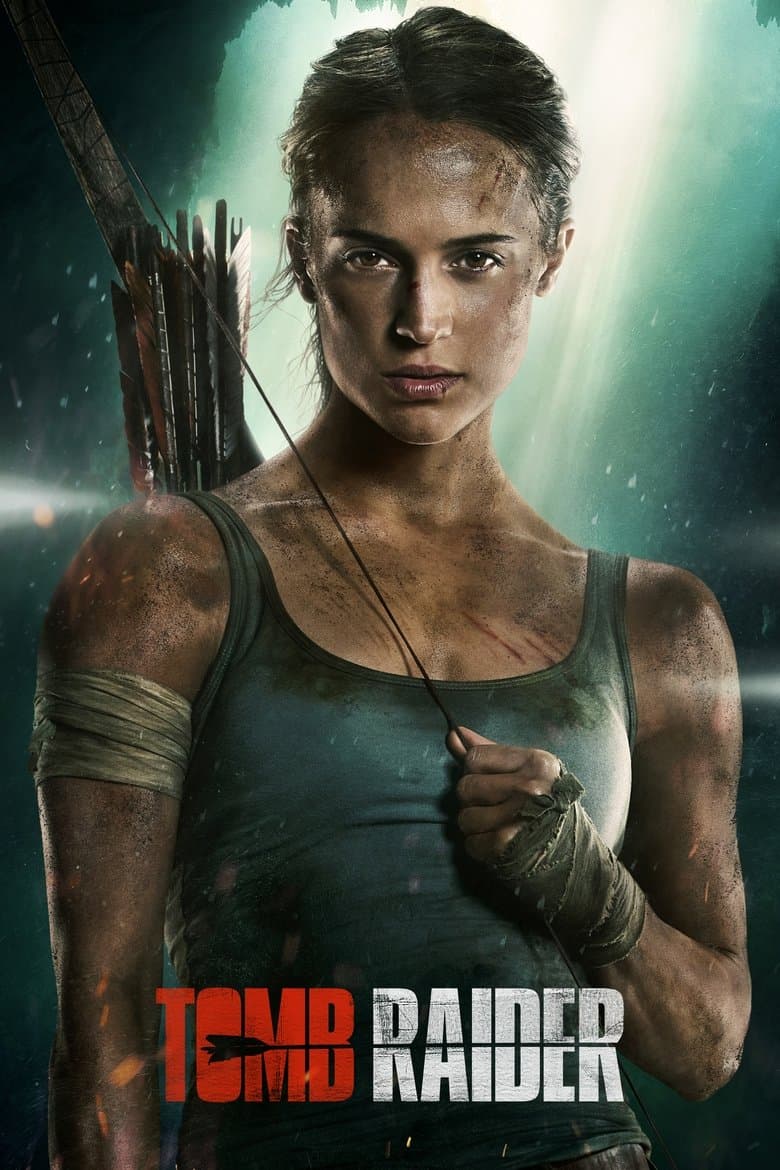
Movie · 2018
Lara Croft, the fiercely independent daughter of a missing adventurer, must push herself beyond her limits when she finds herself on the island where her father disappeared.
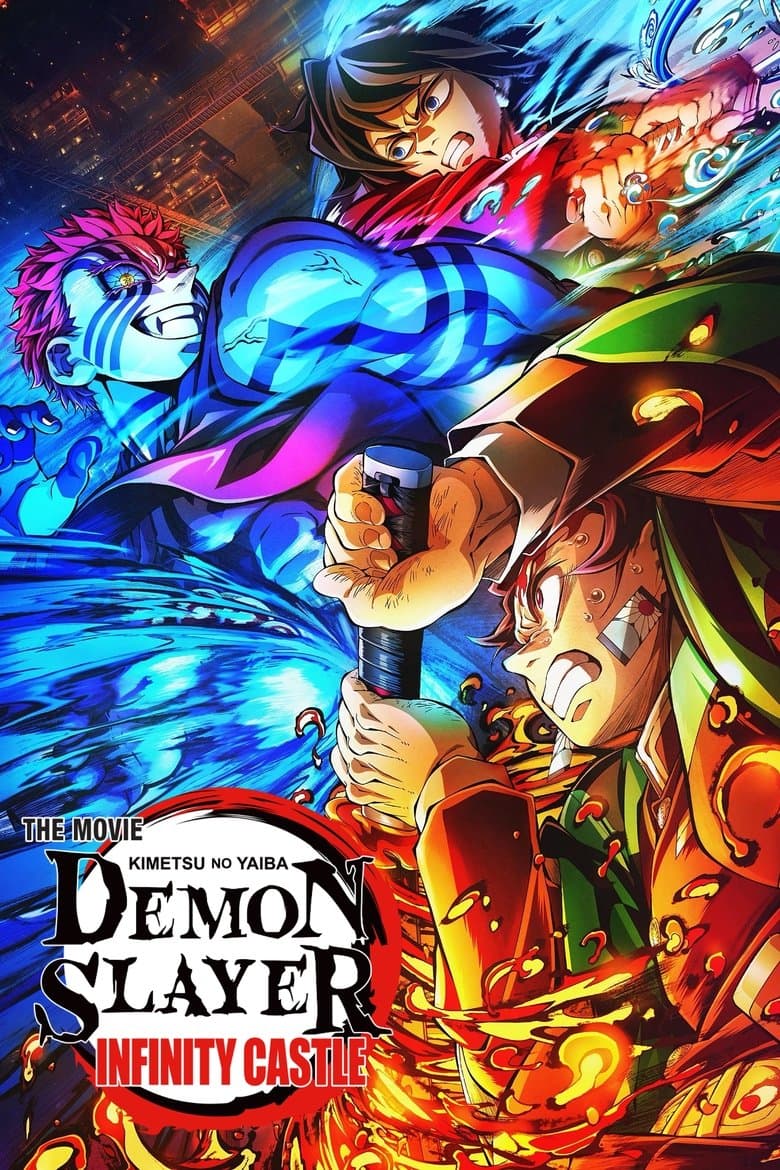
Movie · 2025
The Demon Slayer Corps are drawn into the Infinity Castle, where Tanjiro, Nezuko, and the Hashira face terrifying Upper Rank demons in a desperate fight as the final battle…
