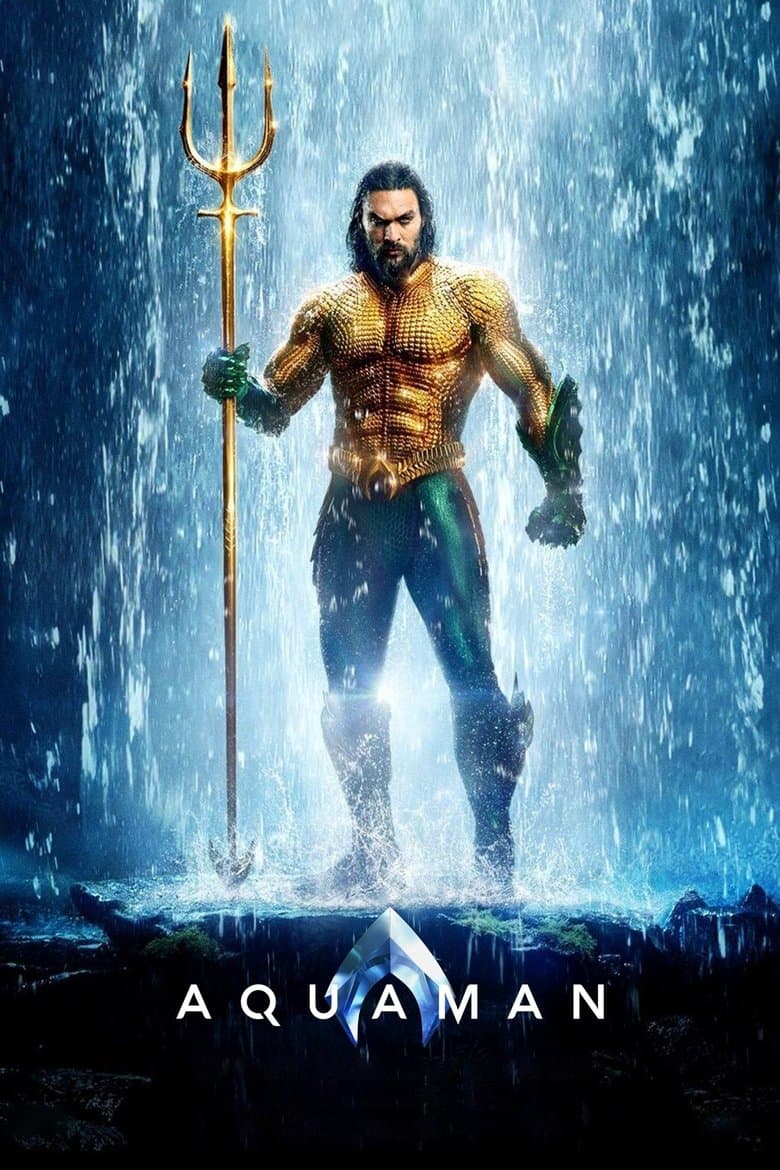
Aquaman follows Arthur Curry, the son of a human lighthouse keeper and Atlanna, the former queen of Atlantis. Arthur can live on land and breathe underwater, but he does not want the throne beneath the sea. His half-brother Orm plans to unite the underwater kingdoms and attack the surface after years of human pollution. Mera, an Atlantean princess, takes Arthur on a worldwide journey to find a lost trident and claim his place as king.
The film treats Arthur’s mixed family as a bridge between two worlds, and it makes his struggle with belonging part of his path to leadership. The story also presents ocean pollution as a real harm that gives Orm’s anger a fair starting point, even though his plan for war is rejected. Mera is a skilled fighter and guide who often helps Arthur move the story forward. The rest of the film follows a traditional hero story about family, courage, duty, forgiveness, and stopping a power-hungry ruler.
Community feedback
Was our 26% Woke rating accurate?
Breakdown
These are the editorial factors and ratings behind our score for Aquaman.
Woke representation / casting
Jason Momoa gives the familiar blond comic-book hero a Pacific Islander look, and the film makes Arthur’s mixed parentage visible. Temuera Morrison plays Arthur’s Māori father, and the film uses a Māori phrase and Polynesian touches. Mera is a prominent warrior and guide who challenges her arranged marriage and helps drive the quest. The film also gives black and Asian actors visible supporting roles. Arthur’s family history explains the main identity choices, so the signal is limited rather than a quota-style casting pattern.
24%
Woke political dialogue
Orm repeatedly says that surface humans have polluted the oceans and damaged the kingdoms below. News reports later show garbage and warships washing onto beaches, so the film returns to the environmental point. The film rejects Orm’s plan to attack civilians and gives no long speech about parties, elections, or current political groups. The dialogue carries a mild environmental message without becoming a main political campaign.
18%
Identity-driven story themes
Arthur is called a half-breed and is treated as an outsider by parts of Atlantis. The story repeatedly presents his mixed family as the reason he can connect the land and the sea. Mera and Vulko urge him to accept both sides and use that role to unite the kingdoms. The film resolves the conflict through royal duty, family love, and heroic action instead of current race or gender politics.
18%
Western institutional / cultural critique
Not present. The film blames surface people for ocean pollution, but it does not attack capitalism, patriarchy, Christianity, or Western institutions. Orm’s war is treated as a power grab, not as a modern activist revolt against those systems.
0%
Woke character or canon changes
The film changes Aquaman’s familiar blond comic-book image by casting Jason Momoa and adding Polynesian details to Arthur’s background. Wan and Momoa linked those details to Momoa’s mixed heritage, which gives the update an identity angle. The film keeps Arthur’s half-human origin, royal claim, and main heroic role, so the change stays limited rather than becoming a full ideological rewrite.
14%
Anti-woke backlash and complaints
A few small or anonymous X accounts called Momoa’s casting forced diversity or a race swap from the blond comic version. Later posts sometimes used “woke nonsense” as a side comment in wider race-swap debates. The available reaction shows no large campaign, boycott, review-bomb, or organized attack on this film.
12%
Creator track record context
James Wan and the writers are mainly known for horror, action, crime, and comic-book stories. The key creative people have no clear public pattern of political activism or identity-focused advocacy. Wan did discuss ocean care and Arthur’s mixed heritage in interviews about the film. Those comments give a weak title-related signal, but genre work remains the main creator context.
8%
Production
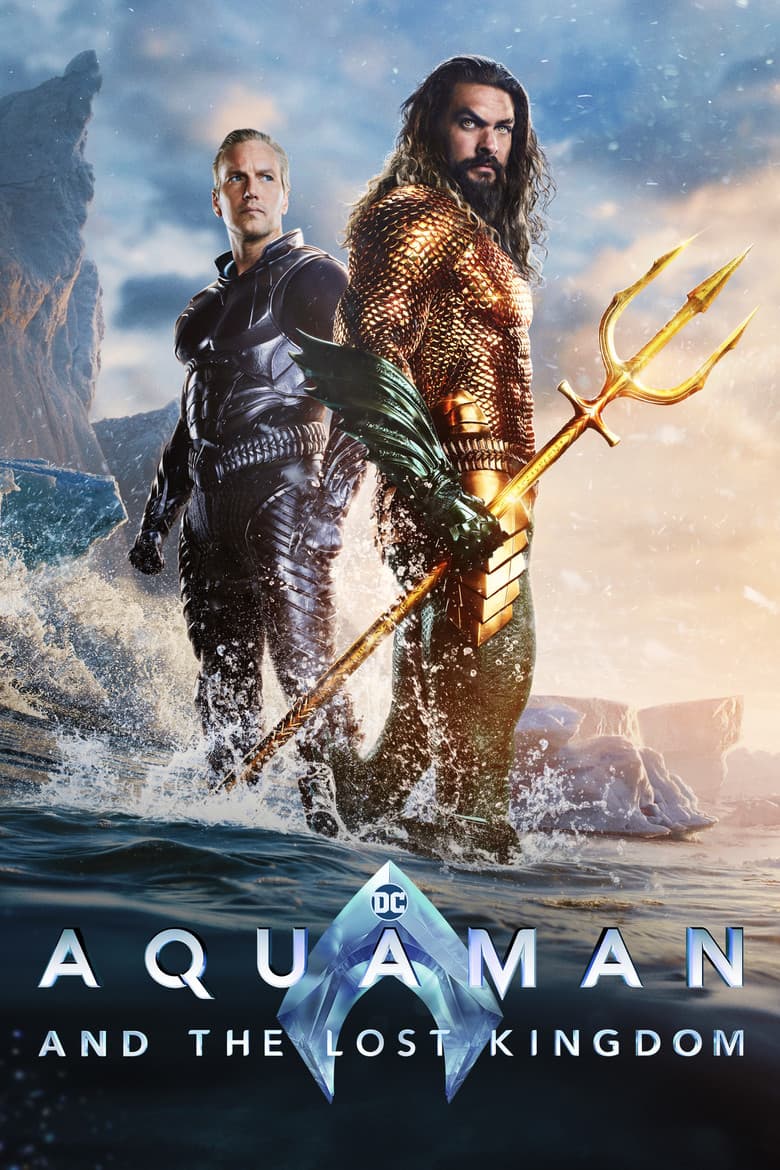
Movie · 2023
Black Manta seeks revenge on Aquaman for his father's death. Wielding the Black Trident's power, he becomes a formidable foe.
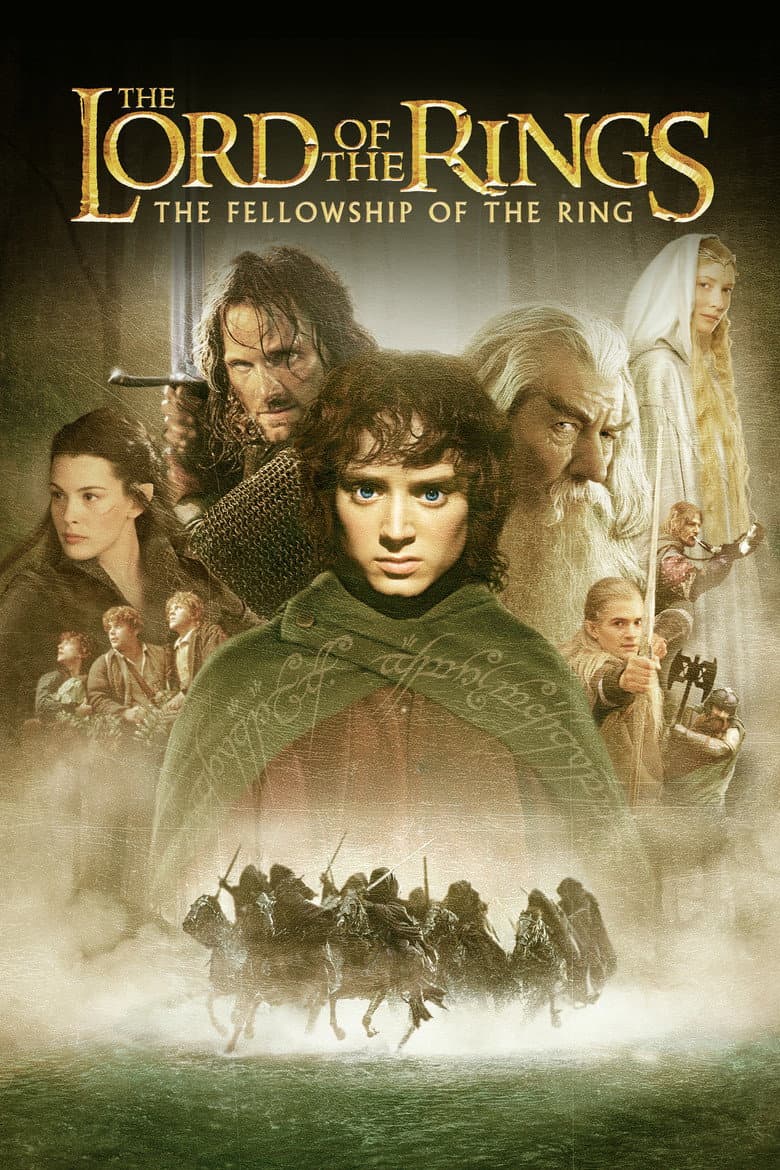
Movie · 2001
Young hobbit Frodo Baggins, after inheriting a mysterious ring from his uncle Bilbo, must leave his home in order to keep it from falling into the hands of its evil creator.
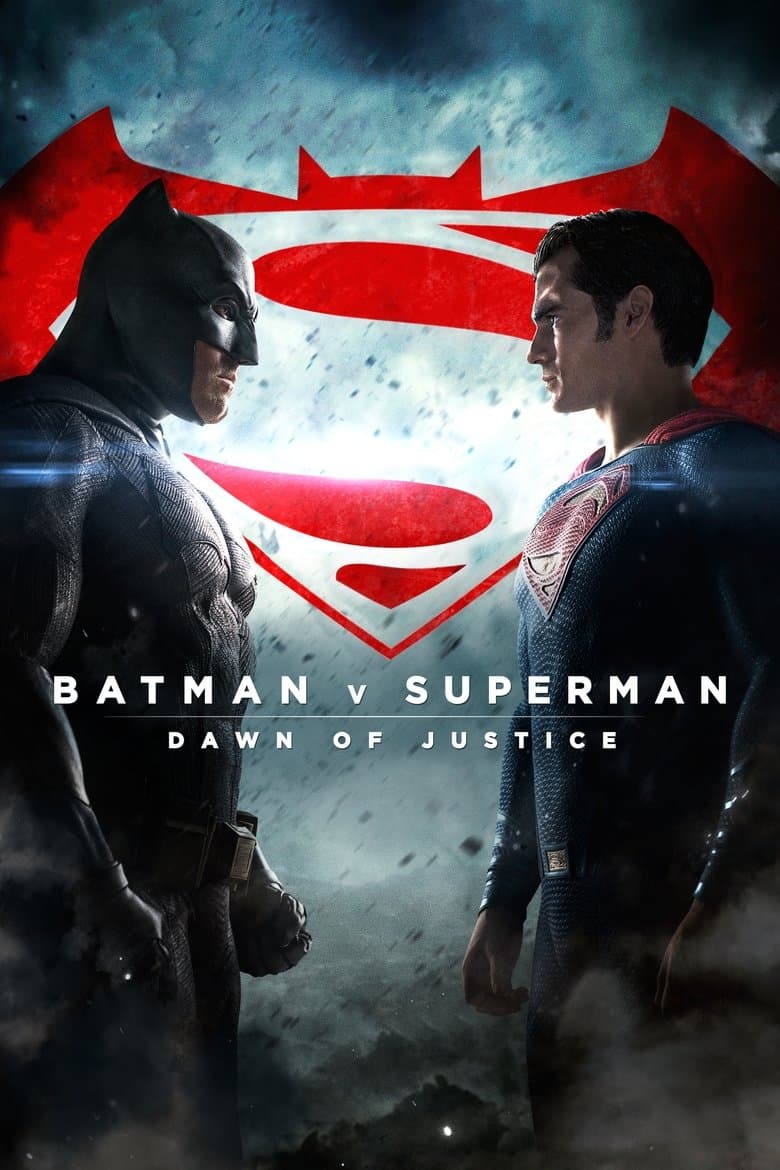
Movie · 2016
Fearing the actions of a god-like Super Hero left unchecked, Gotham City’s own formidable, forceful vigilante takes on Metropolis’s most revered, modern-day savior, while the…
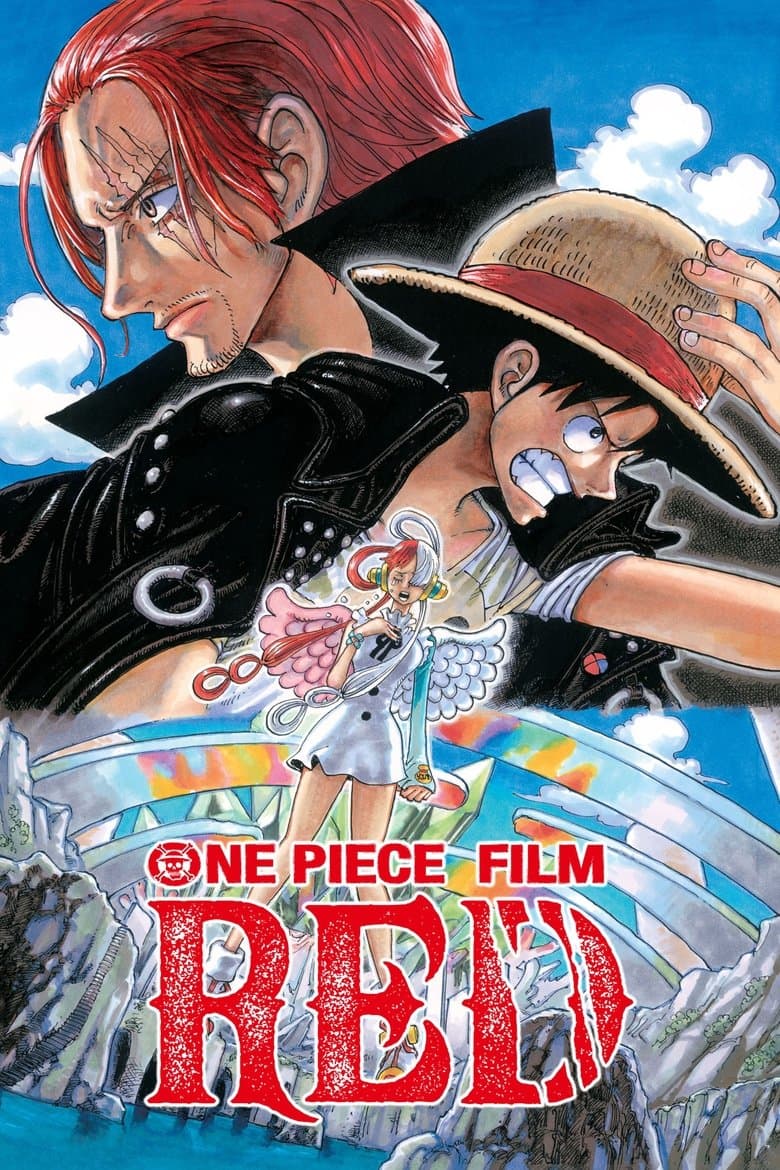
Movie · 2022
A new adventure begins for Luffy and his crew when mysterious pop superstar Uta unveils her identity — and launches a misguided plan for world peace.
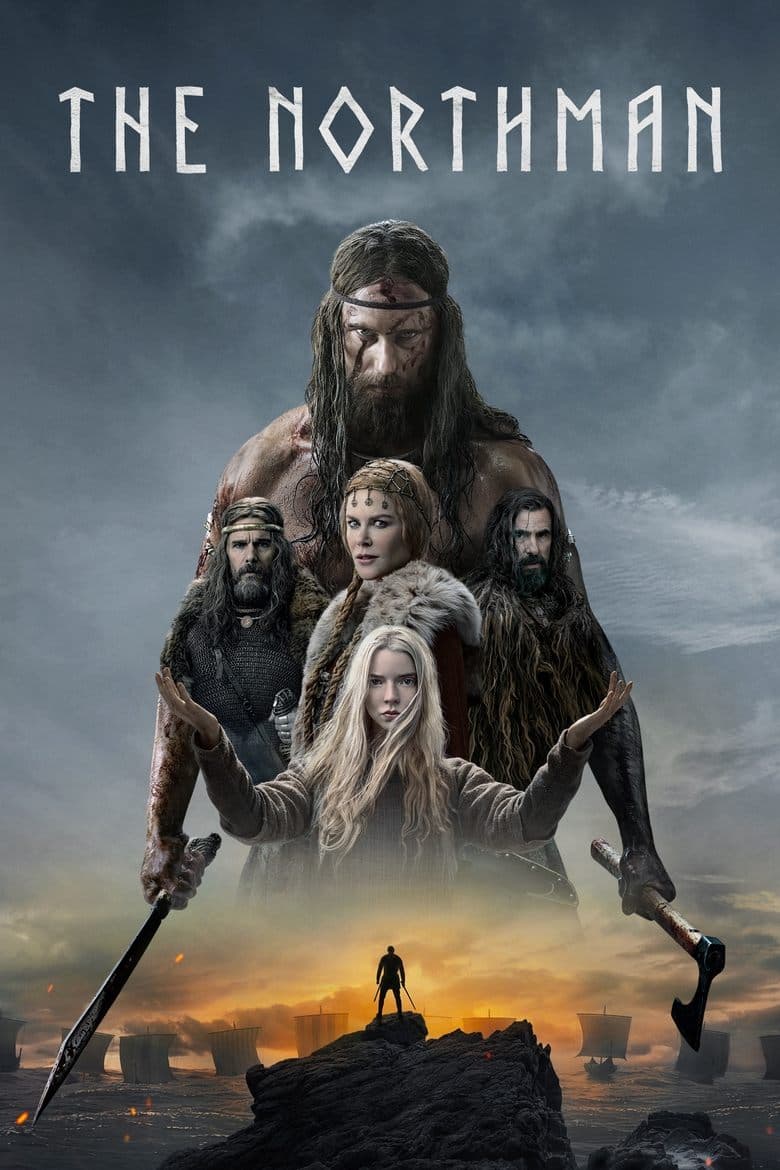
Movie · 2022
Prince Amleth is on the verge of becoming a man when his father is brutally murdered by his uncle, who kidnaps the boy's mother.
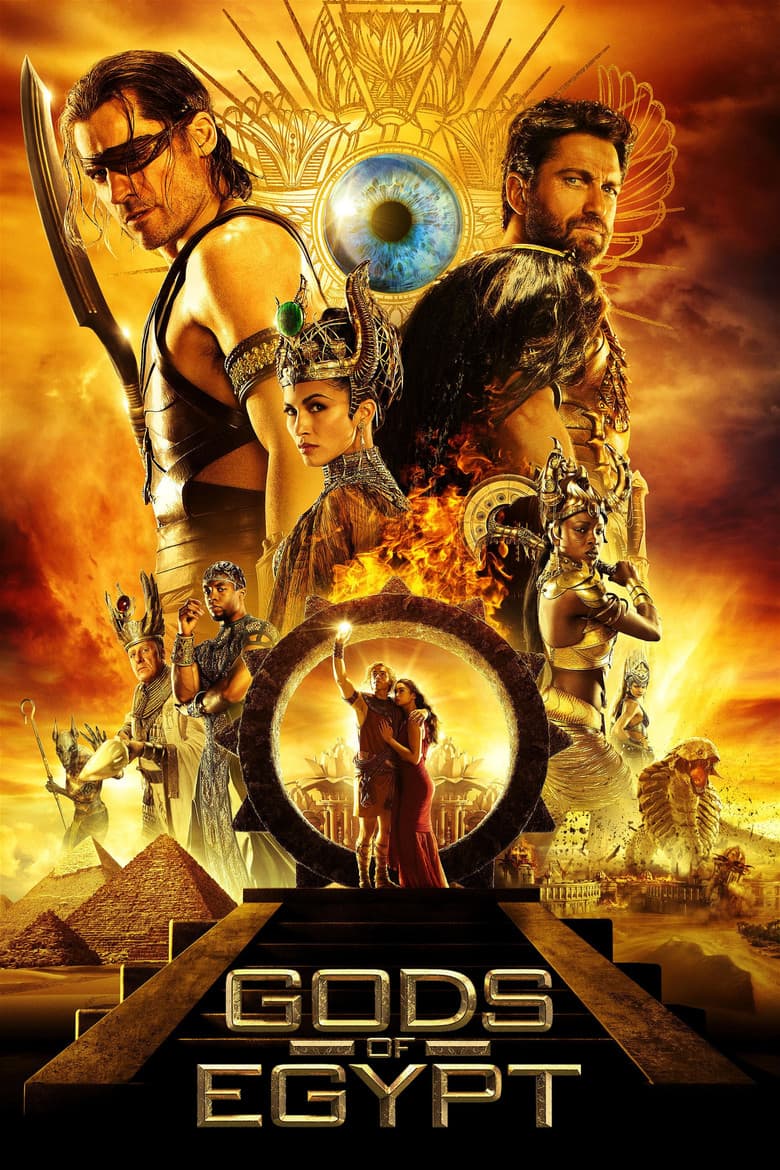
Movie · 2016
A common thief joins a mythical god on a quest through Egypt.
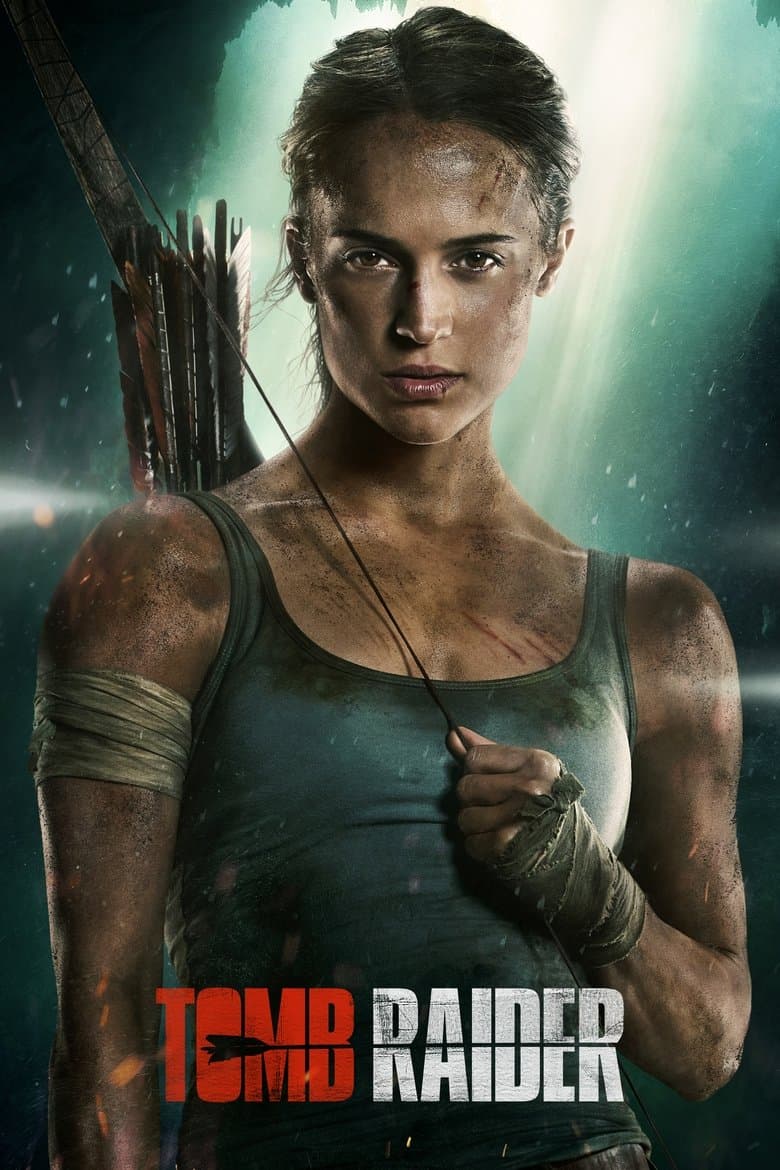
Movie · 2018
Lara Croft, the fiercely independent daughter of a missing adventurer, must push herself beyond her limits when she finds herself on the island where her father disappeared.
Movie · 2016
The peaceful realm of Azeroth stands on the brink of war as its civilization faces a fearsome race of invaders: orc warriors fleeing their dying home to colonize another.
