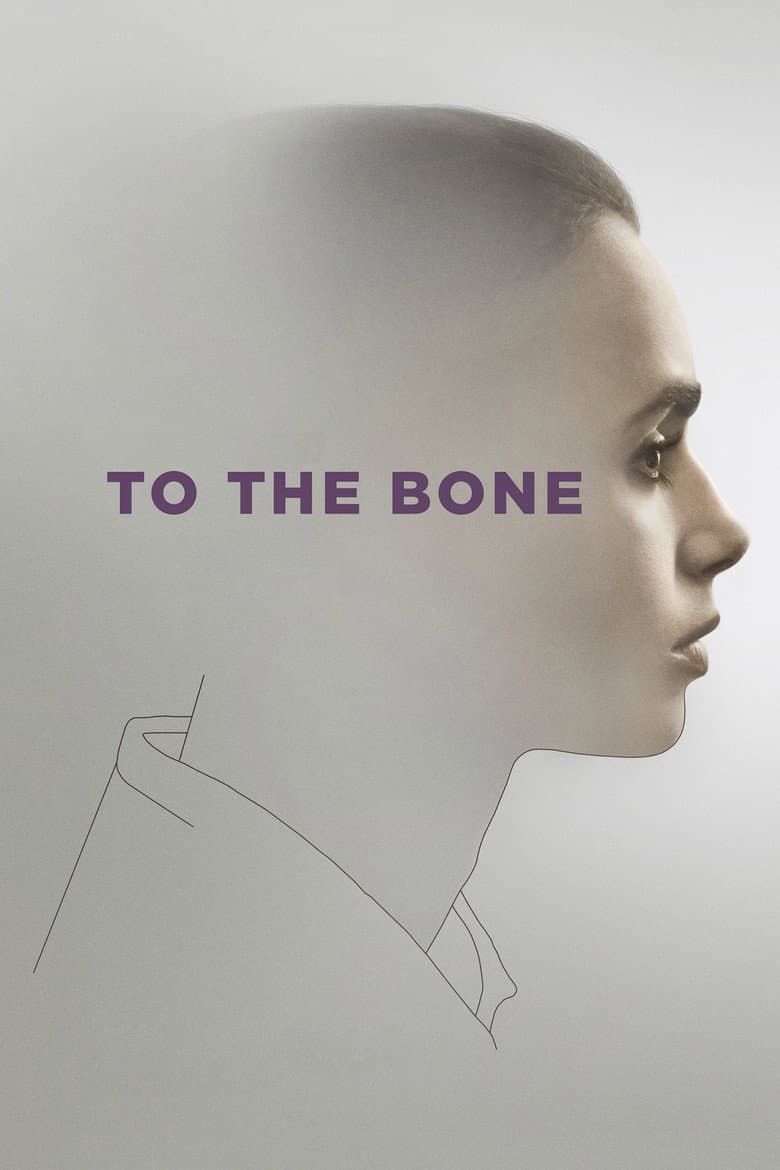
To the Bone follows Ellen, a 20-year-old artist whose anorexia continues after several treatment programs. Her family sends her to Threshold, a live-in house in Los Angeles led by Dr. William Beckham. Ellen lives with young people who have different eating disorders. The film uses dark jokes and direct conversations to show how anorexia harms Ellen’s family, friendships, and sense of self. Ellen must decide whether she will keep following the illness or try to live.
The film shows how magazines, diet ads, and beauty standards can make thin women seem happier and more loved. Ellen’s art, the group’s honest conversations, and a painful family meeting lead her toward self-acceptance. The film does not show recovery as simple or finished. Ellen’s lesbian mother and her wife are part of her family, while a black lesbian patient, a male patient, and a pregnant patient appear in the treatment group. These identity details are visible, but the story keeps its main focus on eating disorders, family pain, medical danger, and recovery.
Community feedback
Was our 31% Woke rating accurate?
Breakdown
These are the editorial factors and ratings behind our score for To the Bone.
Woke representation / casting
The film centers on a young white woman. The film gives visible supporting roles to a black lesbian patient with binge eating and to Ellen’s mother and her wife. A male patient and a pregnant patient broaden the group, but their stories are brief. These choices create a mild diversity signal without making identity the main subject.
20%
Woke political dialogue
Ellen criticizes magazine and television ads that show thin women as happy and fat women as ashamed. The scene says these messages can push people toward harmful ideas about food and bodies. The doctor tells Ellen not to blame all of society. The film does not develop this idea into a wider political argument.
18%
Identity-driven story themes
The film links Ellen’s illness to pressure on young women to look thin and earn love or approval. Ellen learns that life and self-acceptance matter more than obeying the illness. Her mother’s same-sex marriage is part of the family story. The black lesbian patient is shown as another person with an eating disorder. The story remains centered on medical danger, family pain, and recovery.
30%
Western institutional / cultural critique
The film treats beauty magazines and diet advertising as harmful social pressure on women. The film presents earlier treatment programs as rigid while Beckham’s group home offers a more personal approach. Ellen’s father and the medical system often fail her. The story does not attack men, religion, capitalism, or the family as institutions. The critique stays tied to illness and treatment.
18%
Woke character or canon changes
Not relevant. The film is an original story based partly on Noxon’s life. The film does not change an established character or canon.
0%
Anti-woke backlash and complaints
Not present. No substantial anti-woke or anti-left backlash was found. Survivors and health experts made the main complaints. They feared that the film could trigger viewers or glamorize anorexia.
0%
Creator track record context
Marti Noxon has a supplied woke score of 39/100 because her past work often centers on women’s anger, body image, and empowerment. The supplied scores for the producers and casting director are mostly low. Monika Bacardi and Anita Gou carry the strongest diversity or gender-equality context among the producers. Noxon and Collins framed the film around personal eating-disorder experience and public understanding. The creator background gives moderate supporting context.
30%
Production
Movie · 2025
Diagnosed with Tourette Syndrome at 15, John Davidson navigates his way against the odds through troubled teenage years and into adulthood, finding inspiration in the kindness of…
Movie · 2017
In 1950, amidst the ravages of the Korean War, Sergeant Süleyman stumbles upon a a half-frozen little girl, with no parents and no help in sight and he risks his own life to save…
Movie · 2024
On the brink of the Second World War, a young Norwegian man's drive to resist the Nazis sets a new course for his future – and the future of his country.
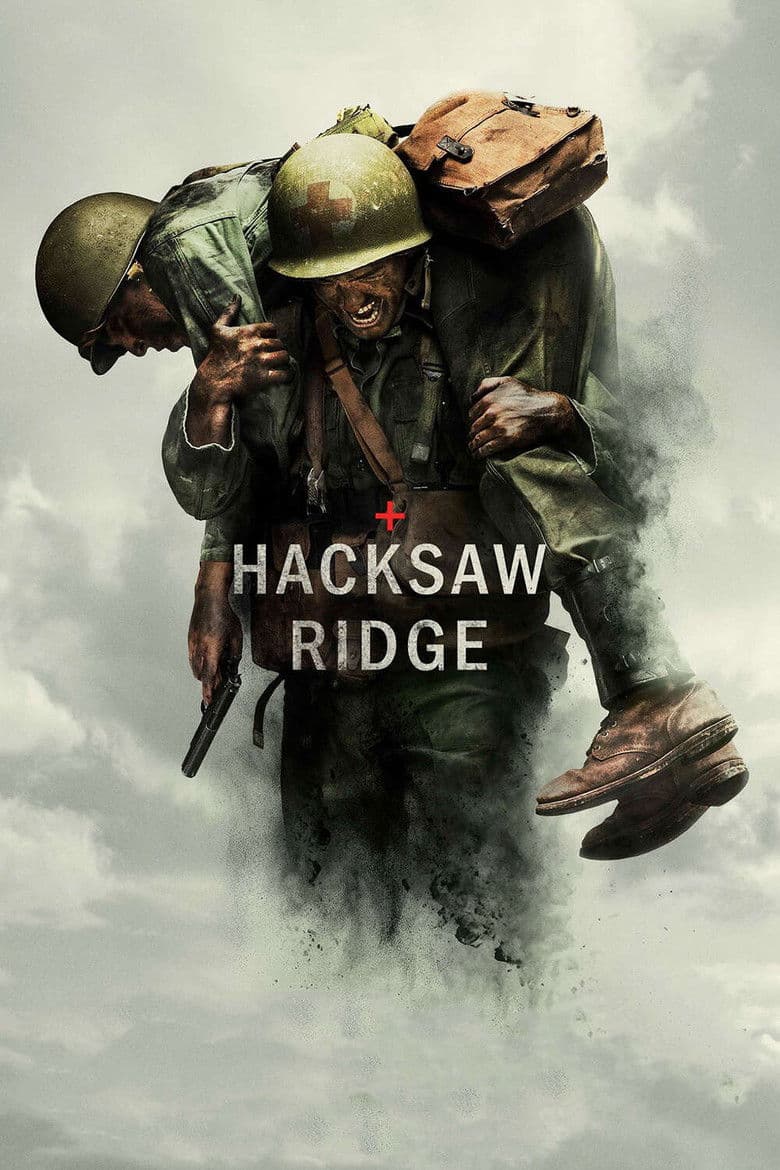
Movie · 2016
WWII American Army Medic Desmond T. Doss, who served during the Battle of Okinawa, refuses to kill people and becomes the first Conscientious Objector in American history to…
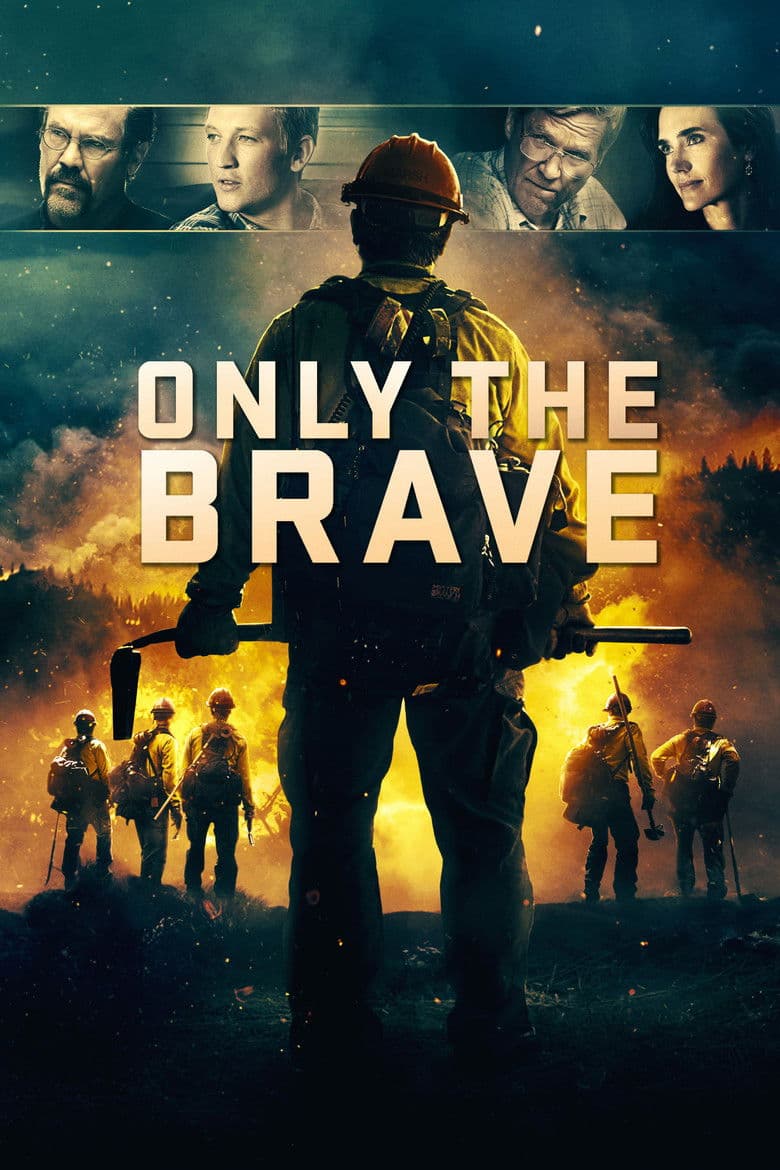
Movie · 2017
Members of the Granite Mountain Hotshots battle deadly wildfires to save an Arizona town.
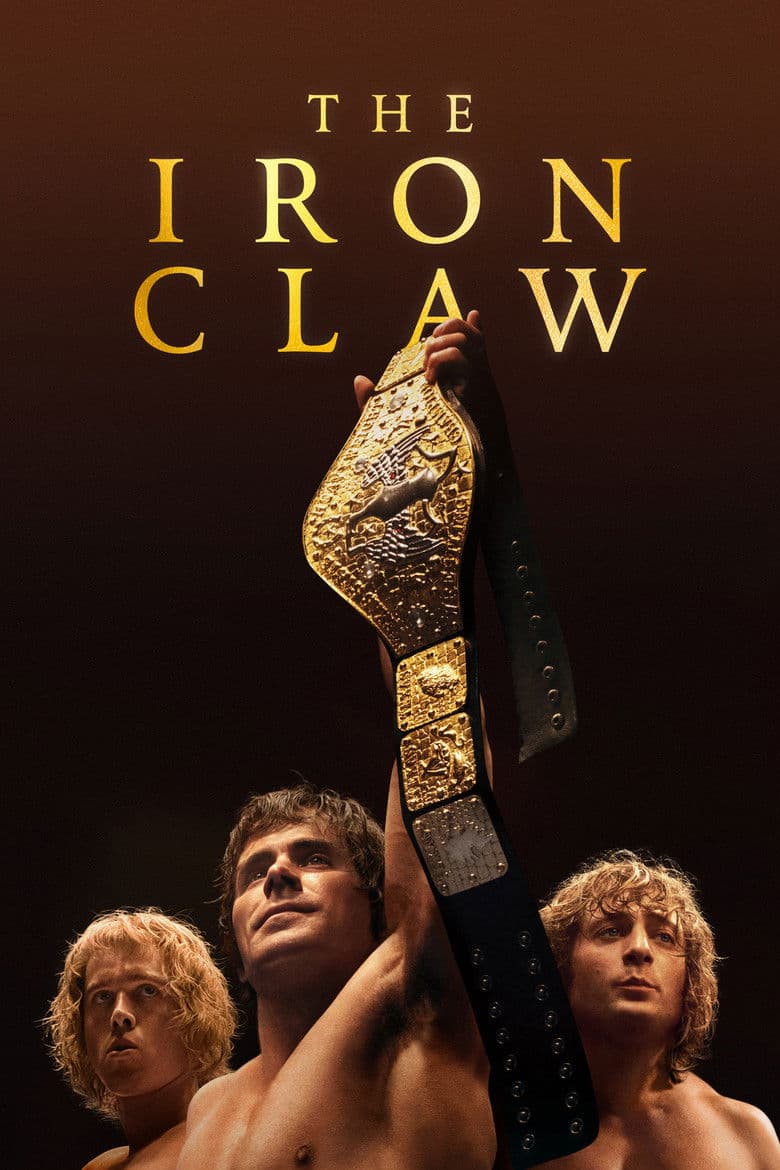
Movie · 2023
The true story of the inseparable Von Erich brothers, who made history in the intensely competitive world of professional wrestling in the early 1980s.
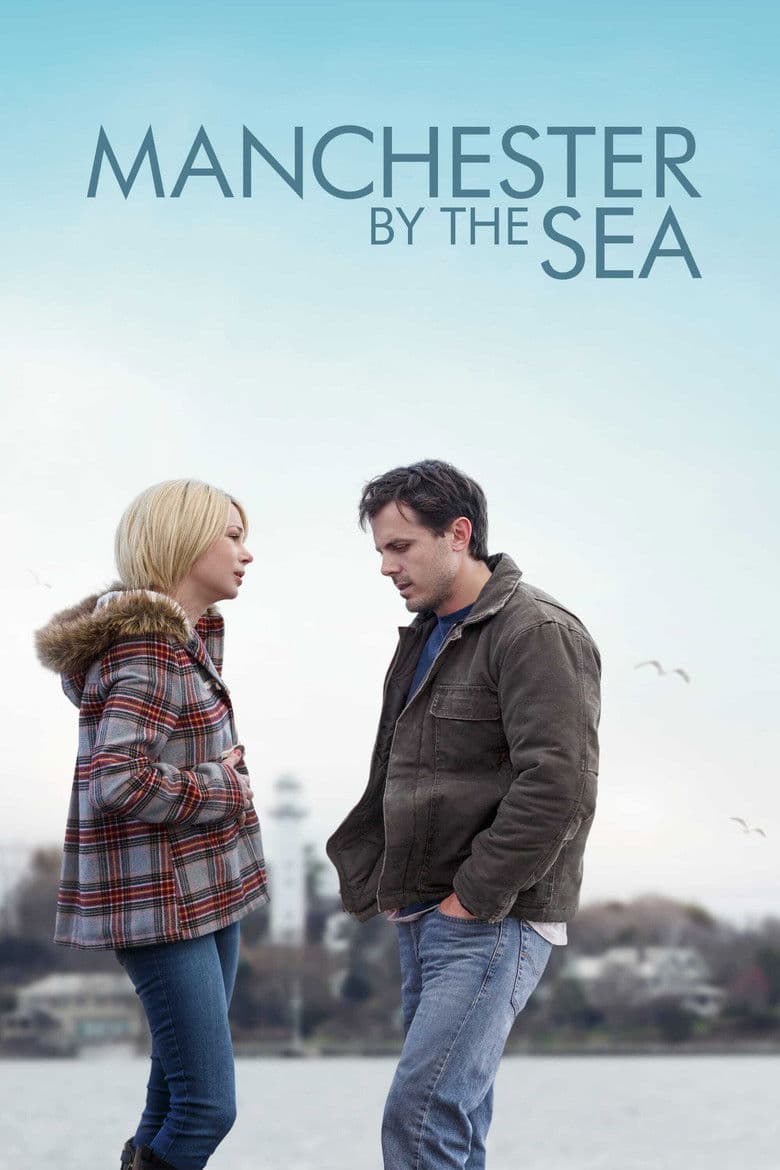
Movie · 2016
After his older brother passes away, Lee Chandler is forced to return home to care for his 16-year-old nephew.
Movie · 2023
The story of J. Robert Oppenheimer's role in the development of the atomic bomb during World War II.
