Movie review
February 10, 2025 · 92 min · R · Fantasy · Animation · Action
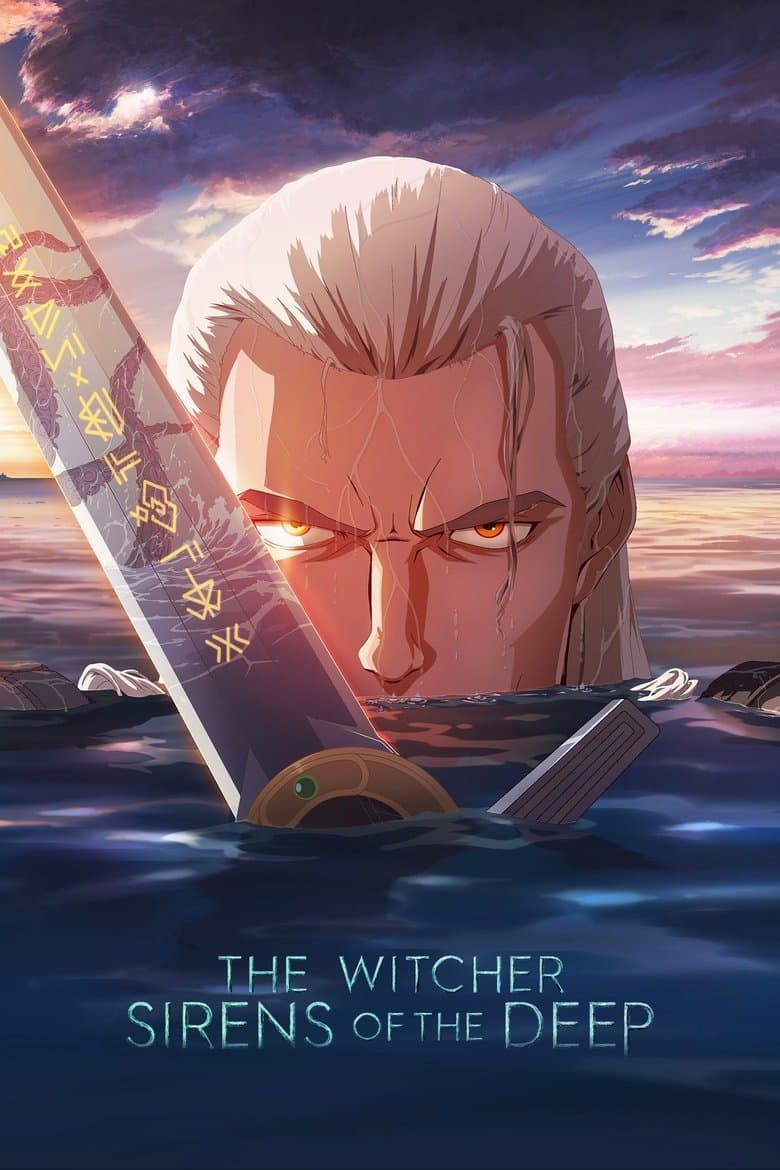
Geralt of Rivia is a trained monster hunter who takes paid work on the Continent. He and his friend Jaskier travel to the coastal kingdom of Bremervoord after pearl divers are killed. Geralt learns that a fight between humans and merpeople could become a full war, so he investigates the attacks and the leaders behind them. Essi Daven, a skilled bard and Jaskier’s old friend, helps him understand the sea people and the royal dispute. The film has a dark fantasy tone with bloody fights, jokes, romance, and a bright musical scene.
The film gives its main social message to the conflict between land and sea. Human pearl hunters empty oyster beds for profit, while royal leaders use fear, family pride, and false blame to support violence. The romance between Agloval and Sh’eenaz presents love across two peoples and ends with Agloval giving up his human body and royal life to join her. Essi is more direct and active than the book version, and the film changes the story toward equal sacrifice, but these ideas stay inside the fairy-tale plot.
Community feedback
Was our 43% Woke rating accurate?
Breakdown
These are the editorial factors and ratings behind our score for The Witcher: Sirens of the Deep.
Woke representation / casting
Not present. The film uses fantasy characters and established Witcher designs. No identity-first casting message or engineered group shapes the movie.
0%
Woke political dialogue
The story repeatedly blames human greed for pearl hunting and harm to sea life. Geralt says the humans want more than food and are driven by greed. The merpeople also accuse their king of sitting on a throne while their children lack food. These lines give the film a mild anti-greed and resource-exploitation message, but they do not develop a modern activist program.
18%
Identity-driven story themes
The story makes the central romance a test of whether a human prince and a mermaid princess can live together. Essi tells Agloval that his plans ask Sh’eenaz to lose her body and world while he gives up nothing. Agloval then gives up his human body and royal life to join her under the sea. The message favors equal sacrifice and love across group lines, but it stays inside a fairy-tale plot and does not name modern identity groups.
29%
Western institutional / cultural critique
Human pearl hunters strip oyster beds for profit and treat sea creatures as enemies. King Usveldt uses a death and a false story to push his kingdom toward war. The merpeople’s rulers are also blamed for neglect and family power games. This gives the film a mild critique of greed and rulers, but it remains tied to the fantasy war rather than attacking present-day Western institutions.
18%
Woke character or canon changes
The film changes the short story’s ending so Agloval becomes a merman while Sh’eenaz keeps her mermaid life. This gives the couple equal sacrifice and avoids making the woman change her body and leave her people for a man. Audience and fan reviews debate the change as a modern anti-patriarchal rewrite, while the film presents it as a love choice. The change is important to the romance but appears in one main ending.
33%
Anti-woke backlash and complaints
Some Witcher fan reviews call the ending a forced modern or anti-patriarchal rewrite. Some Reddit users say Essi was written as a strong independent woman and call the new sacrifice a modern political change. Other viewers mainly complain about weak pacing, the musical scene, or poor faithfulness to the book. The anti-woke reaction is real but mostly limited to niche fan sites and discussion threads.
28%
Creator track record context
Lauren Schmidt Hissrich has publicly supported diverse casting and inclusive storytelling in fantasy. Rae Benjamin runs training and resources for BIPOC writers and filmmakers. Andrzej Sapkowski writes about racism, women, war, and persecution, but he is not known as an activist. The other listed key creators have little public activist record. This background gives the movie a noticeable creator track record signal, even though the film itself is not centered on identity politics.
43%
Production

Movie · 2025
The Demon Slayer Corps are drawn into the Infinity Castle, where Tanjiro, Nezuko, and the Hashira face terrifying Upper Rank demons in a desperate fight as the final battle…

Movie · 2021
The Earthrealm heroes must journey to the Outworld and fight for the survival of their homeland, invaded by the forces of evil warlord Shao Kahn, in the tournament to end all…

Movie · 2025
In a brutal war between devils, hunters, and secret enemies, a mysterious girl named Reze has stepped into Denji's world, and he faces his deadliest battle yet, fueled by love in…
Movie · 2018
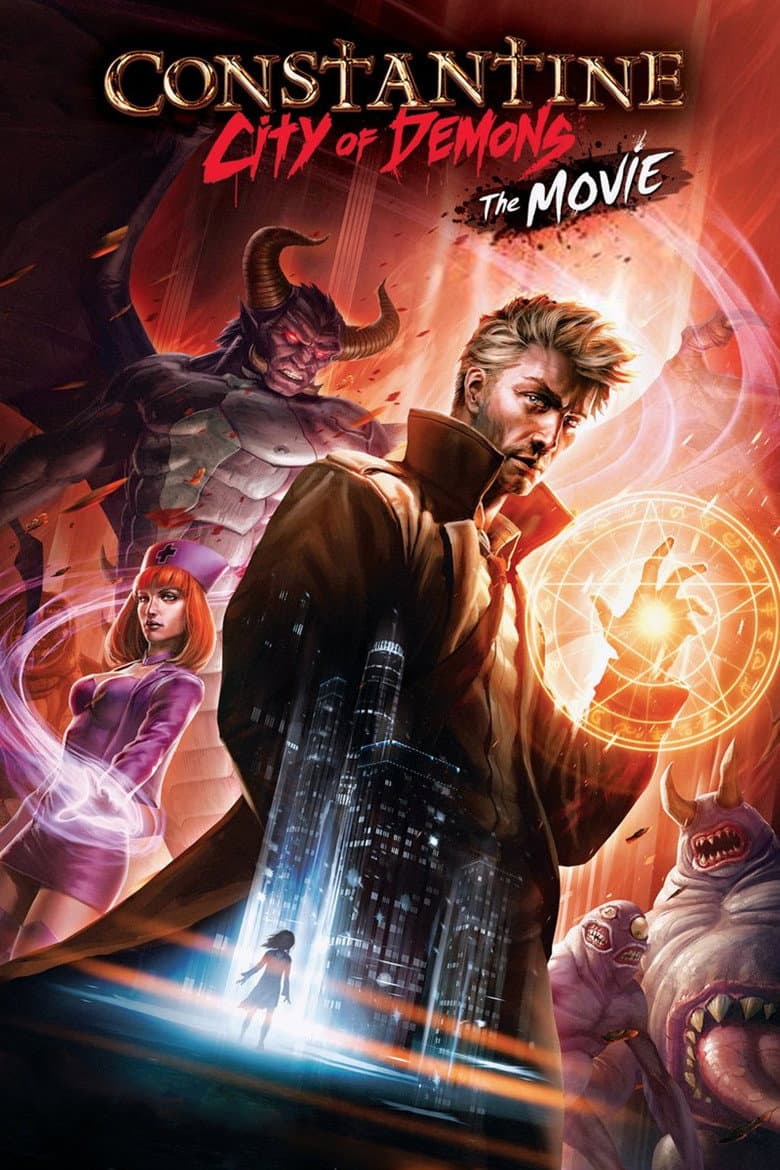
A decade after a tragic mistake, family man Chas Chandler and occult detective John Constantine set out to cure his daughter Trish from a mysterious supernatural coma.
Movie · 2025
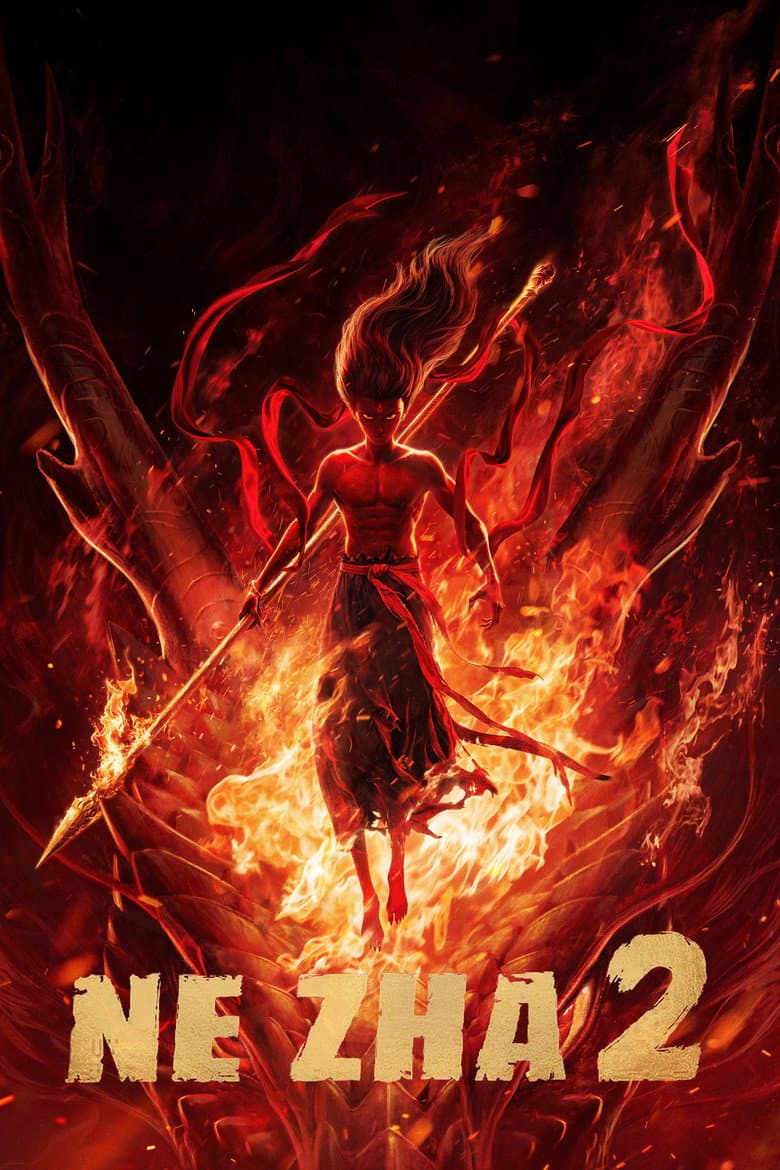
After a catastrophic event leaves their bodies destroyed, Ne Zha and Ao Bing are granted a fragile second chance at life.

Movie · 2022
The vicious, power-mad Kano is determined to take over Earthrealm, one soul at a time. Assisted by a trio of cold Black Dragon mercenaries, he embarks on a brutal assault from…

Movie · 2022
A new adventure begins for Luffy and his crew when mysterious pop superstar Uta unveils her identity — and launches a misguided plan for world peace.
Movie · 2021
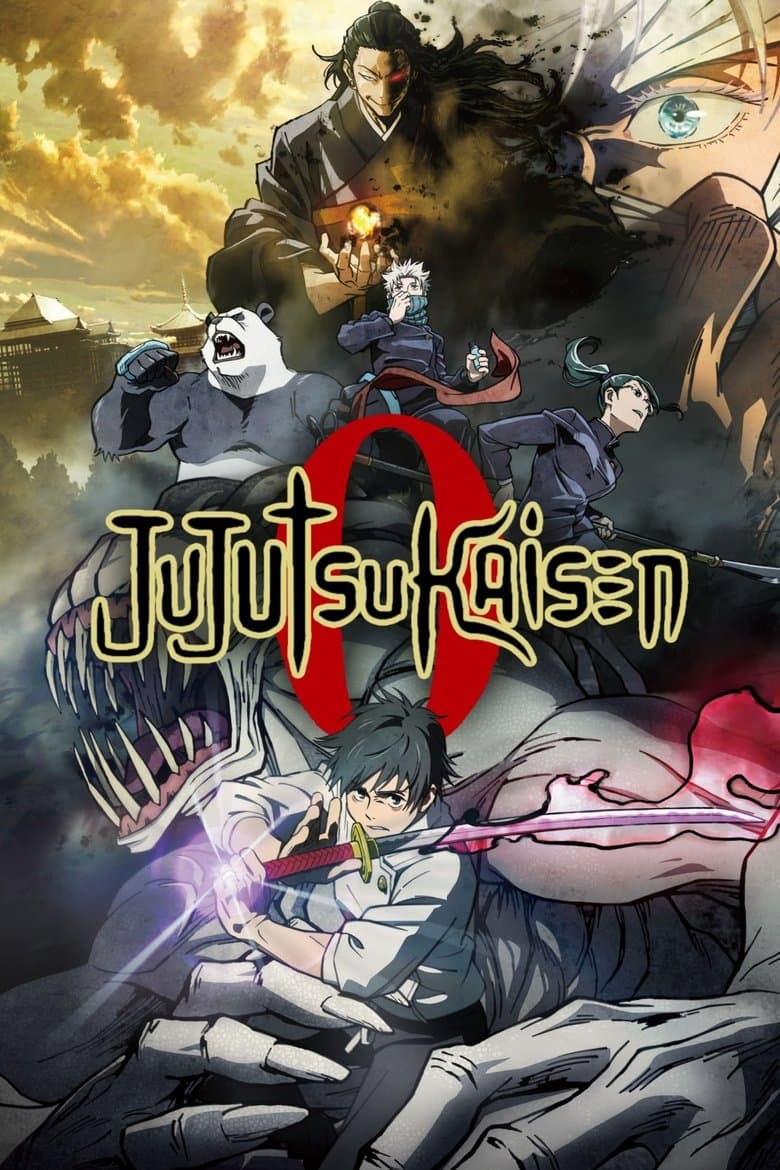
Yuta Okkotsu is a nervous high school student who is suffering from a serious problem—his childhood friend Rika has turned into a curse and won't leave him alone.
