Movie review
January 29, 2025 · 144 min · NR · Chinese · Fantasy · Animation · Action · Adventure
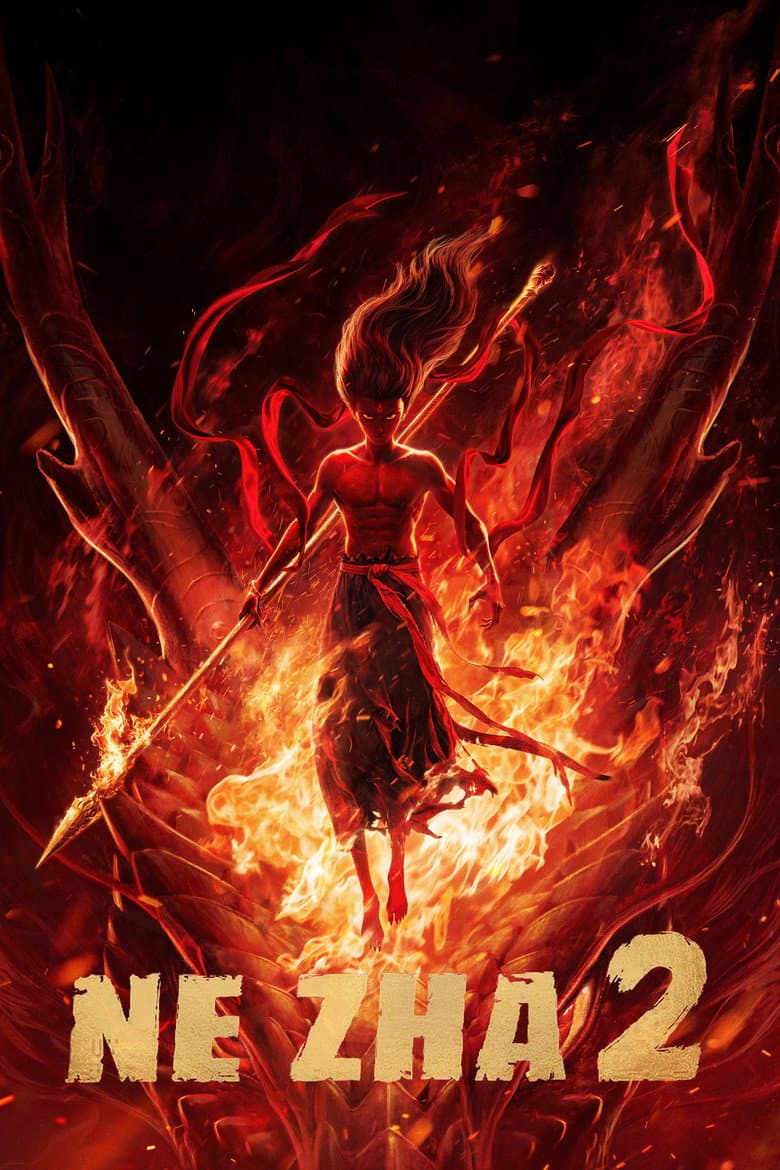
Ne Zha 2 is a Chinese animated fantasy adventure set in a world of humans, demons, dragons, and immortals. Ne Zha is a loud and brave demon boy who wants to save Ao Bing, his close friend and dragon prince. Their bodies are damaged after the first film, so their spirits must share Ne Zha’s body while they search for a way to live again. Their journey leads them through dangerous tests, family fights, huge battles, and a plot by powerful immortals, so the tone moves between silly jokes, sadness, and intense action.
The film repeatedly shows demons and dragons being judged by their birth, appearance, and place in society. Ne Zha and Ao Bing fight labels that say they must become the people their families or rulers expect. The story supports personal choice, loyalty, family love, and judging people by their actions instead of their group. These identity-driven ideas matter to the main plot, but the film presents them through Chinese legend, fantasy creatures, fate, and family duty rather than modern race, gender, sexuality, or DEI politics.
Community feedback
Was our 17% Woke rating accurate?
Breakdown
These are the editorial factors and ratings behind our score for Ne Zha 2.
Woke representation / casting
Not present. The original-language cast is Chinese, and the story comes from Chinese mythology. The character choices fit the setting and source material without a visible diversity campaign.
0%
Woke political dialogue
Not present. Characters discuss fate, prejudice, loyalty, and power, but no recurring lines promote modern gender, DEI, queer, or activist politics. The message about choosing one’s own fate is a fantasy idea about destiny.
0%
Identity-driven story themes
The film repeatedly shows demons and dragons being treated as dangerous because of their birth. Ne Zha and Ao Bing keep resisting labels imposed by their families and heavenly rulers. The story says people should be judged by their choices, not by the group they were born into. This message affects the central conflict, but it stays inside a Chinese legend about monsters, fate, and family rather than current race, gender, or sexuality politics.
34%
Western institutional / cultural critique
Not present. The movie shows corrupt immortals and abuse of power, but this is a legend-based fight against rulers and does not target Western institutions, capitalism, patriarchy, or Christianity.
0%
Woke character or canon changes
Not relevant. The film changes older versions by making Ne Zha and Ao Bing friends. It does not make an identity-based race, gender, sexuality, or hero-role change.
0%
Anti-woke backlash and complaints
Not present. Public debate focused on Chinese nationalism, pressure to praise the film, censorship claims, and weak overseas reach. No substantial anti-woke complaint says the story pushes DEI, queer politics, race or gender politics, or modern left-wing activism.
0%
Creator track record context
Not present. Cached creator context gives the listed director, writers, and producers 0/100. Their documented work focuses on Chinese mythology, animation craft, and industry building, with no clear record of DEI advocacy or identity-driven activism.
0%
Production
Movie · 2019
A young boy is born as the reincarnation of a demonic power, into a society that hates and fears him. Destined by prophecy to bring destruction to the world, Nezha must choose…
Movie · 2025
The Demon Slayer Corps are drawn into the Infinity Castle, where Tanjiro, Nezuko, and the Hashira face terrifying Upper Rank demons in a desperate fight as the final battle…
Movie · 2024
A colossal-sized omnibus film bringing together the last two episodes of Attack on Titan in the franchise's first-ever theatrical experience.
Movie · 2020
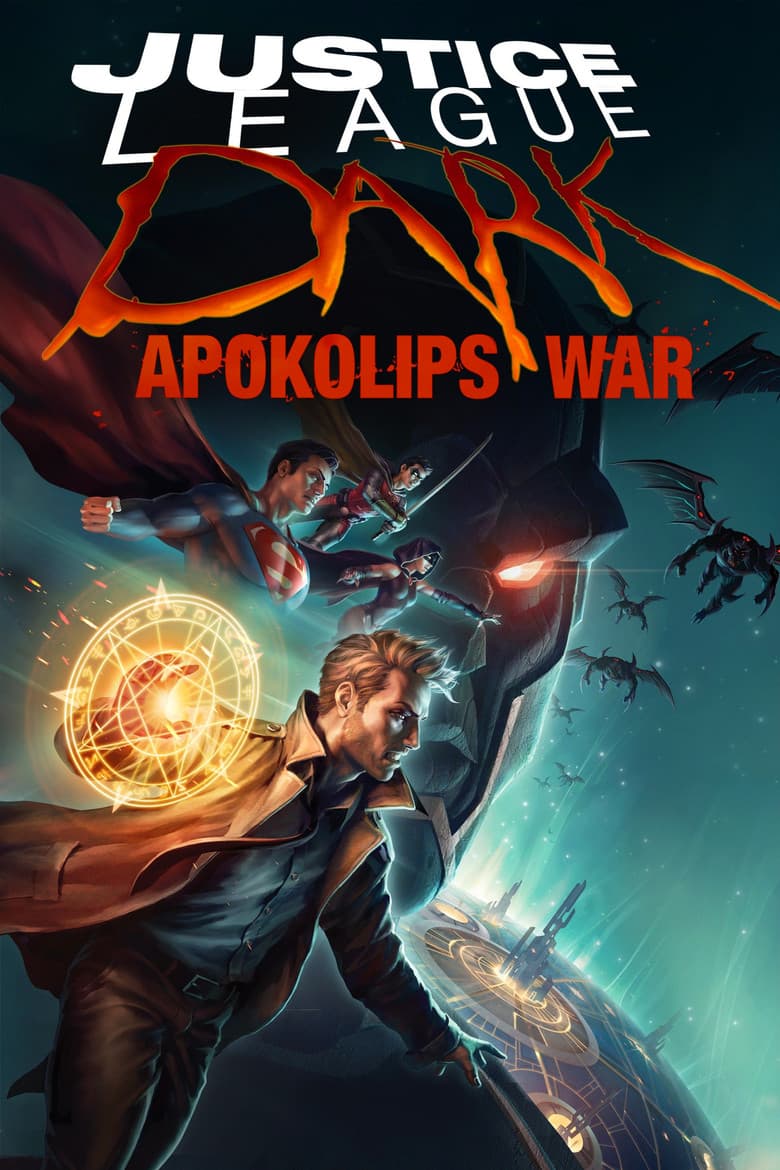
Earth is decimated after intergalactic tyrant Darkseid has devastated the Justice League in a poorly executed war by the DC Super Heroes.
Movie · 2022
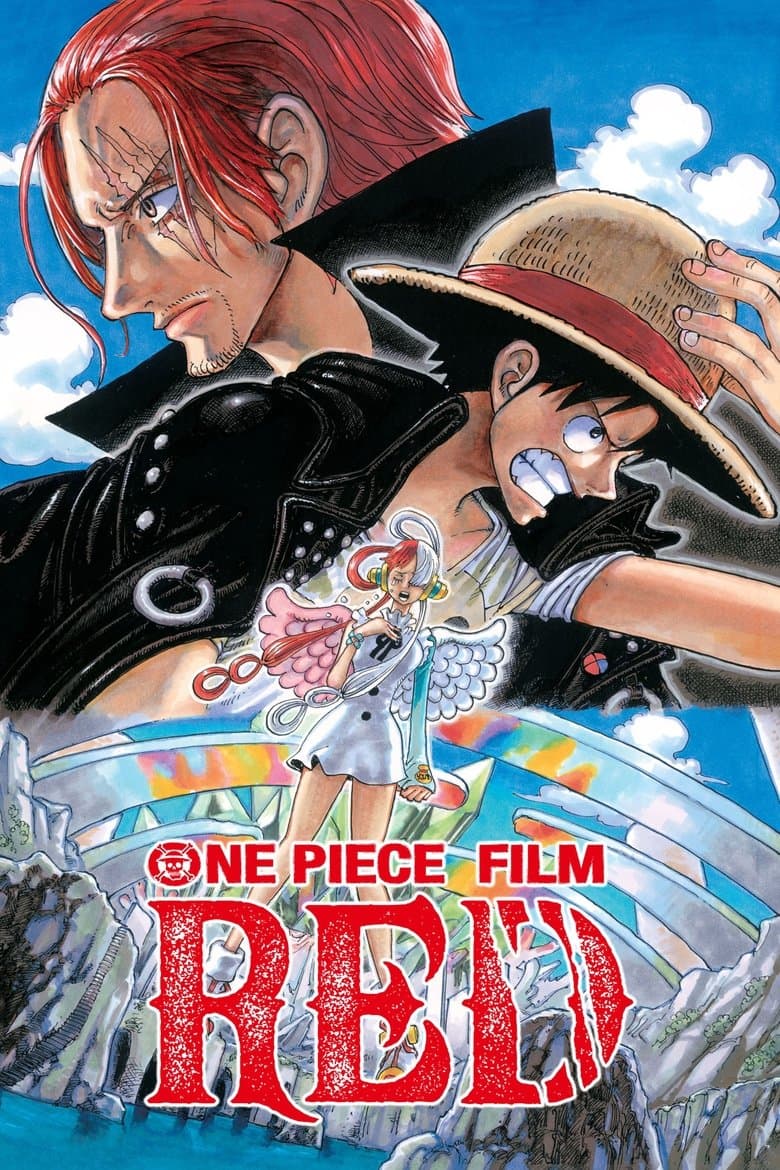
A new adventure begins for Luffy and his crew when mysterious pop superstar Uta unveils her identity — and launches a misguided plan for world peace.
Movie · 2018
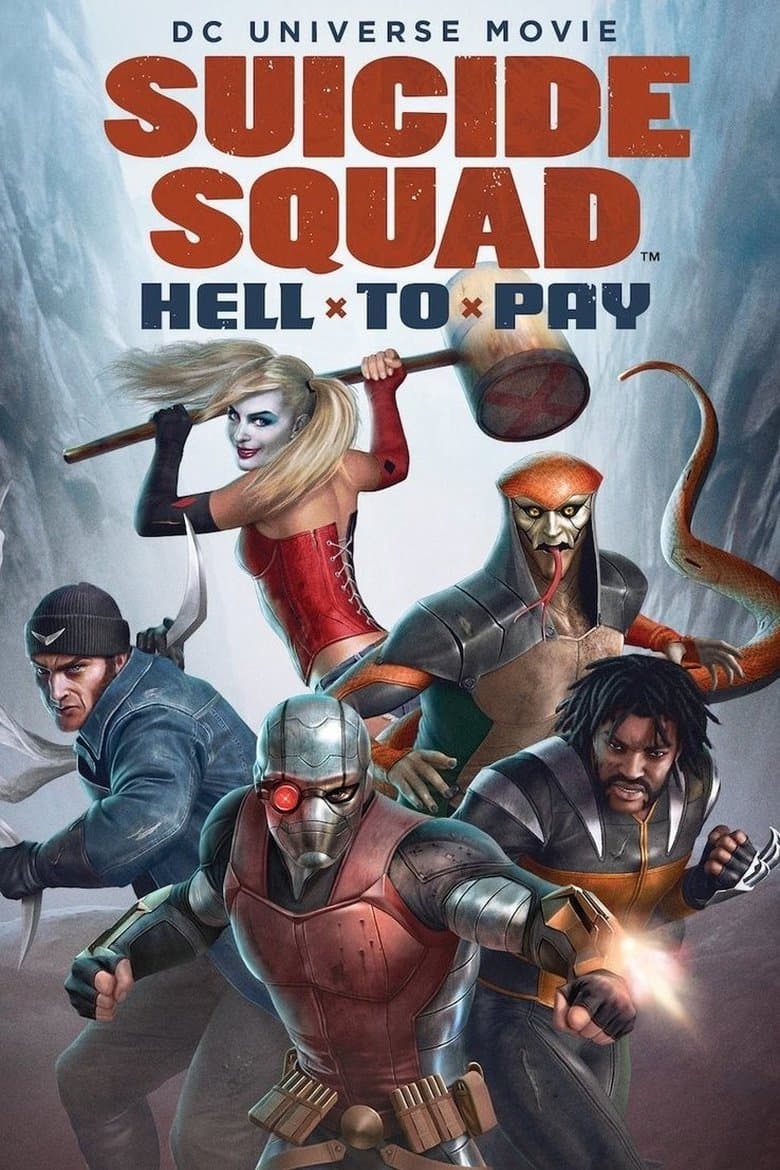
Amanda Waller's top-secret "Task Force X" — consisting of Deadshot, Bronze Tiger, Killer Frost, Captain Boomerang, Harley Quinn, and Copperhead — is on a mission to retrieve a…
Movie · 2020
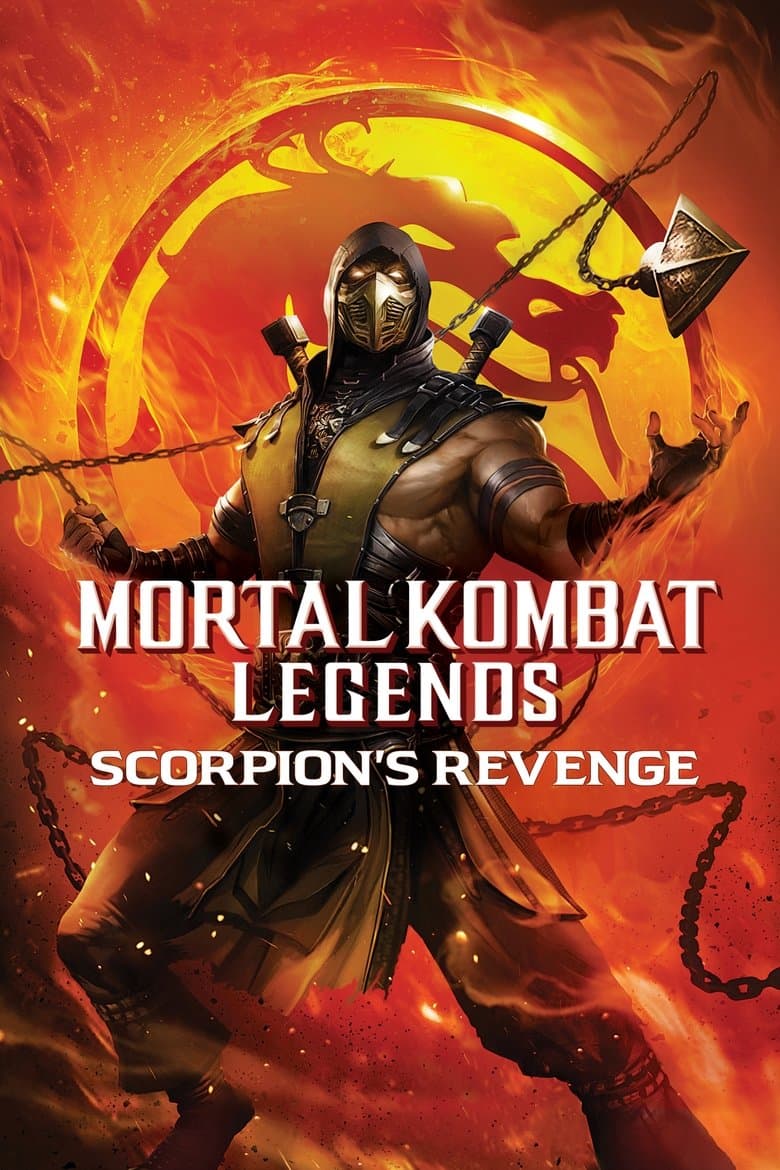
After the vicious slaughter of his family by stone-cold mercenary Sub-Zero, Hanzo Hasashi is exiled to the torturous Netherrealm.
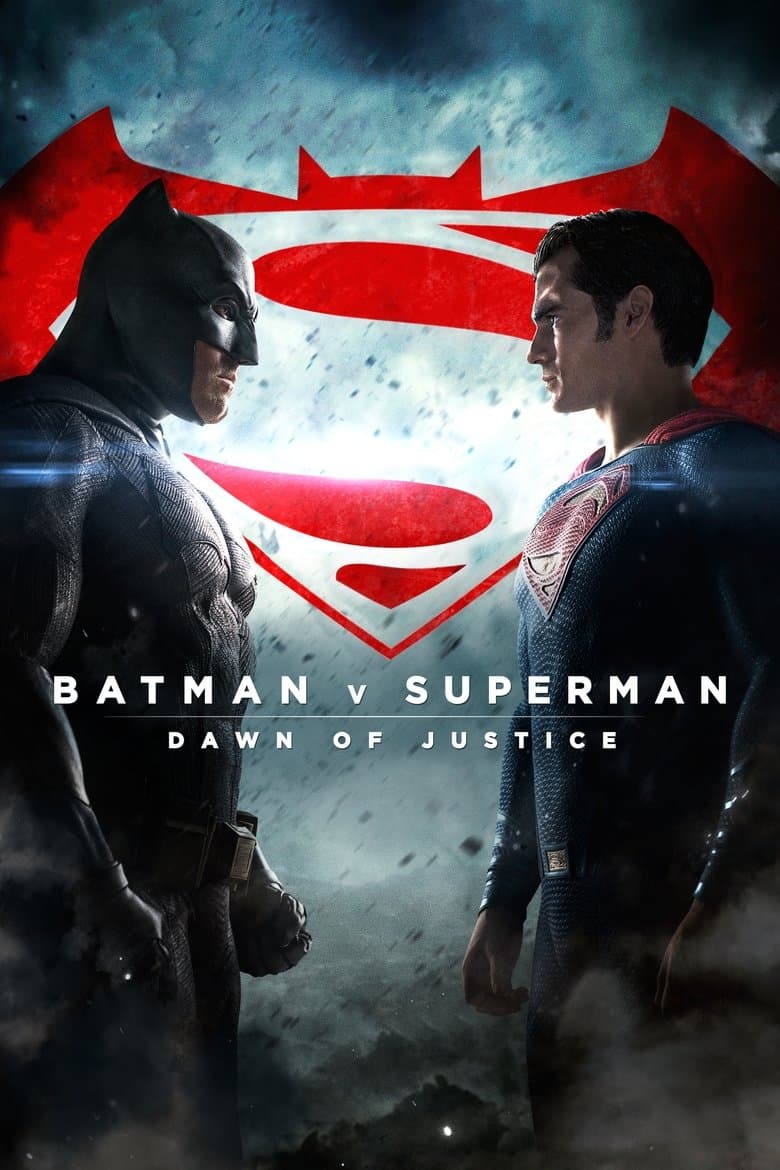
Movie · 2016
Fearing the actions of a god-like Super Hero left unchecked, Gotham City’s own formidable, forceful vigilante takes on Metropolis’s most revered, modern-day savior, while the…
