Movie review
September 19, 2025 · 100 min · R · Japanese · Fantasy · Animation · Action · Romance
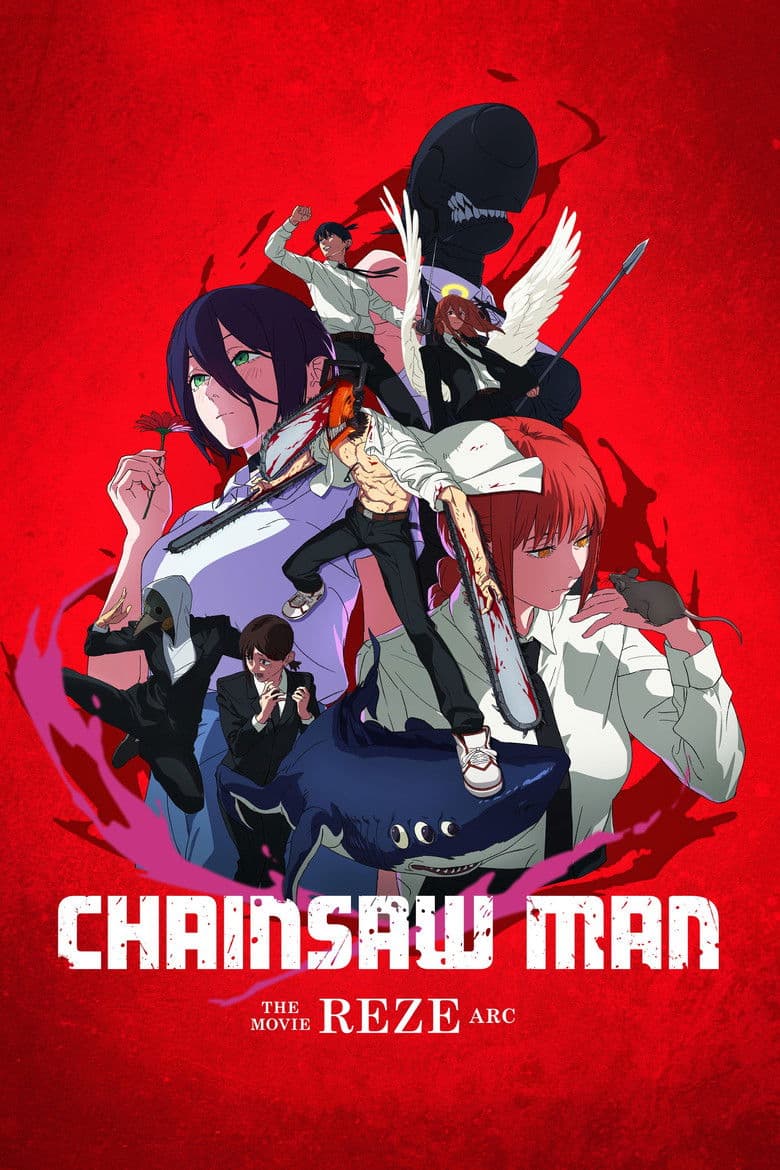
Denji is a poor teenage devil hunter who can turn his head and arms into chainsaws. After a date with Makima, he meets Reze, a cafe worker who makes him feel seen and gives him a chance at a normal life. Reze hides a mission to take Denji’s heart, and their romance turns into a fight involving the Bomb Devil and the Typhoon Devil. The film moves from quiet school and pool scenes to brutal battles, with dark jokes, sad romance, and extreme bloodshed.
The film gives Reze and Makima strong control over Denji, while Denji is young, poor, and easy to deceive. Reze is both a love interest and a highly skilled killer, so the story often places female power above Denji’s judgment and safety. The film also shows a Soviet program that turns a child into a weapon and a public agency that treats people as tools. These ideas make female dominance, state control, and the loss of personal choice visible parts of the story, but the movie presents them through a tragic fantasy romance rather than a modern activist message.
Community feedback
Was our 17% Woke rating accurate?
Breakdown
These are the editorial factors and ratings behind our score for Chainsaw Man - The Movie: Reze Arc.
Woke representation / casting
Not present. The main characters fit the Japanese setting, while Reze's Soviet background is explained by the plot. The film does not present a diversity-first casting message.
0%
Woke political dialogue
Not present. The characters talk about love, missions, school, survival, and fear. The film has no clear lines about modern identity, DEI, gender politics, or activism.
0%
Identity-driven story themes
Reze and Makima repeatedly control Denji through romance, orders, and violence. Reze is a trained fighter, while Denji is socially naive and easy to use. The film makes this imbalance central to the romance and the main conflict. The story treats the imbalance as manipulation and tragedy, not as a modern call for female empowerment.
30%
Western institutional / cultural critique
Not present. The film shows a Soviet weapons program and a government agency using people as tools, but those events belong to its spy and devil story. The story does not turn them into a modern critique of Western culture, capitalism, patriarchy, or identity politics.
0%
Woke character or canon changes
Not relevant. The film is a mostly faithful adaptation of the Bomb Girl arc. Reported changes concern visual design, added action, and staging, not race, gender, sexuality, or a changed hero role.
0%
Anti-woke backlash and complaints
One niche anti-woke review calls the film conservative-unfriendly and says its female authority figure and government control raise its woke content. That review also treats child experimentation as part of the film's woke message. Mainstream coverage and fan discussion focus on the romance, action, gore, and adaptation instead. No broad anti-woke campaign or major culture-war dispute appears in the coverage found.
10%
Creator track record context
Not present. The supplied creator context gives Yoshihara 0, Shigetsugu 0, Nakai 0, Seko 11, and Fujimoto 0, so the key creators show no strong activist or DEI record. Title-related interviews focus on manga fidelity, Reze's appeal, character emotion, and action rather than identity politics.
0%
Production
Movie · 2025
The Demon Slayer Corps are drawn into the Infinity Castle, where Tanjiro, Nezuko, and the Hashira face terrifying Upper Rank demons in a desperate fight as the final battle…
Movie · 2021
The Earthrealm heroes must journey to the Outworld and fight for the survival of their homeland, invaded by the forces of evil warlord Shao Kahn, in the tournament to end all…
Movie · 2021
Yuta Okkotsu is a nervous high school student who is suffering from a serious problem—his childhood friend Rika has turned into a curse and won't leave him alone.

Movie · 2022
The vicious, power-mad Kano is determined to take over Earthrealm, one soul at a time. Assisted by a trio of cold Black Dragon mercenaries, he embarks on a brutal assault from…

Movie · 2026
Shivam returns to the crime world, where his path forward demands redemption, love, and sacrifice. As relationships deepen and conflicts intensify, every choice tests his resolve…

Movie · 2022
A new adventure begins for Luffy and his crew when mysterious pop superstar Uta unveils her identity — and launches a misguided plan for world peace.
Movie · 2018
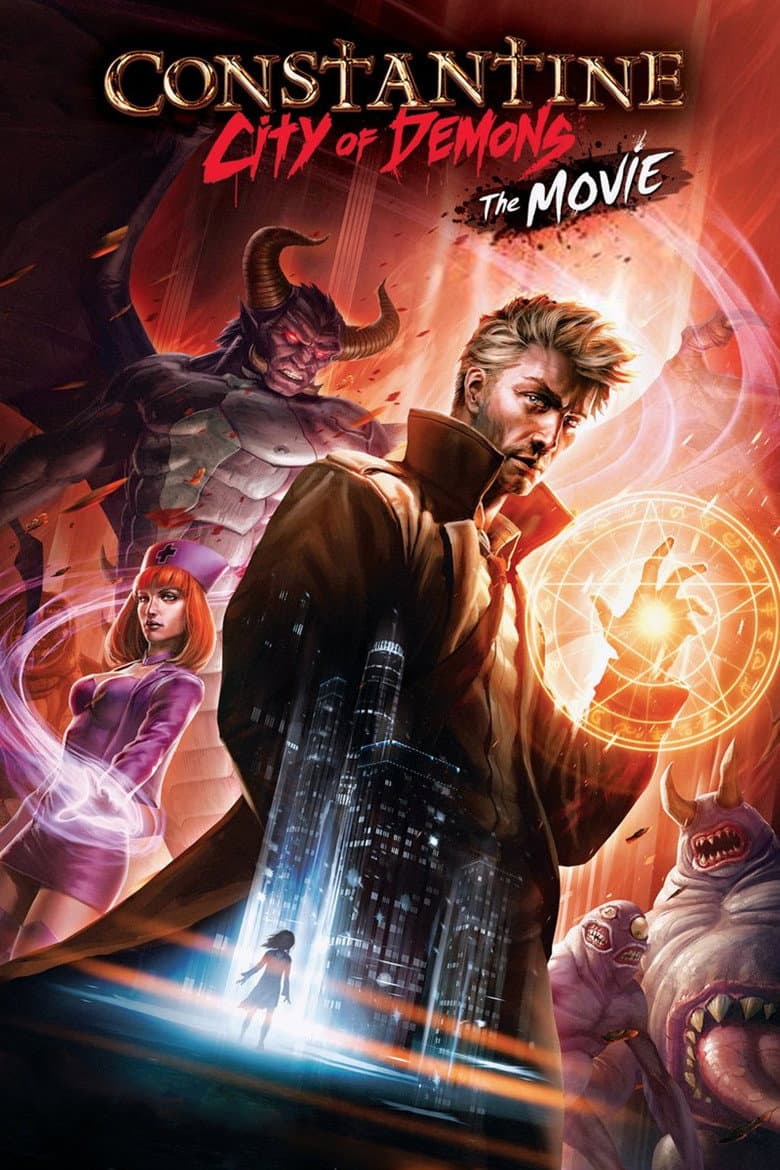
A decade after a tragic mistake, family man Chas Chandler and occult detective John Constantine set out to cure his daughter Trish from a mysterious supernatural coma.

Movie · 2021
Two teenagers trapped in an endless time loop set out to find all the tiny things that make that one day perfect.
