Movie review
October 4, 2018 · 90 min · R · Horror · Fantasy · Animation · Action
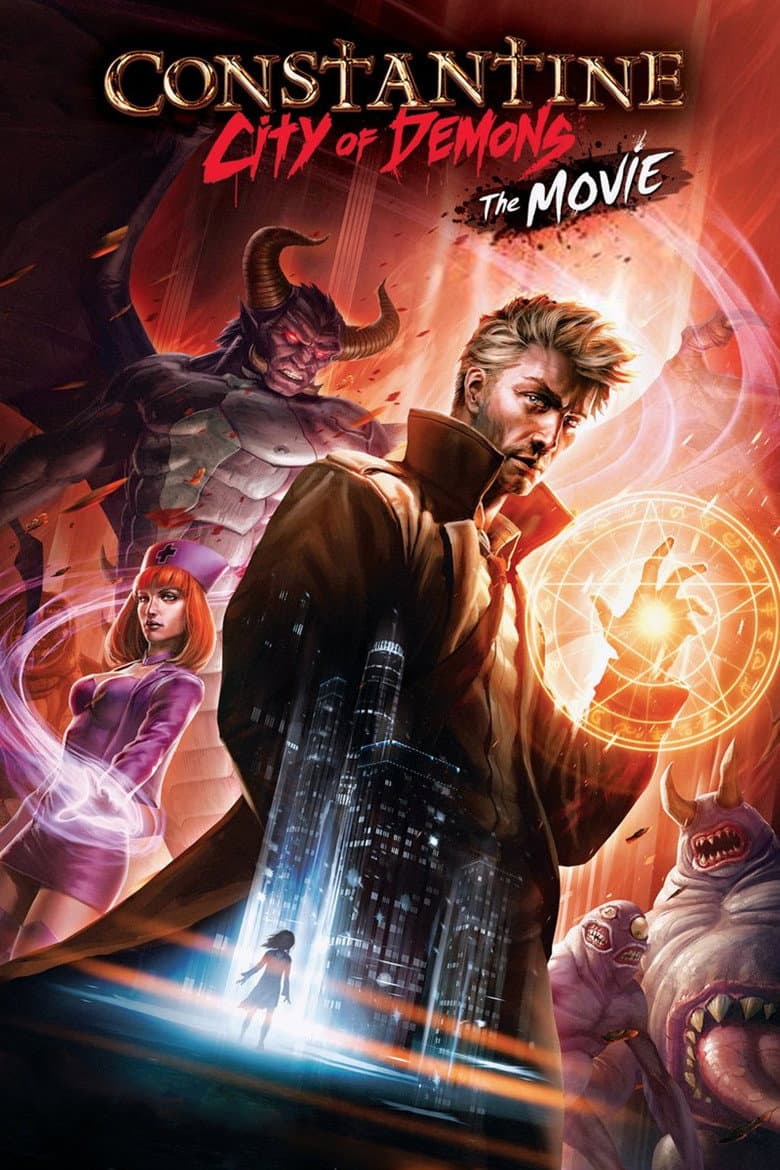
John Constantine is a British supernatural detective who drinks, smokes, and carries heavy guilt from a failed spell. His old friend Chas asks him to save Chas’s daughter Trish, whose soul has been stolen while her body lies in a coma. John travels from London to Los Angeles and faces demons, an ancient death god, and the living spirit of the city. The film uses bloody fights, rude jokes, sex, and a bleak supernatural mood, but it also follows a strong family bond and the cost of trying to fix past sins.
The clearest identity-related element is John’s open sexual nature, which includes sex with Angela, the spirit of Los Angeles, and fits the character’s wider bisexual history. The film keeps that identity in the background while the rescue plot centers on family love, guilt, friendship, and sacrifice. The women hold important roles as a healer, a mother, and the living spirit of a city, while John remains the main hero. The story treats deals with evil as dangerous and gives John a painful price for saving the child.
Community feedback
Was our 18% Woke rating accurate?
Breakdown
These are the editorial factors and ratings behind our score for Constantine: City of Demons - The Movie.
Woke representation / casting
Not present. The film keeps the established British John Constantine and his usual supporting cast. No identity-first casting pattern or diversity message is confirmed.
0%
Woke political dialogue
Not present. The dialogue centers on demons, magic, guilt, family love, and sacrifice. It does not include modern identity, gender-role, DEI, or activist lines.
0%
Identity-driven story themes
The film presents John Constantine as an established bisexual character with a sexually open life. The story shows him having sex with Angela, the spirit of Los Angeles, and treats his attraction as casual rather than shameful. The movie keeps this element brief while the main plot follows family love, guilt, friendship, and sacrifice.
20%
Western institutional / cultural critique
Not present. The film uses angels, demons, a church, and holy water as fantasy elements. It does not make a modern activist attack on Christianity, men, family life, or Western institutions.
0%
Woke character or canon changes
Not relevant. The movie loosely adapts All His Engines and adds material around the Newcastle tragedy. The reported changes concern plot and continuity rather than identity-based changes to established characters.
0%
Anti-woke backlash and complaints
Not present. The supplied X pass found no anti-woke posts or campaign. Web reactions discuss the dark tone, gore, Matt Ryan’s performance, and adaptation quality instead of woke or DEI messaging.
0%
Creator track record context
Greg Berlanti has a strong cached record of LGBTQ representation. Liz Marshall has a strong cached record of social justice and activist work. Marc Guggenheim and Sarah Schechter provide milder inclusive television context, while most other listed creators have low or modest scores. The film’s small bisexuality thread fits this context without becoming its main message.
42%
Production

Movie · 2025
The Demon Slayer Corps are drawn into the Infinity Castle, where Tanjiro, Nezuko, and the Hashira face terrifying Upper Rank demons in a desperate fight as the final battle…
Movie · 2022
The vicious, power-mad Kano is determined to take over Earthrealm, one soul at a time. Assisted by a trio of cold Black Dragon mercenaries, he embarks on a brutal assault from…
Movie · 2020
After the vicious slaughter of his family by stone-cold mercenary Sub-Zero, Hanzo Hasashi is exiled to the torturous Netherrealm.
Movie · 2020
Earth is decimated after intergalactic tyrant Darkseid has devastated the Justice League in a poorly executed war by the DC Super Heroes.
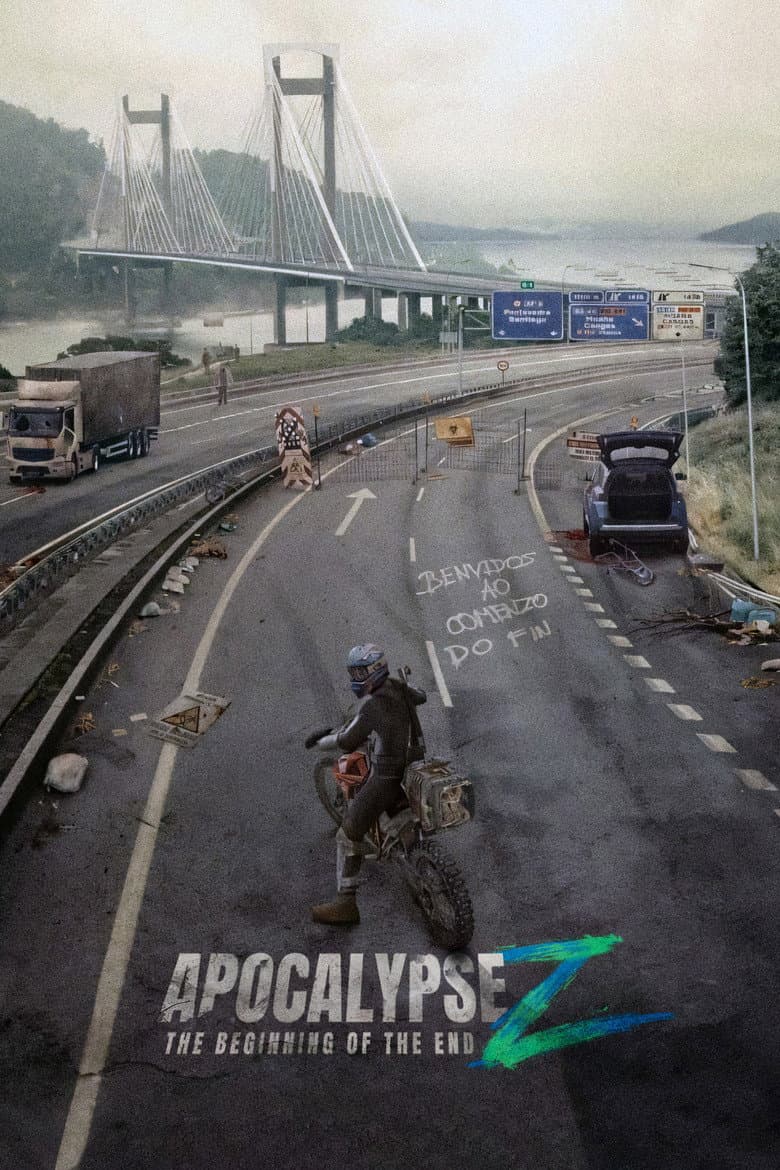
Movie · 2024
When a kind of rabies that transforms people into aggressive creatures spreads across the planet, Manel isolates himself at home with his cat, relying on his wits to survive; but…
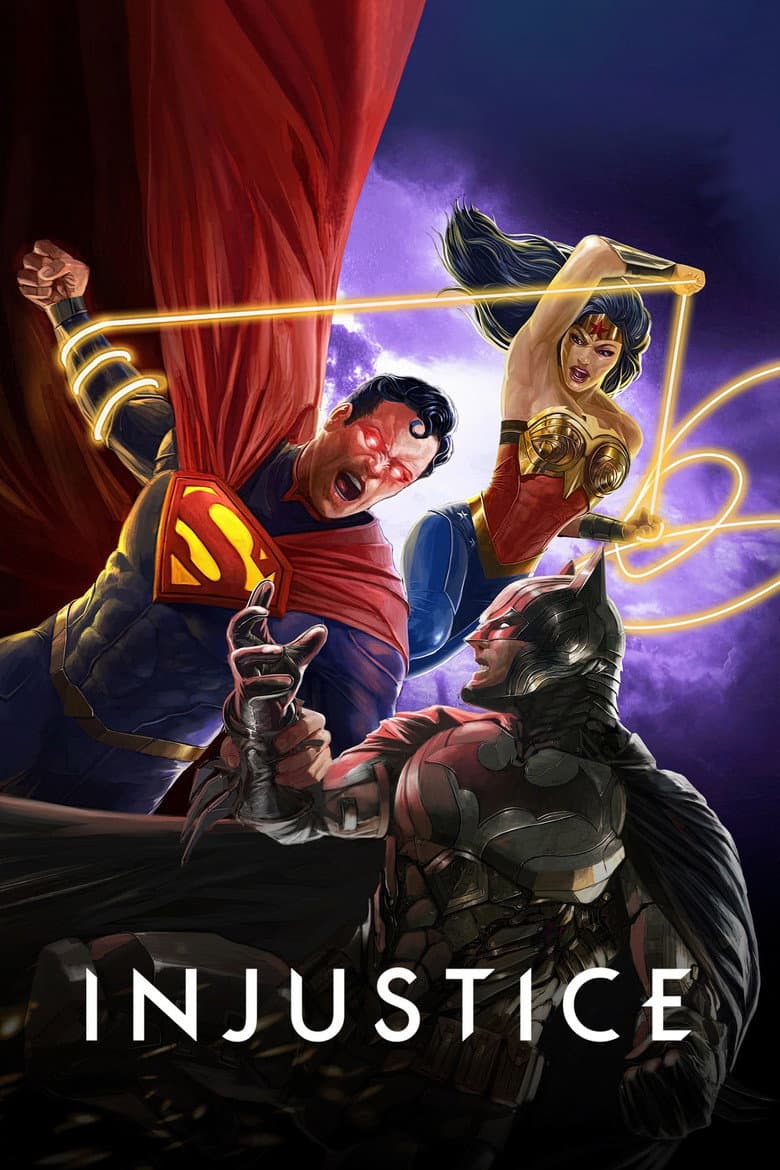
Movie · 2021
When Lois Lane is killed, an unhinged Superman decides to take control of the Earth. Determined to stop him, Batman creates a team of freedom-fighting heroes.
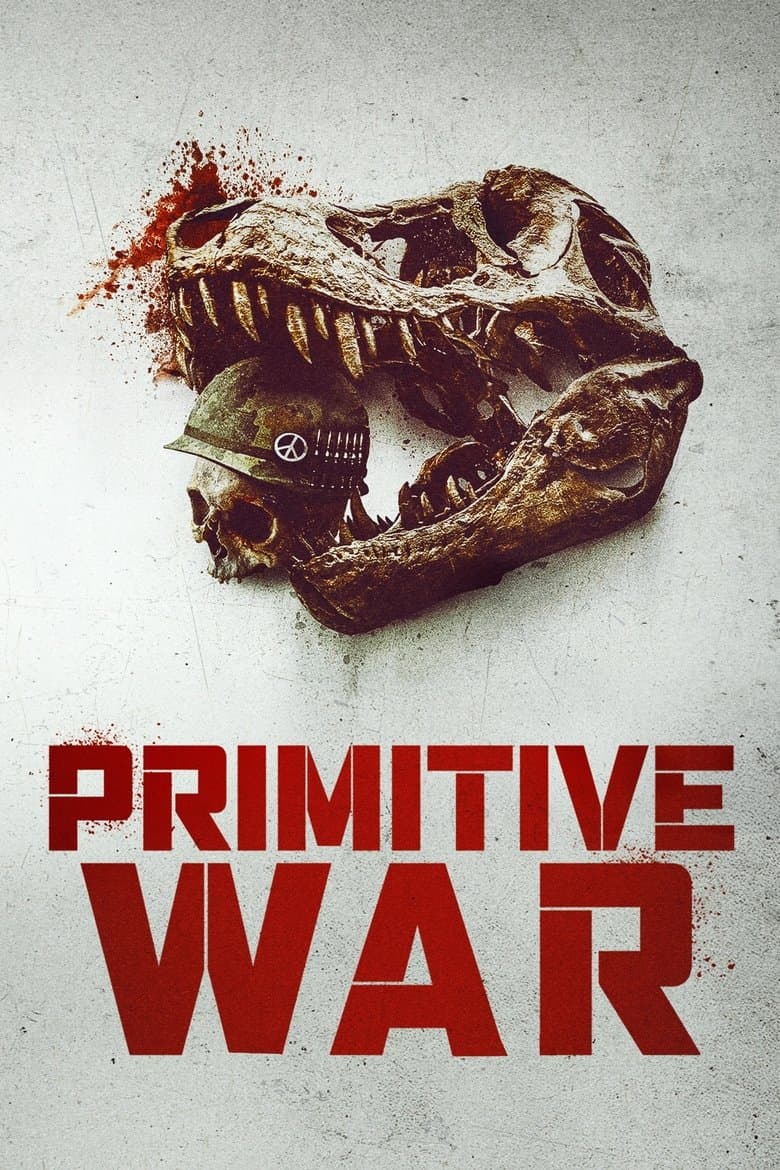
Movie · 2025
During the Vietnam War, a recon unit ventures to an isolated jungle valley to uncover the fate of a missing platoon.
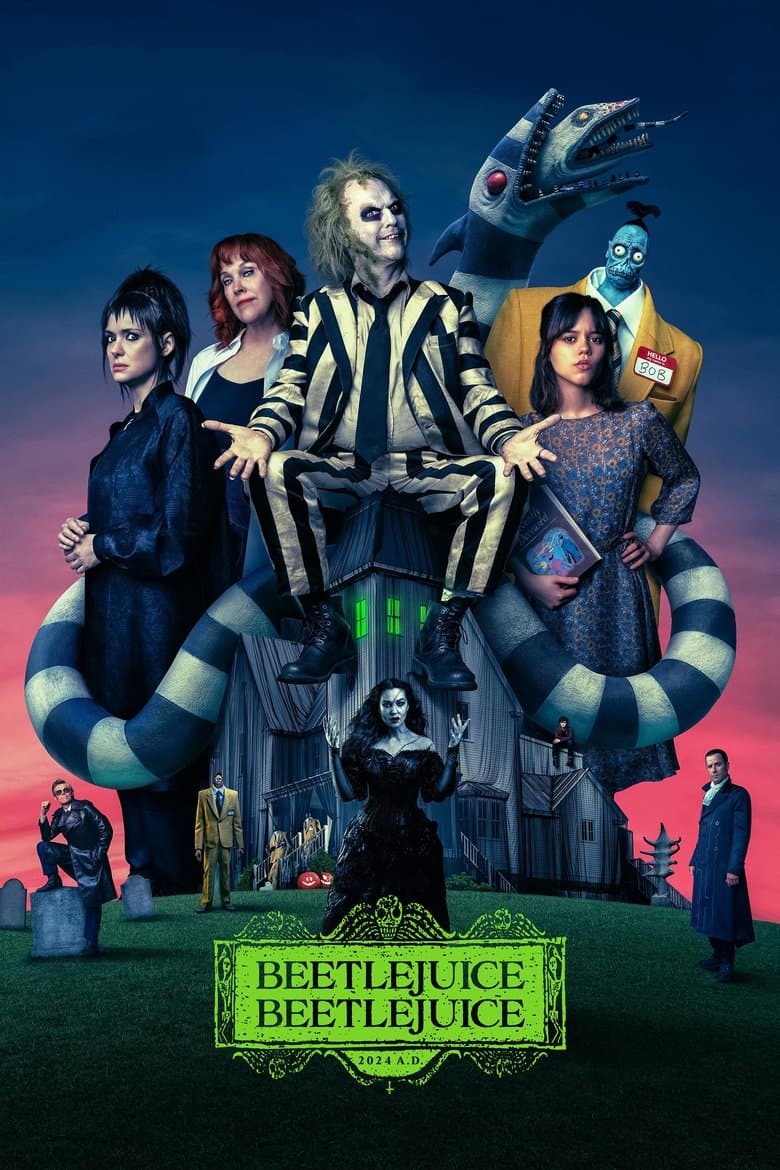
Movie · 2024
After a family tragedy, three generations of the Deetz family return home to Winter River. Still haunted by Betelgeuse, Lydia's life is turned upside down when her teenage…
