Movie review
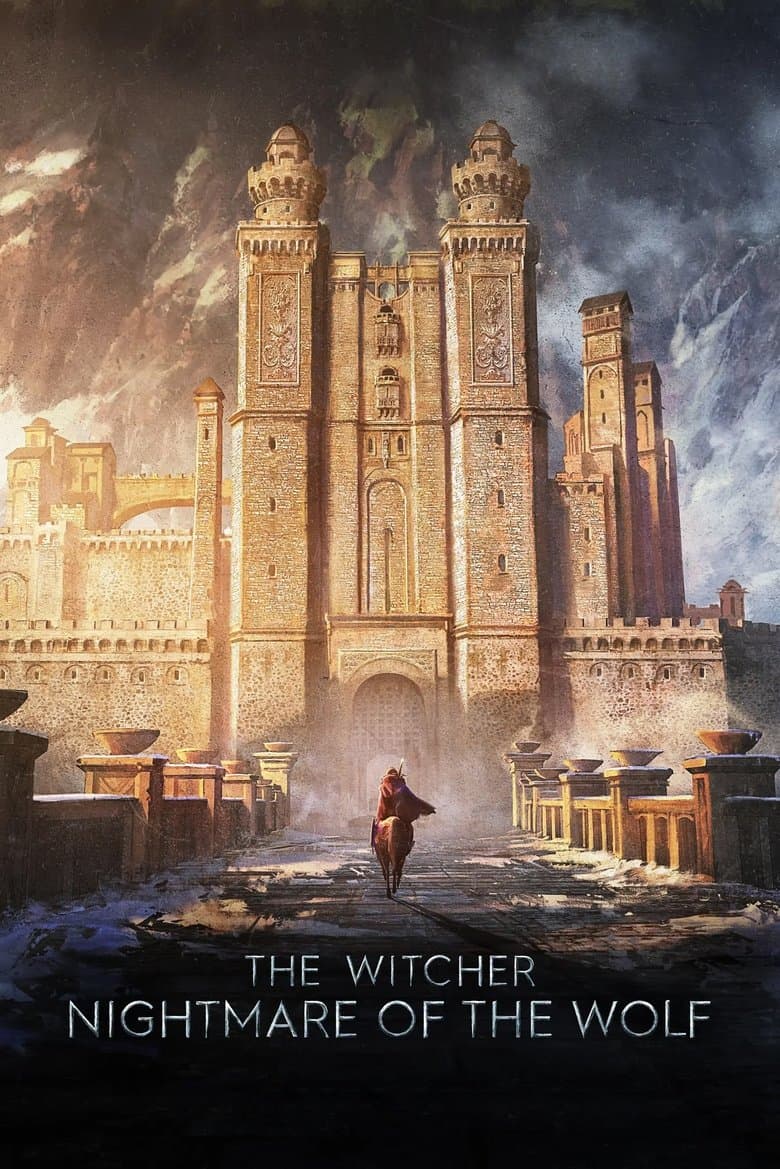
Vesemir is a young witcher who leaves a poor servant's life to hunt monsters for money and fame. Years later, he works from Kaer Morhen and enjoys his freedom, drinks, and love affairs. A new monster spreads fear across the kingdom, and court leaders blame the witchers for the attacks. Vesemir must face the truth about his past and decide what kind of teacher he will become. The film has a dark, violent, and fast-moving tone, with a sad story about guilt, fear, and people who become a family.
The film gives visible power to women such as Tetra, a skilled sorceress, and Lady Zerbst, a court leader who argues against the attack on the witchers. Vesemir's friend Luka talks about wanting the company of a man, which marks him as a gay witcher. Luka's arrest and death bring gay identity into the film's wider story about people being hated and killed because they seem different. That idea is clear but brief, while the main story remains Vesemir's change from a selfish monster hunter into a protector of the young witchers.
Community feedback
Was our 40% Woke rating accurate?
Breakdown
These are the editorial factors and ratings behind our score for The Witcher: Nightmare of the Wolf.
Woke representation / casting
The film's cast includes Luka, a supporting witcher whose attraction to men appears in dialogue. Tetra is a powerful sorceress, and Lady Zerbst is a major court leader. The roles fit the broad fantasy setting, and the marketing does not strongly frame them as a diversity goal.
18%
Woke political dialogue
Not present. Characters argue about monster attacks, royal orders, and old witcher crimes. The film does not use recurring speeches about modern identity politics, DEI, or activist causes.
0%
Identity-driven story themes
Luka talks about wanting the company of a man, which makes his gay identity visible in a short supporting subplot. The film kills Luka during the anti-witcher purge, and Beau DeMayo linked that choice to how pogroms can target people seen as most different. The main story follows Vesemir's guilt and the fall of Kaer Morhen, so the identity message is important but not dominant.
32%
Western institutional / cultural critique
Not present. The film shows a king, court mages, witchers, and a mob fighting over fear and power. The story treats these as fantasy-world conflicts and does not turn them into a modern attack on capitalism, patriarchy, Christianity, or Western institutions.
0%
Woke character or canon changes
The film adds Luka, a gay witcher, to the screen version of The Witcher world. Beau DeMayo said he created Luka because he wanted a gay witcher and linked Luka's death to a pattern in which pogroms target people seen as most different. The movie also changes the fall of Kaer Morhen, but that part is a normal lore change rather than an identity-driven one.
25%
Anti-woke backlash and complaints
A small number of right-leaning forum posts called the film or its trailer woke. Those posts complained about added diversity, a black family, and the gay witcher. Mainstream reviews and wider audience discussion focused more on animation, gore, lore, and plot speed, so the anti-woke backlash looks limited and fringe.
18%
Creator track record context
Beau DeMayo has said that his identity as a black gay man shapes his character work. He created Luka as a gay witcher and gave the film its clearest identity-focused element. Lauren Schmidt Hissrich has spoken about diverse casting and inclusive fantasy storytelling. Han Kwang Il and most other cached creators have little or no clear activist record.
54%
Production
Movie · 2021
The Earthrealm heroes must journey to the Outworld and fight for the survival of their homeland, invaded by the forces of evil warlord Shao Kahn, in the tournament to end all…
Movie · 2022
The vicious, power-mad Kano is determined to take over Earthrealm, one soul at a time. Assisted by a trio of cold Black Dragon mercenaries, he embarks on a brutal assault from…
Movie · 2020
Tanjiro Kamado, joined with Inosuke Hashibira, a boy raised by boars who wears a boar's head, and Zenitsu Agatsuma, a scared boy who reveals his true power when he sleeps, boards…
Movie · 2025
After a catastrophic event leaves their bodies destroyed, Ne Zha and Ao Bing are granted a fragile second chance at life.
Movie · 2018
A decade after a tragic mistake, family man Chas Chandler and occult detective John Constantine set out to cure his daughter Trish from a mysterious supernatural coma.
Movie · 2025
In a brutal war between devils, hunters, and secret enemies, a mysterious girl named Reze has stepped into Denji's world, and he faces his deadliest battle yet, fueled by love in…
Movie · 2021
Yuta Okkotsu is a nervous high school student who is suffering from a serious problem—his childhood friend Rika has turned into a curse and won't leave him alone.

Movie · 2022
A new adventure begins for Luffy and his crew when mysterious pop superstar Uta unveils her identity — and launches a misguided plan for world peace.
