Movie review
November 3, 2022 · 97 min · PG-13 · Documentary · Drama
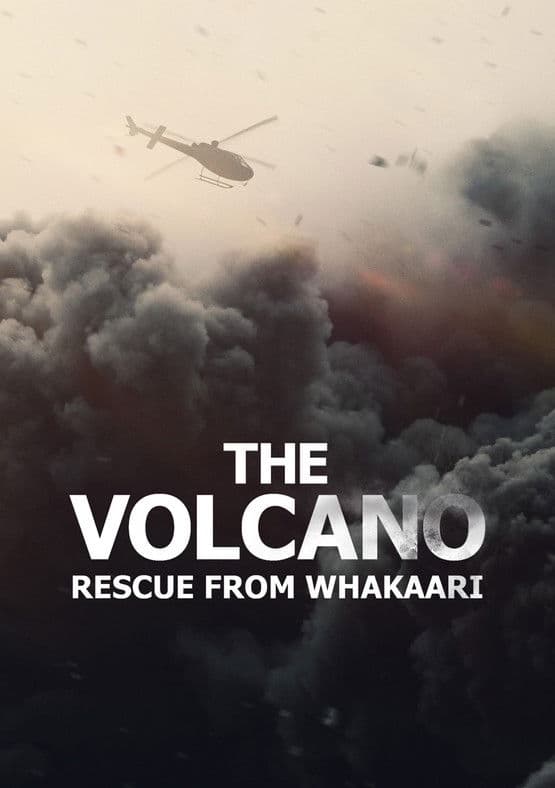
On December 9, 2019, tourists and guides visit Whakaari, also called White Island, a live volcano off New Zealand. Without warning the mountain blows, trapping dozens in hot ash and gas. The film follows that day minute by minute through phone video and the words of people who lived it. The tone is tense, sad, and focused on courage, not action-movie thrills.
The story is about survival, loss, and how strangers help each other when official help is slow. Viewers mainly meet real tourists, guides, boat crews, and private helicopter pilots. The main ideas are nature’s power and people sticking together. A normal viewer would notice fear, burns, hero pilots, and grief far more than any social or identity message. The mildest political edge is quiet talk about tour risk and who should have stopped visits when the volcano was restless—not race, gender, or activist lectures.
Community feedback
Was our 17% Woke rating accurate?
Breakdown
These are the editorial factors and ratings behind our score for The Volcano: Rescue from Whakaari.
Woke representation / casting
Real people from a real trip, not actors cast for diversity quotas. Mix of ages, genders, and nationalities matches who was on the island and in rescue work. A Maori leader appears in local cultural context. No girlboss casting pattern or identity-first star roles.
0%
Woke political dialogue
Story is mostly first-hand survivor and rescuer talk: pain, fear, choices, and help. No heavy activist slogans on race, gender, or identity. Mild “who allowed tours” and nature-risk talk sits at safety/human level, not campaign rhetoric.
0%
Identity-driven story themes
Core themes are survival, trauma, bravery, and people caring for strangers. Place uses the Maori name Whakaari as normal NZ naming, not a modern identity-politics plot. No LGBTQ, race-politics, or gender-ideology storyline drives the film.
5%
Western institutional / cultural critique
Film notes official crews held back as too dangerous while private pilots still flew, and ends with a sense that no one took full blame. That is soft safety and response critique, not modern activist attacks on whiteness, patriarchy, faith, or Western culture as the main point.
18%
Woke character or canon changes
Not present in this title.
0%
Anti-woke backlash and complaints
No notable anti-woke or right-leaning campaign treating this doc as woke, DEI, or identity propaganda. Public fights were about safety, tours, and court cases.
0%
Creator track record context
Director Kennedy’s progressive social-issue and climate-adjacent record, plus DiCaprio’s climate producer brand, raise context somewhat. Writers and several other producers score lower as reform/humanitarian or mainstream entertainment. Fits mild progressive nonfiction, not hard identity activism for this title.
34%
Production
Movie · 2019
In this documentary, Alex trusts his twin, Marcus, to tell him about his past after he loses his memory. But Marcus is hiding a dark family secret.
Movie · 2017
A celebration of the universe, displaying the whole of time, from its start to its final collapse. This film examines all that occurred to prepare the world that stands before us…
Movie · 2018
A documentary about World War I with never-before-seen footage to commemorate the centennial of Armistice Day, and the end of the war.
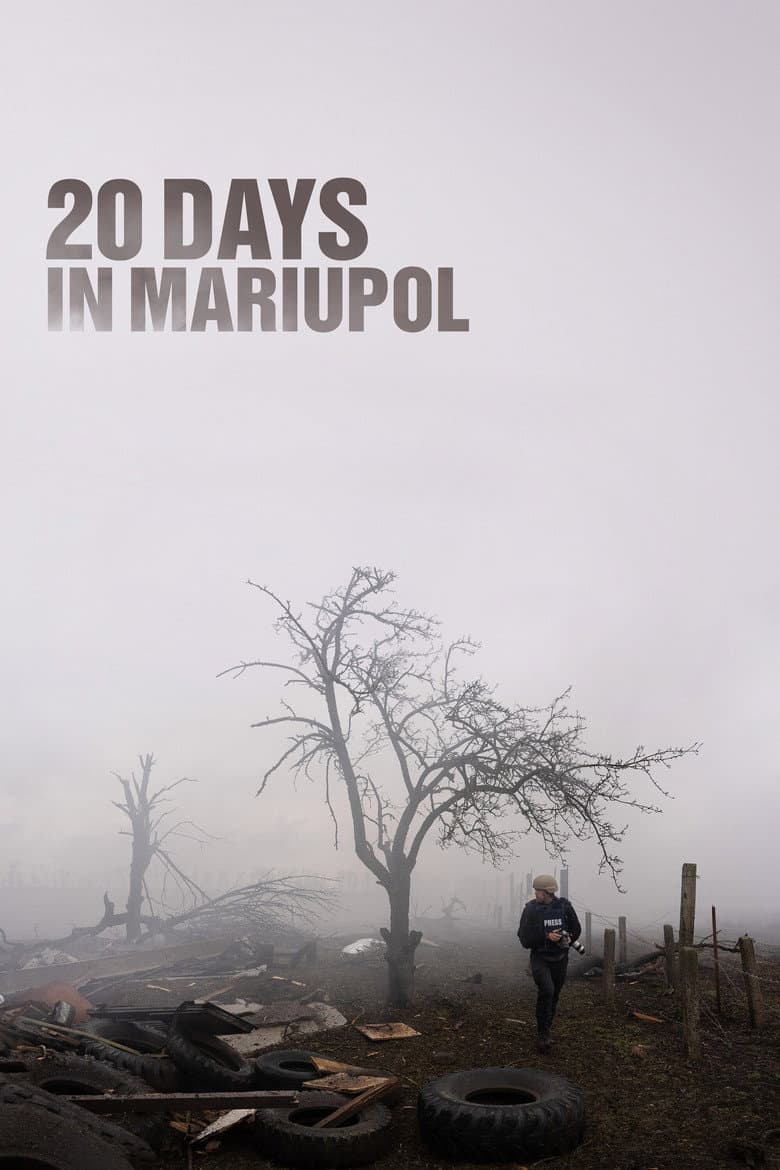
Movie · 2023
As the Russian invasion begins, a team of Ukrainian journalists trapped in the besieged city of Mariupol struggle to continue their work documenting the war's atrocities.
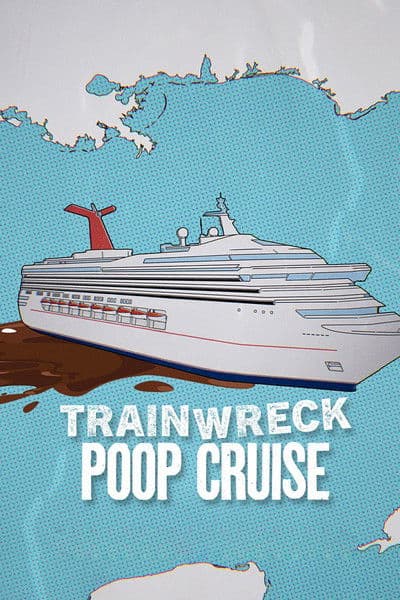
Movie · 2025
An engine fire leaves 4,000 passengers stranded at sea without power and plumbing in this wild documentary about the infamous "poop cruise" of 2013.

Movie · 2025
Those who knew iconic funnyman John Candy best share his story, in their own words, through never-before-seen archival footage, imagery, and interviews.
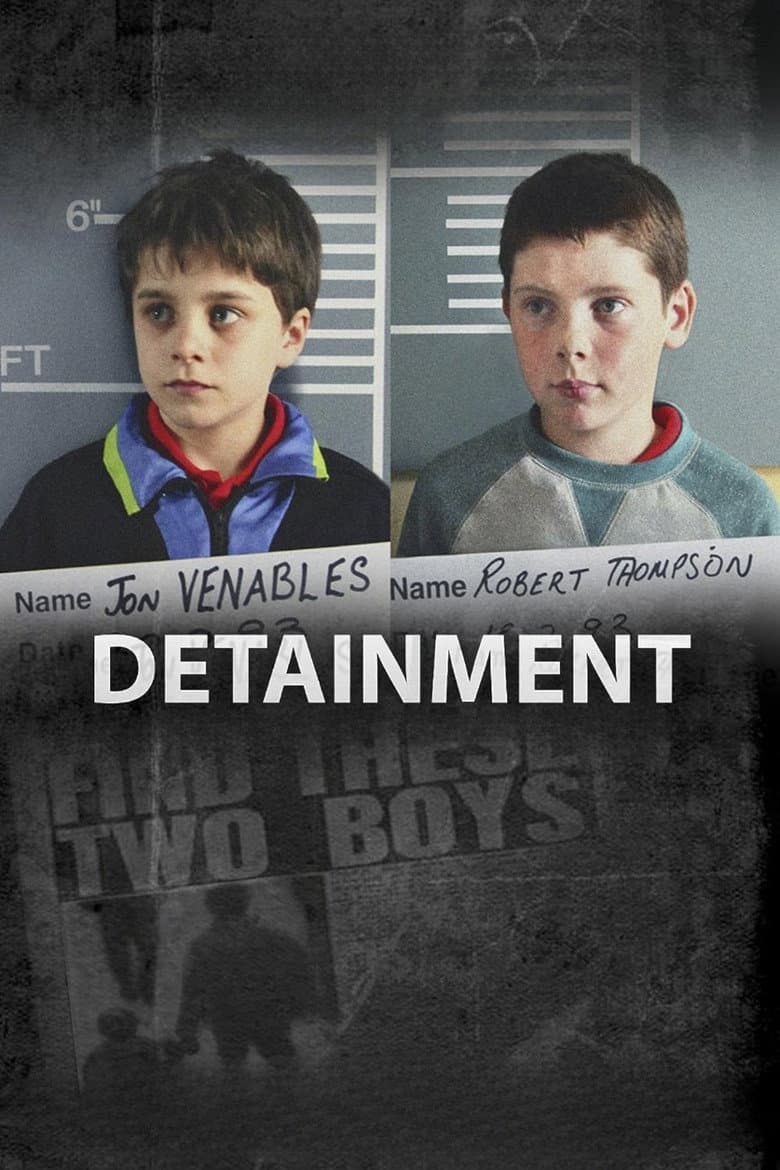
Movie · 2018
Two ten year-old boys are detained by police under suspicion of abducting and murdering a toddler.
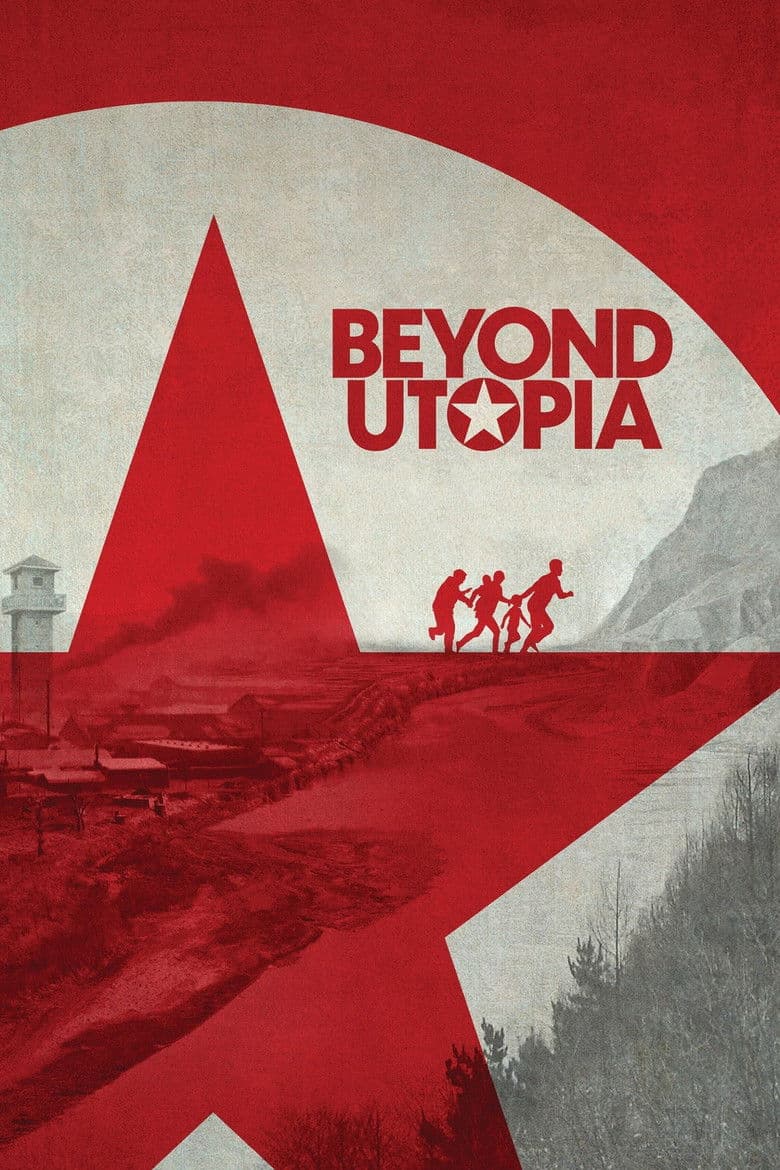
Movie · 2023
A courageous pastor uses his underground network to rescue and aid North Korean families as they risk their lives to embrace freedom.
