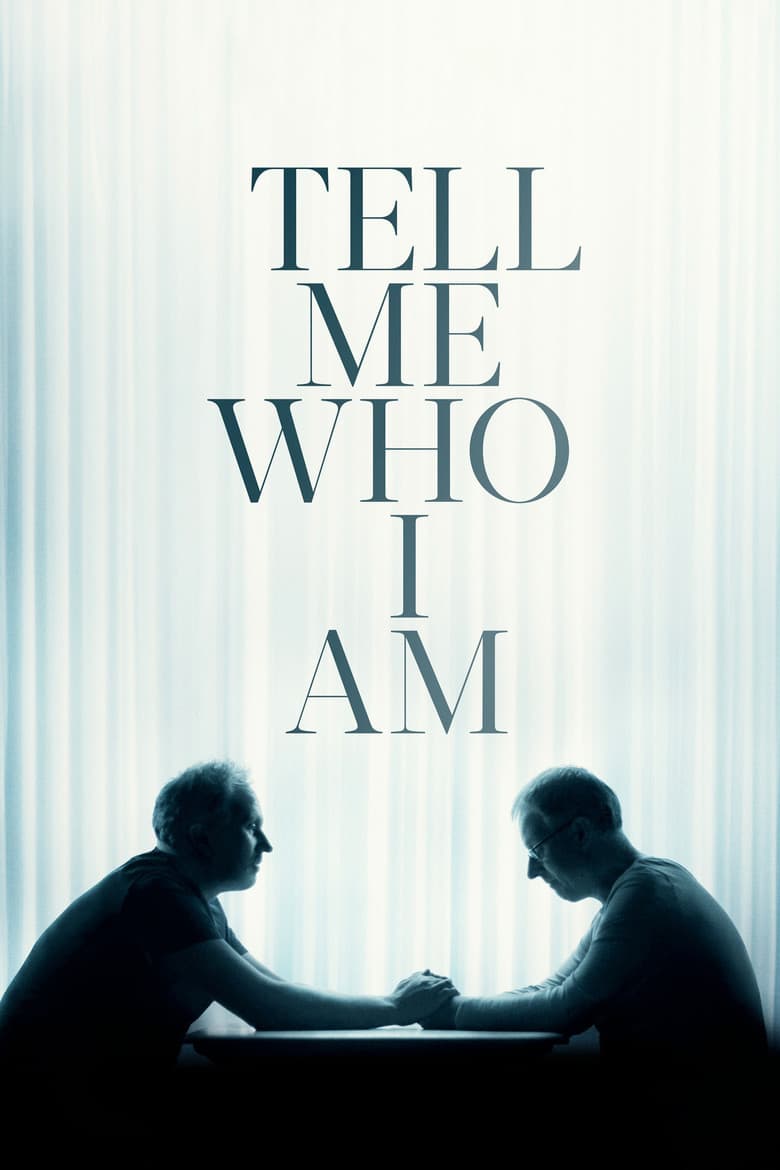
Tell Me Who I Am follows British twin brothers Alex and Marcus Lewis after a motorcycle crash leaves Alex with almost no memory at age 18. Alex remembers only Marcus, so Marcus rebuilds his brother’s life by describing their home, family, friends, and past. Years later, Alex learns that the happy childhood he was given was partly a lie, and he searches for the truth about abuse by their mother. The film has a quiet but tense tone, and its final section brings the brothers face to face with the pain they kept hidden.
Memory and trust shape the brothers’ view of themselves and their family. The film asks whether a loving lie can protect someone, or whether truth is needed for a person to heal. Marcus carries guilt for hiding the abuse, while Alex struggles with the shock of learning that his past was not what he believed. Their final conversation brings grief, anger, forgiveness, and hope into the open.
Community feedback
Was our 6% Woke rating accurate?
Breakdown
These are the editorial factors and ratings behind our score for Tell Me Who I Am.
Woke representation / casting
Not present. The documentary centers on the real British twin brothers Alex and Marcus Lewis rather than a fictional cast. Their identities are part of the true story, not a diversity or representation message.
0%
Woke political dialogue
Not present. The brothers talk about memory, family abuse, secrecy, and forgiveness. The film has no recurring lines about DEI, gender politics, race, sexuality, or activist causes.
0%
Identity-driven story themes
Not present. The film uses memory loss to ask how a person rebuilds a life and learns the truth. Its identity concerns are personal and family-based, not modern identity politics about race, gender, or sexuality.
0%
Western institutional / cultural critique
Not present. The film shows abuse and a secretive family, but it does not turn that story into a critique of patriarchy, Christianity, capitalism, or Western institutions. The main conflict stays between the brothers and their family history.
0%
Woke character or canon changes
Not relevant. The documentary adapts the Lewis brothers’ memoir and presents their real lives. It does not change the identity or roles of known fictional characters or historical figures.
0%
Anti-woke backlash and complaints
Not present. Available discussion focuses on the brothers’ trauma, the final reveal, and whether the filmmaking is caring or intrusive. No meaningful anti-woke, anti-DEI, or anti-left complaint is reported.
0%
Creator track record context
Ed Perkins has one notable representation-focused documentary, Black Sheep, within a wider career about personal and social stories. Jonathan Chinn and Nikki Meadows have public diversity or inclusive-casting context. Simon Chinn and Josh Braun have little public activist history. The film itself is not framed as a diversity or identity project.
30%
Production
Movie · 2025
An engine fire leaves 4,000 passengers stranded at sea without power and plumbing in this wild documentary about the infamous "poop cruise" of 2013.

Movie · 2025
OceanGate's Titan tourist submersible imploded in 2023 on a deep-sea dive to the Titanic. This documentary details how a bold vision ended in tragedy.

Movie · 2026
Through unlikely bonds formed during night shifts at a local aquarium, Tova, an elderly widow, learns of a life-changing discovery that may bring her joy and wonder once again.
Movie · 2018
An up-and-coming journalist finds his world and faith increasingly challenged when he's granted the interview of a lifetime – with someone who claims to be God.
Movie · 2018
Two ten year-old boys are detained by police under suspicion of abducting and murdering a toddler.
Movie · 2018
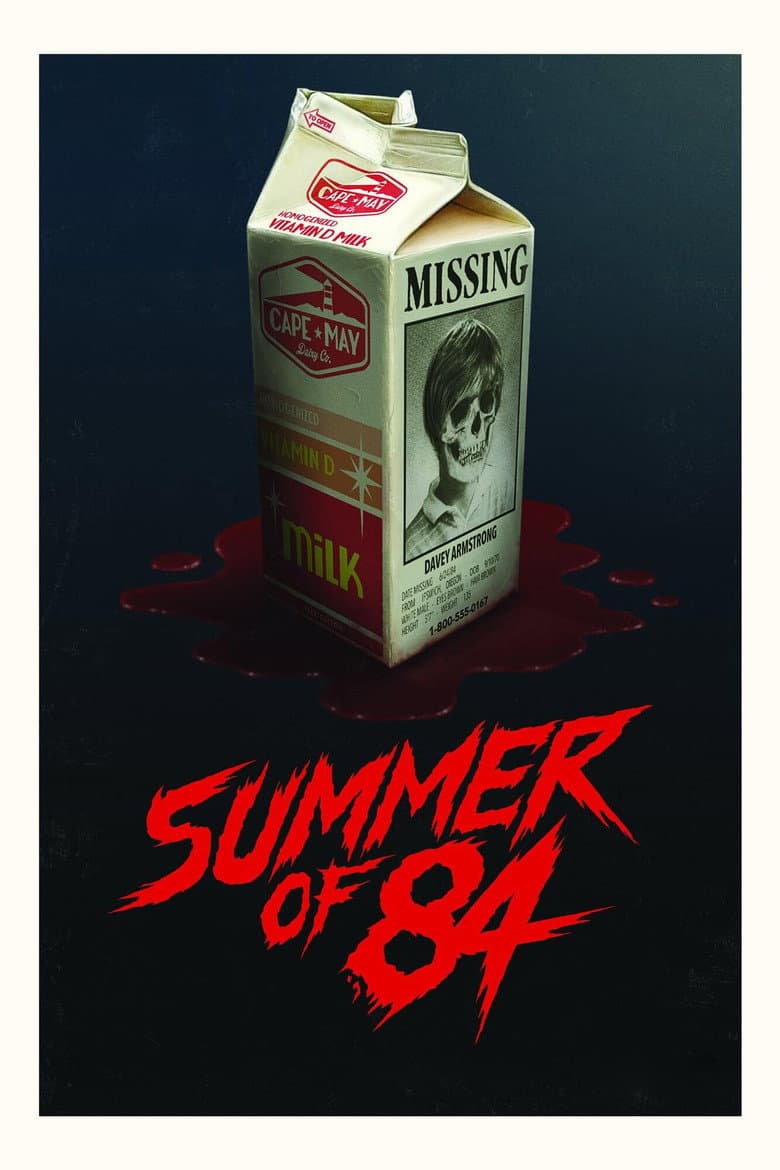
After suspecting that their police officer neighbor is a serial killer, a group of teenage friends spend their summer spying on him and gathering evidence, but as they get closer…
Movie · 2017
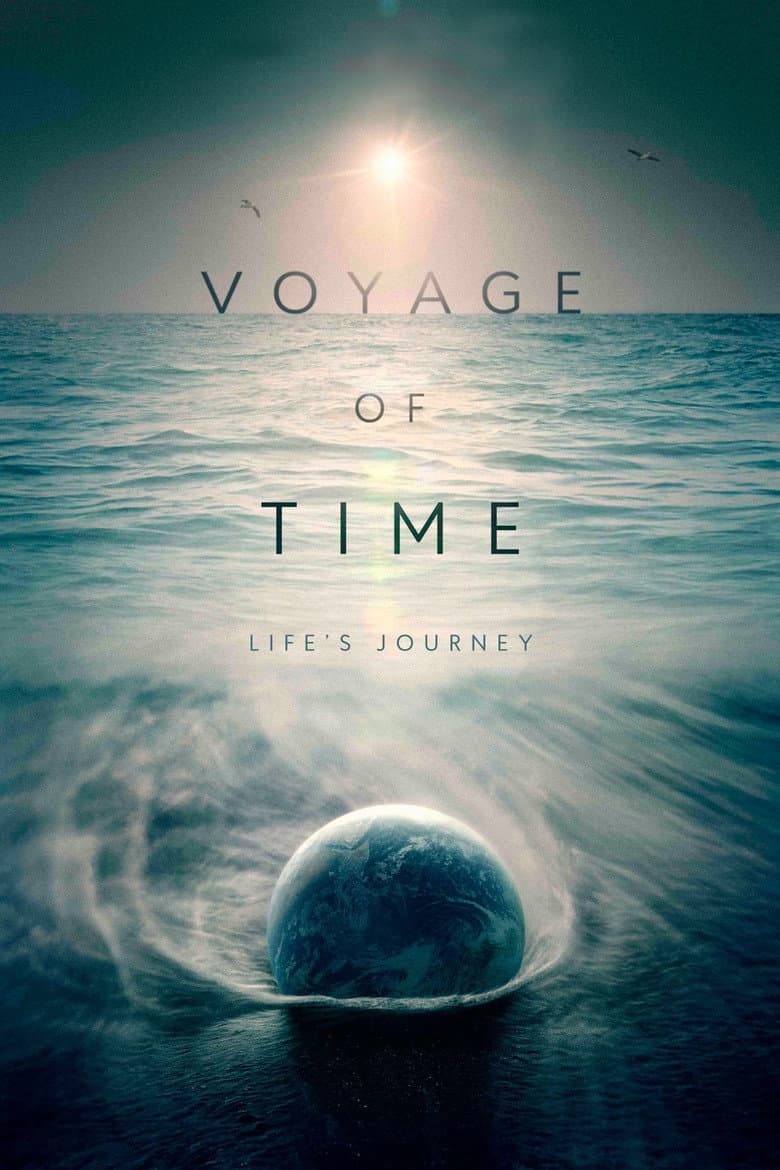
A celebration of the universe, displaying the whole of time, from its start to its final collapse. This film examines all that occurred to prepare the world that stands before us…
Movie · 2017
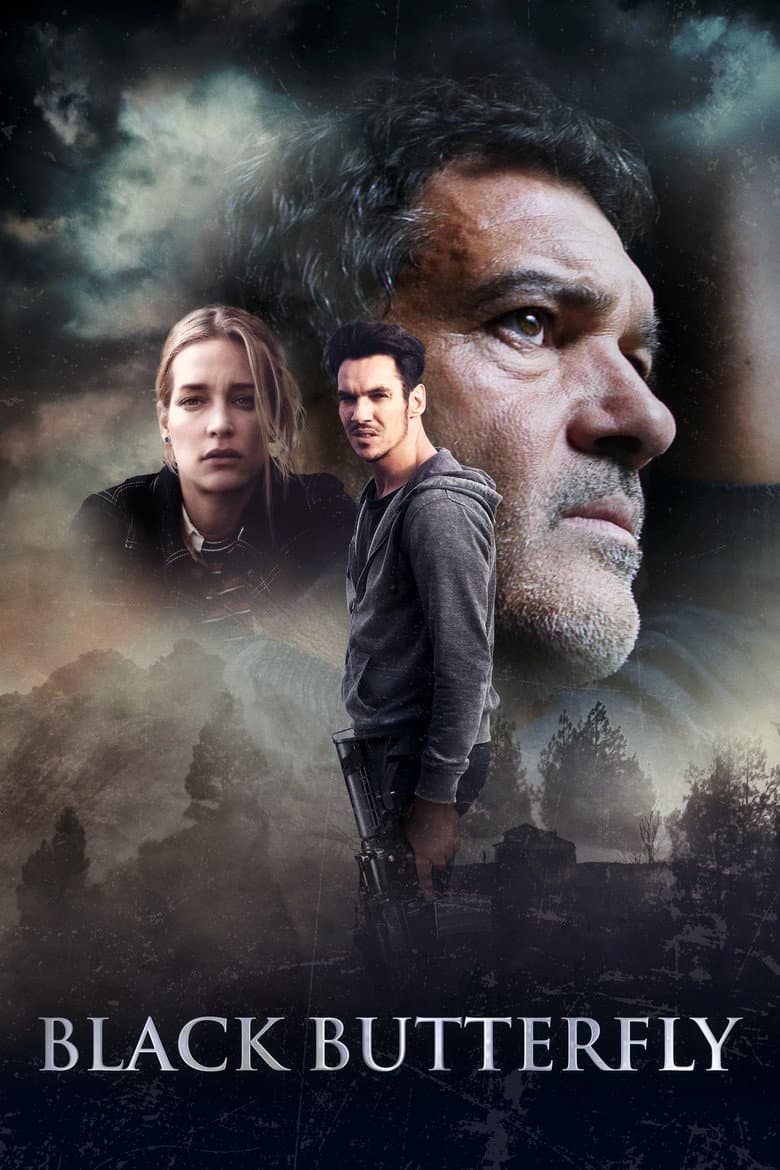
Paul is a down-on-his-luck screenwriter who picks up a drifter and offers him a place to stay. However, when the deranged stranger takes Paul hostage and forces him to write…
