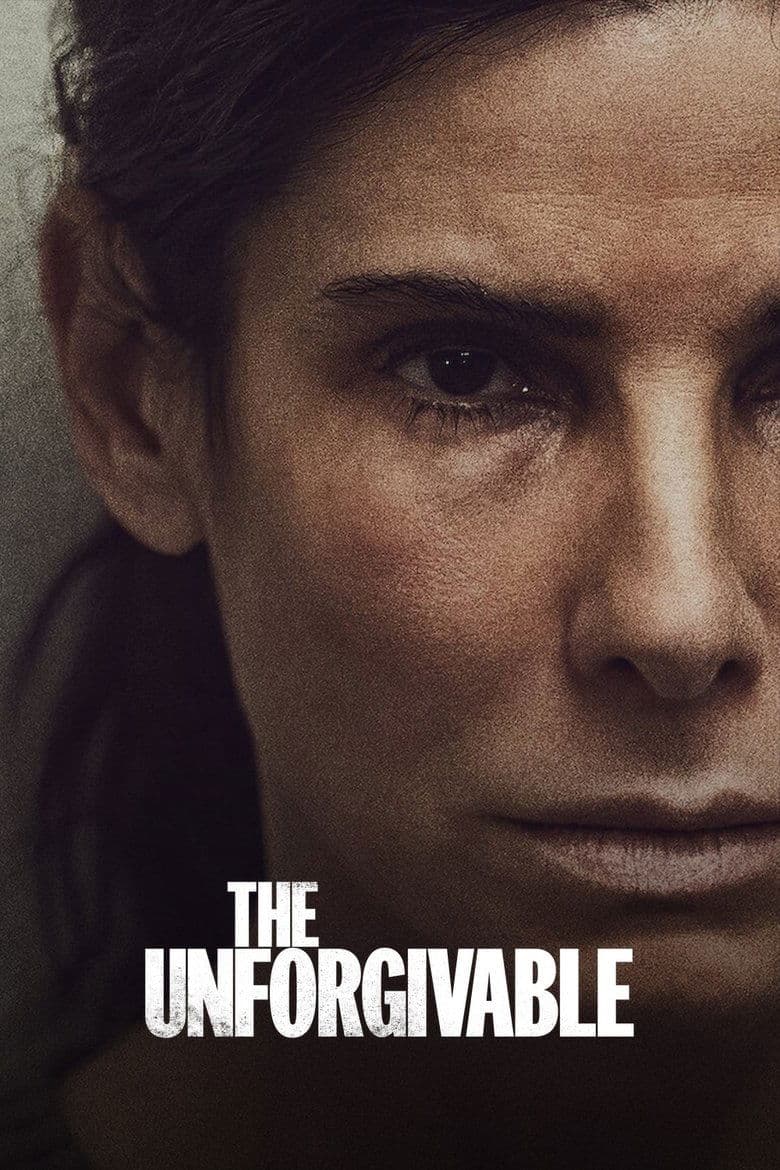
Ruth Slater gets out of prison after twenty years. People still treat her like a killer. She only wants to find her little sister, who was taken away when she was a child. The story is set in rainy Seattle and feels heavy and sad. It is about guilt, family, and whether anyone will give Ruth a second chance.
The movie is mostly a personal drama about sisters and forgiveness. A normal viewer will mainly notice Ruth’s hard life after prison and her fight to see her sister again. There is a clear, short race-focused moment: a black lawyer character, played by Viola Davis, tells her white husband that if their black sons had been labeled “cop killers,” they would be dead. That line points at unfair treatment in the justice system. The film also shows an interracial rich couple living in Ruth’s old house, and some reviews say the American remake added race and class points. These parts are real but brief. They sit beside the main plot rather than take it over.
Community feedback
Was our 51% Woke rating accurate?
Breakdown
These are the editorial factors and ratings behind our score for The Unforgivable.
Woke representation / casting
Lead is a white woman. Viola Davis plays a short but important black lawyer role that delivers a race-and-justice speech. Rob Morgan plays the parole officer. An interracial lawyer couple and mixed-race sons appear on screen. That is visible diversity with identity weight in supporting parts, not a full cast built as a quota showcase.
30%
Woke political dialogue
The strongest line is Liz telling John that their black sons would be dead if treated like a white “cop killer.” Viewers and reviews notice it. Most other talk is about crime, family, parole rules, and forgiveness. The race line is clear but not the whole movie’s dialogue.
44%
Identity-driven story themes
Main story is guilt, sister love, trauma, and life after prison. Race and class unfairness show up as side themes, especially through Liz and who gets sympathy after crime. Identity is present and easy to spot in places, but it does not drive the whole plot.
26%
Western institutional / cultural critique
The film criticizes how hard society is on people who have finished their sentence. It also, in one strong scene, frames the justice system as harsher for black sons than for a white woman. That is modern race-and-system talk, not only a generic cop story. It is noticeable but not the full movie.
42%
Woke character or canon changes
Remake of the British *Unforgiven* miniseries. The lead stays a white woman; no race or gender swap of Ruth. The U.S. version added American parole flavor and racial-justice beats that reviews say were not the same focus in the UK original. Mild identity-leaning adaptation, not a full character rewrite.
25%
Anti-woke backlash and complaints
No clear wave of anti-woke or right-leaning complaints that this film pushes DEI or identity politics. Public talk was about quality, plot twists, and streaming success. Left-side notes that race themes were too light do not count here.
0%
Creator track record context
Director score is low-moderate. Source writer Wainwright and producer Shindler score higher for women’s and queer-inclusive work in other projects. Star-producer Bullock and most co-writers score low to mild. Overall crew is mixed, not an all-activist team, and this film only lightly mirrors the higher-scoring names’ usual identity focus.
30%
Production
Movie · 2026
As Frank Castle searches for meaning beyond revenge, an unexpected force pulls him back into the fight.
Movie · 2025
Amid the glittering casinos of Macau, a gambler running from his past—and his debts—becomes fascinated by an enigmatic woman at the baccarat table.
Movie · 2019
Pennsylvania, 1956. Frank Sheeran, a war veteran of Irish origin who works as a truck driver, accidentally meets mobster Russell Bufalino.
Movie · 2016
As a math savant uncooks the books for a new client, the Treasury Department closes in on his activities and the body count starts to rise.
Movie · 2024
After a chance encounter, headstrong Kathy is drawn to Benny, member of Midwestern motorcycle club the Vandals.
Movie · 2019
A chronicle of the crimes of Ted Bundy, from the perspective of his longtime girlfriend, Elizabeth Kloepfer, who refused to believe the truth about him for years.

Movie · 2016
Based on the true story of two young men, David Packouz and Efraim Diveroli, who won a $300 million contract from the Pentagon to arm America's allies in Afghanistan.

Movie · 2023
The hardened son of a powerful industrialist returns home after years abroad and vows to take bloody revenge on those threatening his father's life.
