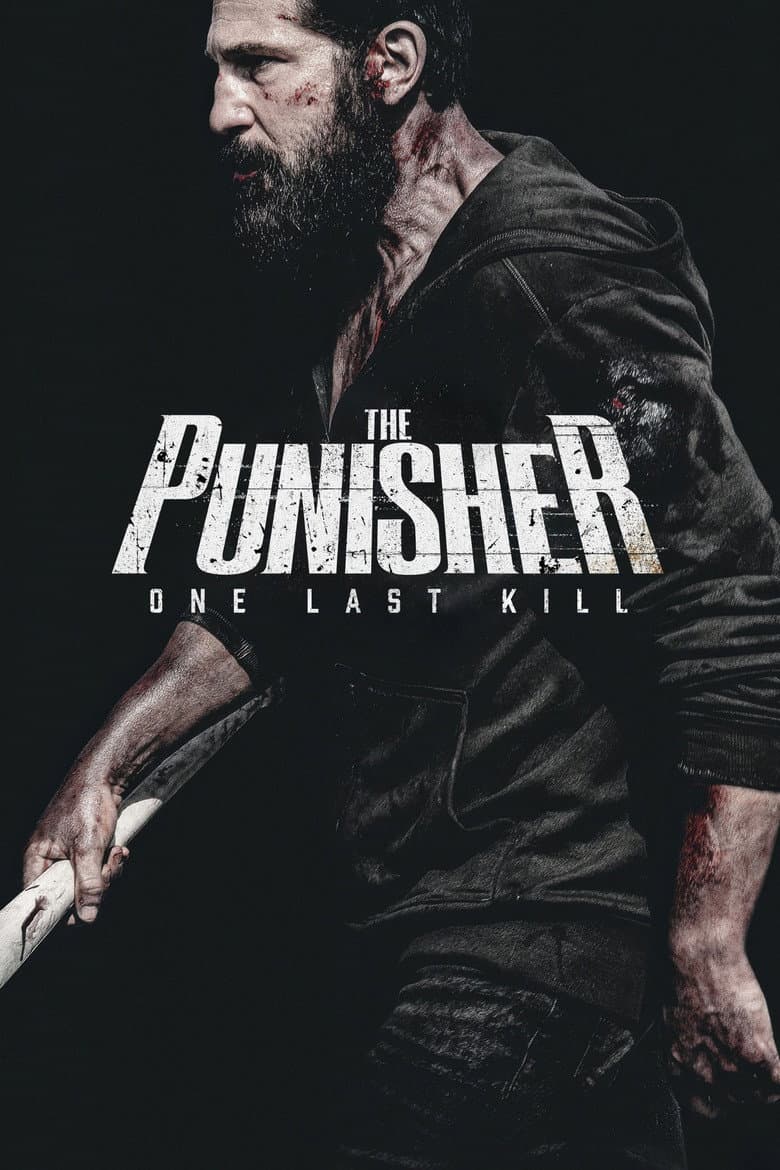
After Frank Castle wipes out the Gnucci crime family, grief and PTSD leave him hollow. He is haunted by visions of his dead family, Karen Page, and Marine friend Curtis Hoyle. Mob matriarch Ma Gnucci puts a bounty on him. When Little Sicily criminals siege his apartment building, Frank stops chasing pure personal revenge and protects a local shopkeeping family. He then recommits to the Punisher identity as a protector of the innocent. The special is a self-contained, gore-heavy character story between Daredevil Born Again and Spider-Man Brand New Day that follows Welcome Back, Frank comic roots more than light MCU humor.
Audience-visible woke load is low. Core themes are PTSD, suicidal despair, the cycle of revenge, and choosing protection over pure vengeance, not race, gender, or sexuality politics. Mild notes include street chaos, how veterans suffer, and Frank’s collapse of belief in military, family, and other life pillars, plus a light sense that society fails veterans. Supporting casting includes returning Black players and a shopkeeping family that fit New York and continuity, and Ma Gnucci as a female crime boss matches the comics rather than a gender-swap stunt. Dialogue stays on grief, guilt, bounty revenge, and empty payback, with no identity lectures or progressive slogan speech. There are no LGBTQ plotlines or modern activist identity arcs.
Breakdown
These are the editorial factors and ratings behind our score for The Punisher: One Last Kill.
Woke representation / casting
The New York cast includes returning black supporting players and a civilian family Frank protects. That mix fits the city and prior stories rather than a diversity stunt. Ma Gnucci is a female crime boss already present in the comics. Marketing does not sell the show as a first or as diversity-first casting.
14%
Woke political dialogue
Talk stays on grief, guilt, the bounty, and how empty revenge feels. Reviews note only thin lines about street chaos and how veterans suffer. There are no identity lectures or systemic racism speeches. Progressive slogan speech is absent.
8%
Identity-driven story themes
The story is about PTSD, suicidal despair, the revenge cycle, and choosing to protect people. Those are classic Punisher and veteran mental-health themes. Race, gender, and sexuality politics do not drive the plot. There are no LGBTQ storylines or modern activist identity arcs.
8%
Western institutional / cultural critique
Frank’s anomie shows his belief in the military, family, and other pillars has collapsed. There is a light sense that society fails veterans. The special does not turn that into anti-patriarchy, anti-whiteness, or anti-Christian messaging. It ends by backing brutal masculine protection of innocents rather than tearing that idea down.
15%
Woke character or canon changes
Not relevant. Ma Gnucci, Welcome Back, Frank structure, and the Barracuda wink track the comics with no identity or DEI swaps of established figures.
0%
Anti-woke backlash and complaints
Not present. No meaningful anti-woke campaign treats the title as woke or DEI propaganda. Dominant right-leaning reaction celebrates that it is not woke.
0%
Creator track record context
Green brings a race and policing heavy filmography. Bernthal is progressive-liberal but not a DEI career activist. Producers include Feige and Amanat, and comic co-creator Conway later did BLM-linked skull reclamation. That people context is elevated but does not dominate this title’s on-screen messaging.
44%
Production