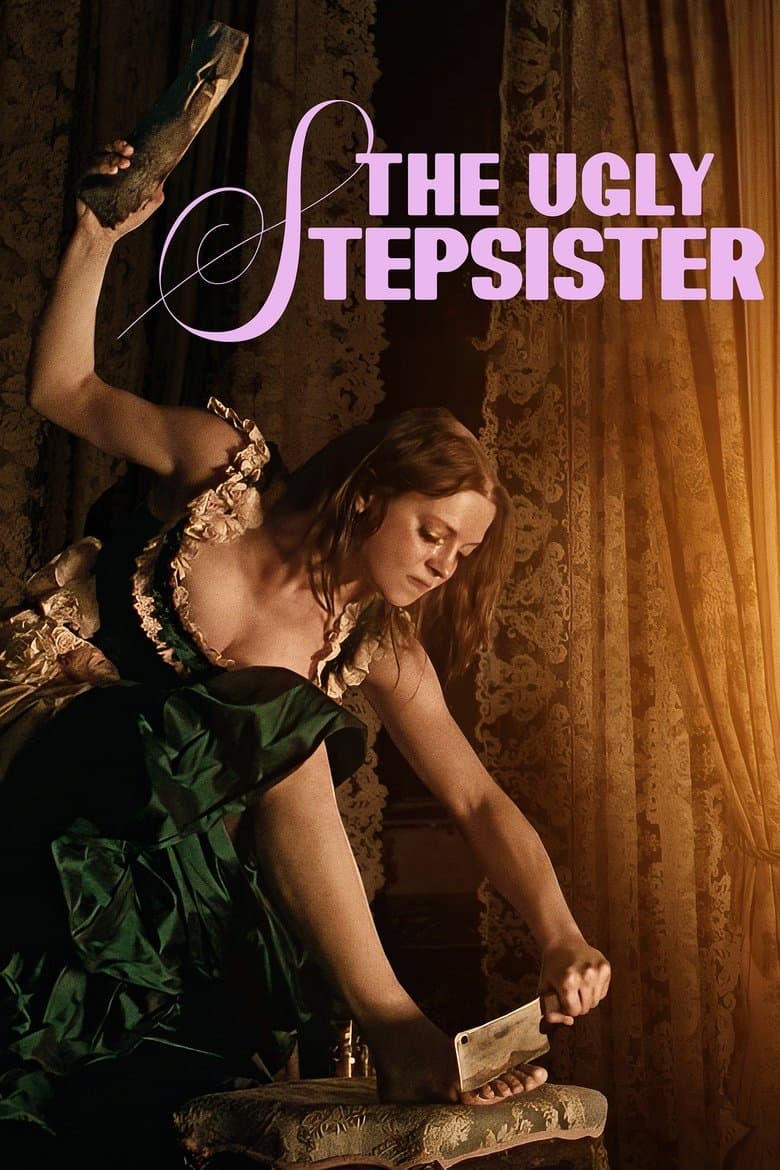
The Ugly Stepsister is set in a poor fairy-tale kingdom where beauty can buy safety, marriage, and a place near the prince. Elvira is a shy young woman who dreams of marrying Prince Julian, but her beautiful stepsister Agnes draws his attention with little effort. After Elvira's stepfather dies, her mother pushes her to win the prince so the family can escape debt. The plan sends Elvira through painful beauty treatments, hunger, jealousy, and a bloody fight over the glass slipper, giving the film a grim, funny, and graphic tone.
The story makes beauty rules and female competition its main subject. Elvira is taught that her face, body, weight, teeth, and feet must change before she can be loved or respected. The school, her mother, the prince, and the royal world all help turn marriage and appearance into measures of a woman's worth. The film also shows a lesbian couple among the women who teach the girls, while Elvira and her sister finally leave their mother's control instead of receiving a simple happy ending.
Community feedback
Was our 77% Woke rating accurate?
Breakdown
These are the editorial factors and ratings behind our score for The Ugly Stepsister.
Woke representation / casting
The main cast is white and fits the European fairy-tale setting. The film includes two female finishing-school teachers who are shown as a couple. Their lesbian relationship is a visible identity choice, but it stays a side detail. The film does not build a wide diversity-focused cast.
25%
Woke political dialogue
The school tells Elvira that her talent is wasted because of her body and looks. The film repeats that beauty controls who gets love, money, and a husband. A teacher presents body changes in the language of empowerment while helping Elvira. These comments recur around lessons and treatments, but the film has no long activist speech.
34%
Identity-driven story themes
The story makes beauty rules, body shame, and pressure to fit femininity its main subject. Elvira changes her body to gain love, money, and status. Women are repeatedly judged, sorted, and pushed to compete for a man. The lesbian teachers and the sisters' final escape add more gender-focused material. These themes shape nearly every major event.
68%
Western institutional / cultural critique
The kingdom treats marriage as a woman's main route to money and safety. The mother, finishing school, prince, and court all enforce beauty and gender rules. The prince is shallow, and women are pushed to compete for his approval. The story also shows women enforcing the same rules on one another. This is a recurring critique of patriarchy and traditional gender roles within the fairy-tale world.
56%
Woke character or canon changes
The film makes a traditional Cinderella villain one of its main characters. It gives Elvira the main emotional journey and makes Agnes less purely good. This changes the usual hero roles and retells the familiar story through the stepsister's view. The ball, slipper, prince, and basic Cinderella ending remain, but the character change drives the whole film.
50%
Anti-woke backlash and complaints
Not present. Available reporting and audience discussion mainly praise or debate the feminist beauty-standard message. No meaningful anti-woke or anti-DEI complaint was found in the reviewed coverage.
0%
Creator track record context
The director has a repeated focus on women's bodies, beauty rules, femininity, and feminist filmmaking. Her interviews about this film directly connect it to body image, imposed beauty ideals, and pressure on women. The main producer has a wider record of supporting representation-focused stories, while the other listed producers have lower or unclear activist records. This background matches the film's visible themes.
55%
Production
Movie · 2018
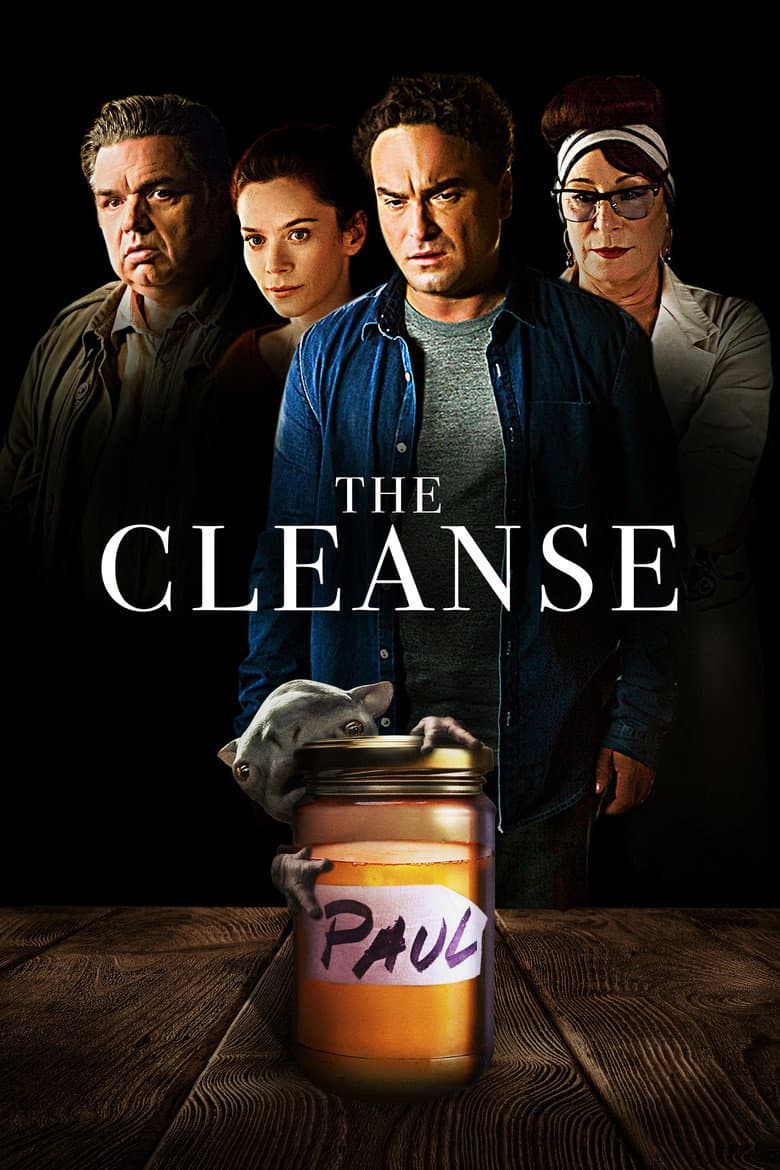
The story of a heartbroken man who attends a spiritual retreat, only to discover that the course releases more than everyday toxins and traumatic experiences.
Movie · 2017
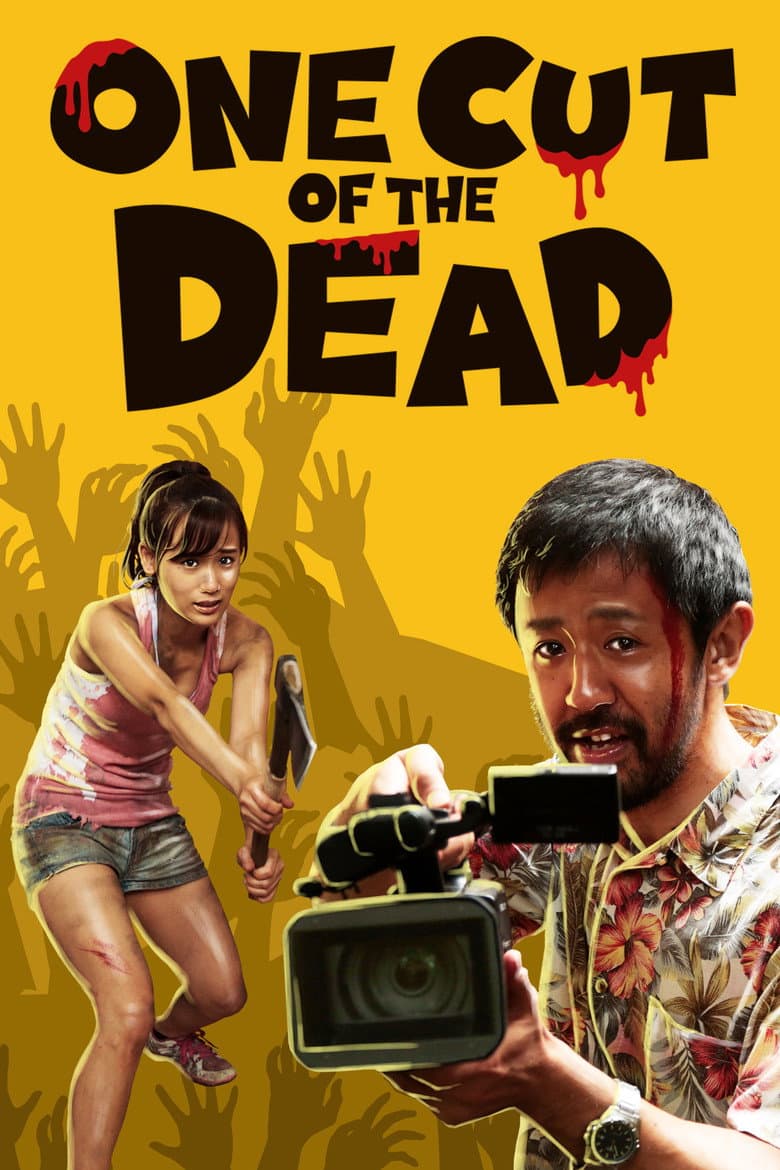
Real zombies arrive and terrorize the crew of a zombie film being shot in an abandoned warehouse, said to be the site of military experiments on humans.

Movie · 2019
Columbus, Tallahassee, Wichita, and Little Rock move to the American heartland as they face off against evolved zombies, fellow survivors, and the growing pains of the snarky…

Movie · 2023
On the day of his scheduled execution, a convicted serial killer gets a psychiatric evaluation during which he claims he is a demon, and further claims that before their time is…
Movie · 2024
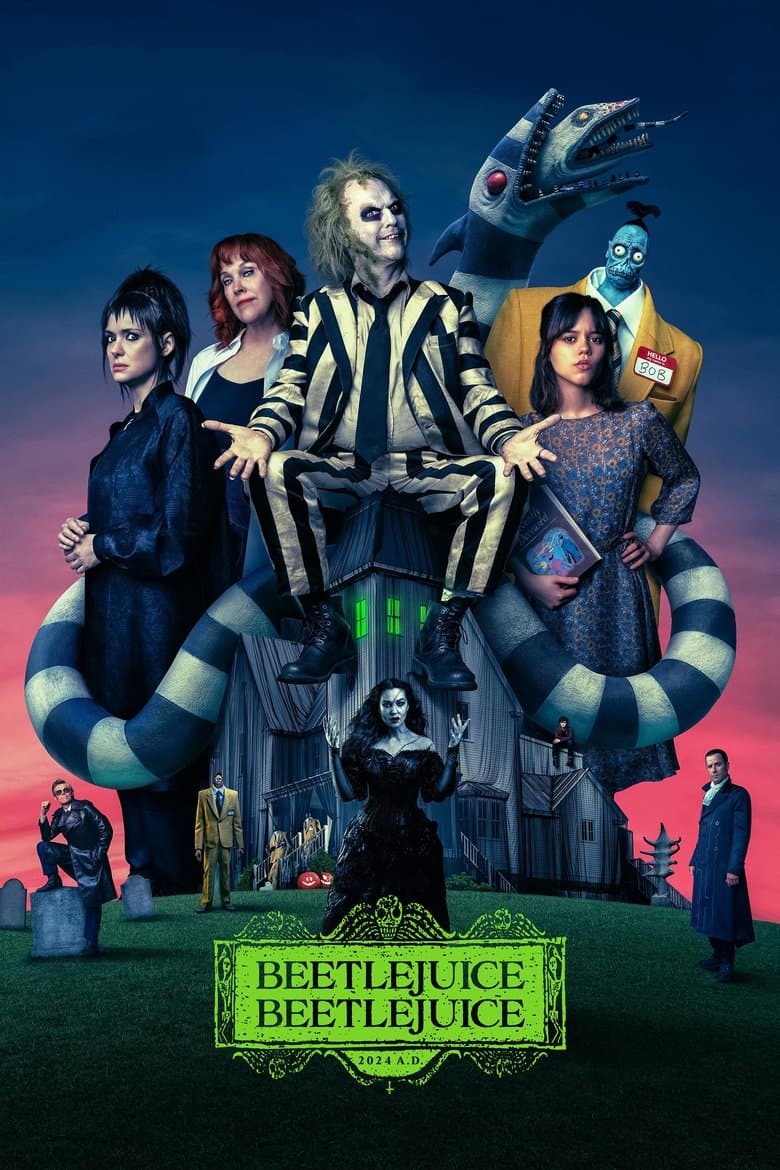
After a family tragedy, three generations of the Deetz family return home to Winter River. Still haunted by Betelgeuse, Lydia's life is turned upside down when her teenage…
Movie · 2018
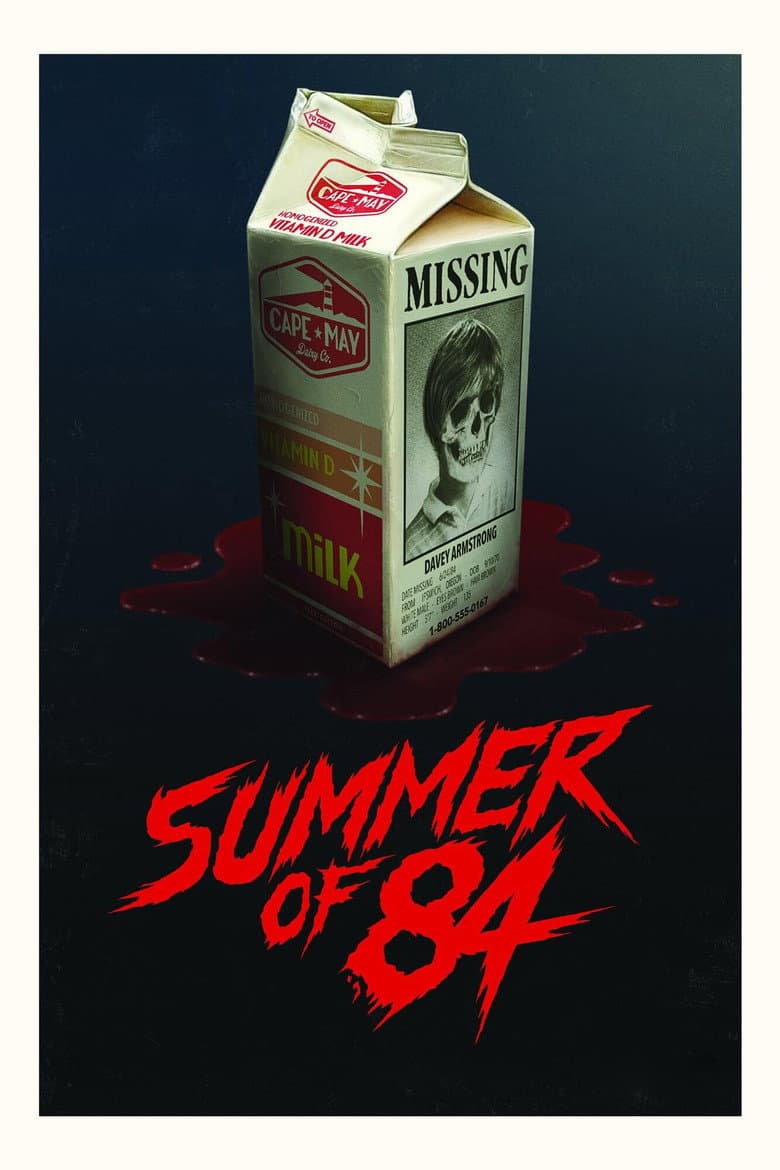
After suspecting that their police officer neighbor is a serial killer, a group of teenage friends spend their summer spying on him and gathering evidence, but as they get closer…

Movie · 2016
A struggling painter is possessed by satanic forces after he and his young family move into their dream home in rural Texas.

Movie · 2020
At the height of the Cold War, a Soviet spacecraft crash lands after a mission gone awry, leaving the commander as its only survivor.
