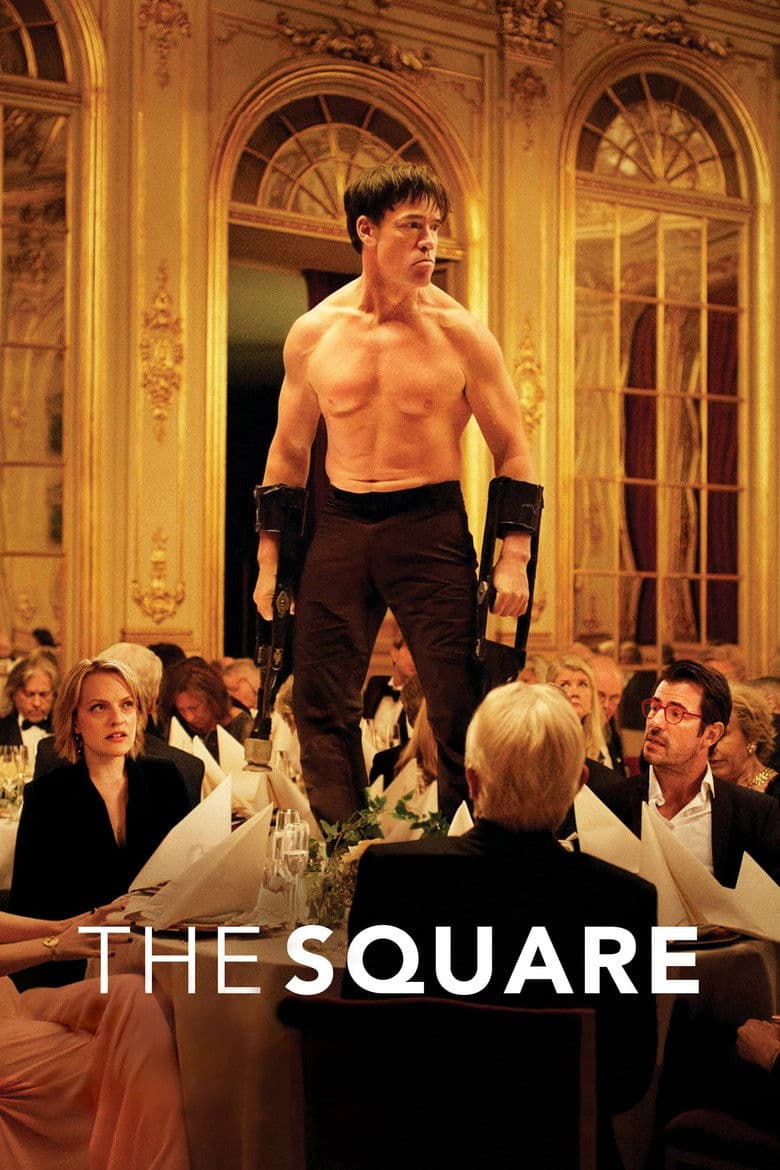
The film follows Christian, the chief curator of a famous modern art museum in Stockholm. He prepares an exhibit called The Square, which promises a safe place where strangers will trust each other and share responsibility. After his phone and wallet are stolen, Christian sends a threatening letter to every home in an apartment block and wrongly harms a young boy. His guilt, broken family life, casual sex, and work troubles unfold in a cold and uneasy satire.
The exhibit gives the story a clear message about equal rights, shared duties, and care for people outside wealthy museum circles. Christian keeps failing those ideals when he meets poor people and faces the Arab boy whose family he accused. The film questions the power of rich white men, male pride, liberal guilt, and public kindness that hides private selfishness. It also shows a female journalist and a museum world that talks about inclusion while often protecting its own comfort.
Community feedback
Was our 52% Woke rating accurate?
Breakdown
These are the editorial factors and ratings behind our score for The Square.
Woke representation / casting
Not present. The film includes a black museum assistant, an Arab boy, and a female journalist, but it does not make casting a diversity statement. The roles fit a modern Stockholm setting and do not form a representation-first pattern.
0%
Woke political dialogue
The exhibit speech says people have equal rights and obligations and should help anyone who asks for help. The PR team names women, disabled people, racialized people, and LGBTQ people as vulnerable groups that draw online attention. The characters also discuss far-right politicians, political correctness, free speech, and social responsibility. The film often makes this language sound hollow or self-serving, but the dialogue still puts modern identity and activist ideas on screen.
38%
Identity-driven story themes
The story centers on a museum project that asks strangers to trust one another and share duties. Christian repeatedly fails that test when he targets a poor neighborhood, harms an Arab boy, ignores a homeless woman’s request, and protects his own status. The film places his behavior beside wealth, race, male power, liberal guilt, and public kindness. These ideas recur through his work crisis, family life, and moral collapse, although the film also mocks the people who promote them.
48%
Western institutional / cultural critique
The film repeatedly attacks the wealthy modern art world, its empty jargon, and its habit of turning moral ideas into display pieces. The museum praises inclusion and shared duty while its leaders overlook poor people and protect their own comfort. Christian is shown as a powerful man who uses women, assistants, and strangers while trying to look decent. The film also questions political correctness, free speech, media outrage, and liberal guilt, but it mocks progressive and conservative behavior rather than giving a simple party message.
49%
Woke character or canon changes
Not relevant. The film is an original story and does not rewrite a known character, source, or real historical figure around race, gender, or sexuality. Its alternate Sweden removes the monarchy, but that is a setting choice rather than an identity change.
0%
Anti-woke backlash and complaints
Not present. No sustained anti-woke complaints, boycott, review-bombing, or organized campaign was found. Right-leaning praise and one low-reach audience comment about “woke” openness did not become backlash.
0%
Creator track record context
Ruben Östlund has a repeated record of satirizing class, privilege, masculinity, social pressure, race, and liberal self-image. His films often question how wealthy or progressive people perform goodness while keeping their power. He has discussed social prejudice and Marxist ideas, but he also attacks conservative and progressive behavior. The Square matches this pattern through its focus on a liberal museum, social duty, and a powerful white man.
50%
Production
Movie · 2023
The true story of the inseparable Von Erich brothers, who made history in the intensely competitive world of professional wrestling in the early 1980s.
Movie · 2025
Diagnosed with Tourette Syndrome at 15, John Davidson navigates his way against the odds through troubled teenage years and into adulthood, finding inspiration in the kindness of…
Movie · 2022
A quiet, neglected girl is sent away from her dysfunctional family to live with relatives for the summer. She blossoms in their care, but in this house where there are meant to be…
Movie · 2022
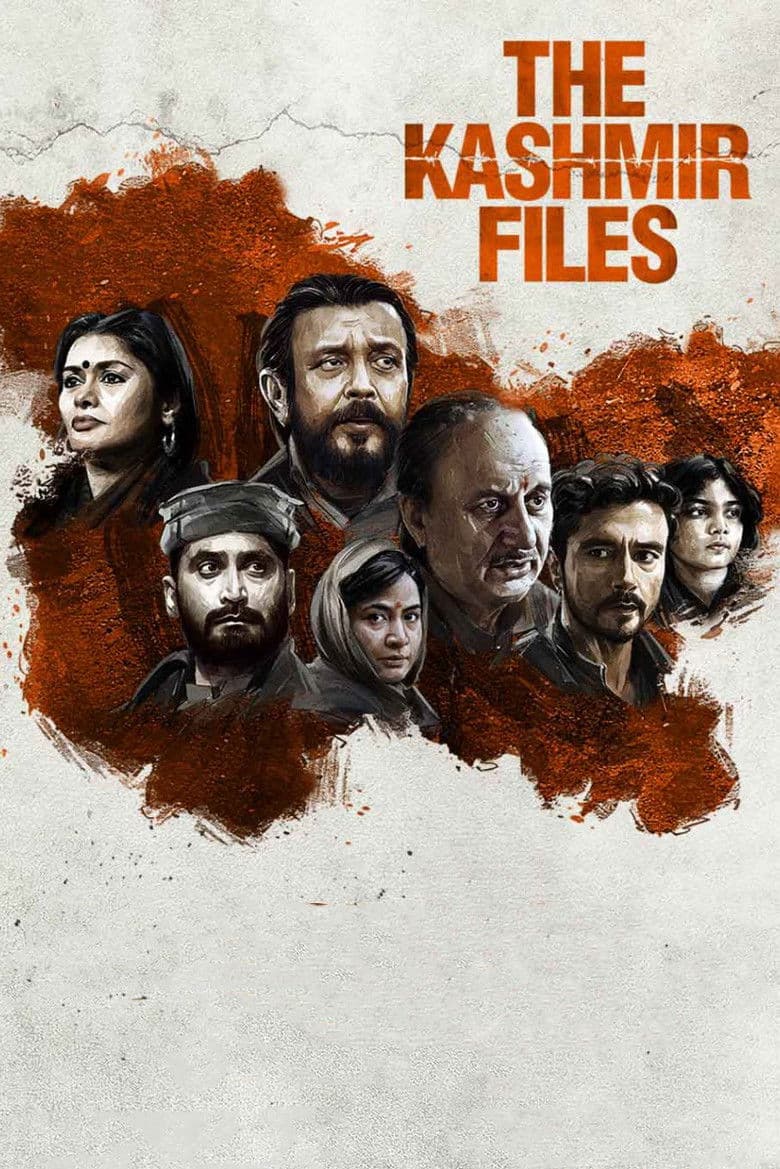
Based on a true tragedy, the emotionally triggering film sheds light on the plight of Kashmiri Pandits (Hindus), a religious minority in the 1990s Kashmir valley, who were…
Movie · 2023
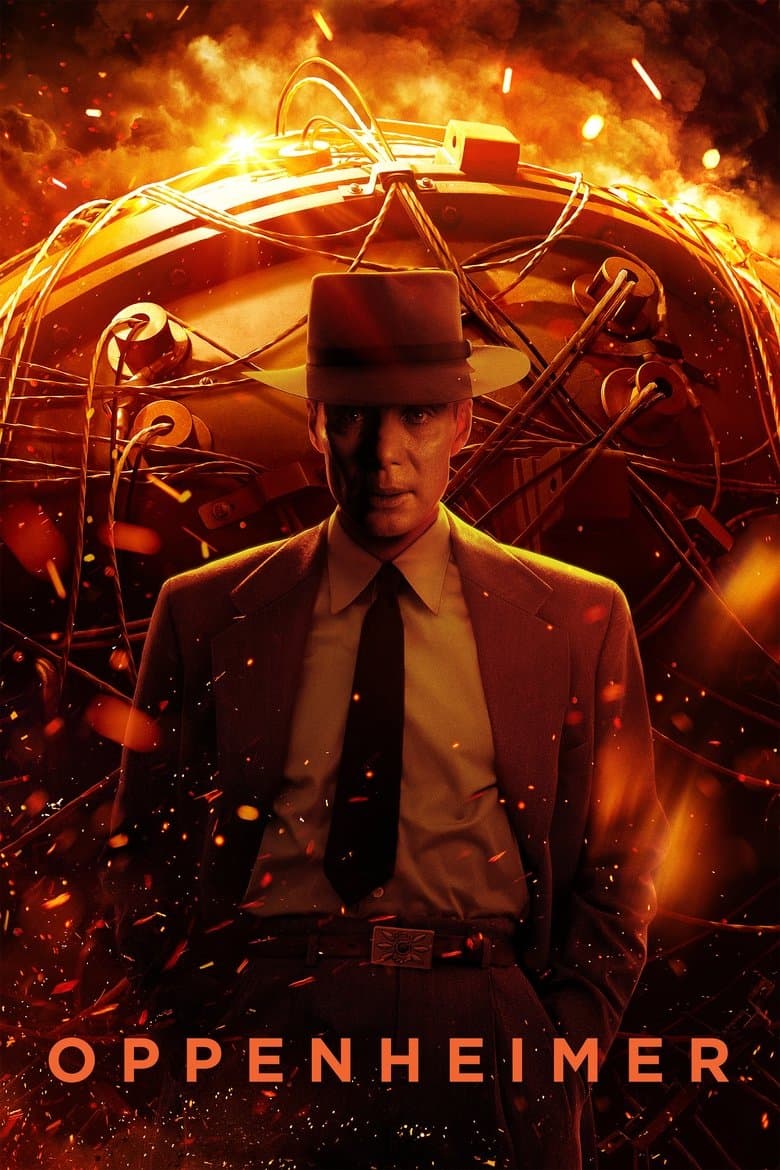
The story of J. Robert Oppenheimer's role in the development of the atomic bomb during World War II.
Movie · 2016
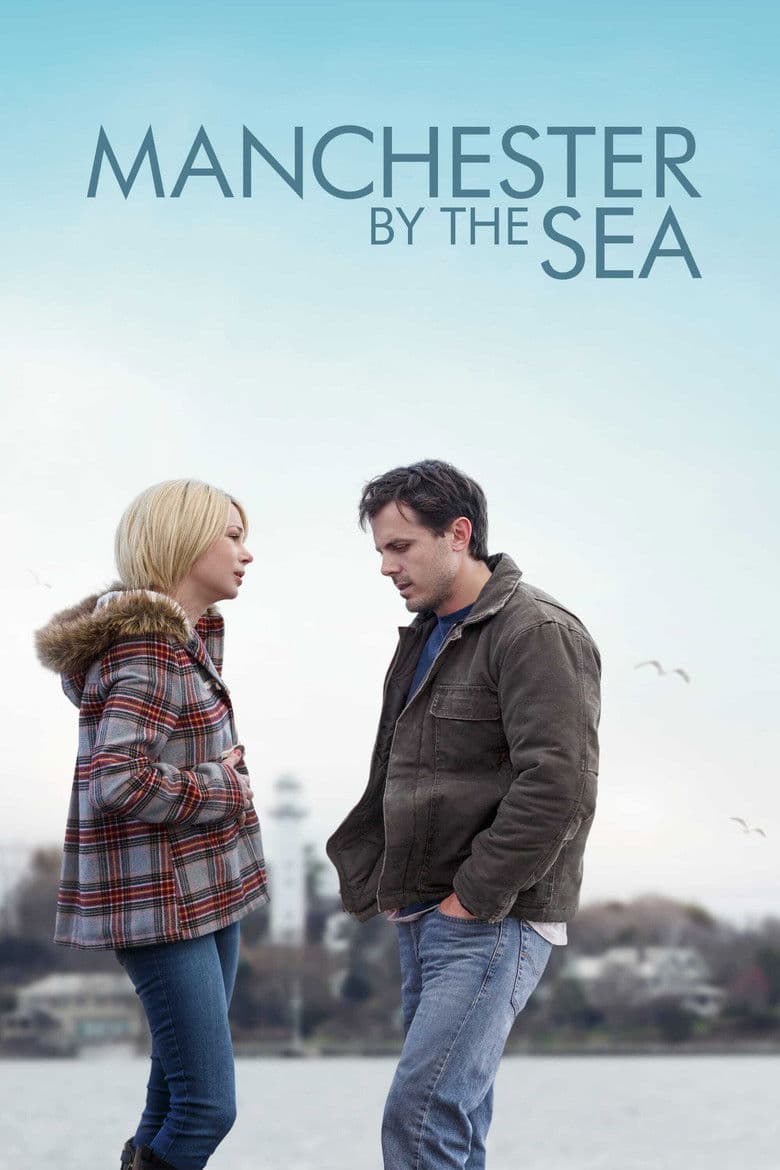
After his older brother passes away, Lee Chandler is forced to return home to care for his 16-year-old nephew.
Movie · 2025
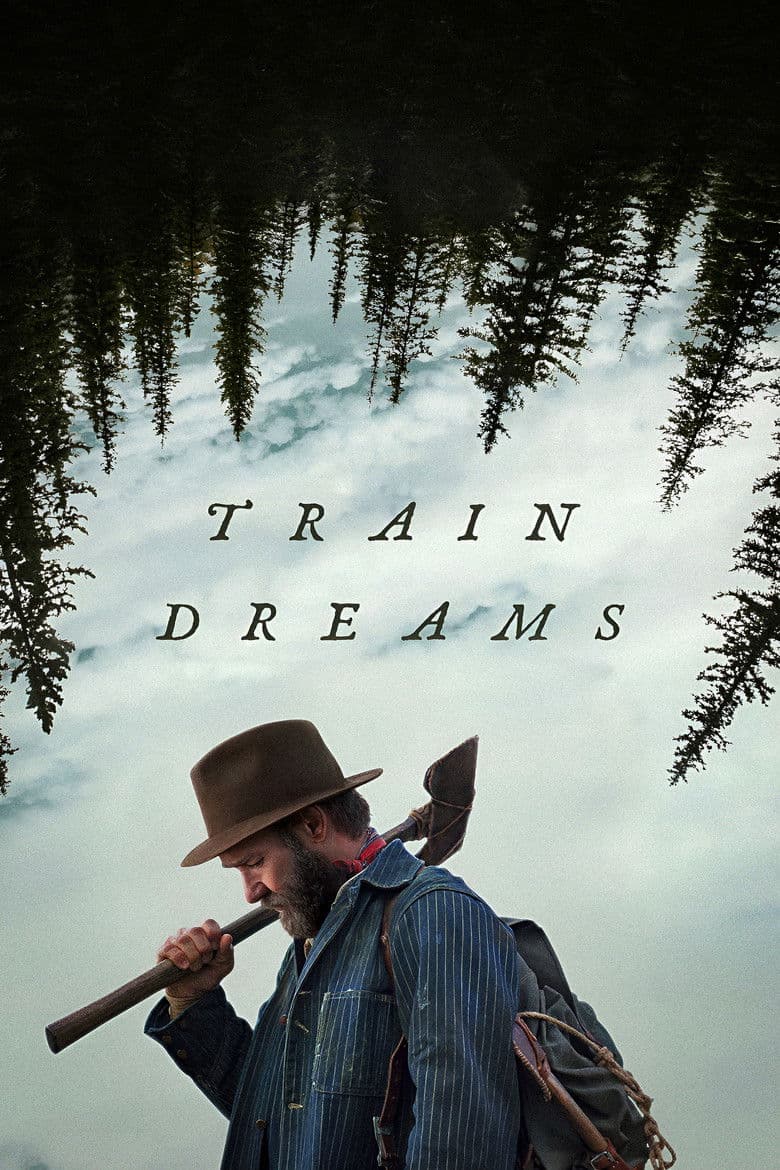
A logger leads a life of quiet grace as he experiences love and loss during an era of monumental change in early 20th-century America.
Movie · 2019
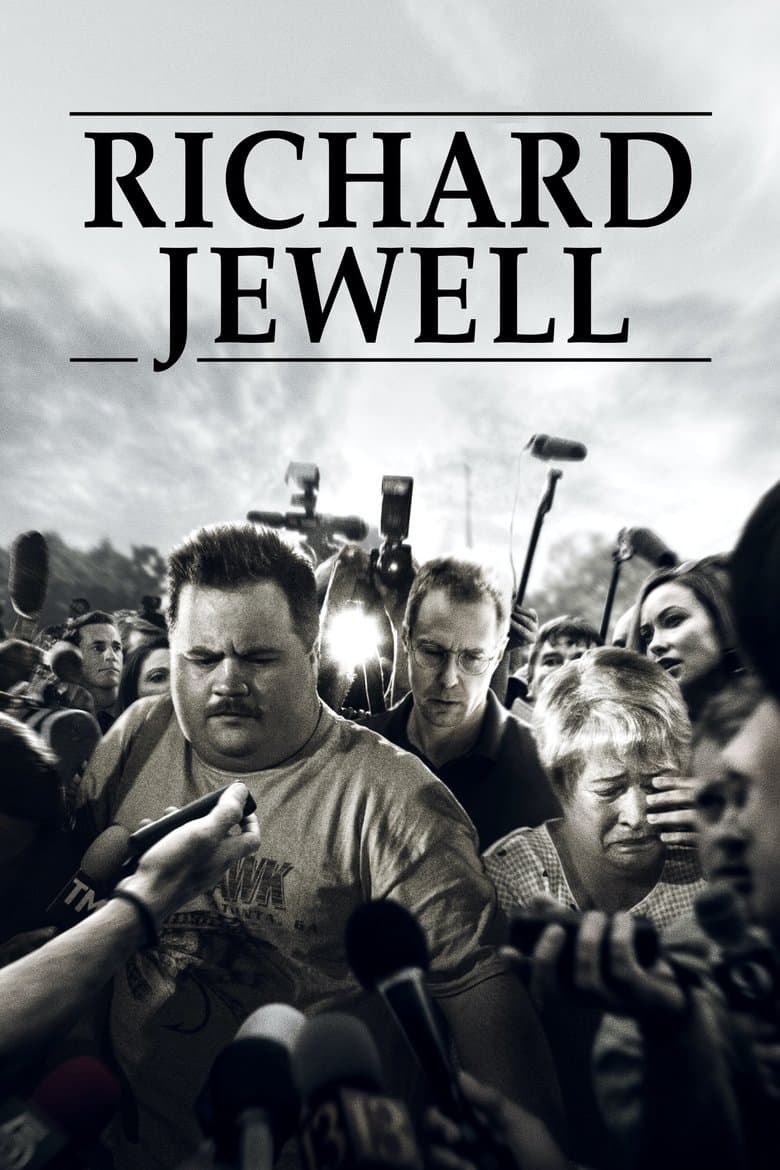
Richard Jewell thinks quick, works fast, and saves hundreds, perhaps thousands, of lives after a domestic terrorist plants several pipe bombs and they explode during a concert…
