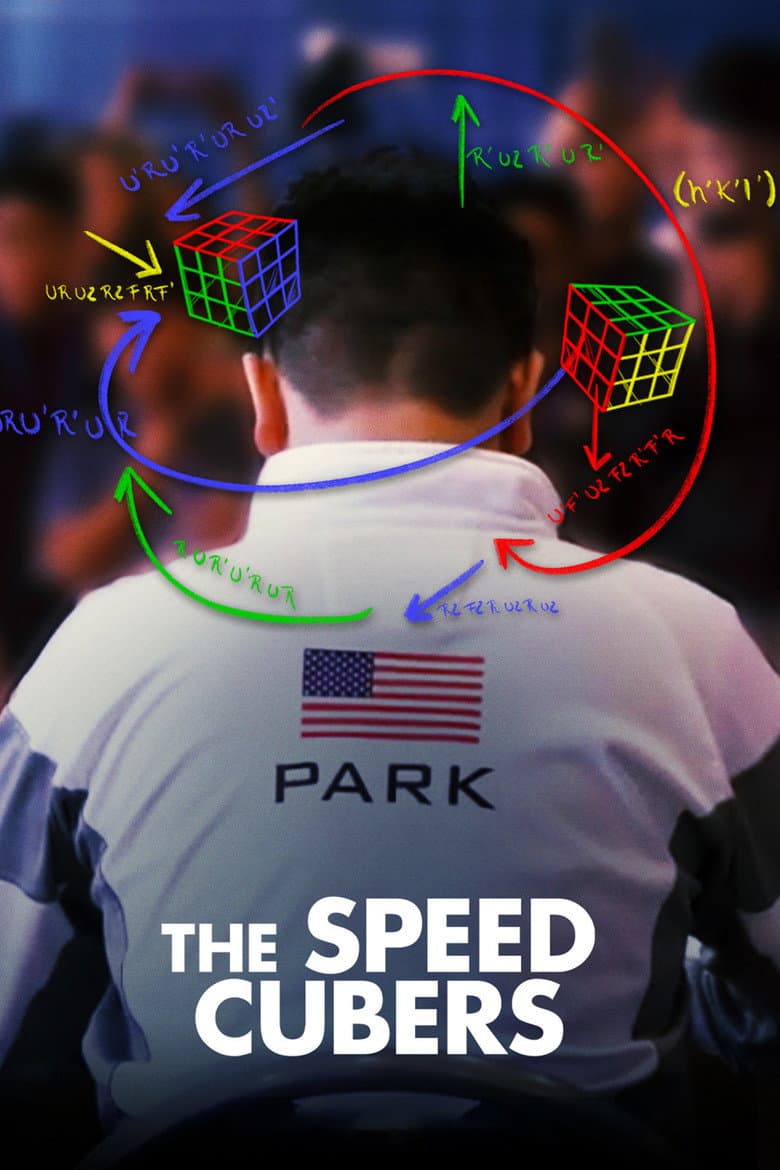
The Speed Cubers is a 40-minute documentary about Max Park and Feliks Zemdegs, two world-class Rubik’s Cube solvers. Max is a young Californian who has autism, while Feliks is an older Australian champion who once ruled the sport. The film follows their rivalry through the 2019 world championship as Max breaks records and Feliks faces a changing place in the sport. The tone is warm, tense, and emotional, with fast contest scenes giving way to a close look at friendship.
Max’s autism is a major part of the story, because his parents used cubing to build his hand skills and help him learn social habits. The film shows competitions teaching him how to wait, meet people, handle pressure, and accept loss. Feliks becomes a friend and mentor who supports Max even when Max beats his records. The documentary presents the cubing world as an open community that accepts Max, so disability representation and inclusion are clear themes, but the film does not turn them into a wider political argument.
Community feedback
Was our 39% Woke rating accurate?
Breakdown
These are the editorial factors and ratings behind our score for The Speed Cubers.
Woke representation / casting
Not present. The film follows real competitors rather than choosing fictional actors for identity reasons. It does not present a representation-first casting choice.
0%
Woke political dialogue
Not present. The film has no modern political speeches or repeated lines about DEI, gender roles, or activist causes. Interviews discuss Max’s autism and competition, but they describe his life rather than argue for a political program.
0%
Identity-driven story themes
Max Park’s autism shapes the documentary’s main personal story. His parents explain how cubing helped build his hand skills and social habits. The film shows competitions teaching Max how to wait, meet people, handle pressure, and accept loss. Feliks becomes a friend and mentor who supports Max inside a community that accepts him.
55%
Western institutional / cultural critique
Not present. The documentary does not attack family, religion, business, or Western institutions. It shows parents and the cubing community as helpful.
0%
Woke character or canon changes
Not relevant. The documentary records real people and a real competition. It does not change a known fictional character, source story, or historical event for identity reasons.
0%
Anti-woke backlash and complaints
One small review objected to a young spectator’s feminist shirt and called it an ideological insert. One audience review also said the film had an agenda because it focused on friendship over competition, but it did not clearly connect that complaint to woke politics. The backlash is limited, while most reviews and cubing viewers reacted warmly.
10%
Creator track record context
Sue Kim has a moderate representation-focused track record, with past work on cultural identity, women, and social impact. Her interviews about this film use the ideas of inclusion, integration, and gentler male friendship. Phil Yu has a stronger Asian-American representation record, but most other listed producers have little public activist history. This is meaningful supporting context, not a partisan campaign.
45%
Production
Movie · 2022
Cat experts dive into the mind of the feline to reveal the true capabilities of the pouncing pet in this captivating and cuddly documentary.
Movie · 2022
Does infinity exist? Can we experience the Infinite? In an animated film (created by artists from 10 countries) the world's most cutting-edge scientists and mathematicians go in…
Movie · 2022
Using unprecedented Olympic footage and behind-the-scenes material, The Redeem Team tells the story of the US Olympic Men's Basketball Team’s quest for gold at the 2008 Olympic…
Movie · 2024
A raw and honest behind-the-scenes look at the iconic superstar's struggle with a life-altering illness. Serving as a love letter to her fans, this inspirational documentary…
Movie · 2016
Andrew Dominik's One More Time With Feeling is a remarkable black and white documentary which chronicles the creation of Nick Cave & The Bad Seeds' album Skeleton Tree.
Movie · 2019
He promised supermodels and yachts, but delivered tents and cheese sandwiches. How one man engineered a music festival disaster.
Movie · 2019
The successes and failures of a couple determined to live in harmony with nature on a farm outside of Los Angeles are lovingly chronicled by filmmaking farmer John Chester, in…
Movie · 2022
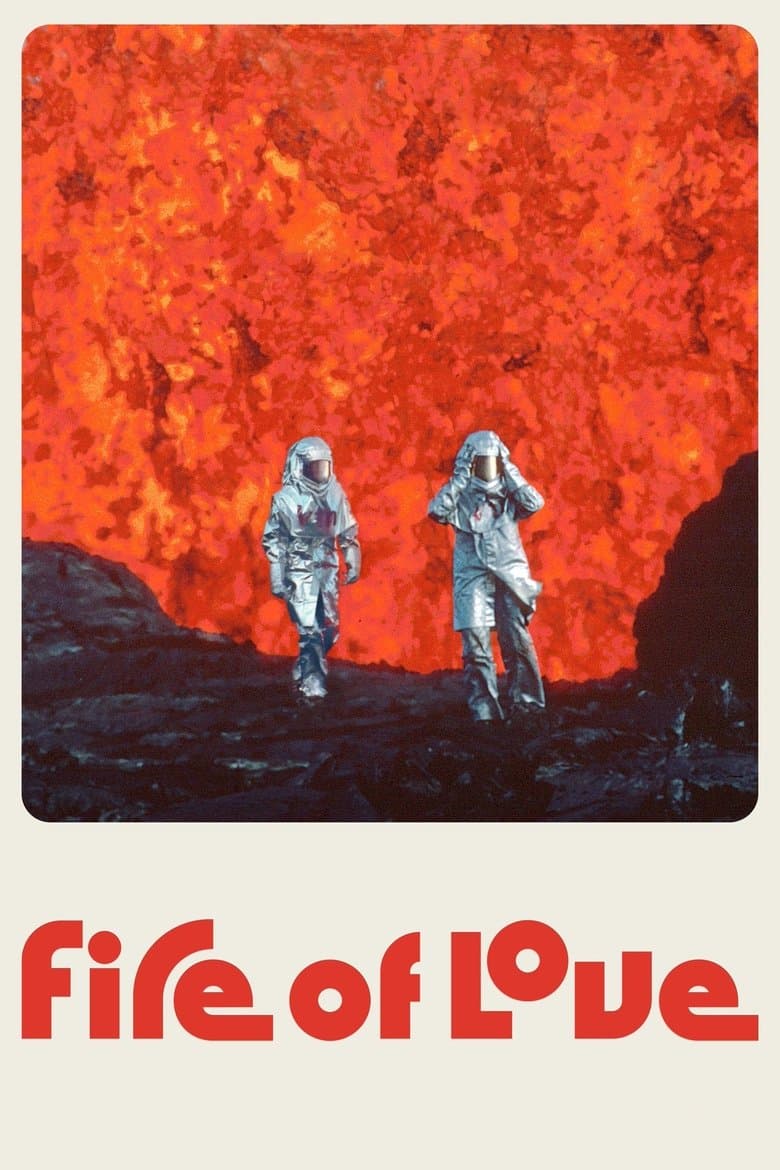
A doomed love triangle between intrepid French scientists Katia and Maurice Krafft, and their beloved volcanoes.
