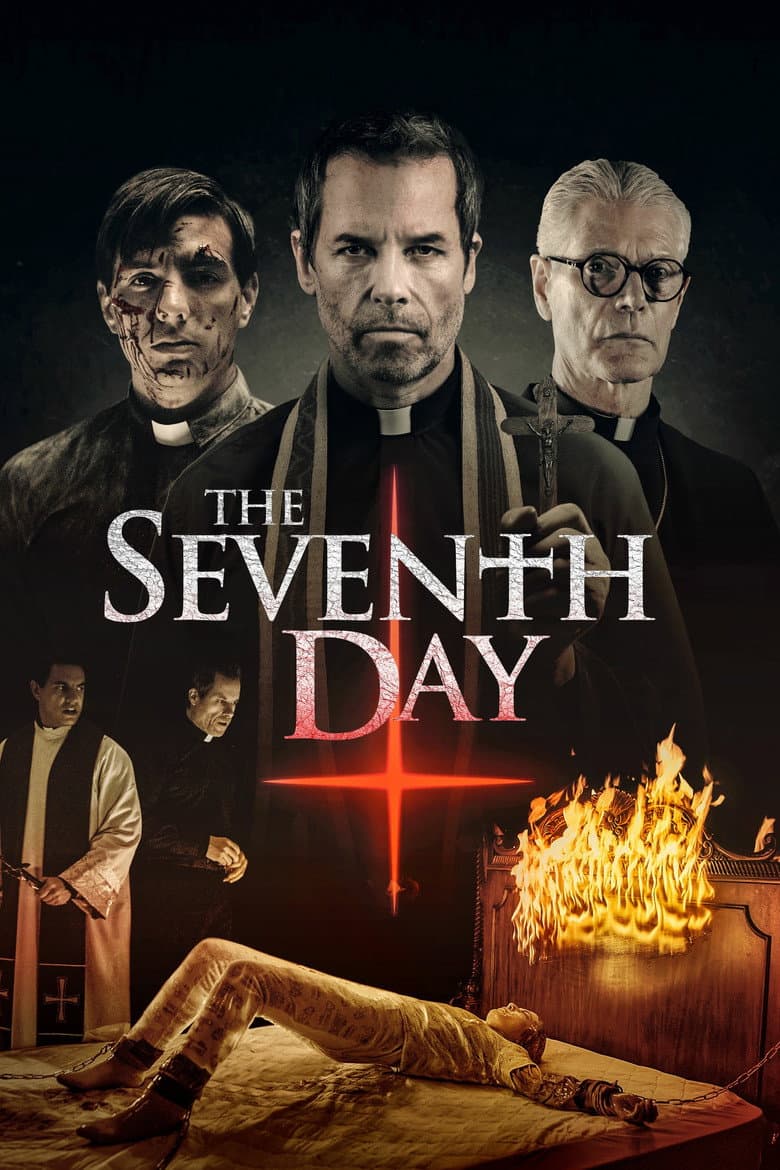
The Seventh Day follows Father Daniel Garcia, a new Catholic priest on his first day as an exorcist. The archbishop sends him across present-day New Orleans with Father Peter Costello, a skilled but bitter priest who trains him in secret. They investigate Charlie, a boy accused of killing his family and possibly controlled by a demon. A flashback to 1995 shows the exorcism that left Peter full of guilt. The film uses a grim horror tone with prayers, visions, violent deaths, and a final fight over the boy's soul.
The film's main social theme is that church leaders can hide serious wrongdoing. The Vatican stops teaching exorcism after public failures, but a small group keeps the practice alive in secret. The story also shows an abusive priest near the boy, tying supernatural danger to real harm caused by clergy. The archbishop knows that Peter's former students may be possessed and still asks Daniel to keep the matter inside the leadership. Daniel rejects that plan and chooses to protect the boy while facing the wider danger himself.
Community feedback
Was our 21% Woke rating accurate?
Breakdown
These are the editorial factors and ratings behind our score for The Seventh Day.
Woke representation / casting
Not present. The film presents Mexican, Black, and white priests as ordinary characters in a modern American setting. The movie does not present their identities as a reason for the casting.
0%
Woke political dialogue
Not present. The priests speak about demons, faith, church rules, and duty. They do not deliver modern identity, gender, DEI, or activist lines.
0%
Identity-driven story themes
Not present. The story follows possession, faith, guilt, and church corruption. Race, gender, sexuality, and activist identity do not shape the characters' goals.
0%
Western institutional / cultural critique
The film shows the Vatican stopping exorcism training after public cases. The church then lets a small group keep working in secret. The story links the clergy to an abusive priest and to leaders who hide the danger from the public. Daniel rejects the archbishop's delay, so church leadership becomes a central source of secrecy and moral failure.
38%
Woke character or canon changes
Not relevant. The film is an original exorcism story, so it does not change a known character, source, or historical event.
0%
Anti-woke backlash and complaints
Not present. The separate X check found no anti-woke complaints. Other audience discussion focused on pacing, scares, the twist, and plot logic, not woke or DEI ideas.
0%
Creator track record context
Justin P. Lange's public work is mainly psychological and folk horror, with no clear activist pattern. Guy Pearce has taken some LGBTQ-related and political roles, but his wider career is broad. Most of the other producers and the casting team have no clear identity-driven public work, while one producer has a modest link to an industry program for underrepresented filmmakers. The title's interviews focus on horror craft, guilt, and the veteran-rookie bond.
12%
Production
Movie · 2023
Eight year old Peter is plagued by a mysterious, constant tapping from inside his bedroom wall—one that his parents insist is all in his imagination.
Movie · 2017
Several years after the tragic death of their little girl, a doll maker and his wife welcome a nun and several girls from a shuttered orphanage into their home, soon becoming the…
Movie · 2024
Five years after surviving Art the Clown's Halloween massacre, Sienna and Jonathan are still struggling to rebuild their shattered lives.
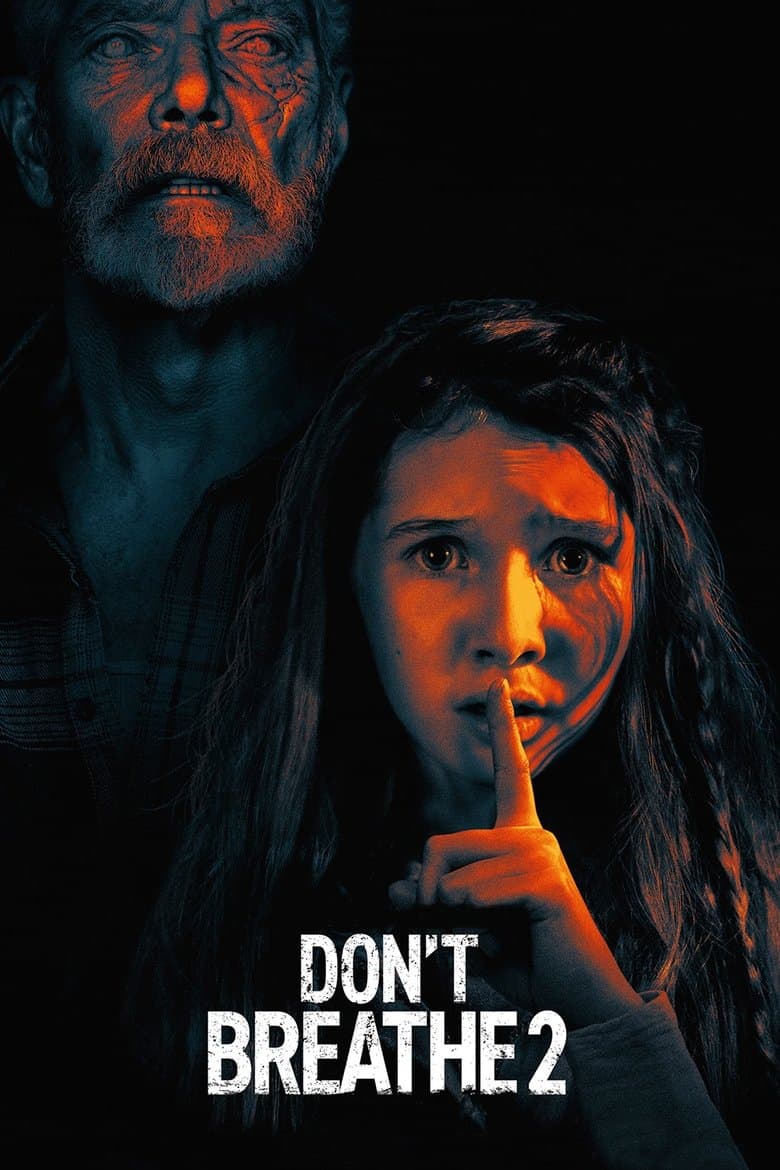
Movie · 2021
The Blind Man has been hiding out for several years in an isolated cabin and has taken in and raised a young girl orphaned from a devastating house fire.
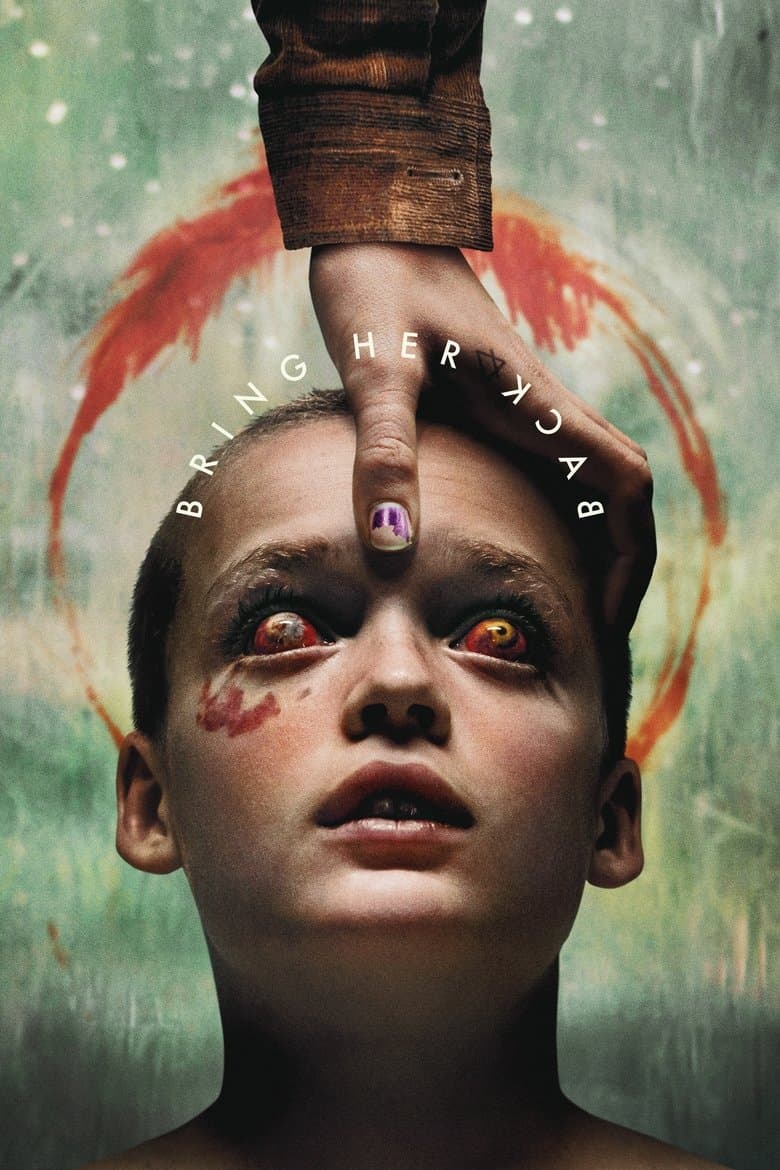
Movie · 2025
Following the death of their father, a brother and sister are sent to live with a foster mother, only to learn that she is hiding a terrifying secret.
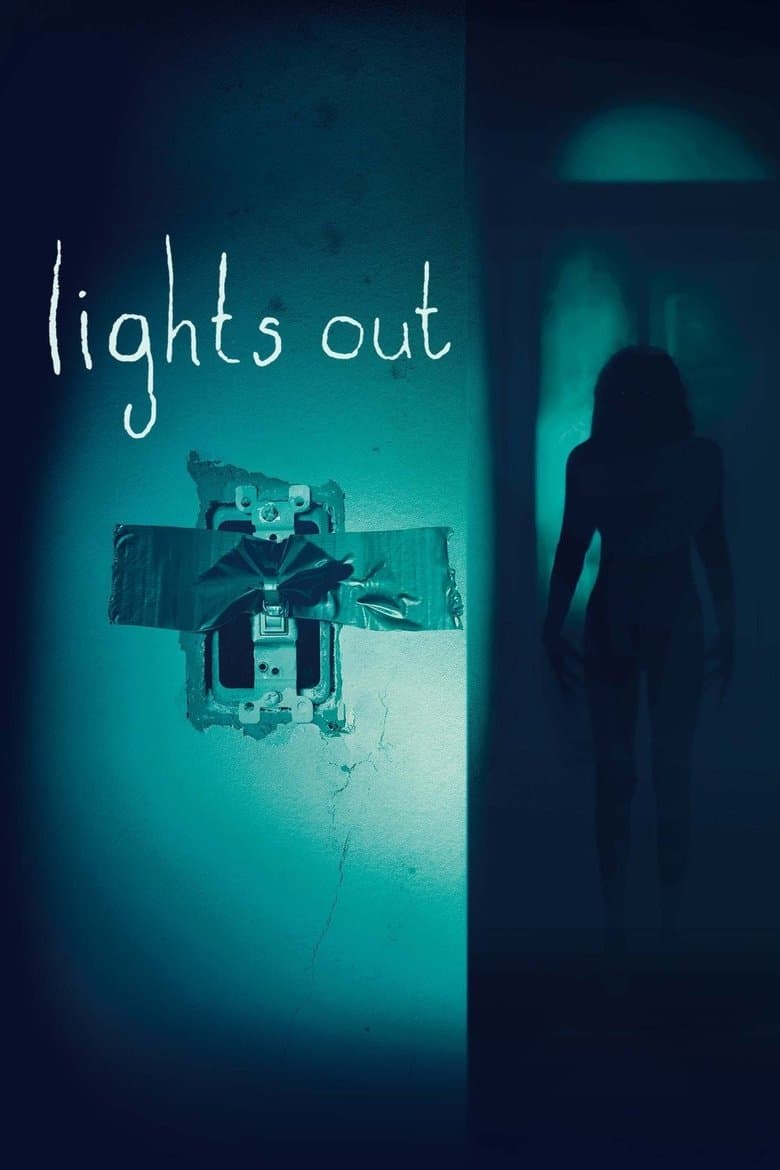
Movie · 2016
Rebecca must unlock the terror behind her little brother's experiences that once tested her sanity, bringing her face to face with a supernatural spirit attached to their mother.
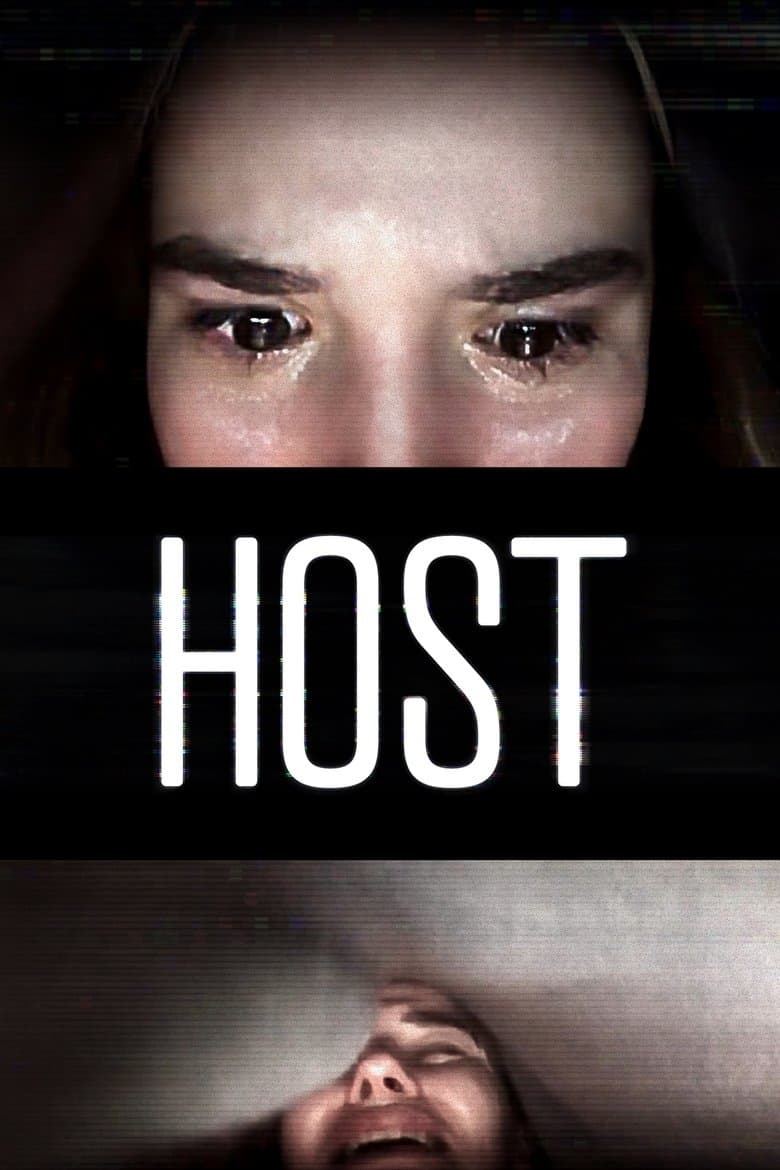
Movie · 2020
Six friends hire a medium to hold a séance via Zoom during lockdown — but they get far more than they bargained for as things quickly go wrong.
Movie · 2024
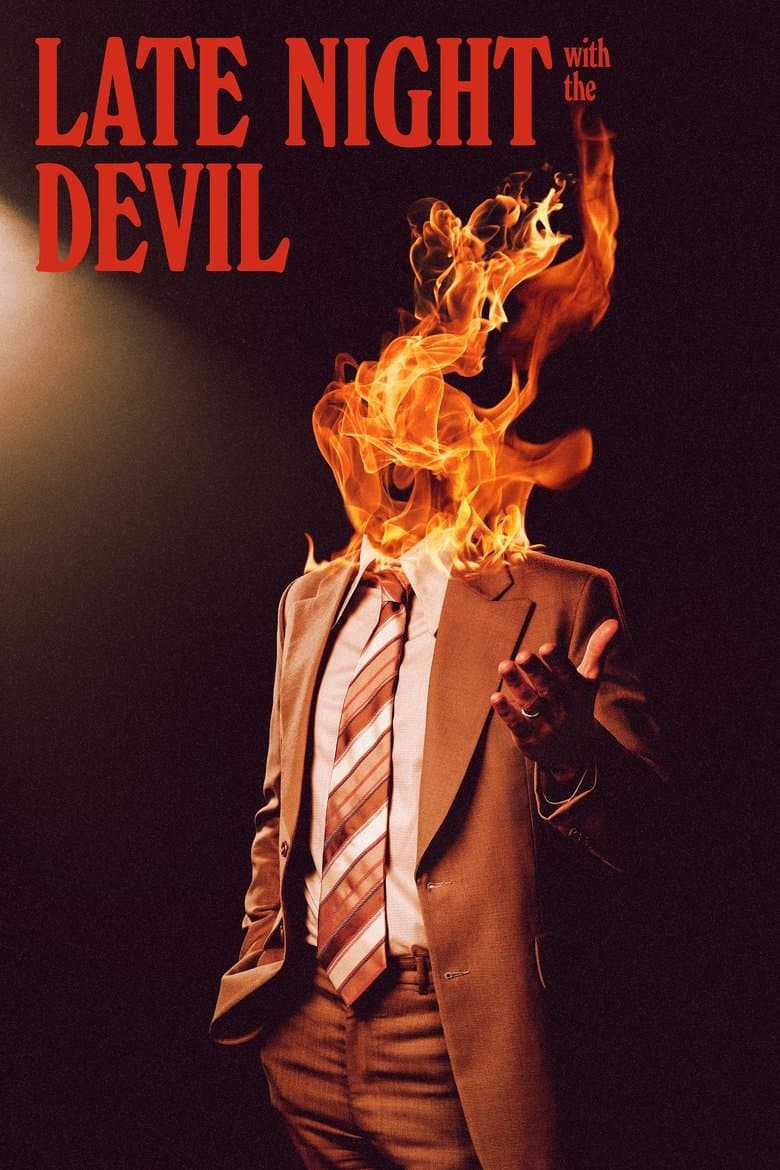
A live broadcast of a late-night talk show in 1977 goes horribly wrong, unleashing evil into the nation's living rooms.
