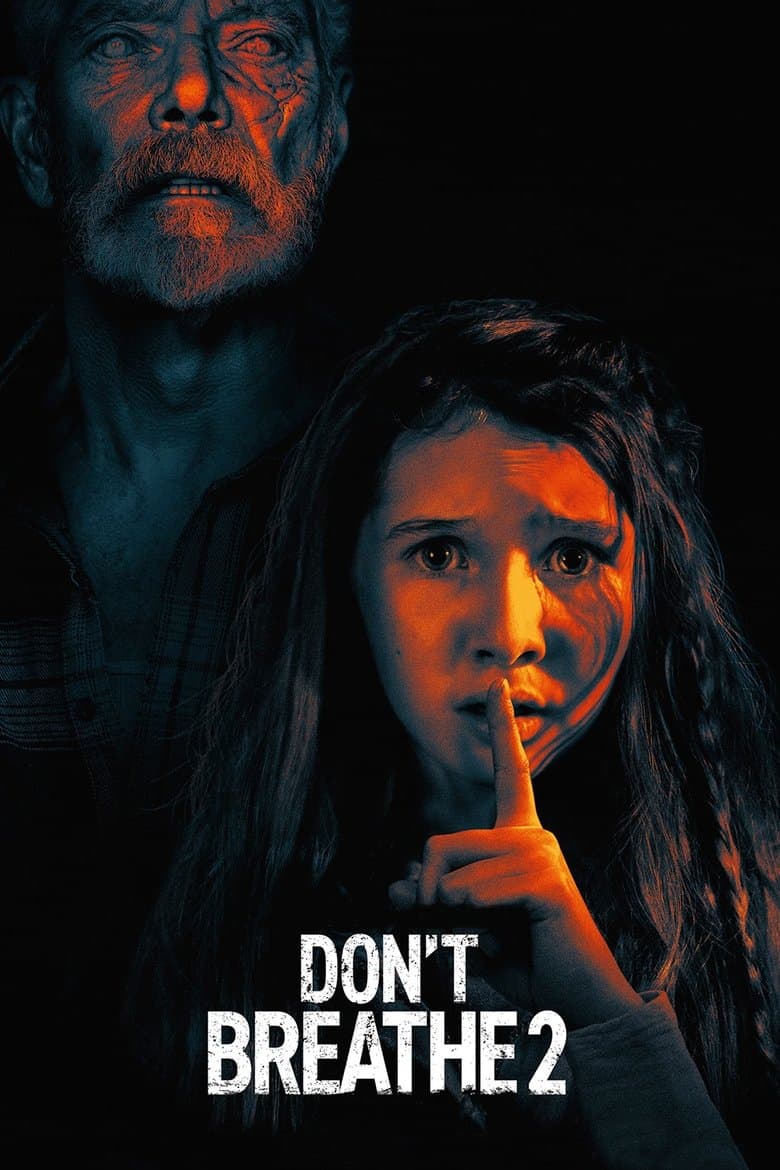
Eight years after the first film, blind Navy SEAL veteran Norman Nordstrom lives outside Detroit with Phoenix, a girl he rescued from a house fire and raised as his daughter. A criminal gang kidnaps her for a horrific organ-harvest plan tied to her biological family. Norman leaves his refuge for a brutal rescue filled with home-invasion violence and survival action. The story centers on personal protection, twisted family bonds, and a dark, contested redemption arc.
The film does not push identity politics or activist messaging. Its real focus is isolation, overprotective parenting, found family versus blood family, survival, and whether a monstrous man can earn partial redemption. Phoenix is capable because of story-driven combat training, not empowerment branding. There is no race, gender, or queer identity plot and no modern social-justice thesis. The father and daughter bond is framed as tough love and late confession, not as a lecture on systemic power.
Community feedback
Was our 2% Woke rating accurate?
Breakdown
These are the editorial factors and ratings behind our score for Don't Breathe 2.
Woke representation / casting
Not present. Lead and central child are white in a contemporary Midwest crime setting. Supporting Latina Army Ranger friend Hernandez is minor and killed early. There is no quota-style ensemble, identity-first marketing, or mismatch-with-world casting pattern.
0%
Woke political dialogue
Not present. Dialogue is survival, family secrets, crime, and confession of past violence with no activist or identity-politics speech.
0%
Identity-driven story themes
Not present. Story is rescue, twisted parentage, organ-theft horror, and dark redemption with no race, gender, or queer identity plot or modern social-justice thesis.
0%
Western institutional / cultural critique
Not present. Does not frame the military, family, Christianity, or Western norms as systemic oppressors. Left criticism actually calls the film harsh on women and soft on a male monster.
0%
Woke character or canon changes
Not relevant. Norman’s shift from pure villain to antihero is moral character rehab, not race, gender, sexuality, or DEI rewriting of canon.
0%
Anti-woke backlash and complaints
Not present. Public pushback is about redeeming a rapist and brutality, not claims that the film pushes woke, DEI, or identity politics. No documented anti-woke campaign was found.
0%
Creator track record context
Cached profiles for Álvarez, Sayagues, Raimi, Tapert, and related crew sit in the single-digit to mid-teens range. Their work stays focused on genre filmmaking. There is no clear pattern of identity activism in that track record.
9%
Production
Movie · 2023
Father Gabriele Amorth, Chief Exorcist of the Vatican, investigates a young boy's terrifying possession and ends up uncovering a centuries-old conspiracy the Vatican has…
Movie · 2021
A young couple is pushed to the limits of sanity as they attempt to be reunited amid the chaos of a pandemic outbreak.

Movie · 2025
Four years after defeating The Grabber, Finney Blake is struggling with life after captivity. When his younger sister Gwen begins receiving calls in her dreams from the Black…

Movie · 2024
After raising an unnervingly talented spider in secret, 12-year-old Charlotte must face the truth about her pet and fight for her family's survival.

Movie · 2016
A group of teens break into a blind man's home thinking they'll get away with the perfect crime. They're wrong.
Movie · 2026
College student Lucy and her friends spend their vacation at her family's home in Hawaii, which includes her pet chimpanzee, Ben.

Movie · 2025
Two parents enter a race against time when they receive a distressing late-night phone call from their daughter after she caused a tragic car accident.
Movie · 2024
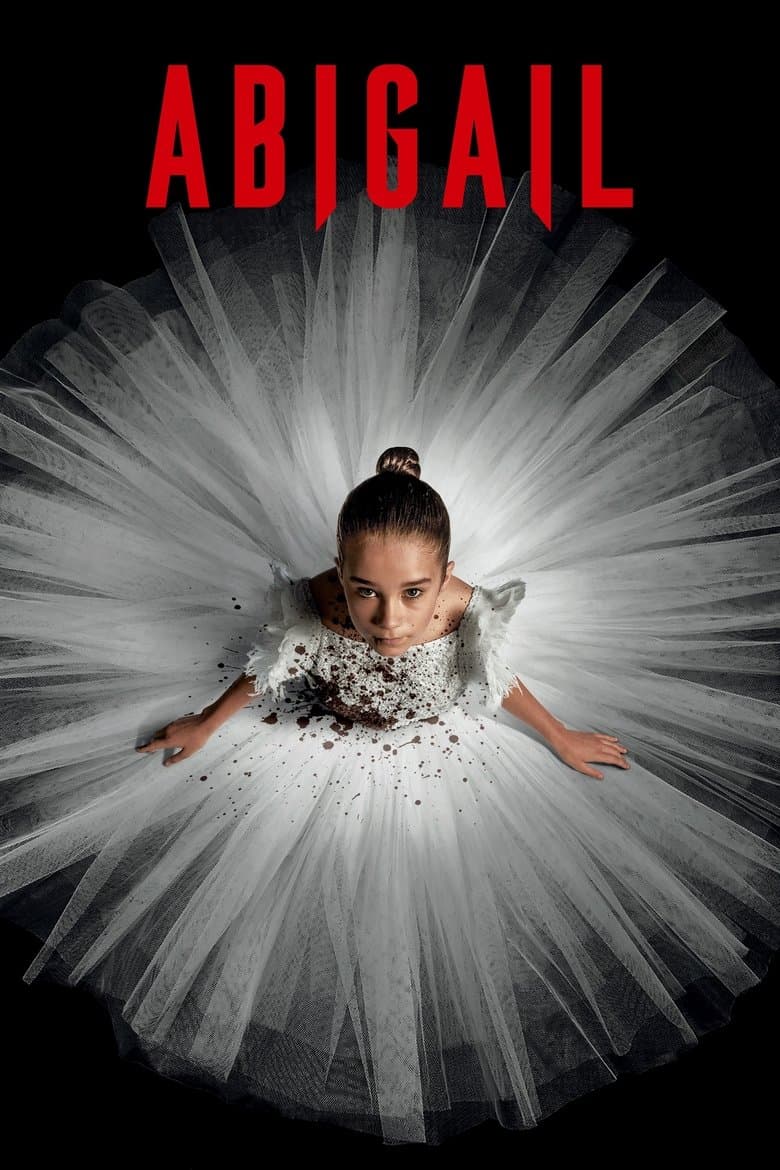
A group of criminals kidnap a teenage ballet dancer, the daughter of a notorious gang leader, in order to obtain a ransom of $50 million, but over time, they discover that she is…
