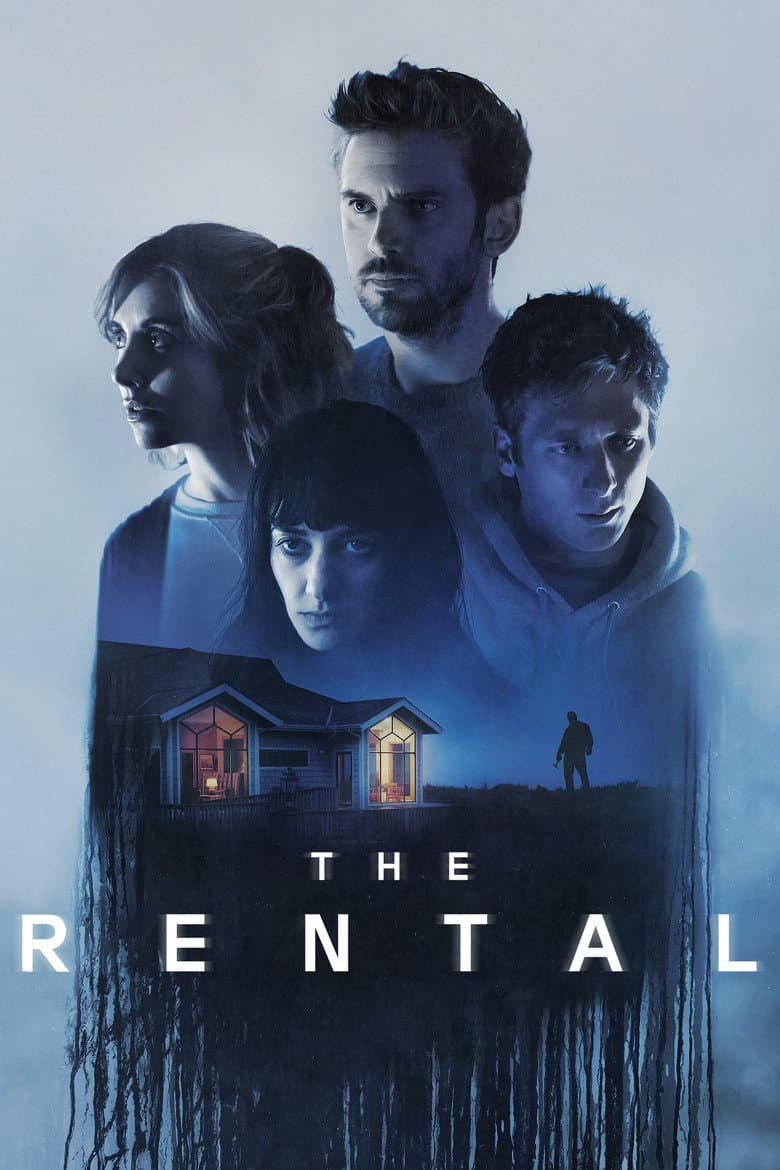
Charlie and Mina are close business partners who plan a weekend at a remote house on the Oregon coast. Charlie brings his wife Michelle, while Mina brings Charlie’s brother Josh, who is her boyfriend. A night of drugs leads Charlie and Mina into an affair that could break both couples. Mina then finds a hidden shower camera, and the group blames the uneasy caretaker. A masked killer turns their fear and secrets into a grim fight to survive.
Mina is Iranian-American, and she says the caretaker rejected her booking because he saw her name. Charlie got the same house soon after, so Mina calls out the caretaker and says he may be racist. The other friends do not fully support her claim, which adds a clear theme about subtle bias. This issue helps the group suspect the wrong man, but it does not control the full movie. The main story stays focused on cheating, spying, fear, and random violence.
Community feedback
Was our 38% Woke rating accurate?
Breakdown
These are the editorial factors and ratings behind our score for The Rental.
Woke representation / casting
Mina is an Iranian-American woman and one of the four equal leads. The movie presents her as a confident and successful business owner beside three white characters. Her identity gets direct story weight through the denied booking and her claim of racial bias. Interviews also presented the role as meaningful Middle Eastern representation.
34%
Woke political dialogue
Mina says the caretaker may have rejected her because of her Iranian last name. She directly asks Taylor why Charlie was accepted soon after she was denied. The friends discuss whether Taylor is racist and whether Mina is judging him too quickly. This dialogue is clear but mainly stays in the early part of the movie.
26%
Identity-driven story themes
Mina’s Iranian identity shapes her first conflict with Taylor. Her fear of subtle racism makes the group more willing to suspect him of spying. The story also shows her frustration when her white friends do not fully accept her view. This theme affects the setup but does not drive the final killer story.
30%
Western institutional / cultural critique
The movie uses an online rental booking to raise the issue of possible name-based bias. Mina believes the service allowed a caretaker to reject her without a fair reason. Her friends partly dismiss her concern, which adds a small critique of how subtle racism is treated. The movie does not build this into a broad attack on Western society.
21%
Woke character or canon changes
Not relevant. The film tells an original story and does not change established characters or real events.
0%
Anti-woke backlash and complaints
One local arts review said the opening tries to be culturally woke. Another small review complained about flat identity politics. A few audience comments also objected to Mina quickly accusing Taylor of racism. Most public discussion focused on the pace, ending, and killer, so this complaint stayed fringe.
14%
Creator track record context
Cached creator data gives Dave Franco a low score of 12 and Mike Demski a score of 0. Joe Swanberg has a moderate score of 50 after speaking about using more varied casts. Most producers score between 6 and 24. Elizabeth Haggard is the main outlier at 72 because her work often centers black and female stories.
22%
Production
Movie · 2024
A group of criminals kidnap a teenage ballet dancer, the daughter of a notorious gang leader, in order to obtain a ransom of $50 million, but over time, they discover that she is…
Movie · 2021
The Blind Man has been hiding out for several years in an isolated cabin and has taken in and raised a young girl orphaned from a devastating house fire.
Movie · 2026
College student Lucy and her friends spend their vacation at her family's home in Hawaii, which includes her pet chimpanzee, Ben.
Movie · 2025
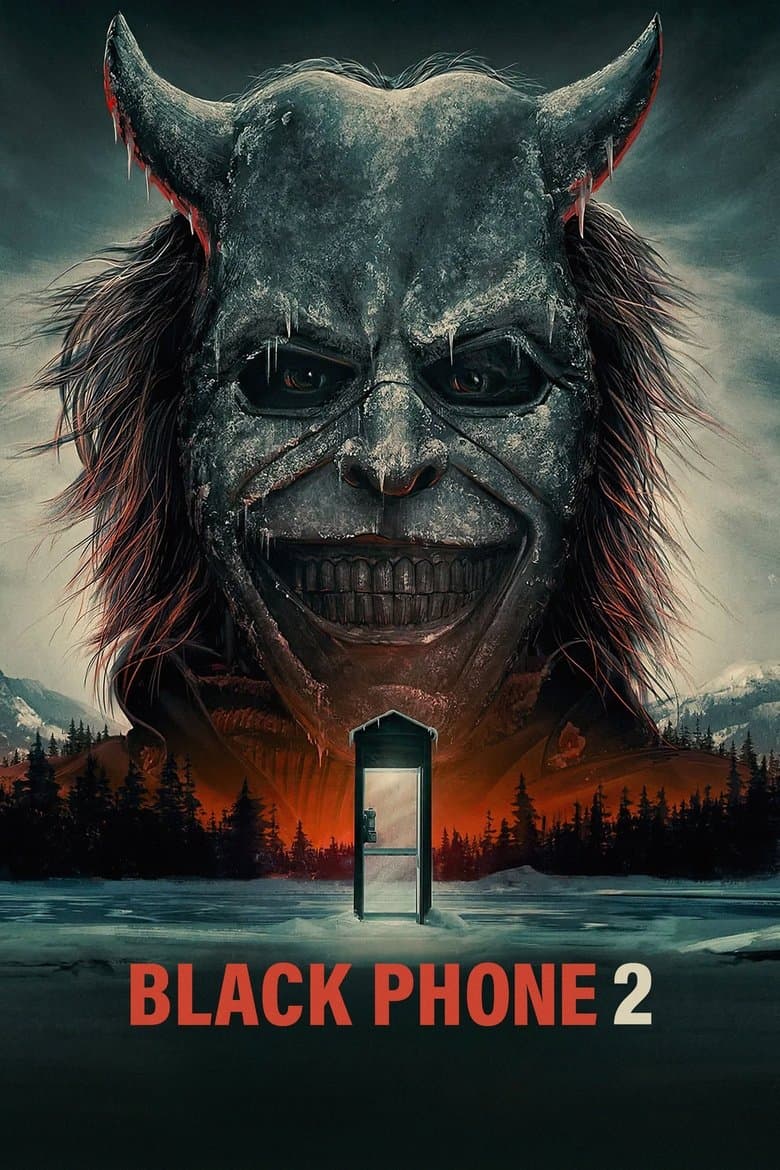
Four years after defeating The Grabber, Finney Blake is struggling with life after captivity. When his younger sister Gwen begins receiving calls in her dreams from the Black…
Movie · 2021
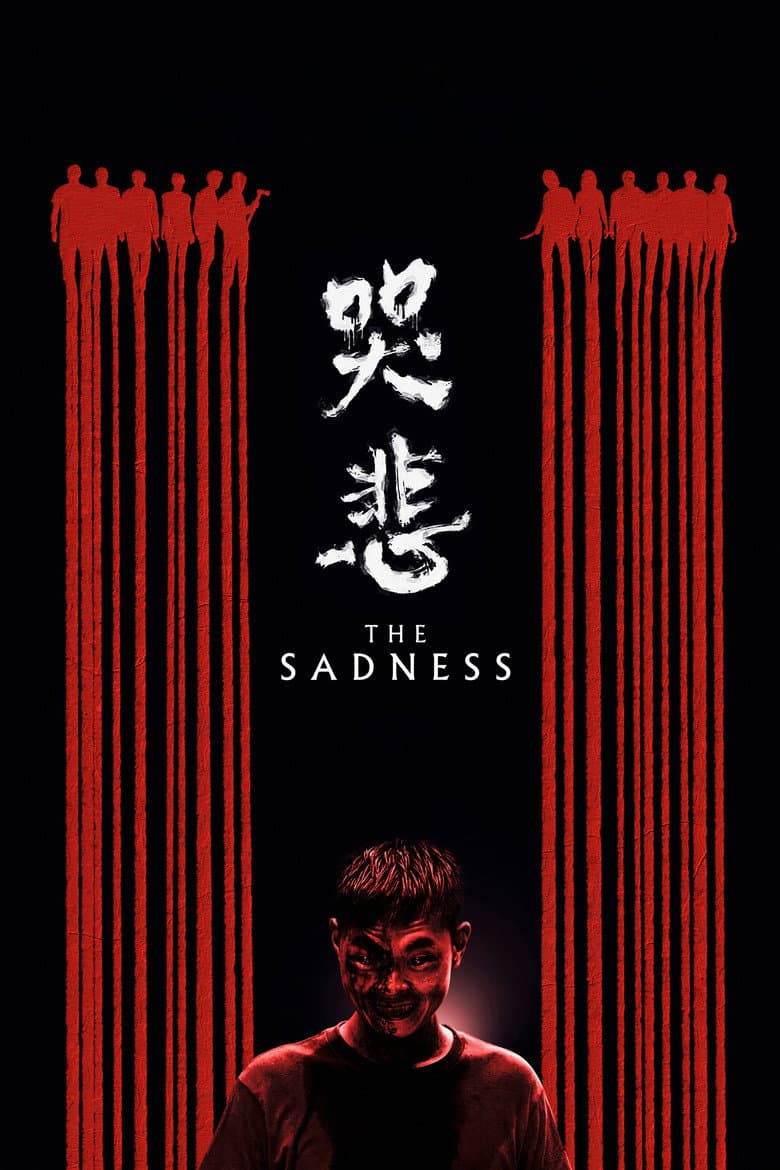
A young couple is pushed to the limits of sanity as they attempt to be reunited amid the chaos of a pandemic outbreak.
Movie · 2025
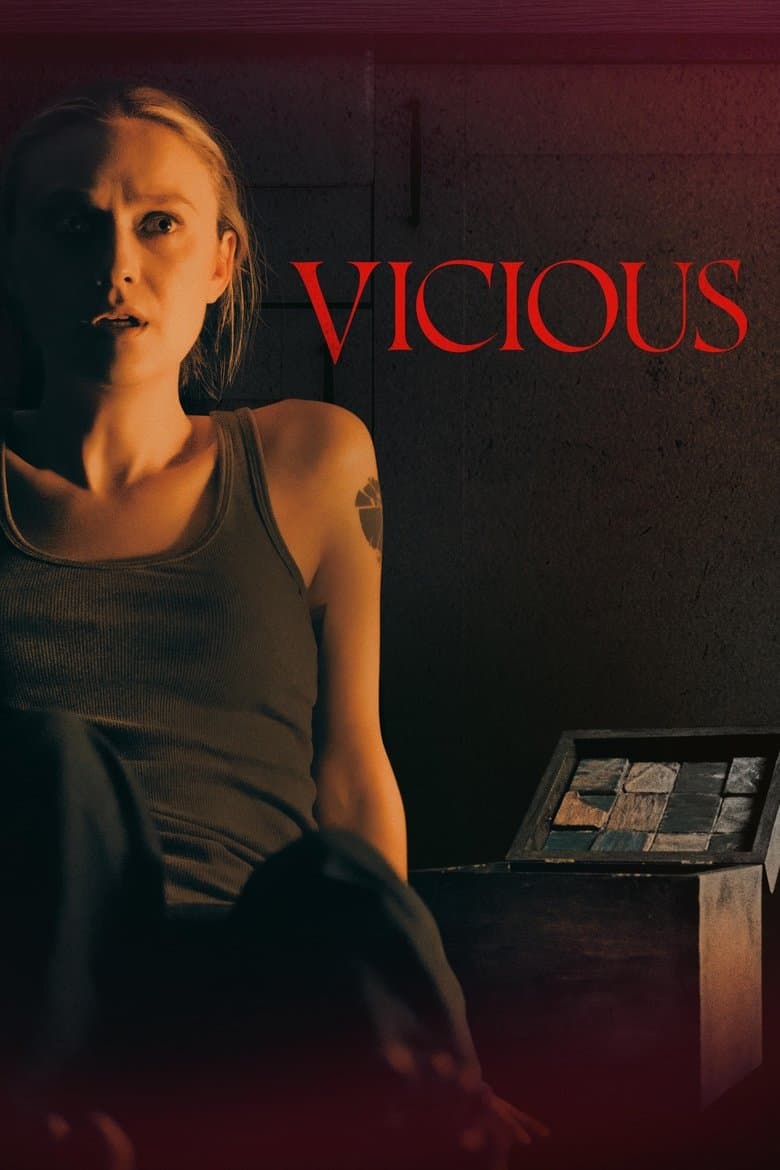
When Polly receives a mysterious box, it comes with one rule: place inside something she needs, something she hates, and something she loves.

Movie · 2024
In 1980s Hollywood, adult film star and aspiring actress Maxine Minx finally gets her big break. But as a mysterious killer stalks the starlets of Hollywood, a trail of blood…
Movie · 2019
When a 12-year-old boy goes missing at a local park, a detective investigates the case to help the boy's family find answers.
