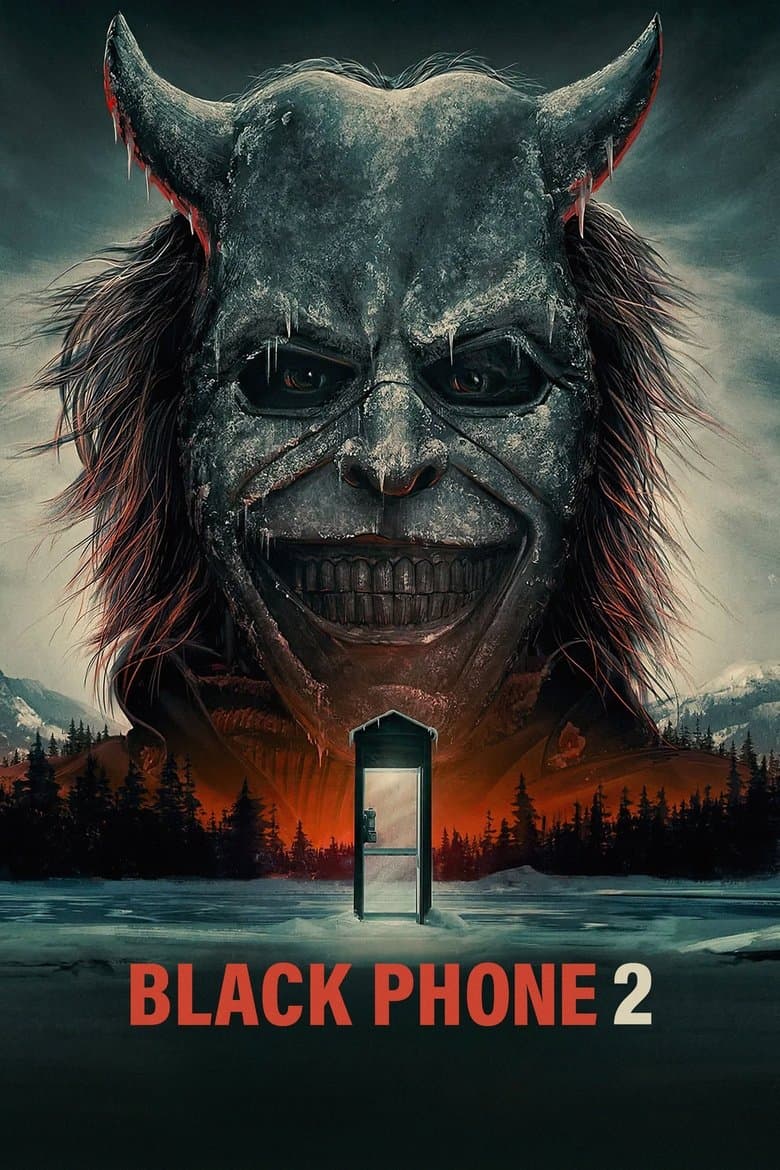
black Phone 2 is a supernatural horror sequel set in 1982. Four years after the first film, Finney Blake struggles with trauma while his younger sister Gwen receives dream calls from the black phone and visions of three boys murdered years earlier at Alpine Lake, a Christian winter camp. The siblings and a friend go to the camp during a blizzard, uncover ties to their family's past, and confront the Grabber's ghost, which has grown stronger in death. Gwen takes a leading role through her visions and uses prayer and faith to fight back.
Community feedback
Was our 11% Woke rating accurate?
Breakdown
These are the editorial factors and ratings behind our score for Black Phone 2.
Woke representation / casting
Some supporting roles feature Hispanic actors in positions that fit the 1980s camp setting and characters. Gwen drives action through her established visions and family connection. Marketing and reviews show no identity signaling, quotas, or emphasis on representation.
10%
Woke political dialogue
No activist or political speeches appear. Dialogue centers on trauma, family secrets, supernatural threats, and personal faith.
0%
Identity-driven story themes
The premise follows classic horror patterns of lingering evil, trauma, and family history. No race, gender, sexuality, or identity-focused arcs or messaging drive the narrative.
0%
Western institutional / cultural critique
The Christian camp has a past of covering up murders that serves the horror plot and tension. Characters counter the evil through faith and family rather than modern institutional or cultural critique.
8%
Woke character or canon changes
Not relevant. The sequel continues the established characters, premise, and source elements without ideological reinterpretations.
0%
Anti-woke backlash and complaints
No significant anti-woke or right-leaning complaints accuse the film of pushing woke, DEI, identity politics, or activist messaging.
0%
Creator track record context
Key writers and the director have low activist records focused on horror and, in Derrickson's case, faith themes. Some producers show moderate liberal comments or past diversity mentions, but these do not shape the film's traditional horror content or marketing.
22%
Production
Movie · 2022
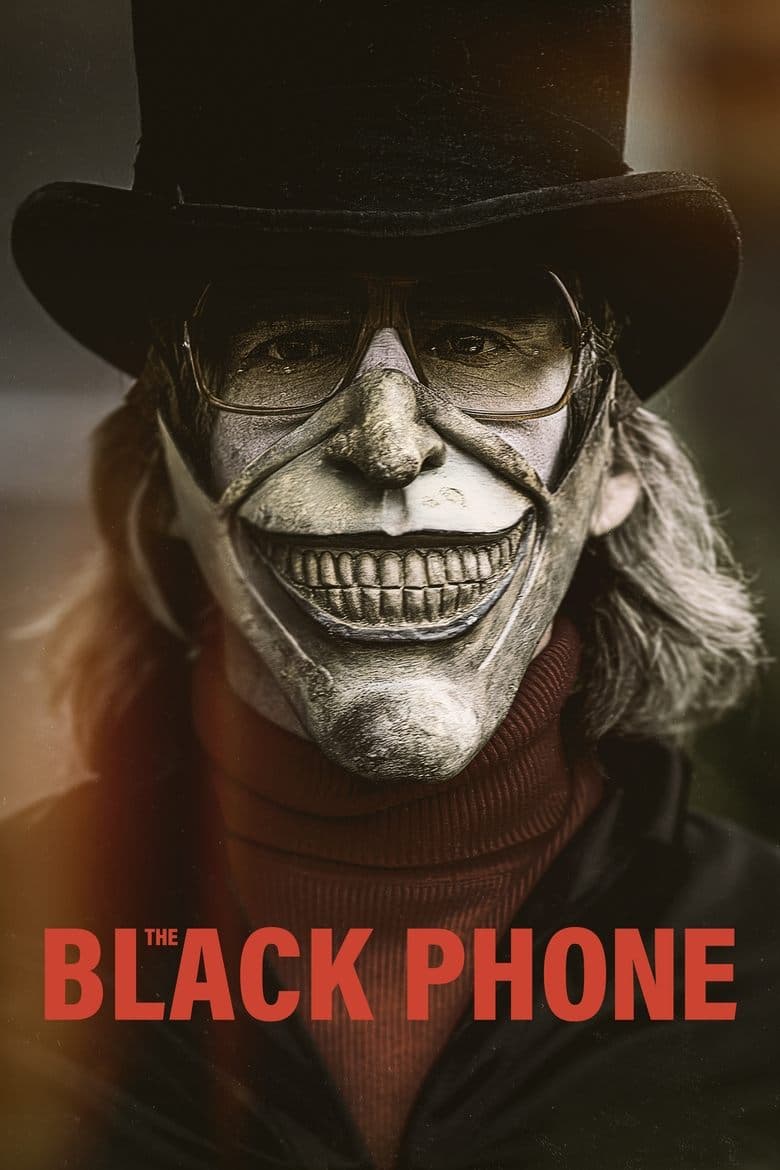
Finney Blake, a shy but clever 13-year-old boy, is abducted by a sadistic killer and trapped in a soundproof basement where screaming is of little use.

Movie · 2024
A grieving woman in a secluded forest encounters a killer who injects her with a paralytic drug. As her body shuts down, her fight for survival begins.

Movie · 2019
When a huge hurricane hits her hometown in Florida, Haley ignores evacuation orders to look for her father. After finding him badly wounded, both are trapped by the flood.
Movie · 2026
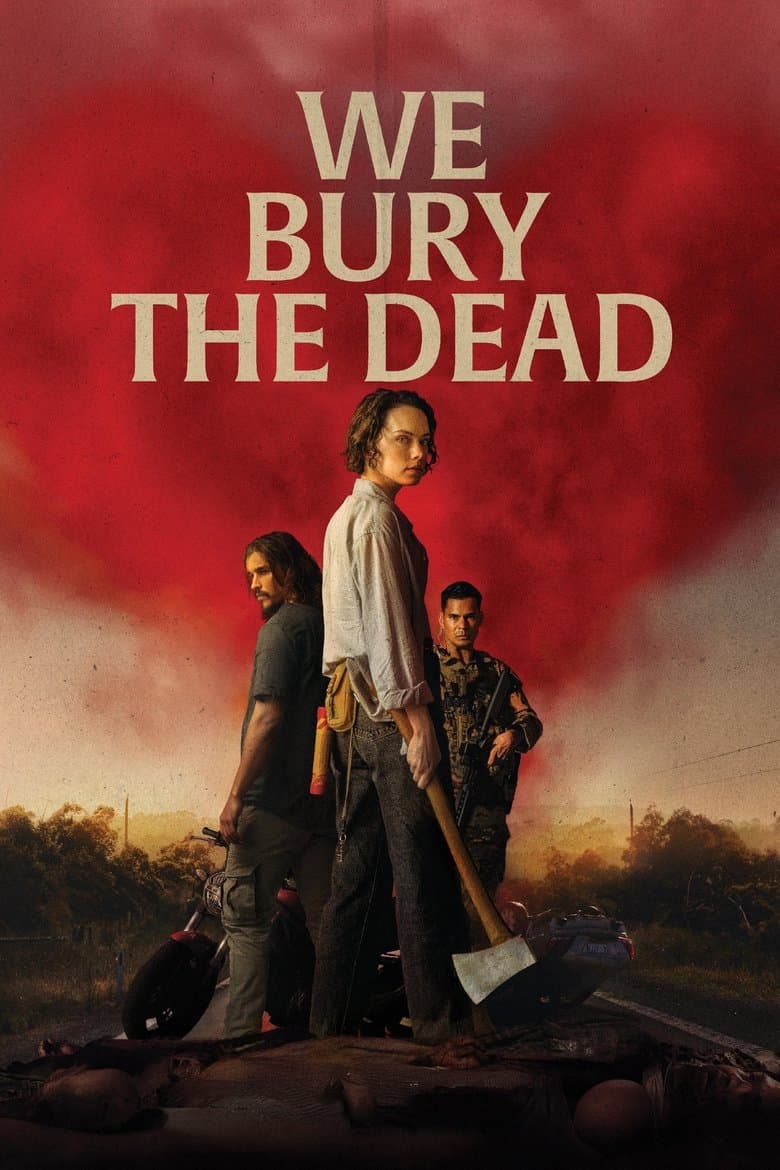
After a catastrophic military disaster reanimates the dead, Ava searches for her missing husband amidst an increasingly hostile world.
Movie · 2018
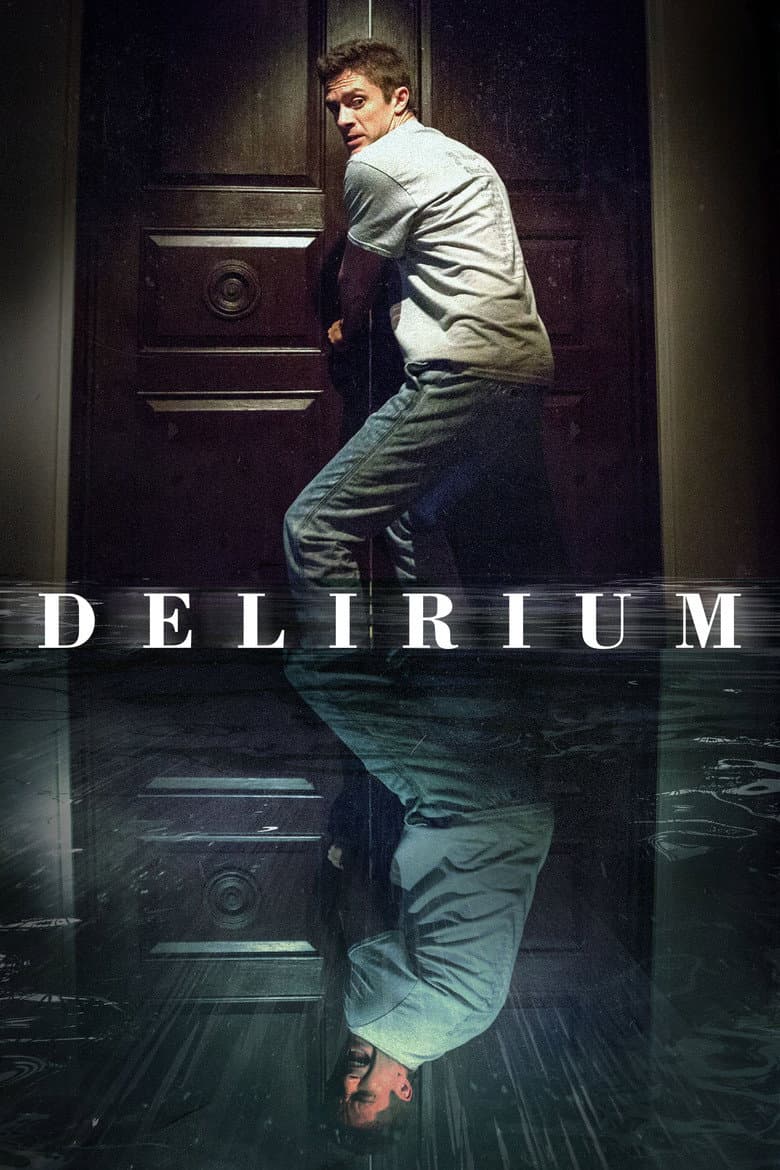
A man recently released from a mental institute inherits a mansion after his parents die. After a series of disturbing events, he comes to believe it is haunted.

Movie · 2019
A lone fisherman on his daily run finds himself lost in a thick fog which proves impossible to navigate. The worst is yet to come when his encounter with a seemingly abandoned…
Movie · 2025
One year since the supernatural nightmare at Freddy Fazbear's Pizza, the stories about what transpired there have been twisted into a campy local legend, inspiring the town's…

Movie · 2018
Three teenage thieves infiltrate a mansion dinner party, unaware that it is secretly being hosted by a serial killer cult for the social elite.
