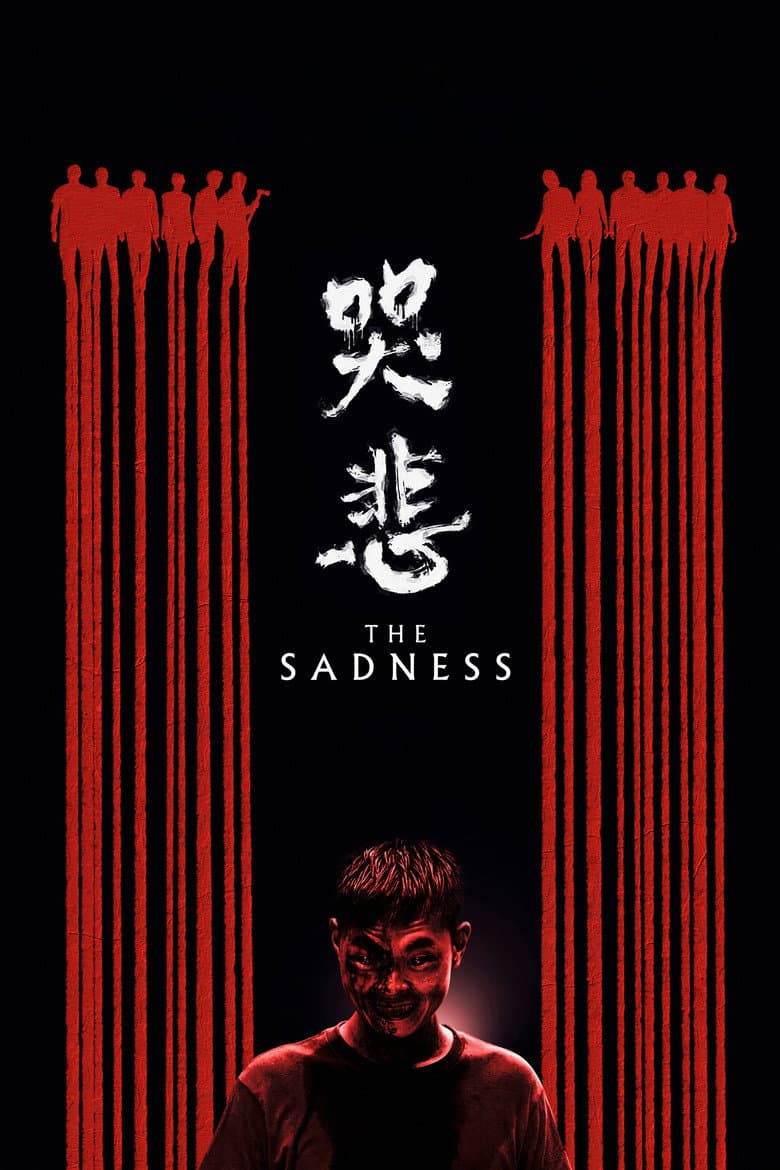
Jim and Kat are a young couple living in Taiwan when a virus suddenly changes the people around them. Jim is separated from Kat after he leaves her at a train station, and both must cross a city filled with killers to reach each other. The infected keep their minds and speech, but they lose control of their cruelest violent and sexual urges. The film uses a grim, fast, and extremely bloody style, with practical gore, panic, and almost no relief.
The main identity-related element is the repeated threat of male sexual violence against Kat. A businessman keeps chasing her after she rejects him, and other infected men turn sex and control into weapons. The story treats this as ugly horror and shock rather than as a speech about modern gender politics. Short scenes about government failure, public denial, and a scientist’s warning add a mild political edge, but the story stays focused on survival, human cruelty, and the collapse of order.
Community feedback
Was our 20% Woke rating accurate?
Breakdown
These are the editorial factors and ratings behind our score for The Sadness.
Woke representation / casting
Not present. The movie uses a largely Taiwanese cast in a present-day Taiwan setting, and the lead couple follows ordinary male and female roles. No diversity-first or identity-framed casting appears in the story.
0%
Woke political dialogue
Not present. The film has short lines about a virus, an election, and government failure. Those lines criticize denial and weak leadership, but they do not push modern identity, DEI, or activist ideas.
0%
Identity-driven story themes
The film repeatedly makes male sexual aggression a danger for Kat. A businessman keeps pursuing her after she rejects him, and infected men use sexual threats alongside torture. The plot makes this danger important to Kat’s route through the city and uses it for shock. The movie does not turn the threat into a speech about modern gender politics or an activist cause.
28%
Western institutional / cultural critique
The film shows a businessman treating Kat’s rejection as a reason to keep pursuing her. The story also shows officials and public messages failing during the outbreak. Those moments create a small male-entitlement and anti-authority signal. The film does not attack Western culture, family life, or patriarchy.
10%
Woke character or canon changes
Not relevant. The movie uses original characters in a new Taiwan-set outbreak story. It does not change an established character, canon role, or real historical event.
0%
Anti-woke backlash and complaints
Not present. The public discussion reviewed focuses on gore, sexual violence, pandemic ideas, and the thin story. No meaningful anti-woke backlash about DEI, identity politics, or left-wing messaging appears in the available coverage.
0%
Creator track record context
David Barker has a moderate political record tied to documentaries about democracy and authoritarianism. Rob Jabbaz, Lu Wei-chun, and Li-Cheng Huang have no comparable activist record in the supplied creator context. The film itself is extreme horror rather than a project built around identity politics, so the creator signal is small.
15%
Production
Movie · 2025
Four years after defeating The Grabber, Finney Blake is struggling with life after captivity. When his younger sister Gwen begins receiving calls in her dreams from the Black…
Movie · 2026
After a catastrophic military disaster reanimates the dead, Ava searches for her missing husband amidst an increasingly hostile world.
Movie · 2021
Paranormal investigators Ed and Lorraine Warren encounter what would become one of the most sensational cases from their files.
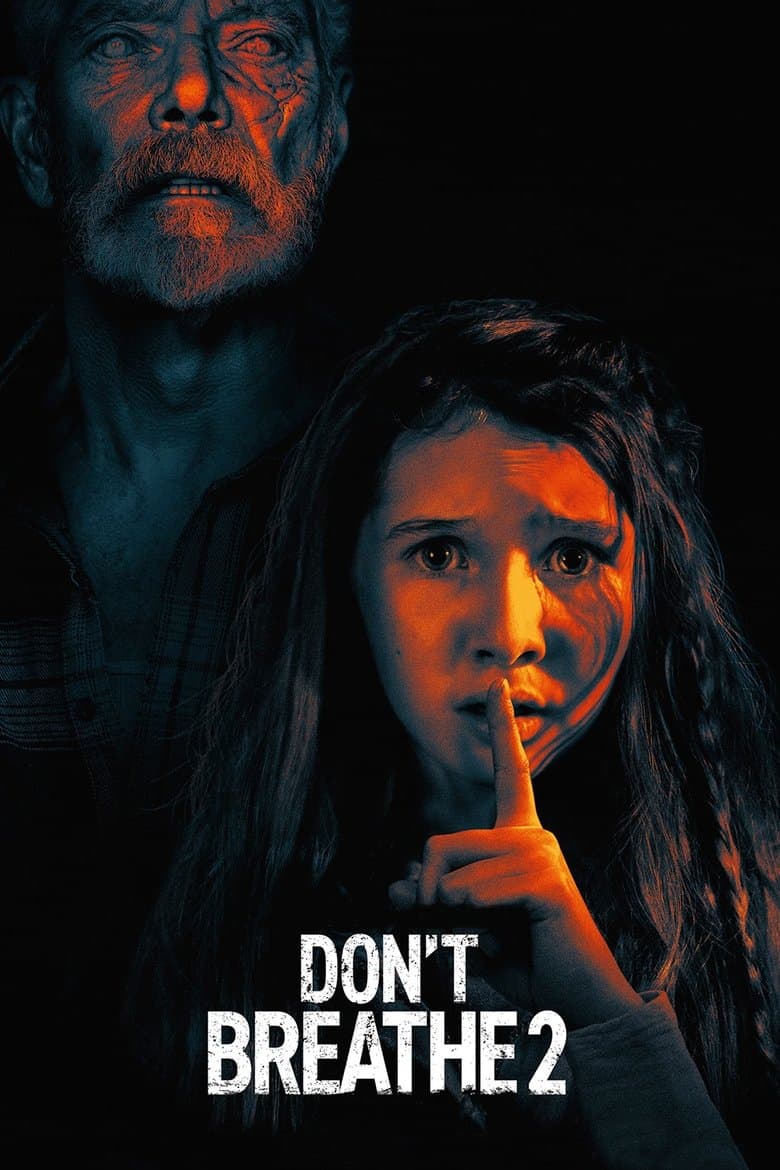
Movie · 2021
The Blind Man has been hiding out for several years in an isolated cabin and has taken in and raised a young girl orphaned from a devastating house fire.
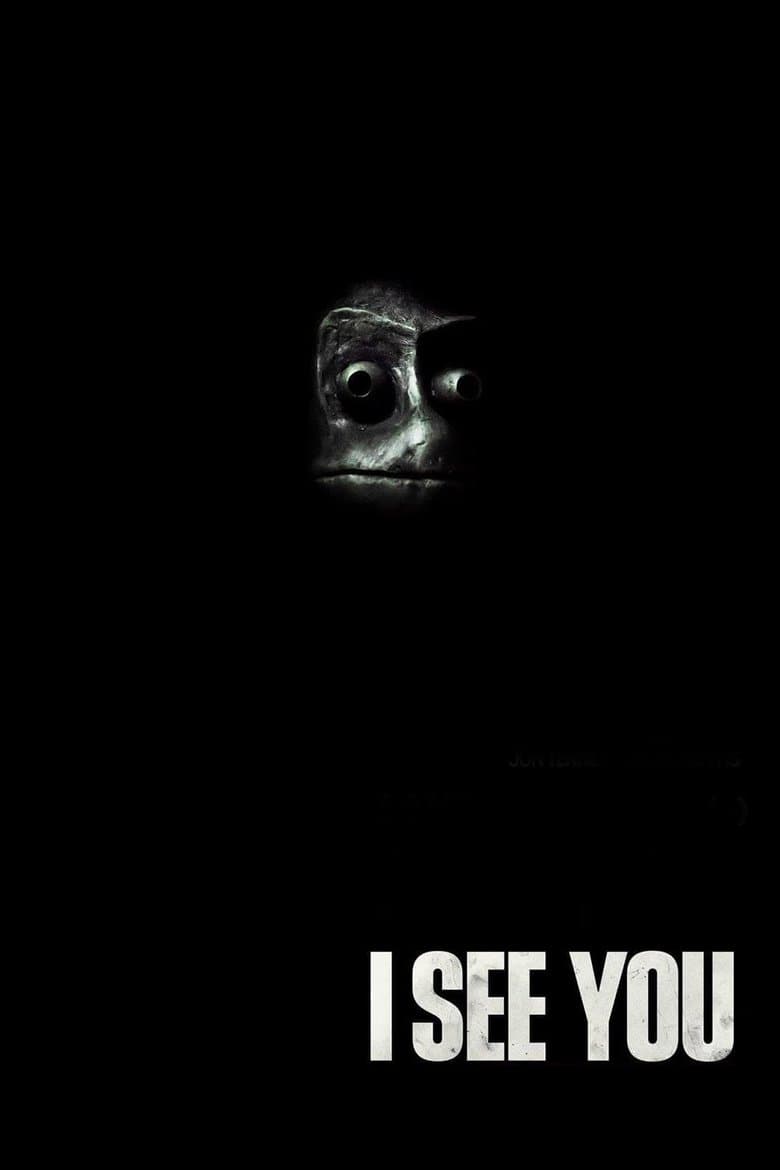
Movie · 2019
When a 12-year-old boy goes missing at a local park, a detective investigates the case to help the boy's family find answers.

Movie · 2024
Nothing is what it seems when a twisted one-night stand spirals into a serial killer’s vicious murder spree.
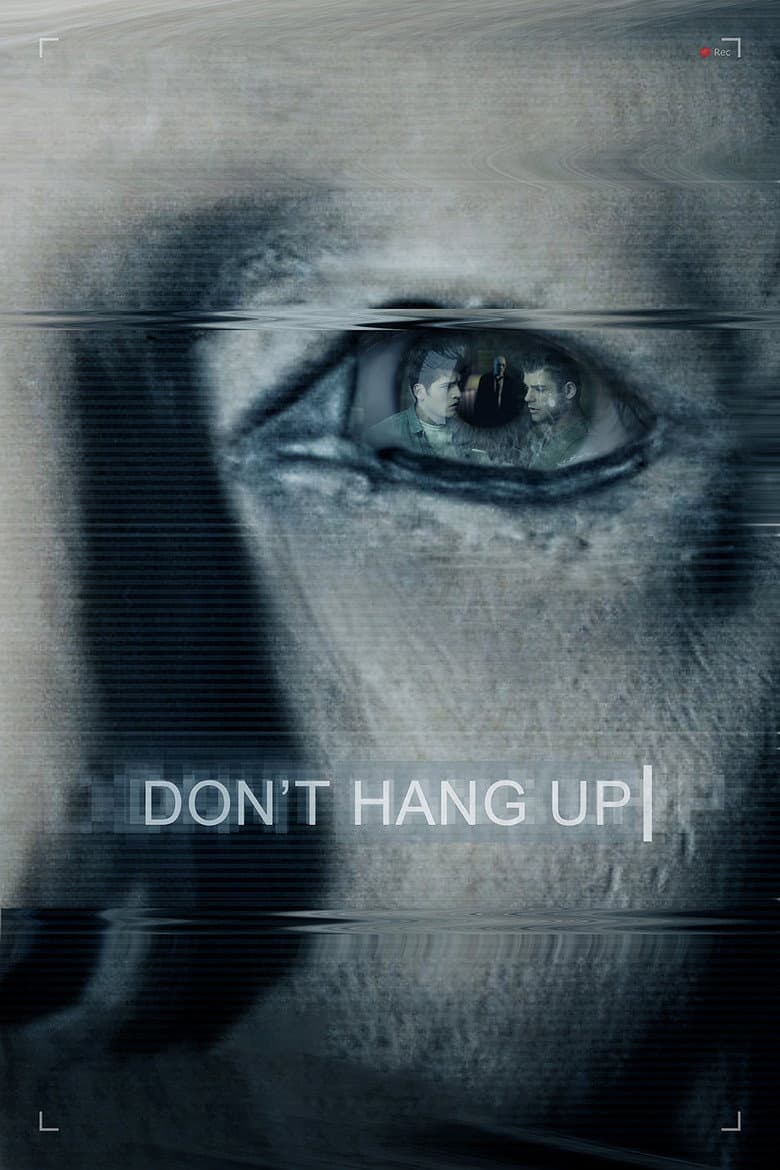
Movie · 2016
An evening of drunken prank calls becomes a nightmare for a pair of teenagers when a mysterious stranger turns their own game against them.
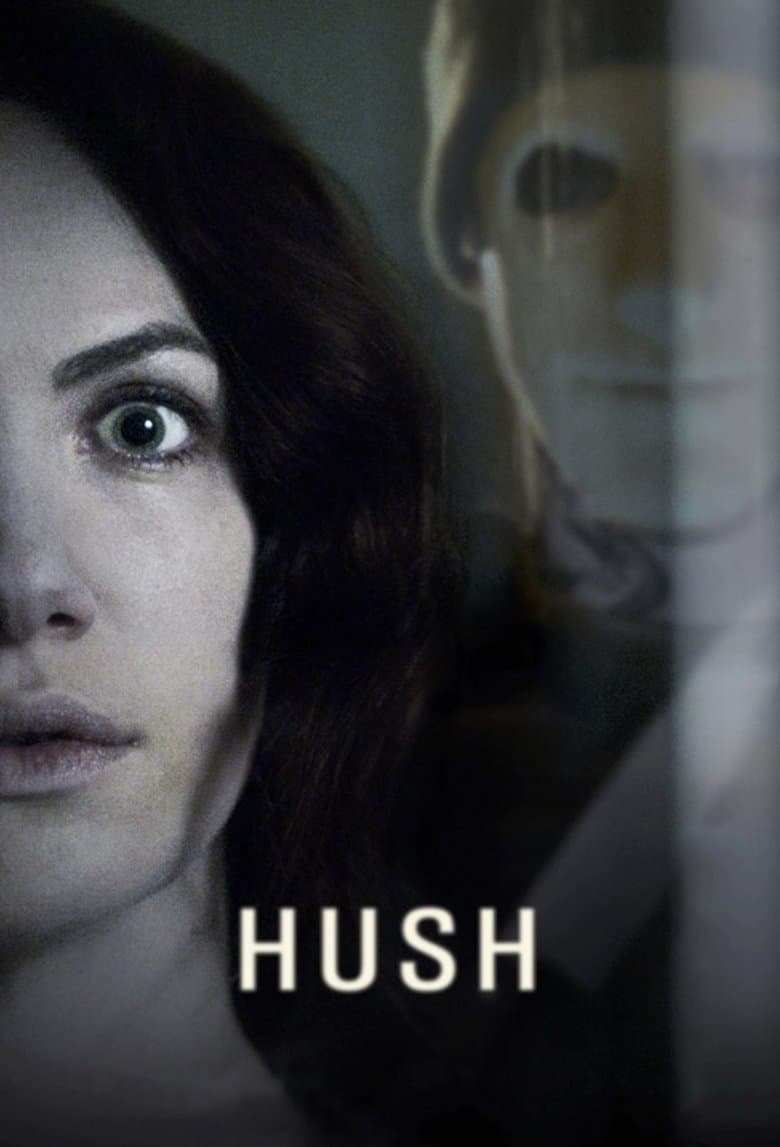
Movie · 2016
A deaf woman is stalked by a psychotic killer in her secluded home.
