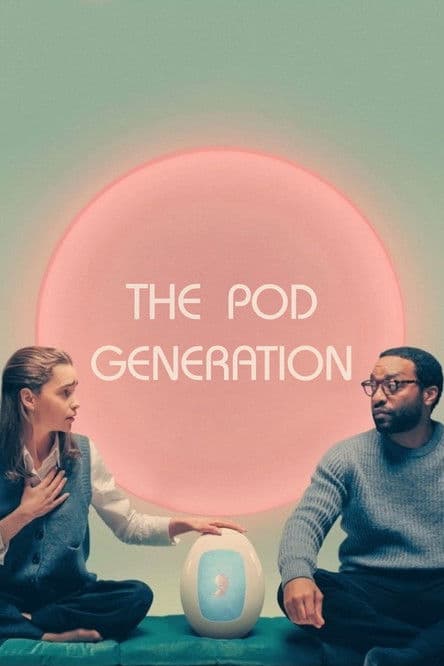
Rachel Novy is a rising tech worker in a near-future New York where artificial intelligence runs homes, offices, schools, and much of daily life. She and her botanist husband, Alvy, want a child, but they disagree about whether to use a detachable artificial womb called a pod. Rachel sees the pod as a way to protect her career and share pregnancy, while Alvy trusts natural birth and the living world. Their choice turns a private family decision into a gentle struggle over love, work, nature, and technology.
The film gives its main debate a clear gender focus. A company sells pod pregnancy as freedom from the limits of women’s bodies and as a way to stay equal with men at work. Rachel is the main earner, while Alvy becomes the more hands-on parent, so the story keeps turning traditional roles around. The film also shows a corporate system that turns childbirth, parenting, and nature into products, but it ends by valuing human care and the natural world over total control.
Community feedback
Was our 68% Woke rating accurate?
Breakdown
These are the editorial factors and ratings behind our score for The Pod Generation.
Woke representation / casting
The film places women in its main public-power roles. Rachel is a rising tech executive, and a woman runs the Womb Center. The interracial couple fits a near-future New York setting and is not presented as a race statement. The gender pattern supports a mild score, but the film does not use an obvious diversity-first cast design.
22%
Woke political dialogue
The Womb Center presents pod birth as freedom from the limits of women’s bodies. Rachel’s workplace links pregnancy with career loss and staying competitive with men. Rachel and Alvy repeatedly argue about women’s choices, equality, and natural birth. The film makes these ideas part of its main debate, while also warning about corporate control.
50%
Identity-driven story themes
The story makes women’s control of pregnancy and equal parenting its main conflict. Rachel faces pressure to balance career and motherhood. Alvy becomes the more hands-on parent, which reverses familiar family roles. The film presents the pod as a possible form of female freedom, then questions whether a company can sell that freedom without taking control.
61%
Western institutional / cultural critique
The film repeatedly attacks a corporate world that measures work, mood, pregnancy, and children as products. The company pushes Rachel toward pod birth so she can stay productive. The story also mocks artificial nature, AI therapy, and schools run through machines. Its critique targets corporate power and technology more than conservatives or Christianity.
54%
Woke character or canon changes
Not relevant. The film is an original story and does not change established characters, a known story, or real historical figures.
0%
Anti-woke backlash and complaints
The separate X pass found a few small accounts calling the film Hollywood DEI, liberal idealism, or an Agenda 2030 vision. One viewer quit after 20 minutes, and another called the film part of dehumanizing Hollywood culture. A fringe commentary site also attacked the premise as progressive transhumanism linked to woke politics. No large campaign or broad backlash was found.
24%
Creator track record context
Sophie Barthes has a repeated focus on women’s choices, gender, and social pressure. Emilia Clarke has spoken about feminism, women’s opportunities, and inclusive storytelling. The stored casting notes describe Dixie Chassay and Nicolas Ronchi as diversity-aware professionals. Most listed producers have little public activist record, so the overall context is moderate.
45%
Production
Movie · 2018
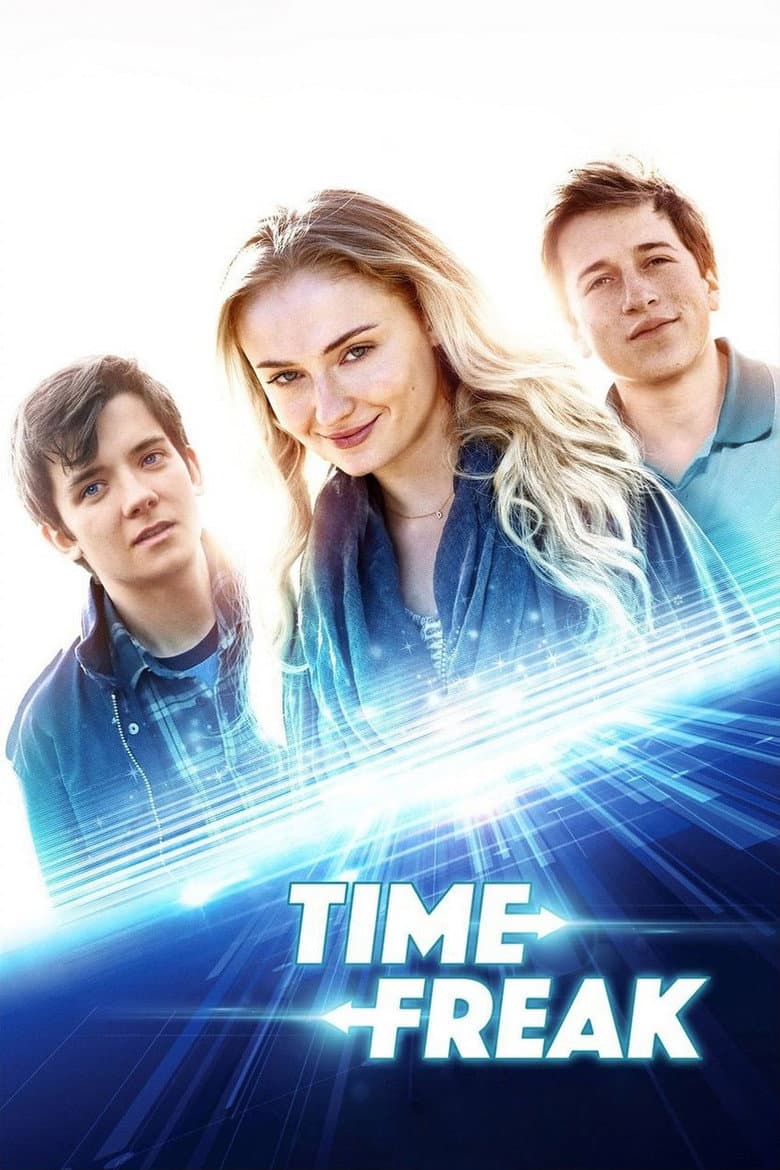
Stillman, a heartbroken physics student, builds a time machine when his girlfriend breaks up with him. Going back in time, he attempts to save their relationship by fixing every…
Movie · 2022
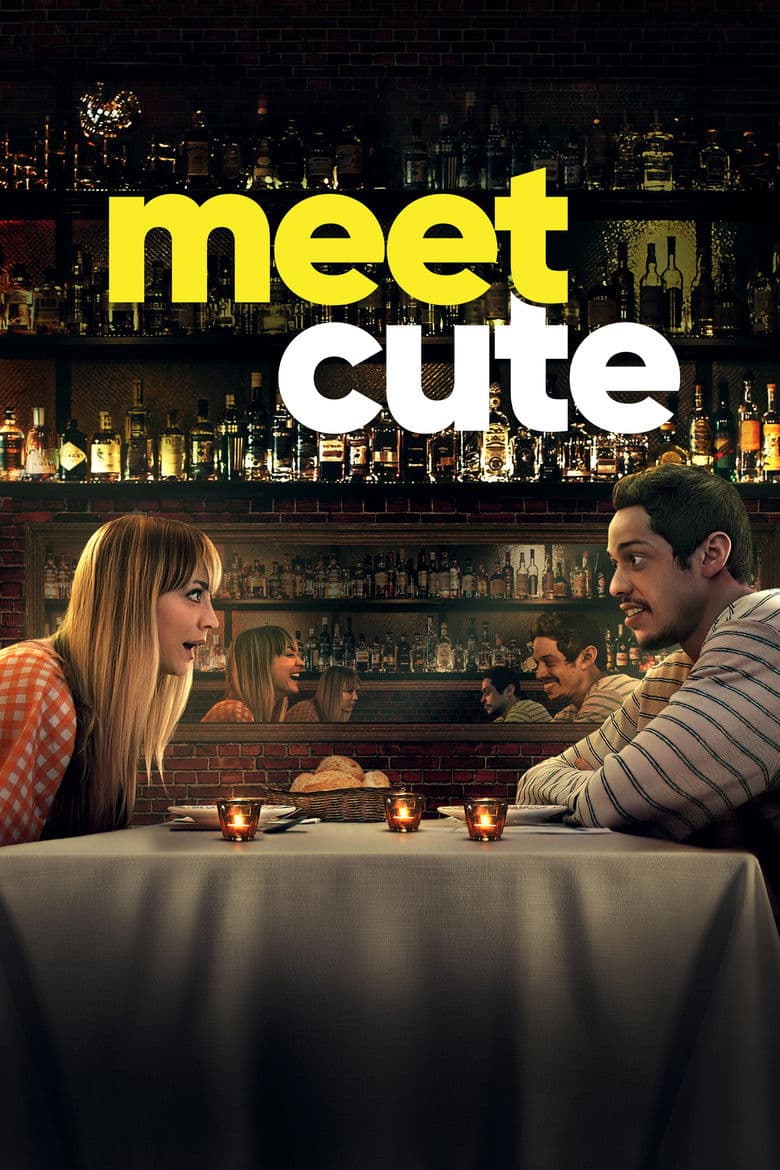
A wildly inventive deconstruction of the romantic comedy built around the question: What would you do if you could travel to your loved ones’ past, heal their traumas, fix their…
Movie · 2018
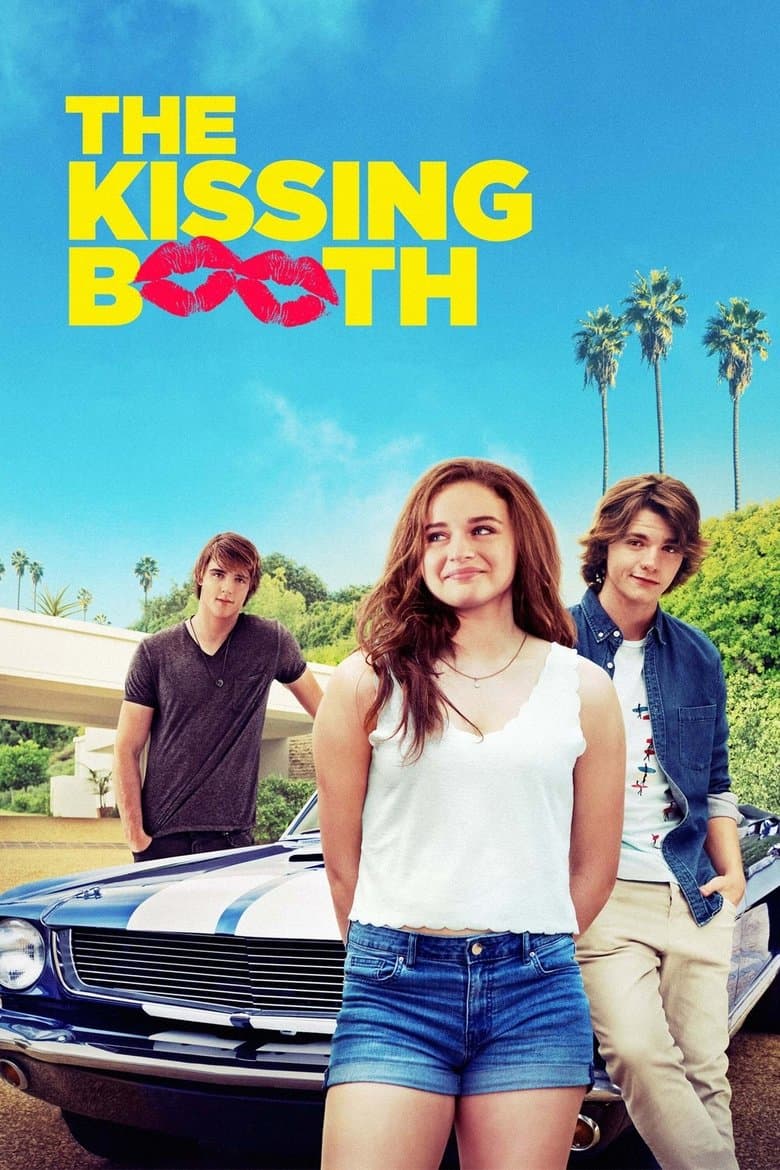
When teenager Elle's first kiss leads to a forbidden romance with the hottest boy in high school, she risks her relationship with her best friend.
Movie · 2019
Two young people arrive in New York to spend a weekend, but once they arrive they're met with bad weather and a series of adventures.

Movie · 2023
After a disastrous first date, wild-child Nicole and socially-anxious Max vow to lose each other’s numbers until they learn that their dogs found a love match, and now puppies are…

Movie · 2020
When carefree Nyles and reluctant maid of honor Sarah have a chance encounter at a Palm Springs wedding, things get complicated when they find themselves unable to escape the…
Movie · 2022
Divorced couple Georgia and David find themselves on a shared mission: they team up and travel to Bali to stop their daughter Lily from making the same mistake they once made 25…

Movie · 2026
Two gangsters and the woman they love try to survive the most dangerous night of their lives. As if that wasn’t enough, there’s one wild ingredient added to the mix: a time…
