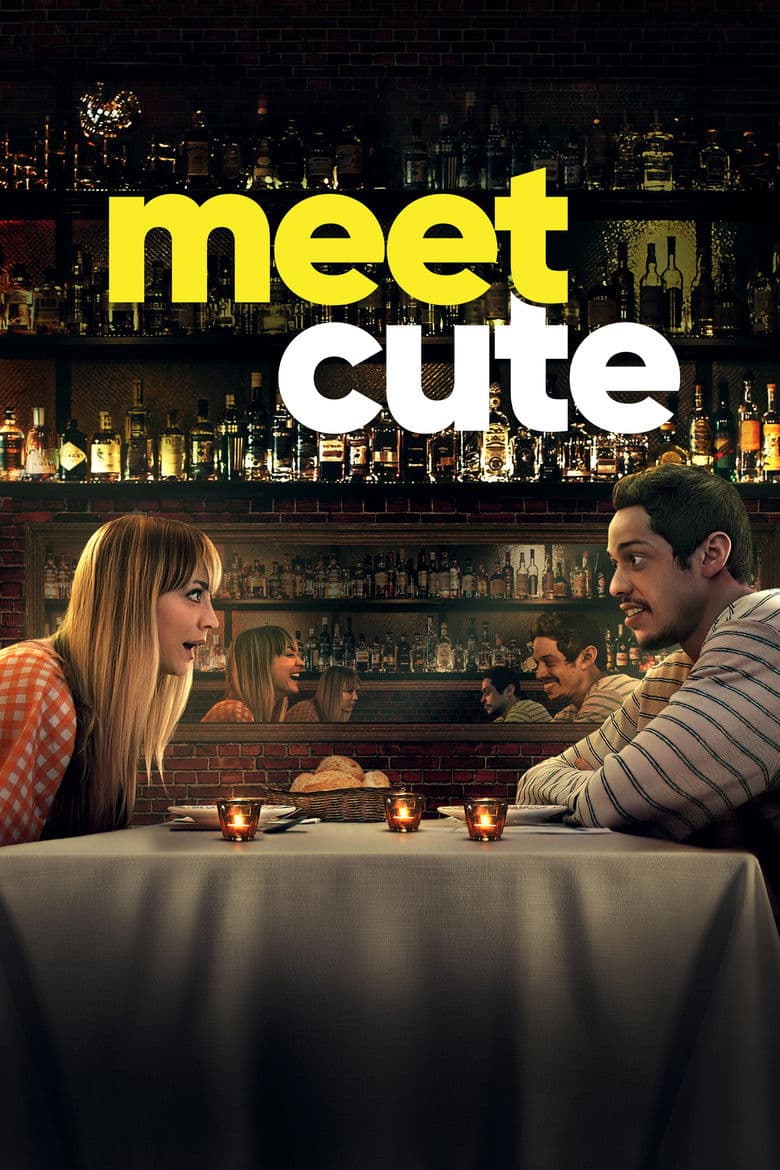
Sheila is a troubled New Yorker who discovers a time machine hidden in a nail salon. She uses it to repeat one first date with Gary, a quiet man who gives her a reason to keep living. Her need to hold the night still grows into a plan to change Gary's childhood and make him fit her dream. The movie mixes quick jokes, romance, and time travel with a dark story about suicide, pain, and fear of tomorrow.
The main romance is between a white man and woman, but the small support cast is visibly mixed and includes a lesbian Asian woman in a key role. June says that her parents wanted a son, called her a mistake, and later mentions the life she built with her wife. Gary later tells June that she makes a better woman and was never a mistake. Those scenes clearly support gay acceptance and reject strict ideas about gender, but they remain a short side story beside Sheila and Gary's mental health plot.
Community feedback
Was our 30% Woke rating accurate?
Breakdown
These are the editorial factors and ratings behind our score for Meet Cute.
Woke representation / casting
The main romance is between a white man and woman. The small support cast has a clear mix of identities. June is an Asian lesbian woman who controls access to the time machine and gives the story its main warning about pain. Rock Kohli plays the South Asian waiter Amit. A transgender performer, Hari Nef, appears as the ice cream seller Chai. The pattern is visible, but most of these roles are small.
29%
Woke political dialogue
Not present. The characters do not discuss parties, elections, public policy, activist causes, or current political movements.
0%
Identity-driven story themes
June has a clear lesbian backstory and says that a woman became her wife. June also says that her parents wanted a boy and treated her as a mistake. Gary later tells her that she makes a better woman and was never a mistake. The movie warmly supports her identity, but this thread takes only two short scenes and does not drive the main romance.
30%
Western institutional / cultural critique
The film presents June's parents as cruel because they wanted a son and called their daughter a mistake. June leaves home and later builds a life with her wife, while Gary rejects her parents' view. The message pushes back against strict family ideas about a daughter's worth and gender. This is a clear but brief side story, not a full attack on Western culture.
25%
Woke character or canon changes
Not relevant. The movie uses an original story and does not change an established character, source, or real person for identity reasons.
0%
Anti-woke backlash and complaints
Not present. Broad web, news, review, and social searches found no notable anti-woke or right-leaning complaints about this movie. Negative comments focused on tone, suicide, consent, repetition, and the ending instead.
0%
Creator track record context
Noga Pnueli has a cached score of 30 and has spoken about inclusive writing across race, gender, age, and sexuality. Alex Lehmann has a cached score of 5 and no activist profile. Pete Davidson has a cached score of 35 for public support of transgender rights, while Sara Shaak has a cached score of 38 for a stated focus on fair representation. Most other producers have low scores, so the full group gives only mild supporting context.
20%
Production
Movie · 2022
Two strangers believe in love but never seem to be able to find its true meaning. In a wild twist of events, fate puts each in the other's path on one stormy New Year's Eve.

Movie · 2026
A happily engaged couple is put to the test when an unexpected turn sends their wedding week off the rails.

Movie · 2026
When their plan to book a show at the Rivoli goes horribly wrong, Matt and Jay accidentally travel back to the year 2008.

Movie · 2023
After a disastrous first date, wild-child Nicole and socially-anxious Max vow to lose each other’s numbers until they learn that their dogs found a love match, and now puppies are…

Movie · 2026
A 'Man from the Future' arrives at an LA diner where he must recruit the precise combination of disgruntled patrons to join him on a one-night quest to save the world from the…

Movie · 2023
Two twenty-somethings, both reeling from bad break-ups, connect over the course of an eventful day in South London – helping each other deal with their nightmare exes, and…
Movie · 2023
Anna and Ryan have found true love together. It's been proven by a controversial test. There's just one problem: Anna still isn't sure. Then she meets Amir.

Movie · 2026
When a mutating, highly contagious fungus escapes a sealed facility, two employees – joined by a grizzled bioterror operative – must survive the wildest night shift ever to save…
