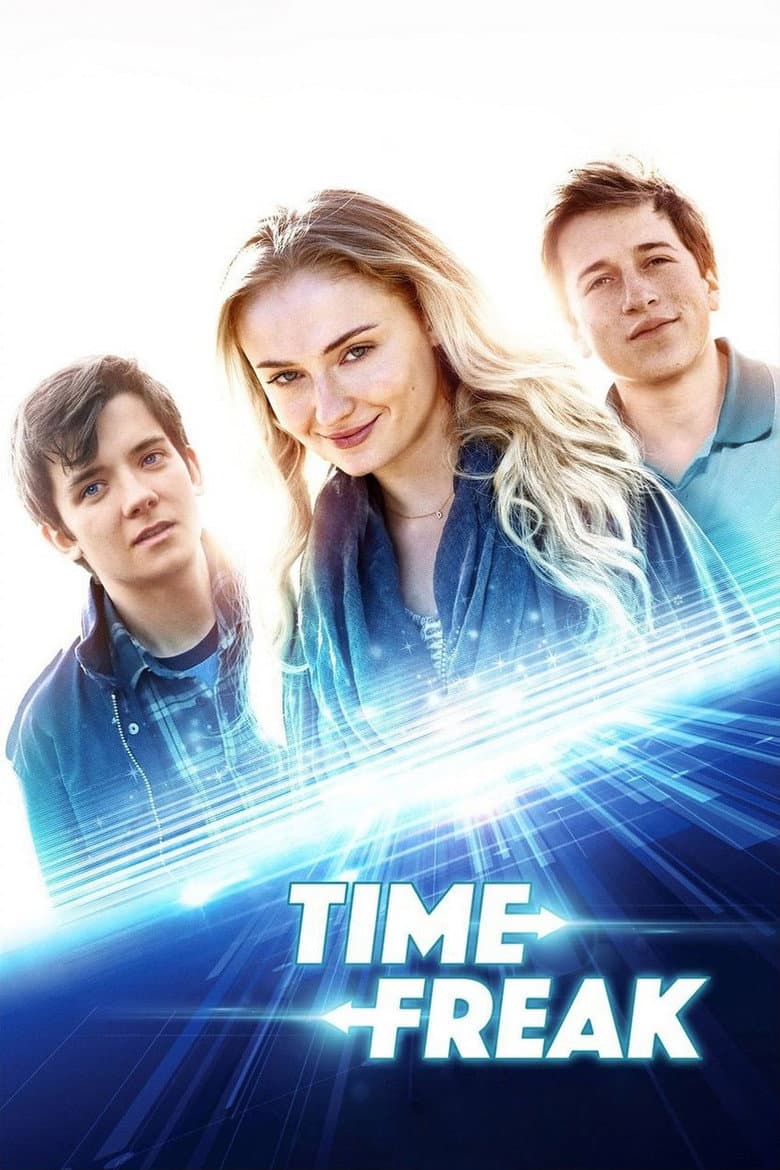
Time Freak follows Stillman, a gifted physics student who cannot accept that his girlfriend Debbie has ended their relationship. He builds a time machine and takes his friend Evan into the past to study each mistake in their year together. Stillman keeps changing old dates so Debbie will stay with him, while Evan chases his own chances to improve his life. The movie mixes science fiction, awkward jokes, romance, and a darker story about obsession and control.
The clearest audience-visible social theme is Debbie’s demand to keep control of her own life. Stillman treats arguments, hurt feelings, and Debbie’s choices as problems that he can erase, and the film shows how that makes their perfect marriage empty. Debbie’s final challenge gives the story a modern message about personal choice and the danger of a man shaping a woman’s life without her consent. The movie does not build this message into a wider debate about race, sexuality, politics, or social institutions, so its woke elements stay tied to one troubled romance.
Community feedback
Was our 23% Woke rating accurate?
Breakdown
These are the editorial factors and ratings behind our score for Time Freak.
Woke representation / casting
Not present. The named leads are a white American young couple and their friend, with no diversity-first casting message in the movie. The female lead is a musician, but the role is not presented as an identity statement.
0%
Woke political dialogue
Not present. The dialogue stays on breakups, arguments, science, sex, and friendship. The movie has no clear speeches or repeated jokes about identity, DEI, or activist politics.
0%
Identity-driven story themes
The movie repeatedly shows Stillman changing Debbie’s actions and feelings so she will not leave him. Debbie later says that her life belongs to her after she learns what he has done. The story treats control and forced perfection as a danger in a relationship. This is a noticeable modern message about female agency and male control, but it remains limited to one romance.
30%
Western institutional / cultural critique
The film presents Stillman as a man who feels entitled to edit a woman’s life when she rejects him. Debbie pushes back against that control and demands the right to make her own choices. The criticism targets one couple’s behavior and does not spread to religion, family life, capitalism, or Western institutions.
25%
Woke character or canon changes
Not relevant. The movie expands Andrew Bowler’s own short film into a feature. It does not change a known franchise character, historical person, or public event for identity reasons.
0%
Anti-woke backlash and complaints
Not present. The separate X pass found no anti-woke reaction or specific complaints. Wider reviews criticized the plot, tone, and Stillman’s control, but they did not call the film woke or accuse it of pushing DEI or left-wing ideas.
0%
Creator track record context
Andrew Bowler’s public record gives little woke or activist signal, and his interviews focus on regret and relationships. Mary Vernieu has spoken about representation in the film industry, which gives a small supporting signal. The other stored creators have low scores and no clear activist link to the movie.
8%
Production

Movie · 2019
Two young people arrive in New York to spend a weekend, but once they arrive they're met with bad weather and a series of adventures.

Movie · 2018
When teenager Elle's first kiss leads to a forbidden romance with the hottest boy in high school, she risks her relationship with her best friend.
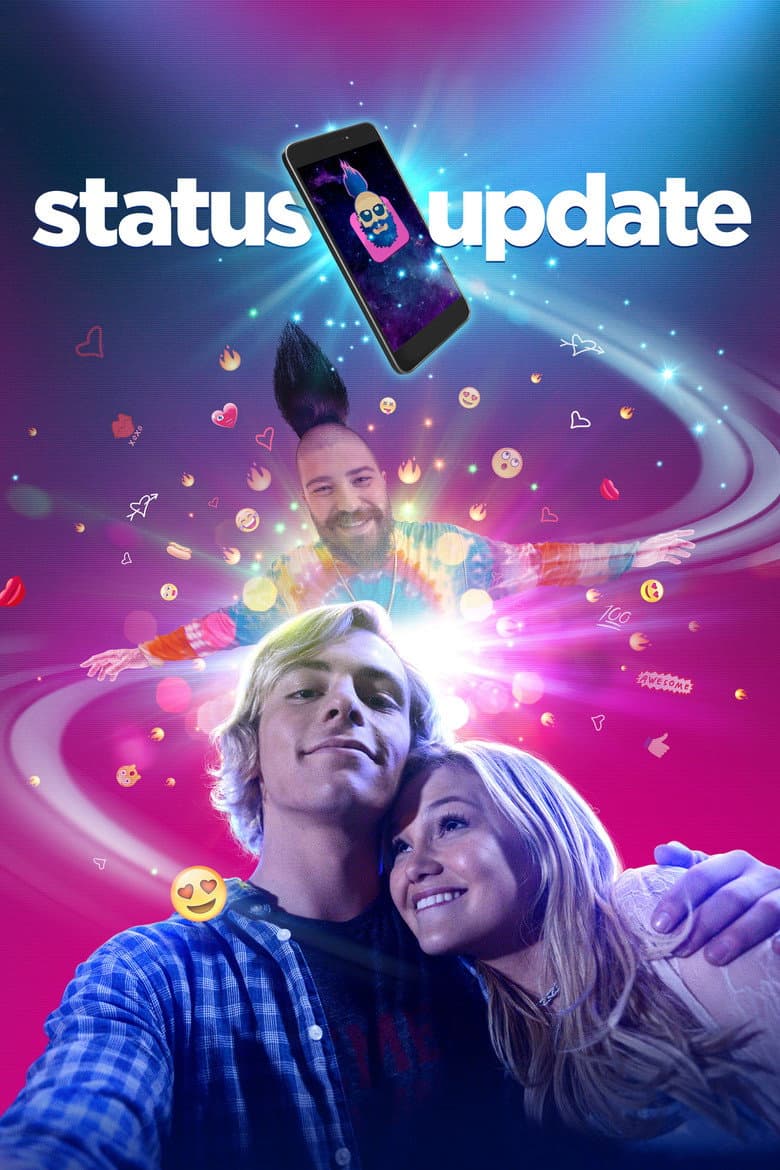
Movie · 2018
After being uprooted by his parents' separation and unable to fit into his new hometown, a teenager stumbles upon a magical app that causes his social media updates to come true.

Movie · 2023
After a disastrous first date, wild-child Nicole and socially-anxious Max vow to lose each other’s numbers until they learn that their dogs found a love match, and now puppies are…

Movie · 2022
Students Hayley and James are young and in love. After saying goodbye for Christmas at a London train station, they both make the same mad split-second decision to swap trains and…
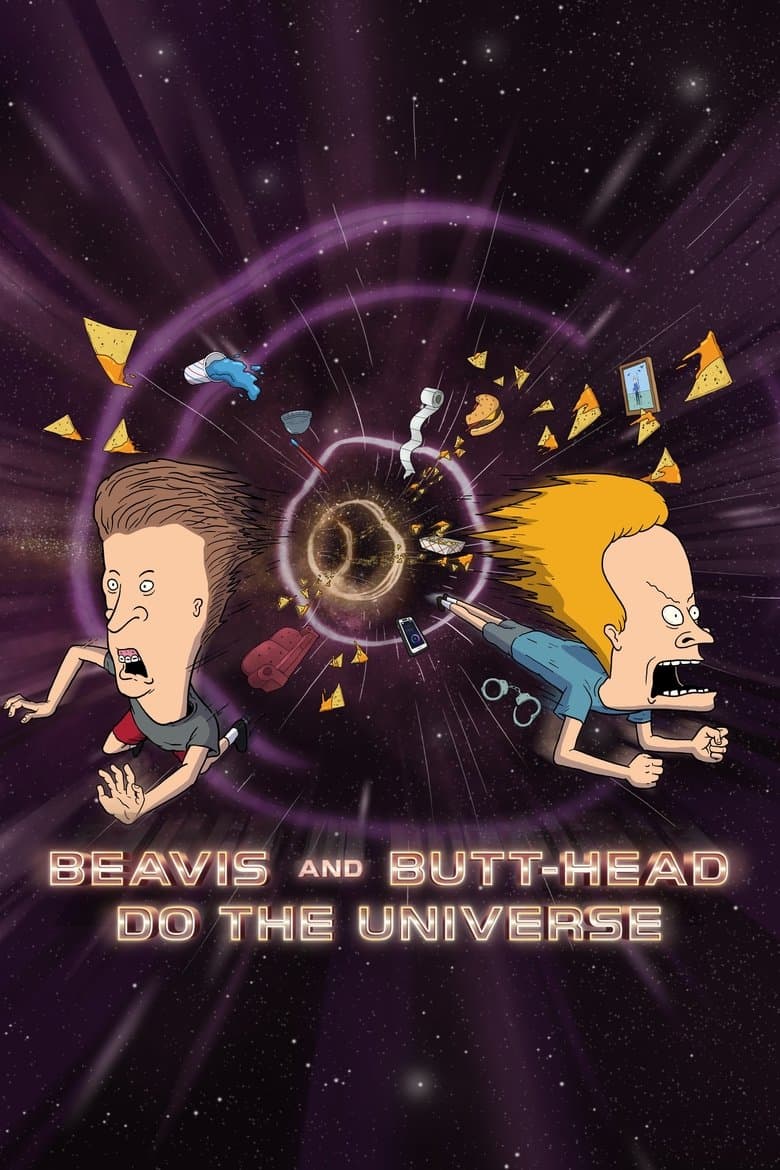
Movie · 2022
In 1998, Beavis and Butt-Head are sentenced to Space Camp by a “creative” judge. Their obsession with a docking simulator (huh huh) leads to a trip on the Space Shuttle, with…

Movie · 2023
Mira Ray, dealing with the loss of her fiancé, John, sends a series of romantic texts to his old cell phone number… not realizing the number was reassigned to Rob Burns' new work…
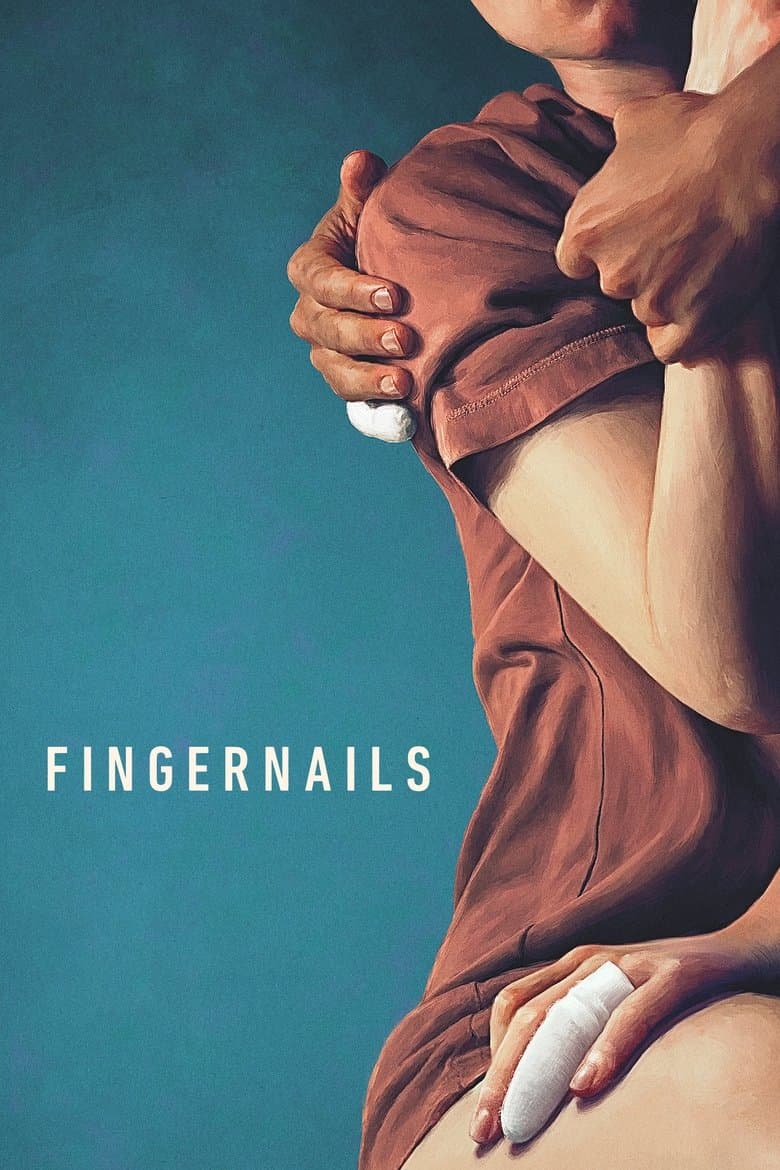
Movie · 2023
Anna and Ryan have found true love together. It's been proven by a controversial test. There's just one problem: Anna still isn't sure. Then she meets Amir.
